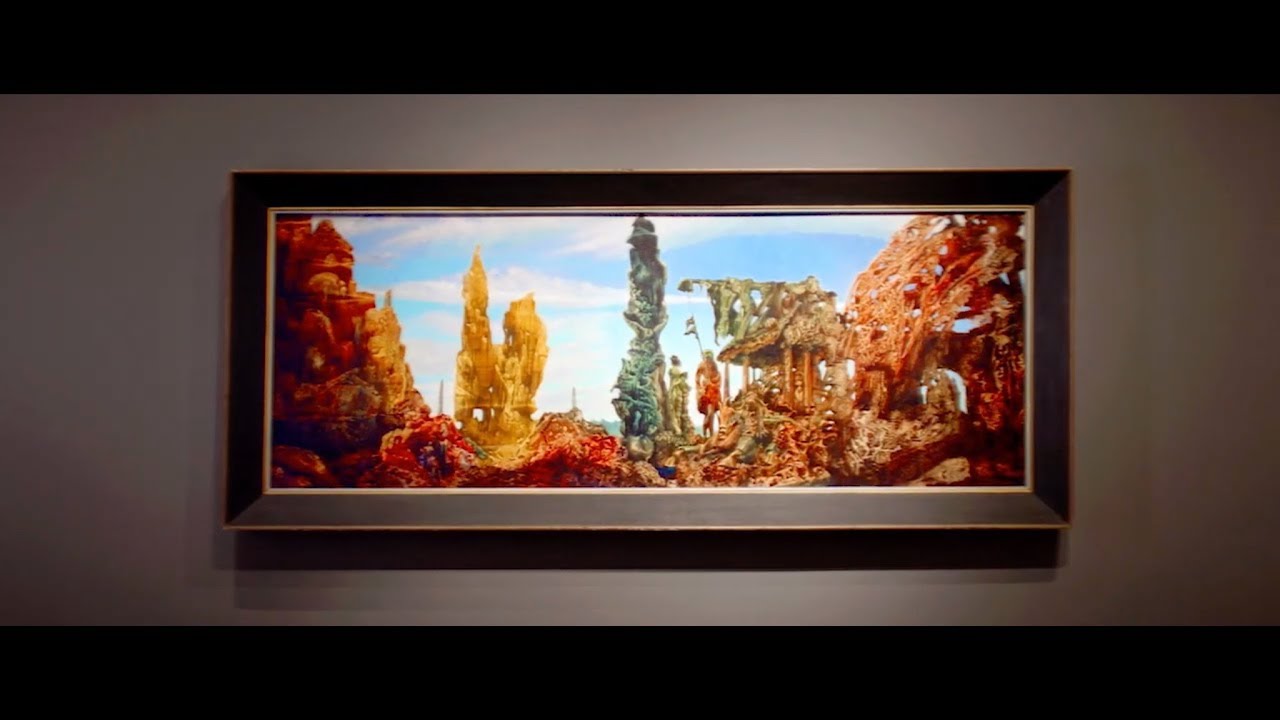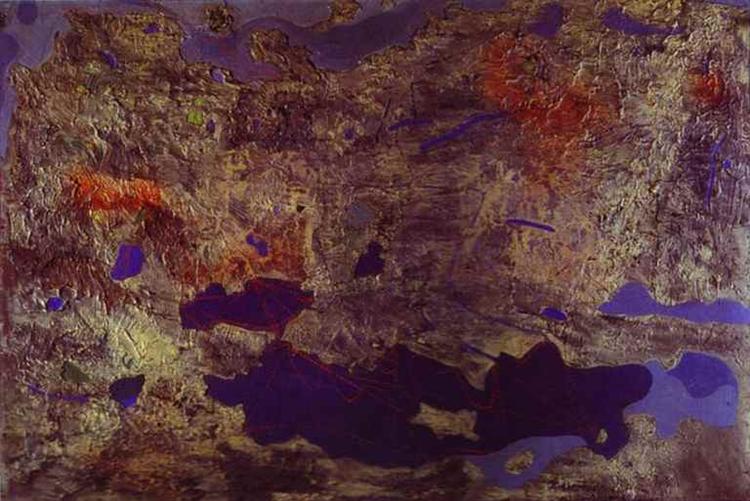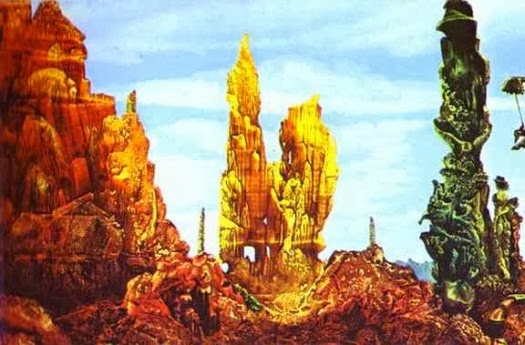
Okay, picture this: I'm in Amsterdam, right? Cobblestone streets, canals reflecting the sky like a million tiny mirrors, that quintessential Dutch charm oozing from every building. And then... bam! The heavens open. Not just a little sprinkle, but a full-on biblical deluge. Everyone scatters, ducking into cafes and tiny shops. I ended up sharing a soggy stroopwafel with a very polite pigeon under the awning of a cheese shop. (Yes, really. Don't judge.)
But here’s the thing: once the rain stopped, something magical happened. The city seemed cleaner, brighter, almost reborn. The light was incredible, reflecting off the wet stones and creating these stunning, almost surreal, scenes. And it got me thinking... what is it about Europe after the rain? It’s more than just pretty pictures; it feels like a deeper kind of shift.
It's not just Amsterdam, either. Think of Rome after a summer storm, the Colosseum practically steaming in the humidity. Or the Scottish Highlands, where the rain just seems to enhance the brooding, dramatic landscape. It’s like the rain washes away the dust and noise, leaving something purer and more intense behind.
The Psychological Impact: A Clean Slate?
Maybe it’s a psychological thing? Hear me out. We often associate rain with gloom, sadness, even depression. But once it's over, don’t you feel a sense of relief? Like a weight has been lifted? Maybe that’s what Europe experiences, too, on a larger scale.
Consider these points:

- A sense of renewal: The rain cleanses, both literally and figuratively. It's a chance to start fresh.
- Heightened senses: Everything smells and feels different after the rain. The air is crisper, the colors are richer. It’s like the world is being presented anew.
- A moment of stillness: The rain often forces us to slow down, to take a break from the hustle and bustle of daily life. This can be incredibly beneficial for mental clarity. Think about it – when was the last time you actually stopped to watch the rain fall?
And let’s be honest, Europe has seen a lot. Centuries of wars, political upheaval, cultural shifts... it’s a continent with a heavy history. Maybe these "post-rain" moments offer a chance to momentarily shed the weight of the past, to appreciate the present beauty before the storm clouds gather again. (Dramatic, I know, but you get the idea!)
The Economic Perspective: Beyond the Tourist Trap
Okay, so maybe I'm getting a little philosophical. But there's also a practical side to this whole "Europe after the rain" thing. Tourism, of course, benefits from those stunning post-storm photos – postcards sell like crazy, and Instagram is flooded with breathtaking landscapes. But what about beyond the superficial?
Consider this:

- Agriculture: Rain is, obviously, essential for agriculture. A well-timed rainfall can revitalize crops and boost yields, especially in regions prone to drought. Think of the vineyards in France or the olive groves in Italy. Rain is literally liquid gold.
- Water Resources: Rain replenishes vital water reserves, ensuring a stable supply for both domestic and industrial use. (Especially important with climate change looming, am I right?)
- Hydroelectric Power: In mountainous regions, rainfall feeds rivers and streams that power hydroelectric dams, providing a clean and renewable energy source. (Go Switzerland!)
The economic impact of rain, and its aftermath, is far more complex than just pretty pictures. It's about the health of the land, the availability of resources, and the sustainability of entire industries.
The Cultural Significance: Rain in Art and Literature
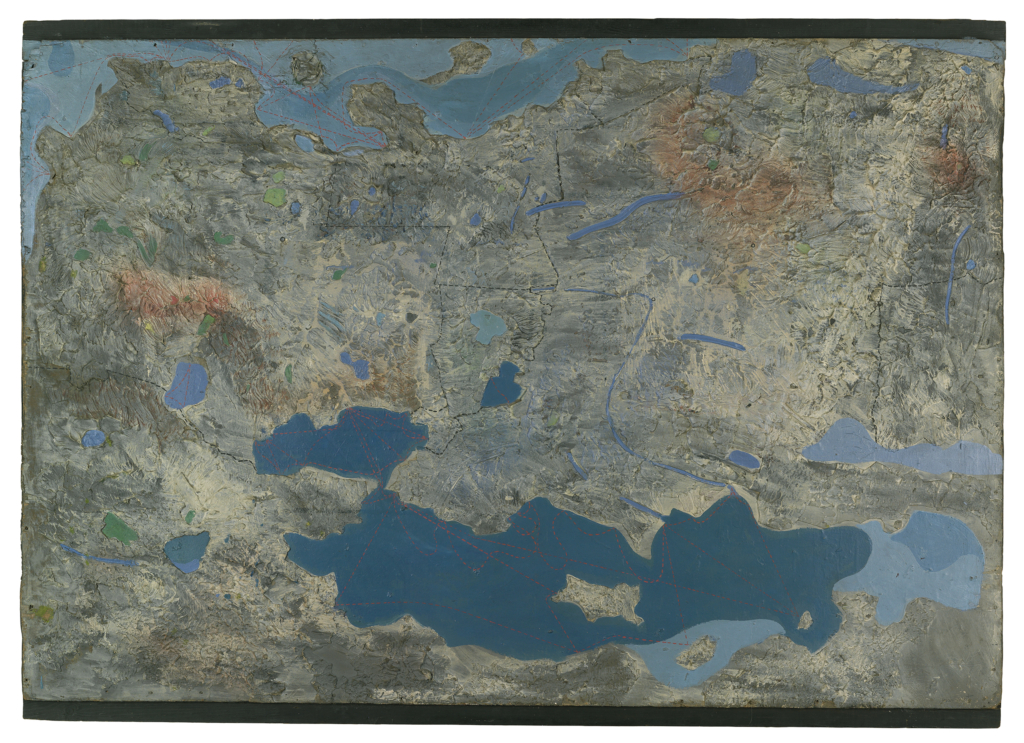
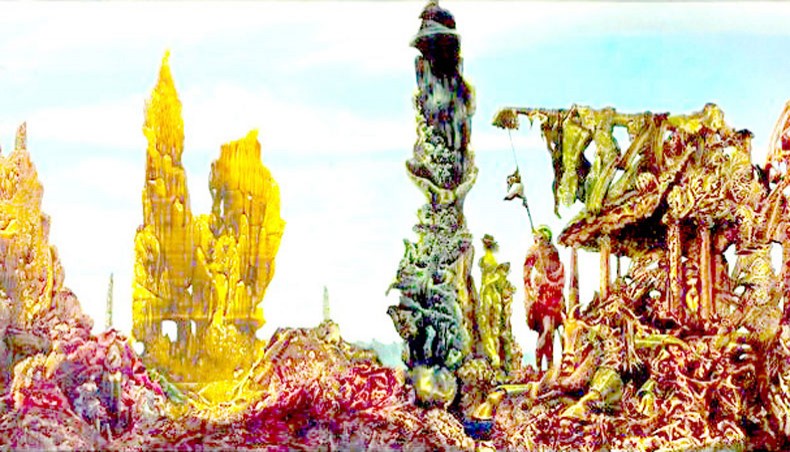
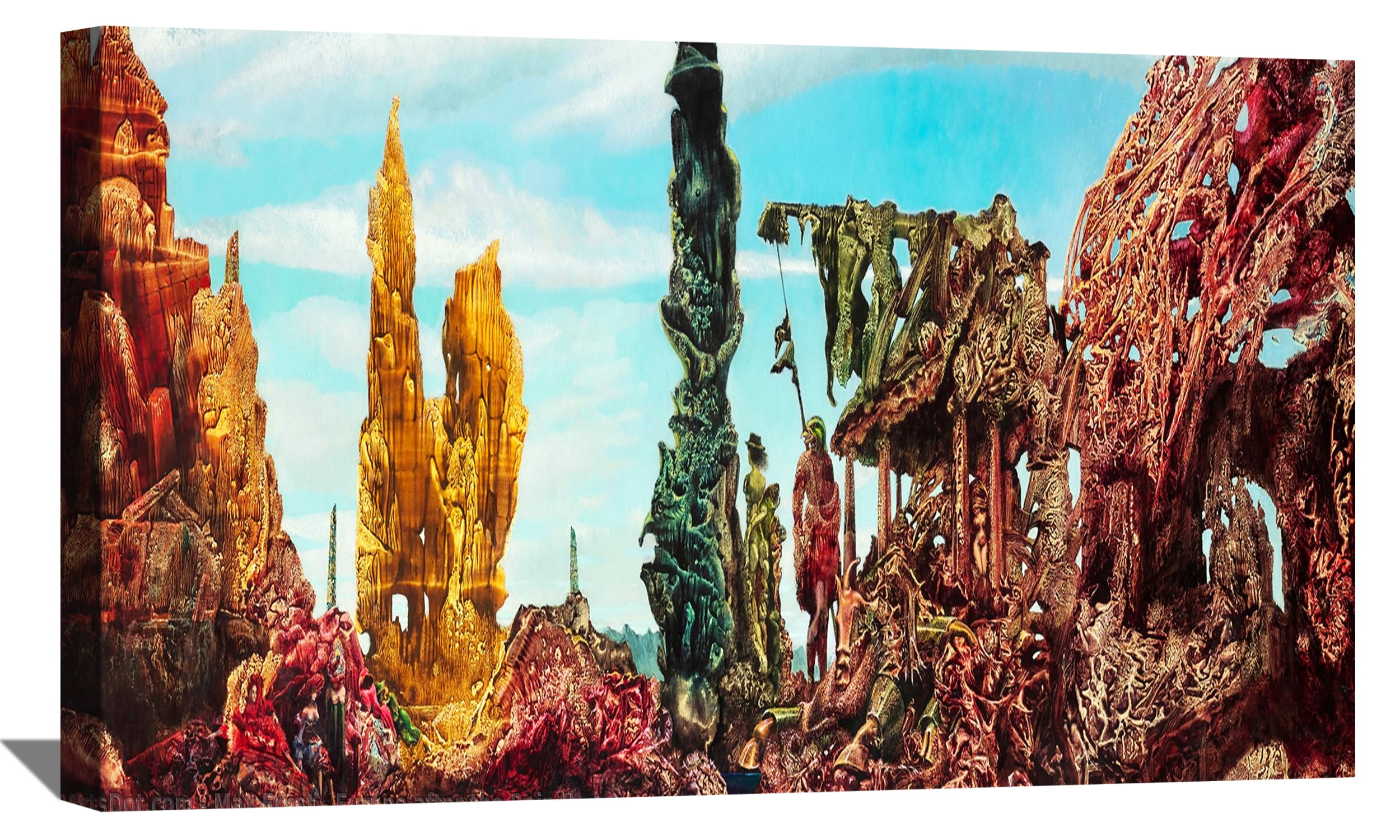
Europe's relationship with rain isn't just practical or psychological; it's deeply ingrained in its culture. Think about all the art and literature that features rain as a central theme:
.jpg!Large.jpg)
Examples in Art
- Impressionist paintings: Monet, Renoir, Pissarro... these artists captured the fleeting beauty of rain-soaked streets and landscapes, using light and color to evoke a sense of atmosphere and emotion. Go check them out! Seriously, go now.
- Romantic landscapes: Think about the dramatic, almost theatrical, landscapes of Caspar David Friedrich. Rain, or the aftermath of rain, often features prominently, creating a sense of awe and sublime beauty.
Examples in Literature
- Shakespeare: "The rain it raineth every day," a melancholic reminder of life's hardships, is just one example of rain's symbolic power in his plays.
- Victorian novels: From the bleak moors of "Wuthering Heights" to the fog-shrouded streets of London in Dickens' novels, rain often serves as a metaphor for social injustice, emotional turmoil, and the challenges of modern life.
Rain isn't just weather; it's a symbol, a metaphor, a source of inspiration. It's woven into the very fabric of European culture.
Climate Change: A Threat to the Post-Rain Magic?
Okay, let's address the elephant in the room: climate change. The patterns of rainfall are changing across Europe, with some regions experiencing more frequent and intense droughts, while others are facing devastating floods. What does this mean for our "Europe after the rain" scenario?
The answer, unfortunately, is not pretty. Unpredictable weather patterns can disrupt agriculture, damage infrastructure, and exacerbate existing social and economic inequalities. The "magic" of a post-rain moment can quickly turn into a nightmare when followed by prolonged drought or catastrophic flooding.

We need to be mindful of the delicate balance between rain and its consequences. Sustainable water management, climate adaptation strategies, and a commitment to reducing greenhouse gas emissions are crucial to preserving the beauty and resilience of Europe – both before and after the rain.
Final Thoughts: Appreciating the Moment
So, what's the takeaway from all this? Well, it's this: the beauty of Europe after the rain is more than just a pretty picture. It's a reminder of the interconnectedness of nature, culture, and economy. It's a chance to appreciate the moment, to reflect on the past, and to look towards the future with a sense of hope and responsibility.
Next time you find yourself in Europe after a downpour, take a moment to soak it all in. Breathe in the fresh air, admire the glistening streets, and remember the power and beauty of this often-overlooked element. And maybe, just maybe, share a soggy stroopwafel with a pigeon. (Just kidding... mostly.)