Ok, confession time. I once confidently strolled into a Parisian bakery, ready to impress with my flawless French, and asked for "J'ai mangé un croissant". The poor baker just stared at me. Apparently, I had just informed him that I had, in the past, eaten a croissant. Which, technically true, but not quite what I was going for (I just wanted to buy one, folks!). That's when the horror of être versus avoir in the passé composé truly dawned on me. Ugh. Public humiliation, the best (and most painful) French lesson.
So, let's dive into this grammatical quirk that trips up even the most dedicated French learners (yes, even me after years of practice! Don't feel bad!). We're talking about choosing between être (to be) and avoir (to have) as your auxiliary verb when forming the passé composé. Sound scary? Don't worry, we'll break it down. Think of it as a puzzle, and we're about to find all the pieces. (And maybe grab a croissant afterward, just to heal the trauma.)
The Avoir Majority
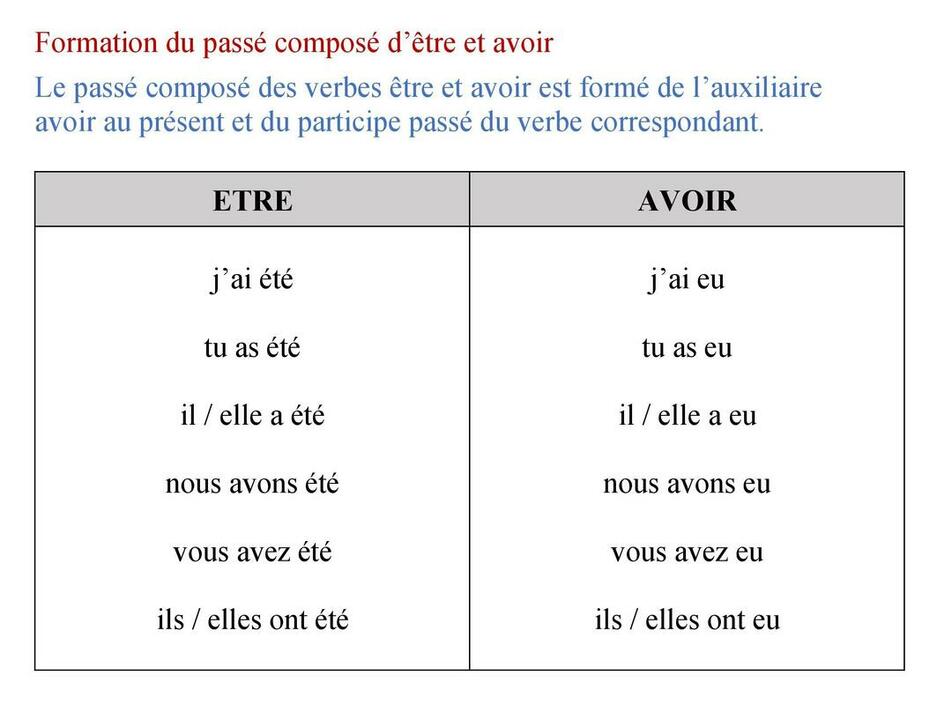
The good news is that most verbs use avoir in the passé composé. Like, a lot of them. Think of it as the default setting. If you're ever unsure, chances are avoir is your guy. See? Already feeling better, right?
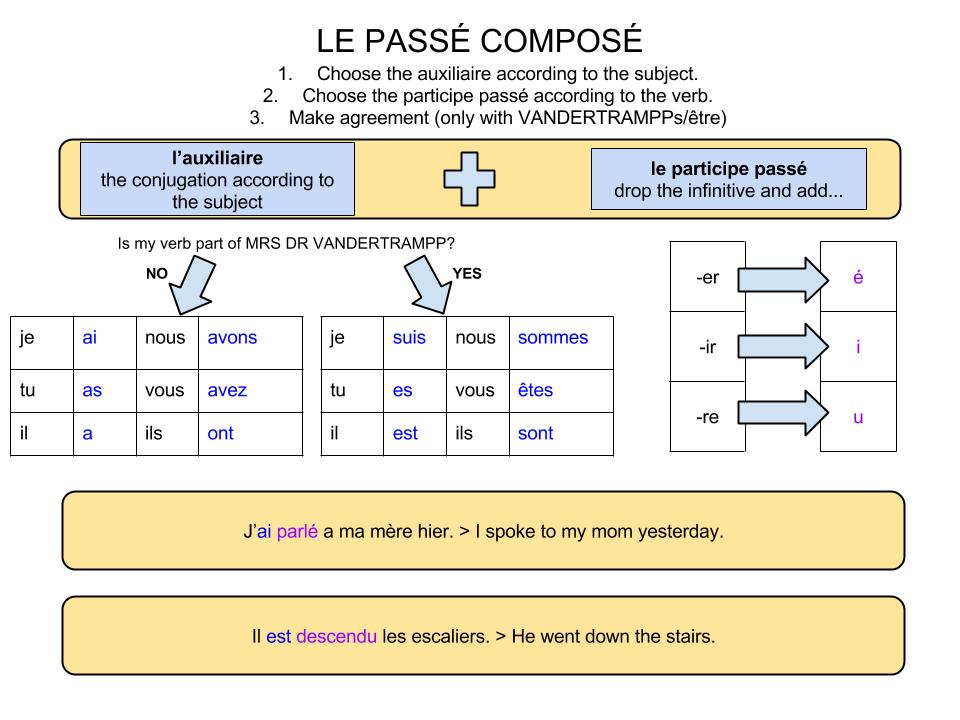
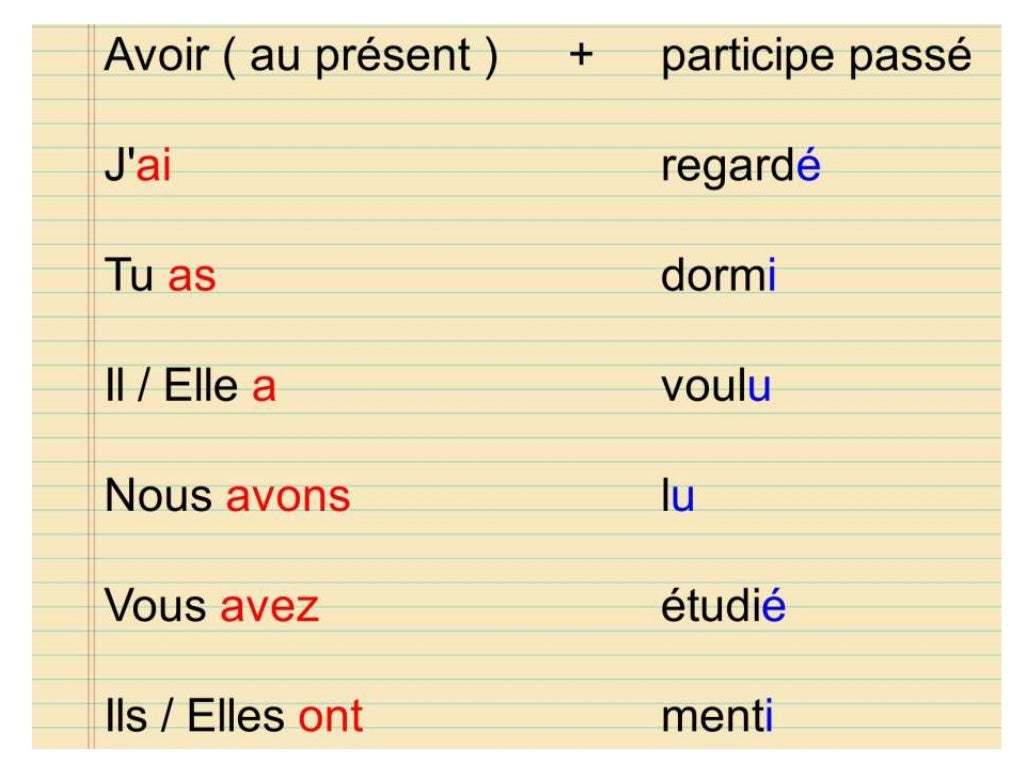
Here's the basic formula: Avoir (conjugated in the present tense) + past participle
Let's look at some examples:
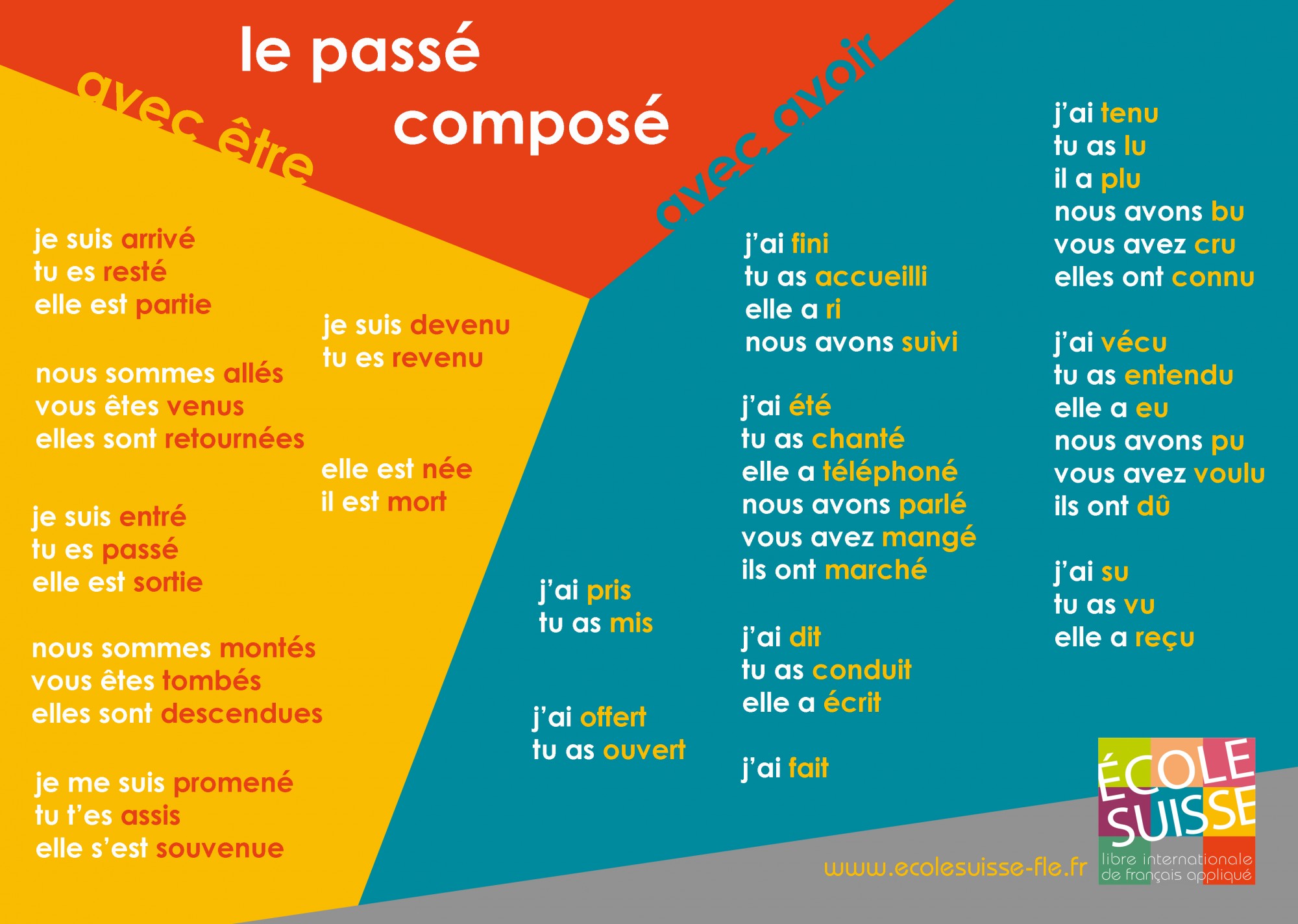
- J'ai mangé une pomme. (I ate an apple.) - Avoir + mangé (past participle of manger, to eat)
- Tu as vu ce film? (Did you see that movie?) - Avoir + vu (past participle of voir, to see)
- Il a fini ses devoirs. (He finished his homework.) - Avoir + fini (past participle of finir, to finish)
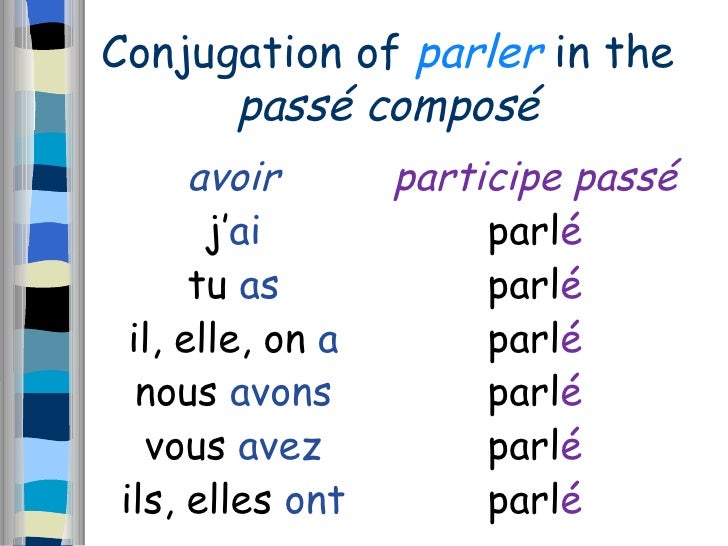
- Nous avons parlé français. (We spoke French.) - Avoir + parlé (past participle of parler, to speak)
- Vous avez visité Paris? (Did you visit Paris?) - Avoir + visité (past participle of visiter, to visit)
- Ils ont acheté une voiture. (They bought a car.) - Avoir + acheté (past participle of acheter, to buy)
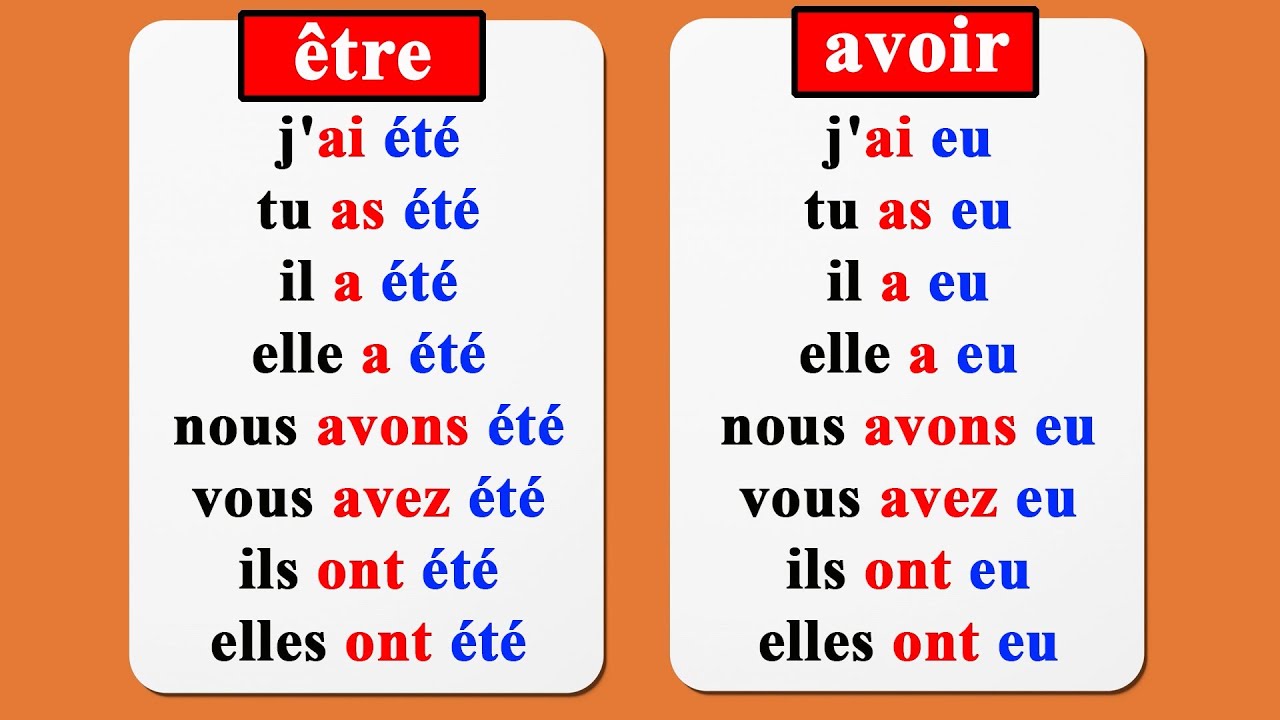
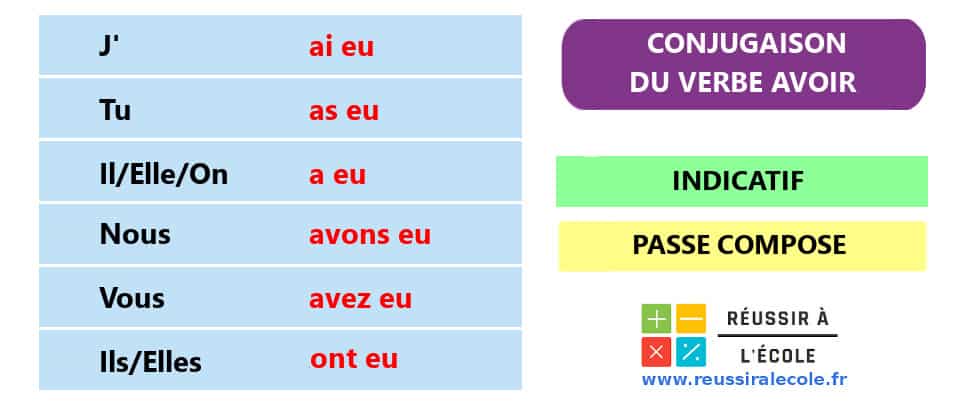
Pretty straightforward, right? Just conjugate avoir correctly (j'ai, tu as, il/elle/on a, nous avons, vous avez, ils/elles ont) and slap on the past participle of your verb. Easy peasy lemon squeezy!
The Mysterious Case of Être
Now for the fun part – the verbs that choose être instead of avoir. These are the exceptions to the rule, and memorizing them is key. But don't worry, there's a method to the madness. I promise! (Mostly.)
The House of Movement: The DR & MRS VANDERTRAMP Verbs
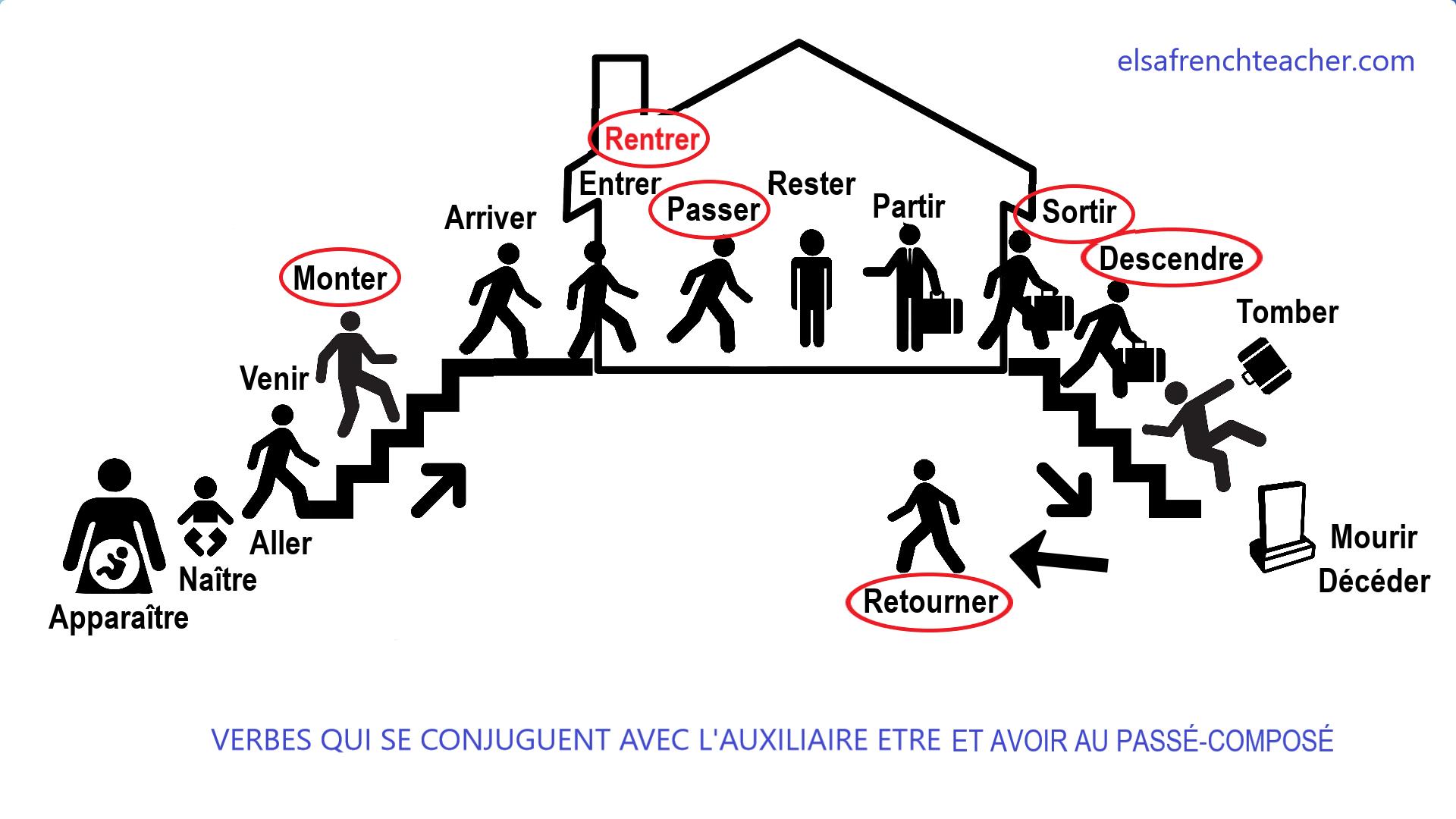
The most famous group of être verbs are those that describe motion or a change in state. And the best way to remember them? The acronym DR & MRS VANDERTRAMP! (Yes, it's a bit silly, but it works! Trust me.)
Each letter stands for a verb:
- Devenir (to become)
- Revenir (to come back)
- Monter (to go up)
- Rester (to stay)
- Sortir (to go out)
- Venir (to come)
- Aller (to go)
- Naître (to be born)
- Descendre (to go down)
- Entrer (to enter)
- Rentrer (to re-enter)
- Tomber (to fall)
- Retourner (to return)
- Arriver (to arrive)
- Mourir (to die)
- Partir (to leave)
So, for example:

- Je suis allé(e) au cinéma. (I went to the cinema.) - Être + allé(e) (past participle of aller)
- Elle est partie en vacances. (She left on vacation.) - Être + partie (past participle of partir)
- Nous sommes arrivés en retard. (We arrived late.) - Être + arrivés (past participle of arriver)
Important Note: Notice the (e) after allé? And the s after arrivés? This is because when you use être, the past participle must agree in gender and number with the subject! If the subject is feminine, add an "e". If it's plural, add an "s". If it's feminine plural, add "es". This is crucial! (And another reason why être can be a bit of a headache.)
For example:
- Il est allé (He went - masculine singular)
- Elle est allée (She went - feminine singular)
- Ils sont allés (They went - masculine plural)
- Elles sont allées (They went - feminine plural)
Reflexive Verbs: Mirror, Mirror on the Wall...
Another group of verbs that use être are reflexive verbs. These are verbs where the action is performed by the subject on themselves. They're easily identifiable because they're preceded by a reflexive pronoun (me, te, se, nous, vous, se).
Examples of reflexive verbs include: se laver (to wash oneself), se réveiller (to wake up), se coucher (to go to bed), s'habiller (to get dressed), se maquiller (to put on makeup).
The formula looks like this: Reflexive Pronoun + Être (conjugated in the present tense) + past participle
Here are some examples:
- Je me suis lavé(e) les mains. (I washed my hands.) - Me + suis + lavé(e)
- Tu t'es réveillé(e) tôt. (You woke up early.) - Te + es + réveillé(e)
- Elle s'est couchée à 22h. (She went to bed at 10 PM.) - Se + est + couchée
- Nous nous sommes habillé(e)s en bleu. (We got dressed in blue.) - Nous + sommes + habillé(e)s
- Vous vous êtes maquillé(e)(s) pour la fête. (You put on makeup for the party.) - Vous + êtes + maquillé(e)(s)
- Ils se sont disputés. (They argued.) - Se + sont + disputés
Again, remember that the past participle agrees in gender and number with the subject when using être! (Are you starting to see why this is tricky?)

Exceptions to the Rule (Because Why Not?)
Of course, French grammar wouldn't be French grammar without a few exceptions to the exceptions! Some verbs that are normally associated with movement or change in state can take avoir if they're used in a transitive way (meaning they have a direct object).
For example:
- Je suis descendu(e) les escaliers. (I went down the stairs. - Être, intransitive)
- J'ai descendu les valises. (I took the suitcases down. - Avoir, transitive)
In the first sentence, "les escaliers" is not a direct object; it specifies where I went down. In the second sentence, "les valises" is the direct object of the verb descendre. Tricky, right? This is where a good grammar book (or a patient French teacher!) comes in handy.
Tips and Tricks for Mastering Être vs. Avoir
- Memorize DR & MRS VANDERTRAMP. Seriously, it's your best friend.
- Practice, practice, practice! The more you use these verbs in context, the more natural it will become.
- Don't be afraid to make mistakes. (See my croissant story above!) Mistakes are part of the learning process.
- Pay attention to agreement! Remember to make the past participle agree in gender and number with the subject when using être.
- Use online resources and exercises. There are tons of helpful websites and apps that can help you practice.
- Find a language partner or tutor. Talking with a native speaker is a great way to improve your understanding and fluency.
So, there you have it! A (hopefully) not-too-scary guide to using être and avoir in the passé composé. It might seem daunting at first, but with a little practice and perseverance, you'll be mastering this grammatical concept in no time. Now go forth and conquer the French language! (And maybe treat yourself to a croissant. You deserve it!) And hey, if you accidentally say "J'ai mangé" instead of "Je voudrais," don't sweat it. We've all been there. Bonne chance! (Good luck!)