Okay, picture this: I'm cleaning out my grandma's attic. Dust bunnies the size of small dogs, moth-eaten hats... and then I stumble upon a massive box. Inside? A collection of floppy disks, meticulously labeled. My first thought? "Seriously? What are these antique coasters?" My second thought? "Wow, storage has come a long way." Which got me thinking... let's take a trip down memory lane, shall we? A chronological pilgrimage, if you will, through the ages of data storage.
From Cave Paintings to Cloud Servers: A Storage Odyssey
We're talking serious history here. Forget USB drives; we're going back to the dawn of information recording. Before binary code, before electricity, even before the printing press… you get the idea.
The Stone Age: Rock Solid Storage (Literally!)
Okay, so it's not exactly "high-tech", but cave paintings and petroglyphs were the OG data storage. Think about it: important information about hunting, rituals, star charts... all etched into rock for future generations. Pretty durable, right? Try deleting that with a bad software update. (Good luck trying to get your photos of that new rock art onto instagram.)
- Pros: Incredibly durable, cheap (if you have a rock and a sharp object).
- Cons: Low storage capacity, slow write speed (chiseling takes time!), difficult to update.
The Ancient World: Papyrus and Clay Tablets
Moving on, we get into slightly more sophisticated methods. Papyrus in Egypt, clay tablets in Mesopotamia. These were major advancements! Portable (well, relatively) and easier to write on than stone. Imagine the libraries of Alexandria, filled with scrolls. That was the "cloud" of its day! (Except less likely to be taken down for violating terms of service.)
- Pros: More portable than stone, faster to write on.
- Cons: Still relatively bulky, susceptible to damage (fire, water, grumpy librarians).
The Middle Ages: Parchment and the Power of the Quill
Parchment, made from animal skin, became the dominant writing material in Europe. More durable and smoother than papyrus, it allowed for beautiful illuminated manuscripts. Think of the Book of Kells, a masterpiece of art and information storage. Handwritten, painstakingly decorated, and built to last (hopefully, for a very long time!). (Think of the cloud services of the day, such as the many monks copying and distributing books across Europe!)

- Pros: More durable than papyrus, smoother writing surface.
- Cons: Expensive to produce, still vulnerable to damage.
The Printing Revolution: Gutenberg and the Rise of Mass Storage
The printing press, invented by Gutenberg, was a game changer. Suddenly, information could be replicated quickly and cheaply. Books became more accessible, leading to an explosion of knowledge. It was like the internet, but with ink and paper. (And less cat videos. Probably.)
- Pros: Mass production of information, lower cost per unit.
- Cons: Still bulky, requires physical storage space.
The 19th Century: Punch Cards and the Dawn of Automation
Enter the punch card! Used in early mechanical looms and later in computers, these cards stored data in the form of holes. It was a binary system, long before computers became mainstream. Imagine a room full of clattering machines, controlled by carefully punched pieces of cardboard. That was the future! (At least until someone spilled coffee on the punch cards.)
- Pros: Machine-readable, relatively compact for the time.
- Cons: Limited storage capacity, prone to damage, one-use (can't rewrite them).
The Mid-20th Century: Magnetic Tape and the Age of Analog
Magnetic tape revolutionized data storage. Used in computers and audio recording, it allowed for relatively large amounts of data to be stored on a spool of tape. Remember those old reel-to-reel tape recorders? That was serious storage power back in the day. (Before anyone thought of putting it on a cassette!)
- Pros: High storage capacity (for the time), relatively cheap.
- Cons: Slow access time (linear access), susceptible to degradation.
The Late 20th Century: Floppy Disks, Hard Drives, and CDs
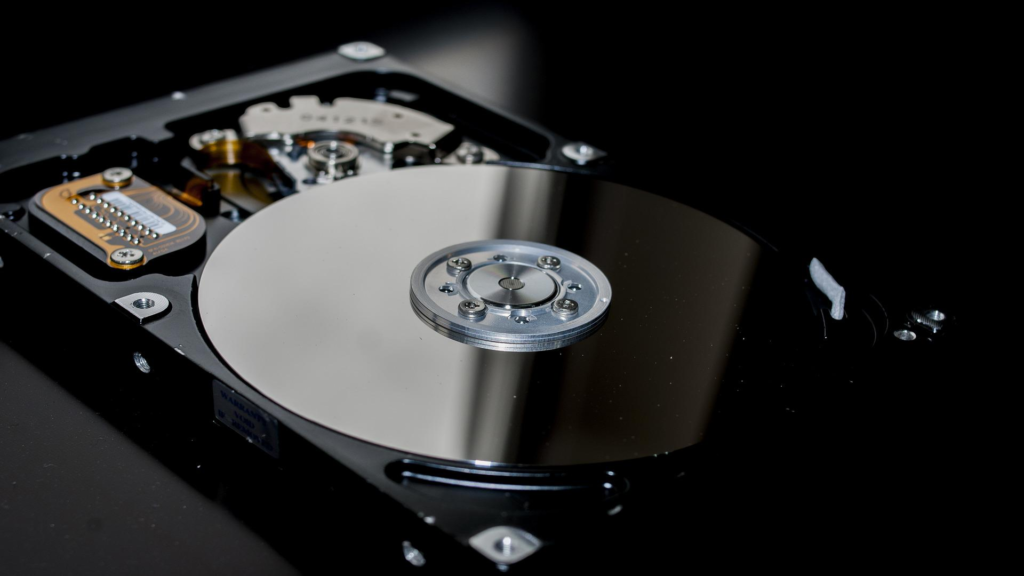
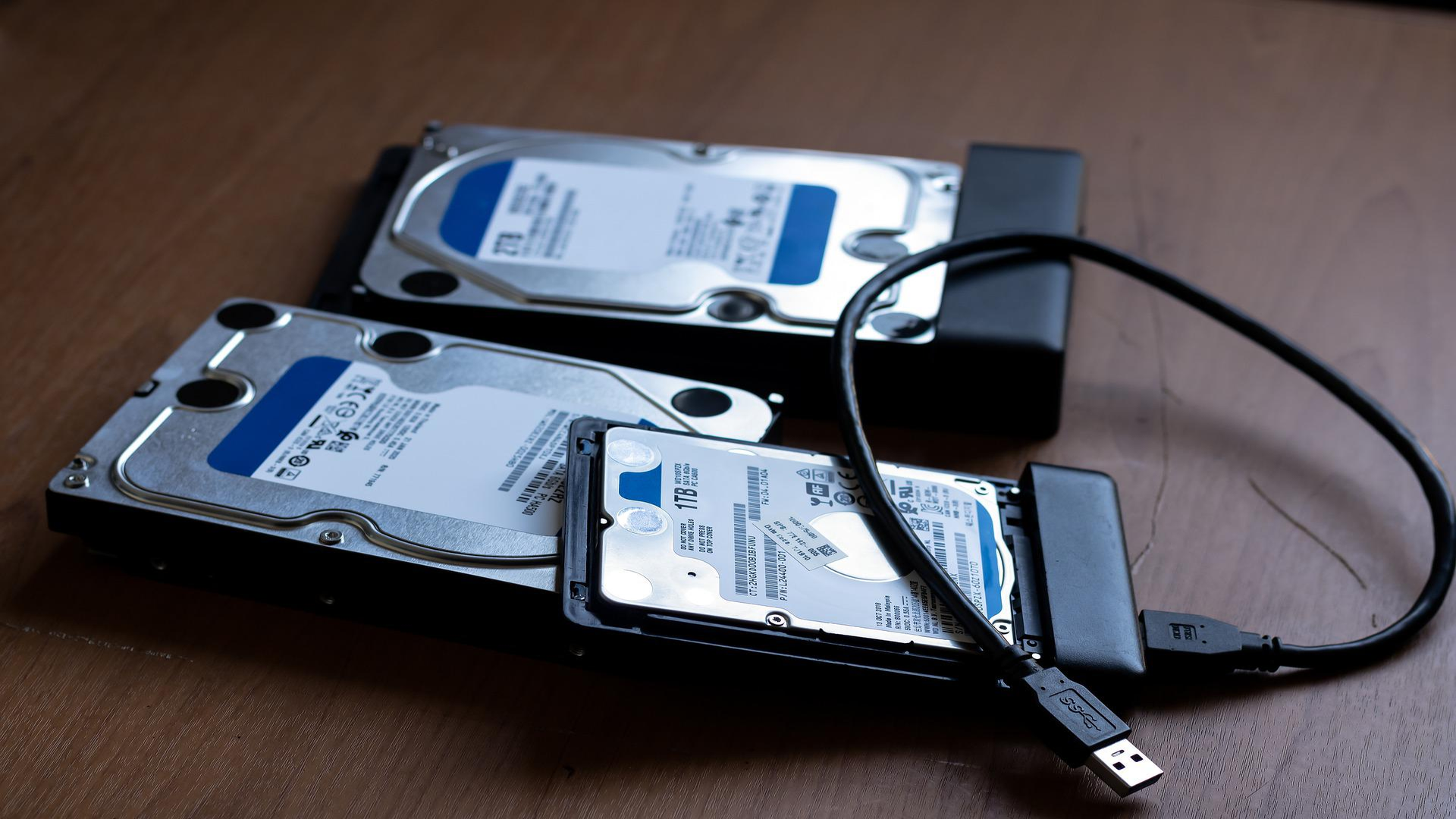
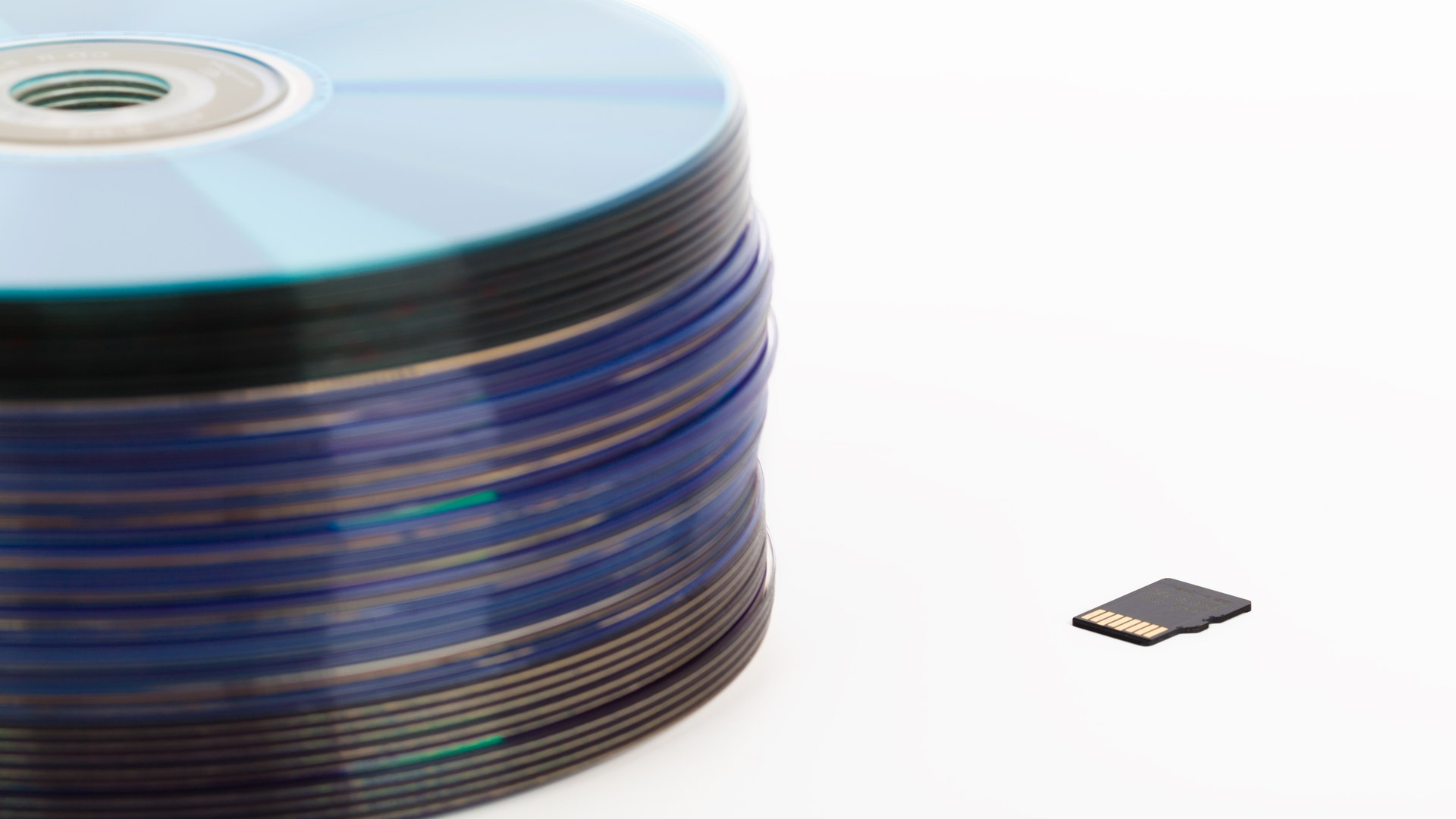
Ah, the floppy disk! 5.25-inch, 3.5-inch... these were the icons of early computing. Remember the satisfying clunk as you inserted one into your computer? And the fear of getting a "disk error"? Good times! Alongside floppy disks came hard drives, offering significantly more storage space. Then, the CD arrived, bringing music and software to a new level of accessibility. (Did anyone even know how to rewind a cassette without a pen?)
- Floppy Disks Pros: Portable, relatively inexpensive.
- Floppy Disks Cons: Low storage capacity, unreliable, easily damaged.
- Hard Drives Pros: High storage capacity, faster access time.
- Hard Drives Cons: Less portable, more expensive.
- CDs Pros: High storage capacity, durable.
- CDs Cons: Read-only (initially), susceptible to scratches.
The 21st Century: USB Drives, SSDs, and the Cloud
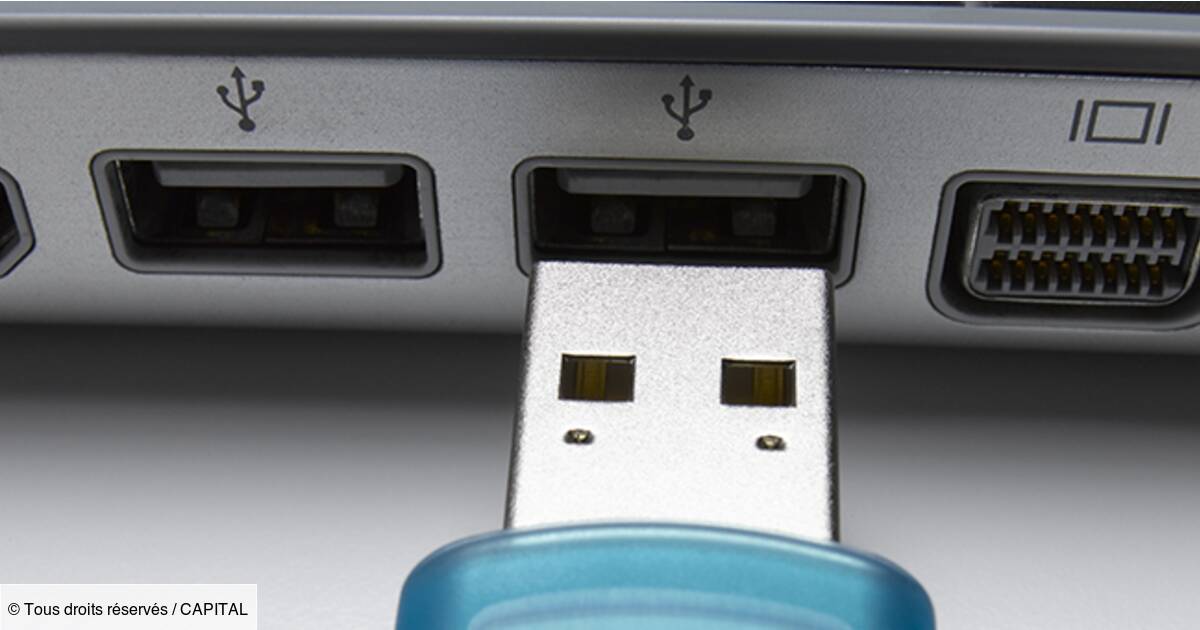
The USB drive, or thumb drive, revolutionized portability. Small, convenient, and with ever-increasing storage capacity. Then came SSDs (Solid State Drives), offering speed and reliability. But the biggest game changer? The cloud. Storing data on remote servers, accessible from anywhere with an internet connection. It's like having a giant, invisible hard drive in the sky. (As long as you have a wifi connection, of course.)
- USB Drives Pros: Extremely portable, high storage capacity, relatively inexpensive.
- USB Drives Cons: Can be lost easily, susceptible to viruses.
- SSDs Pros: Very fast access time, durable, reliable.
- SSDs Cons: More expensive than traditional hard drives.
- The Cloud Pros: Accessible from anywhere, scalable storage capacity, backup and redundancy.
- The Cloud Cons: Requires internet connection, security concerns, dependence on third-party providers.
What's Next? The Future of Data Storage
Who knows what the future holds? Holographic storage? DNA storage? Quantum storage? One thing is certain: our need for data storage will only continue to grow. (Maybe grandma's attic will be filled with something even crazier in 50 years.)
So, the next time you're backing up your photos to the cloud, take a moment to appreciate the journey we've taken from cave paintings to gigabytes. It's a pretty amazing story, wouldn't you agree?