Okay, imagine this: you're sipping your café au lait on a sunny Parisian morning, croissant in hand, scrolling through Instagram. Life is belle. Then, BAM! A notification from the gendarmerie pops up. It's a Convocation. Your first thought? Probably something along the lines of "Oh mon Dieu, what did I do?!" Trust me, been there (okay, maybe not exactly the gendarmerie part, but I've had my fair share of official-looking envelopes that induced mini heart attacks!).
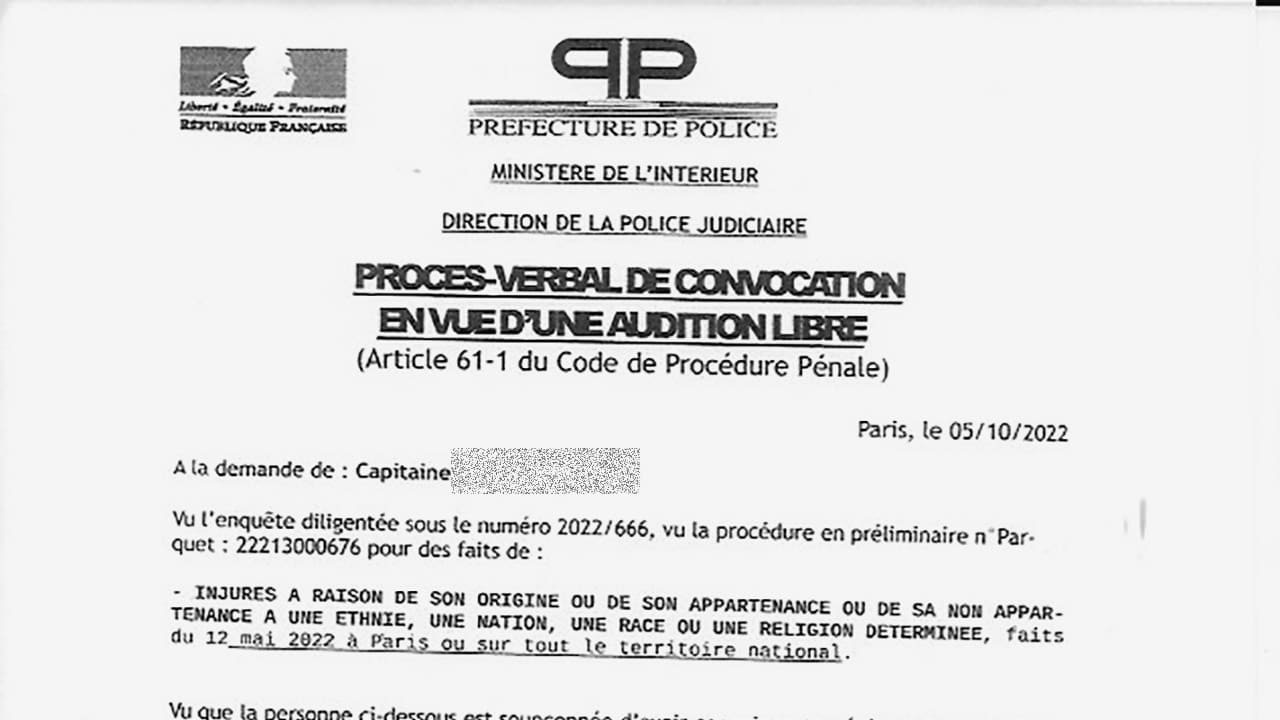
That's the gut reaction most people have when they receive anything remotely resembling legal jargon. But let’s unpack this beast of bureaucratic language: Enquête Préliminaire – Procès-Verbal de Convocation en Vue d'une Audition. Sounds terrifying, doesn’t it? It’s really not that bad. Let's break it down, step by step. And maybe grab another croissant while we're at it. You deserve it.
Decoding the Mystery: What Does It All Mean?
Alright, so the whole thing translates, roughly, to "Preliminary Investigation – Report of Summons for a Hearing." Let's dissect each part:
- Enquête Préliminaire: This is the preliminary investigation. Think of it as the police doing some initial digging. They're sniffing around, trying to figure out if there's actually a crime that needs further investigation. It’s not necessarily a full-blown, sirens-blaring investigation just yet. It's more like a "let's see if there's any smoke" situation.
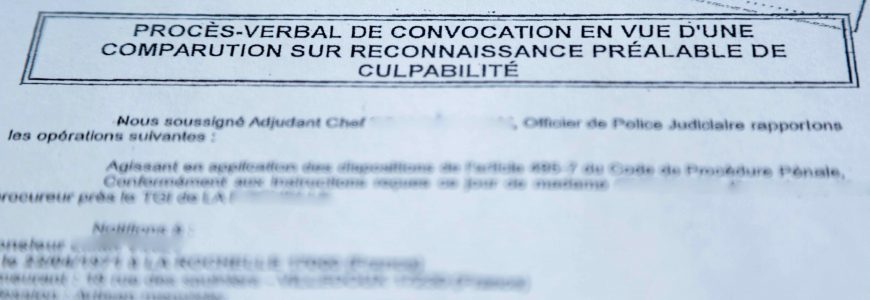
- Procès-Verbal: This translates to "report" or "official record." It's basically the document that proves you received the Convocation. Think of it like a receipt – they have to document that they sent it to you and that you (presumably) received it. (Side note: Ignoring it won't make it disappear, just saying!)
- De Convocation: This means "of summons" or "of calling together." It's the invitation to come chat. A rather formal invitation, granted, but an invitation nonetheless.
- En Vue d'une Audition: This phrase is the crucial part. It means "for the purpose of a hearing" or "with a view to an interview." Audition here doesn't mean singing and dancing (phew!). It refers to being interviewed by the police or other authorities.
So, putting it all together: "Preliminary Investigation - Report of Summons for a Hearing" tells you that you're being called in for an interview as part of a preliminary investigation. It's the police's official record that they've asked you to come in.
Why Me? (and What Should I Do?)
Now, the million-dollar question: why are you being summoned? There could be a multitude of reasons. You could be:

- A witness to a crime. (Hopefully not the perpetrator!)
- A person of interest (this doesn't necessarily mean you're a suspect, but they think you might have information relevant to the investigation).
- Involved, however indirectly, in something that has caught the attention of the authorities.
- Maybe there’s a case of mistaken identity! It happens!
Whatever the reason, here's what you should do:
- Read the Convocation carefully. Seriously, read it thoroughly. It will tell you:
- The date and time of the audition. Don’t be late! Punctuality is key, especially when dealing with the legal system.
- The location of the audition. Make sure you know how to get there.
- The reason for the audition (usually a brief summary, but enough to give you an idea). This is REALLY important!
- Whether you're required to bring any documents.
- The name and contact information of the officer in charge.
- Don't panic! Easier said than done, I know. But freaking out won’t help. Take a deep breath and proceed logically.
- Seek legal advice. This is crucial. Even if you believe you have nothing to hide, it's always a good idea to consult with a lawyer. A lawyer can advise you on your rights, prepare you for the audition, and even accompany you. Consider it an investment in your peace of mind. Think of it as having a French-speaking bodyguard in the legal jungle.
- Prepare for the audition. Think about what you might be asked. Review any relevant documents or events. If you're a witness, refresh your memory of what you saw or heard. If you’re accused of something, prepare your alibi and gather any supporting evidence.
- Attend the audition with your lawyer (if you have one). Be polite, respectful, and truthful. Don't speculate or guess. If you don't know the answer to a question, say so. Remember, everything you say can be used against you.
Rights, Rights, and More Rights!
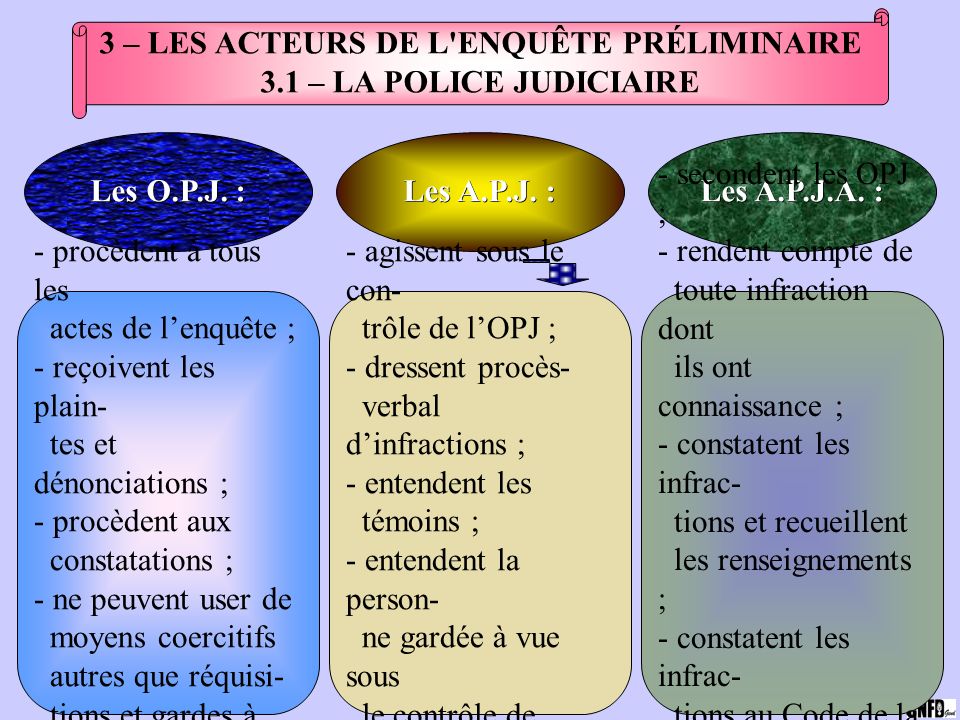
It's important to remember that you have rights, even during a preliminary investigation. In France, these include:

- The right to remain silent (although in practice, this might be interpreted negatively, which is why legal advice is essential).
- The right to a lawyer (as mentioned above, this is highly recommended).
- The right to be informed of the charges against you (if any).
- The right to have an interpreter if you don't speak French fluently.
Knowing your rights is crucial. Don't be afraid to assert them. Remember, the police are there to investigate, but they are also bound by the law.
The Aftermath: What Happens Next?
After the audition, the police will review the information they've gathered. They may:

- Close the investigation if they find no evidence of wrongdoing.
- Continue the investigation and gather more evidence.
- Refer the case to the Procureur de la République (the public prosecutor), who will decide whether to file charges.
The process can take time, so be patient. Keep in contact with your lawyer and follow their advice. The key is to stay informed and proactive.
So, there you have it. The Enquête Préliminaire – Procès-Verbal de Convocation en Vue d'une Audition, demystified (hopefully!). It's not a pleasant experience to receive one of these, but understanding what it means and knowing your rights can make it a lot less scary. Now, back to that croissant… Bon courage!