Salut! Ça va? Today, let's chat about something super cool: Enluminures du Moyen Âge! Okay, I know, it sounds like something out of a dusty history book, but trust me, it's way more awesome than that. Think vibrant colors, tiny details, and stories brought to life. Basically, medieval Instagram... but, you know, on parchment.
What Exactly ARE Enluminures?
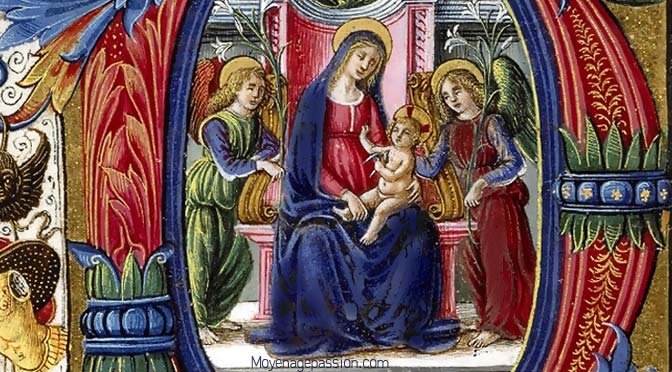
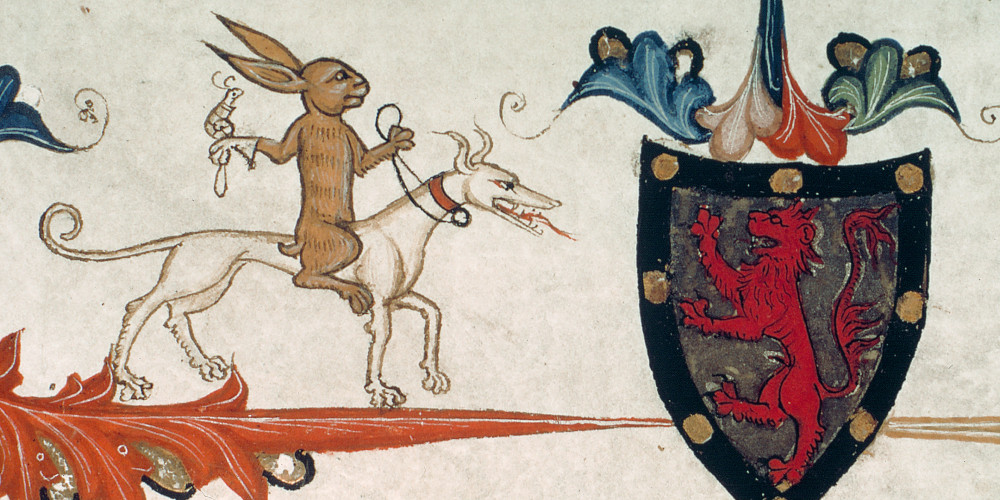
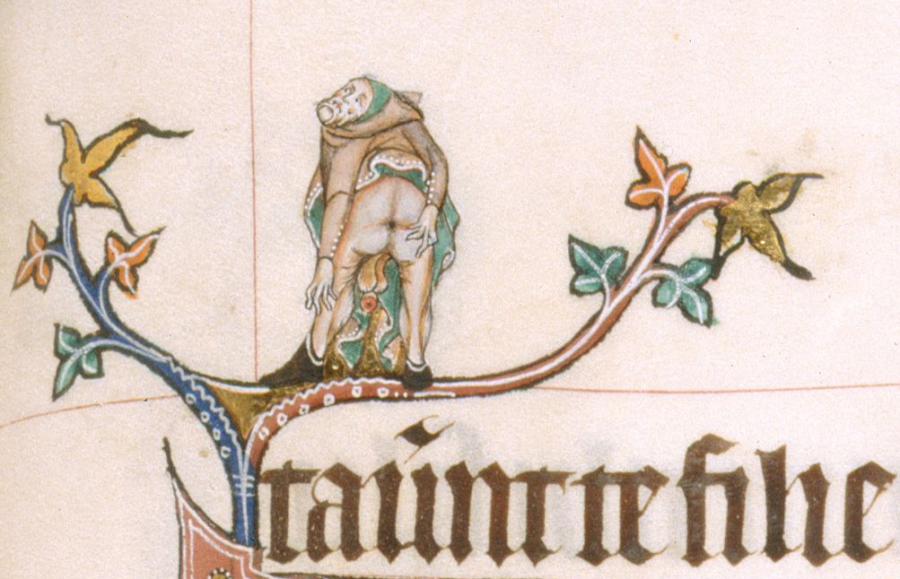
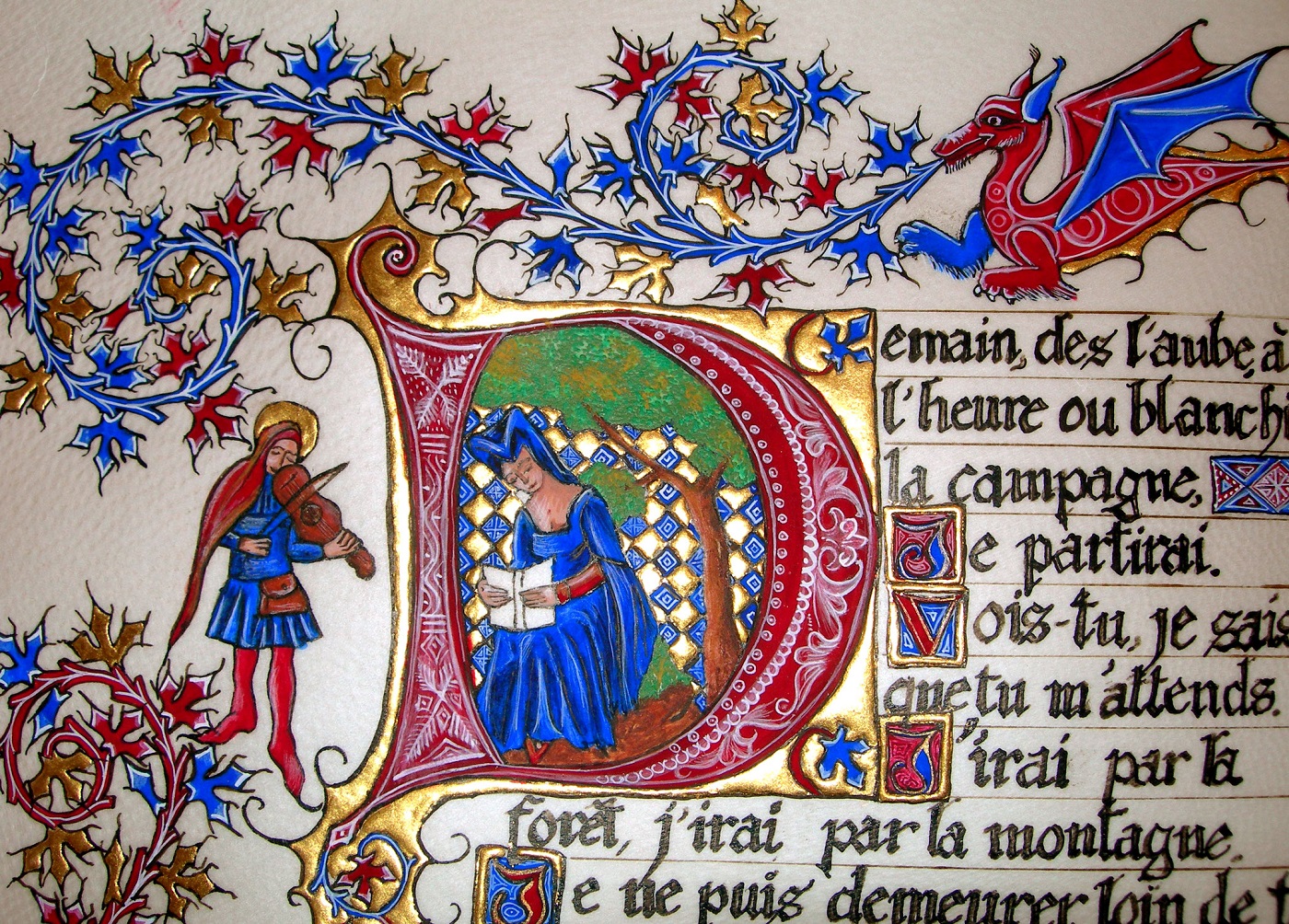
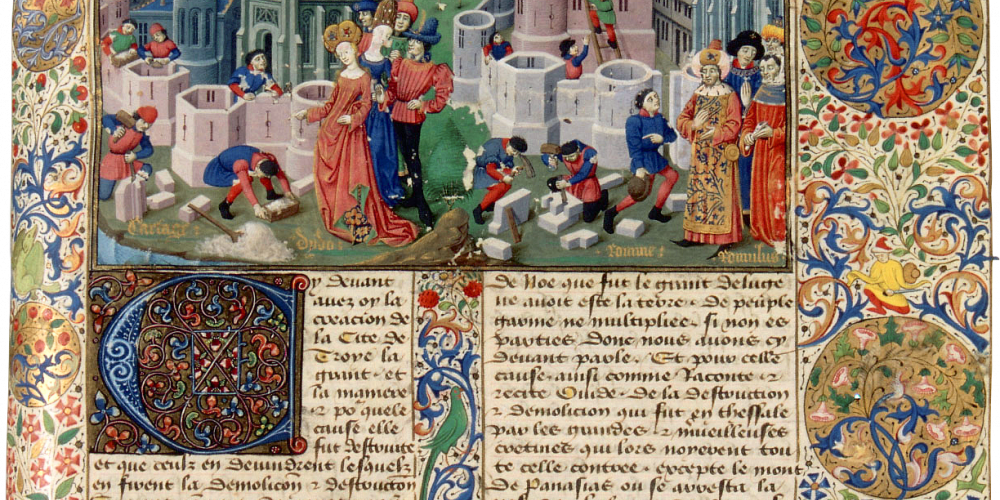
So, "enluminure"... fancy, right? It literally means "illumination" in French. And that's what they did! Imagine manuscripts – like books written by hand (because, duh, no printing press yet!). These weren't just filled with text. They were also decorated with elaborate pictures, borders, and even fancy lettering.
Think of it as the medieval equivalent of adding emojis and GIFs to your texts. Except, instead of using a tiny phone, they were using precious pigments, gold leaf, and a whole lot of patience. Seriously, can you imagine doing that for hours? I'd probably poke my eye out with the brush!
These weren't just doodles, though. They told stories, illustrated religious texts, depicted daily life, and generally made everything look absolutely fabulous. Think of them as visual storytelling, way before movies or even comic books!
Who Made These Masterpieces?
Good question! It wasn't just one guy sitting in his basement (though, I’m sure there were a few monks who preferred solitude!). Illumination was a team effort. We're talking about monks, nuns, and professional artists. They worked in workshops called scriptoria (plural: scriptorium, of course!). Imagine the hustle and bustle!
The monks, especially, often dedicated their lives to copying and decorating manuscripts. Talk about commitment! No Netflix binges for them. Just hours of meticulous work, fueled by faith and maybe a little bit of really bad coffee (or whatever the medieval equivalent was... beer, maybe?).
And the nuns? Oh, they were amazing! Some of the most intricate and beautiful illuminations were created by these incredibly talented women. They were often overlooked in history, but their work speaks for itself. Power to the medieval nuns!

The Materials: Glitter and Gold!
Okay, let's talk about the good stuff: the materials! What did they use to make these illuminations so vibrant and, well, luminous? Get ready for some medieval chemistry!
First up: parchment. This wasn't your average paper. It was made from animal skin (usually sheep, goat, or calf). Sounds a bit gross, maybe? But it was incredibly durable and provided a smooth surface for painting.
Then there were the pigments. These weren't just your run-of-the-mill watercolors. These were made from all sorts of things: plants, minerals, and even… insects! (Yep, some reds came from crushed bugs. Don’t think about it too much!). They used lapis lazuli for a breathtaking blue, malachite for green, and cinnabar for brilliant red.
And, of course, we can't forget the gold leaf! This wasn't just a sprinkle of glitter. This was actual, hammered gold, applied to the parchment to create a shimmering, almost divine effect. Imagine how expensive that was! Clearly, these books were for the rich and powerful (or the really, really dedicated monasteries).

They even used things like egg whites as a binder and gum arabic (from acacia trees) to make the paints adhere to the parchment. Seriously, it was like a medieval art class meets a science lab!
What Did They Illuminate?
So, what kind of books got the royal treatment? Well, pretty much anything important. But here are a few of the main categories:
- Bibles: Obviously! The Word of God deserved the best.
- Books of Hours: These were like personal prayer books, filled with prayers, psalms, and beautiful illustrations for each day of the year. Think of them as the medieval equivalent of a daily devotional app, but way more beautiful and less likely to drain your battery.
- Psalters: Collections of Psalms, often used in monastic services.
- Histories and Chronicles: Think of these as medieval biographies and historical accounts, illustrated with scenes from the lives of kings, saints, and other important figures.
- Scientific and Medical Texts: Even scientific and medical manuscripts got the illumination treatment! Can you imagine trying to learn about anatomy from a beautifully decorated (but probably slightly inaccurate) diagram?
Basically, anything that needed to be preserved, celebrated, or used for teaching got the full illumination treatment. It was a way of making knowledge beautiful and accessible, even to those who couldn't read.
Why Are Enluminures Important?
Okay, so they're pretty, but why should we care about them now? Well, for a bunch of reasons!
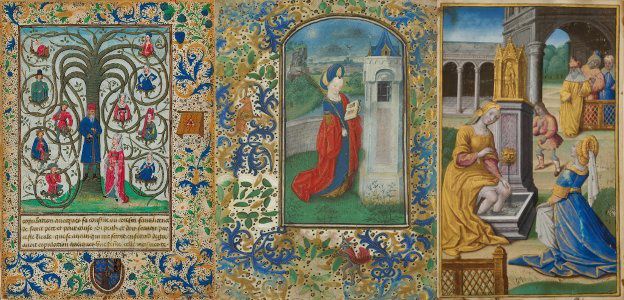
Firstly, they’re amazing works of art. Seriously, some of these illuminations are breathtaking in their detail and skill. They show us what medieval artists were capable of, and they’re just plain beautiful to look at.
Secondly, they give us insights into medieval life. They show us what people wore, what they ate, what they believed in, and how they lived their lives. It’s like peering into a time capsule from hundreds of years ago.
Thirdly, they’re important historical documents. They tell us about the history of the church, the history of art, and the history of ideas. They’re a vital source of information for historians and scholars.
And finally, they're just plain inspiring! They remind us that even in a time of hardship and uncertainty, people were capable of creating incredible beauty. That's a message that's still relevant today, don’t you think?
Where Can I See Them?
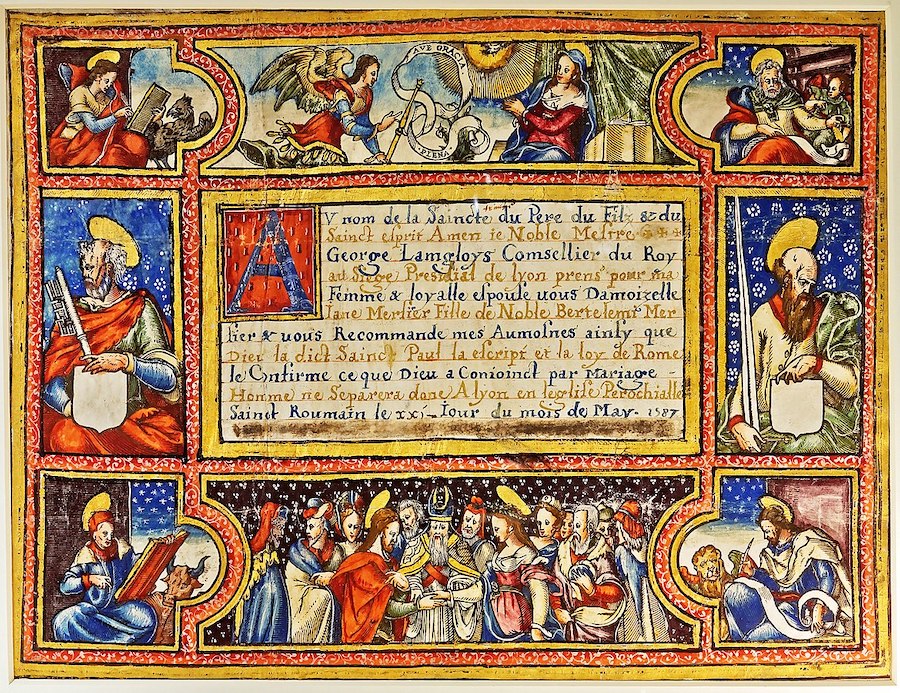
Intrigued? Want to see these beauties in person? Excellent! Many major museums and libraries have collections of illuminated manuscripts. Think the British Library in London, the Bibliothèque nationale de France in Paris, and the Metropolitan Museum of Art in New York. You can often find digitized versions online, too, which is great for zooming in on those tiny details.
Just be prepared to be amazed! These illuminations are truly stunning, and they're a testament to the skill, dedication, and artistry of the medieval artists who created them.
So, next time you’re feeling a bit bored, why not take a virtual trip to a medieval manuscript? You might just discover a whole new world of beauty and wonder. And who knows, maybe you’ll even be inspired to create your own modern-day illumination. (Okay, maybe not on parchment... but a cool digital illustration, perhaps?)
Alright, coffee's getting cold! À bientôt!
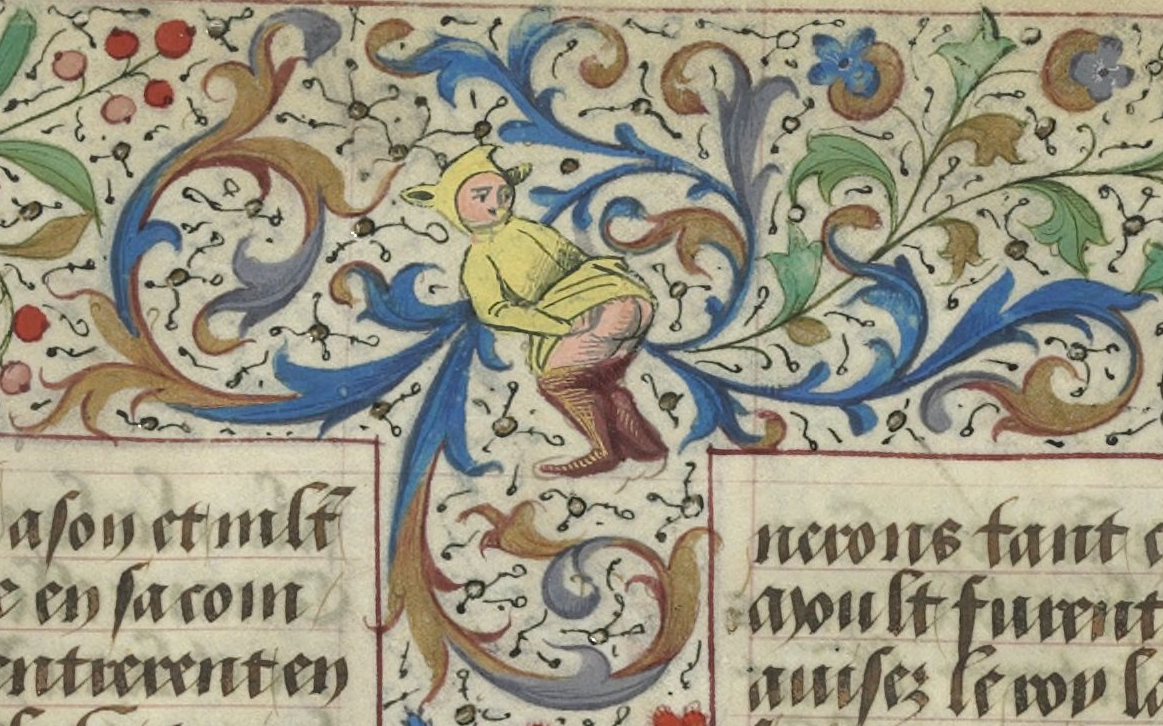

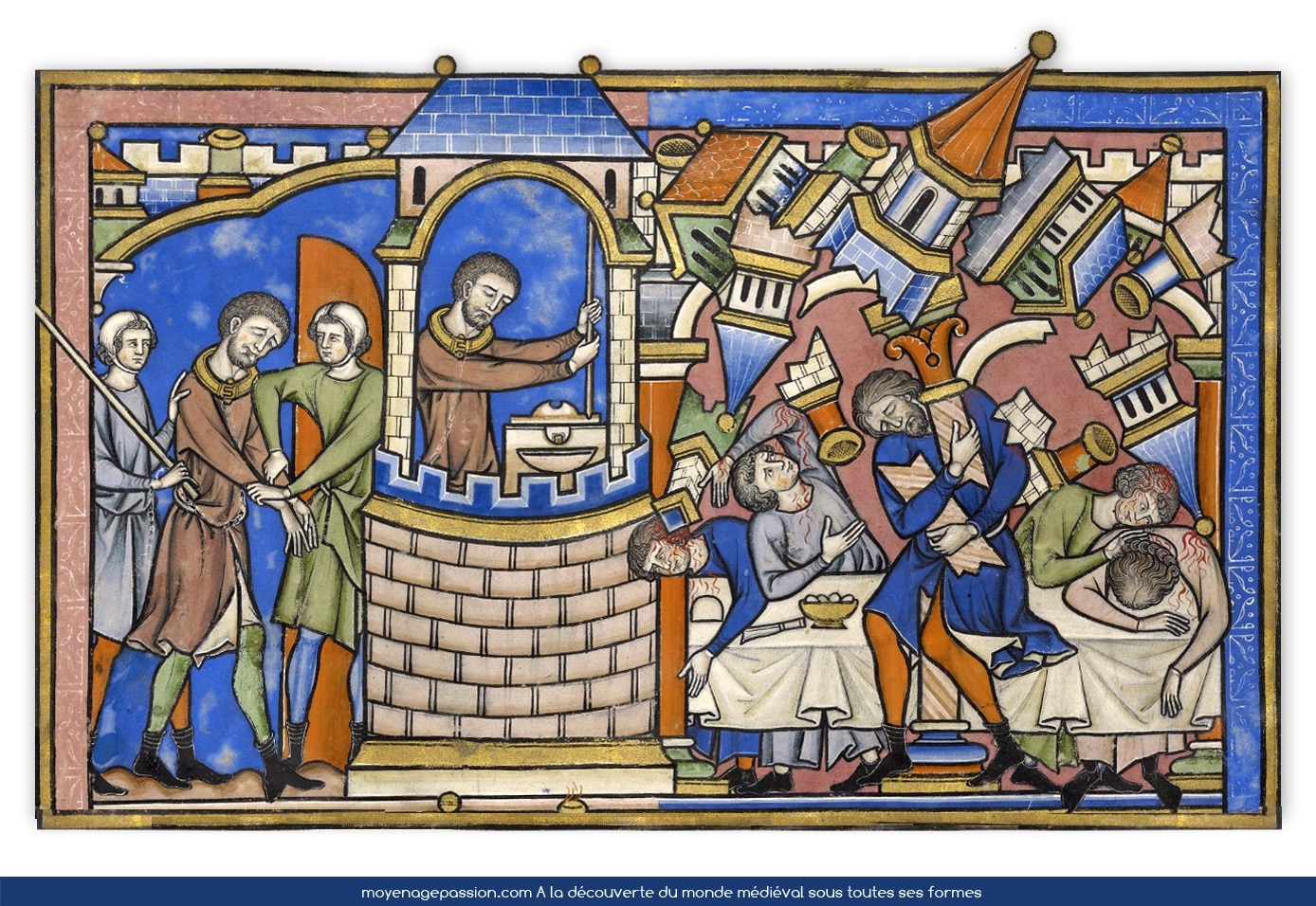
![Éléments d'ornementation pour l'enluminure. [Ensemble] Ornementation](https://pictures.abebooks.com/inventory/31236205805_4.jpg)