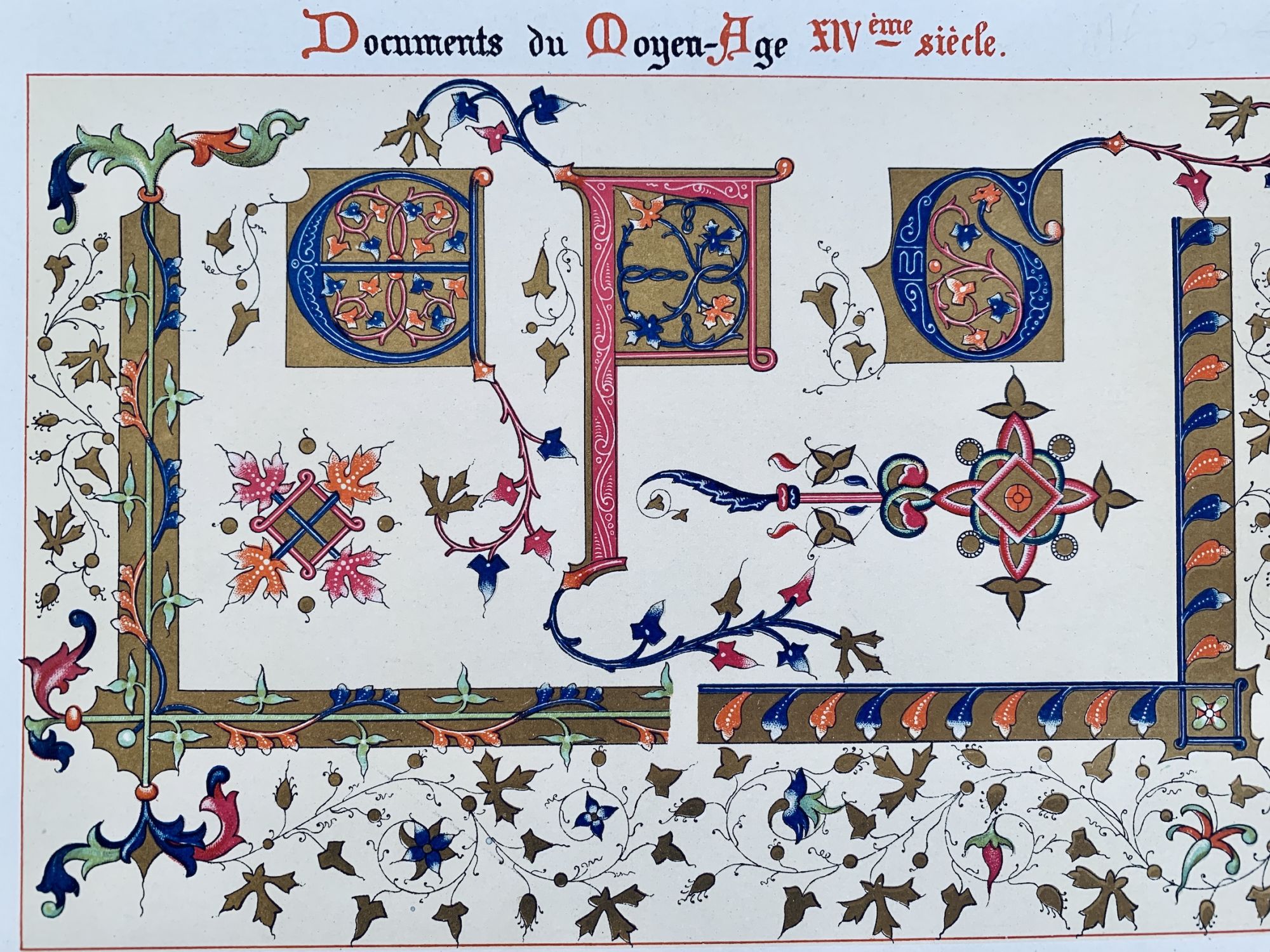
Salut! Ever felt the urge to doodle in your notes during a particularly boring meeting? Or maybe spent hours decorating your bullet journal with fancy lettering and tiny drawings? Well, you've got a little bit of a medieval illuminator in you, my friend! Because that's essentially what enluminure, or manuscript illumination, was all about. Think of it as the ancient equivalent of pimping your paper, but instead of glitter glue, they used gold leaf and vibrant pigments. Fancy, right?
Enluminure, c'est quoi exactement? Basically, it's the art of decorating manuscripts – mostly books, but also single sheets – with illustrations and ornate lettering. We're talking the Middle Ages here, from roughly the 4th century all the way up to the invention of printing in the 15th. Imagine a world without easily reproducible images. No Instagram. No cat videos on YouTube. Enluminure was the only way to visually jazz up a text. It was the bling of the book world!
Why bother decorating books anyway?
Good question! Back then, books weren't exactly mass-produced paperbacks. They were painstakingly handwritten, often on parchment (animal skin, believe it or not!). Think of it like crafting a bespoke, handmade item – you wouldn't just leave it plain, would you? No way! You'd want to add that extra je ne sais quoi to make it truly special.
Also, let's not forget that literacy wasn't exactly widespread. A beautiful illustration could help people understand the text, especially religious stories. Think of it as a medieval comic book, only way more stylish. Plus, for the wealthy patrons who commissioned these books, having an illuminated manuscript was a major status symbol. It screamed, "Hey, look at me! I'm rich and cultured!" It’s like having a limited edition designer bag – a sign you’ve made it.
The Cast of Characters: The Illuminator's Studio
Creating these masterpieces was no solo act. It was a whole team effort! Picture this: a bustling workshop, a bit like a medieval Etsy shop, filled with people meticulously working away. You'd have the scribe, painstakingly copying the text. Then there was the illuminator, the star of the show, responsible for the illustrations and decorative elements. And let's not forget the binder, who put it all together to create the final book. And, of course, the apprentice fetching snacks (probably bread and ale - very medieval!).
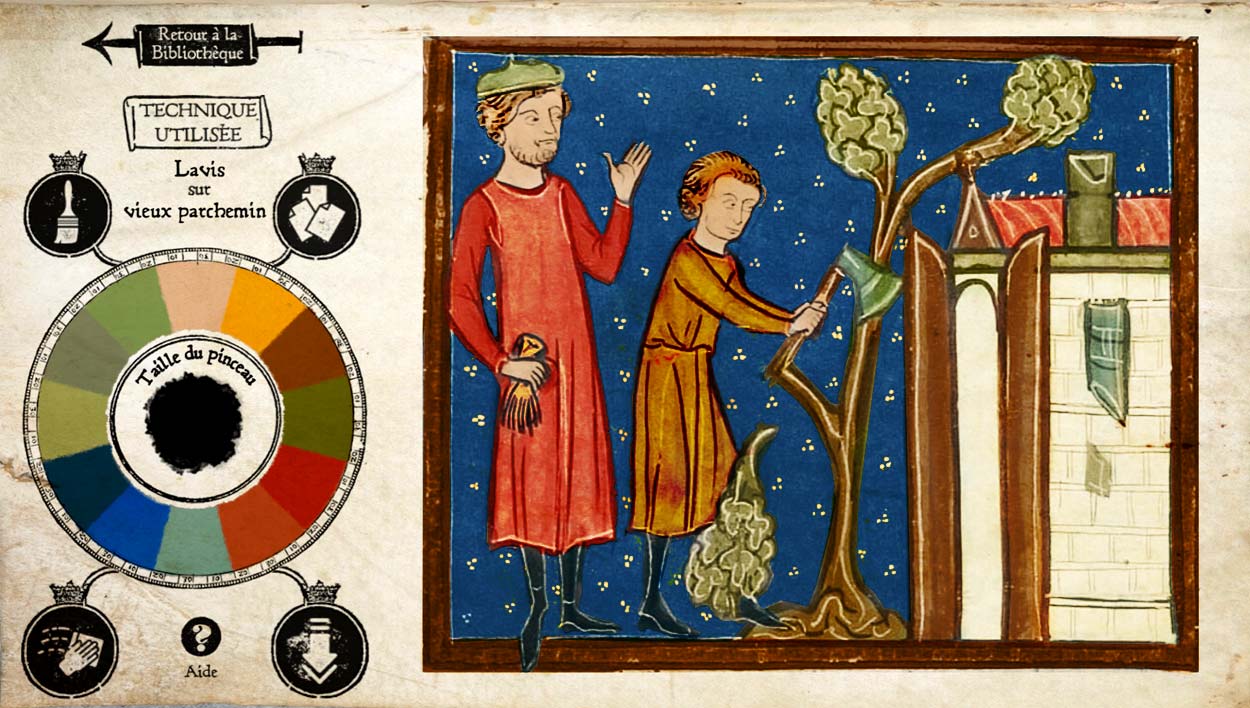
It was skilled labor, très cher! These artists were highly trained and often members of religious orders. They knew their stuff! They could create stunning images with incredible detail and vibrant colors. It was like the haute couture of the art world.
The Magic of Materials: Pigments and Gold Leaf, Oh My!
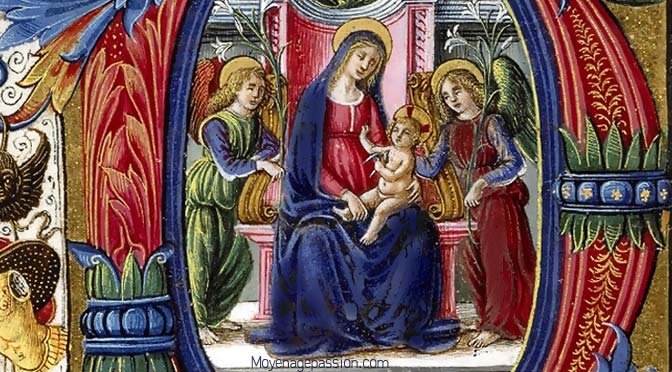
Now, let's talk about the materials! Forget your basic Crayola crayons. Medieval illuminators used pigments derived from all sorts of fascinating sources. Lapis lazuli, a semi-precious stone, was ground into a powder to create the brilliant blue we see in many illuminated manuscripts. It was incredibly expensive, almost as prized as gold! Other colors came from plants, insects (yes, insects!), and minerals. Imagine the medieval equivalent of ordering from a specialty art supply store, only way more complicated.
And then there's the gold leaf! That shimmering, luxurious gold that makes these manuscripts so special. It wasn't just for show, though it definitely added a touch of glam. Gold symbolized the divine, the eternal, and all things heavenly. Applying it was a delicate process, involving thin sheets of gold carefully burnished onto the parchment. It was like trying to apply a super-fragile sticker without any air bubbles – talk about stressful!
What did they actually paint?
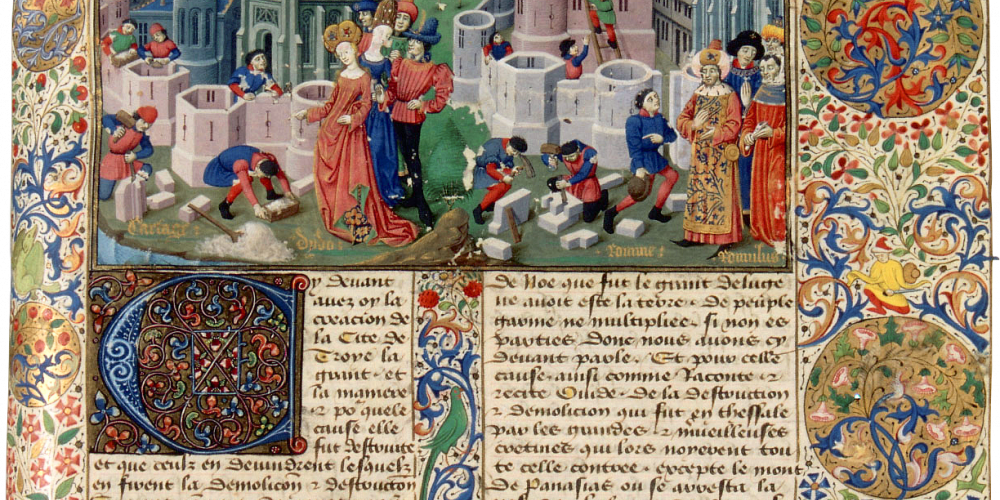
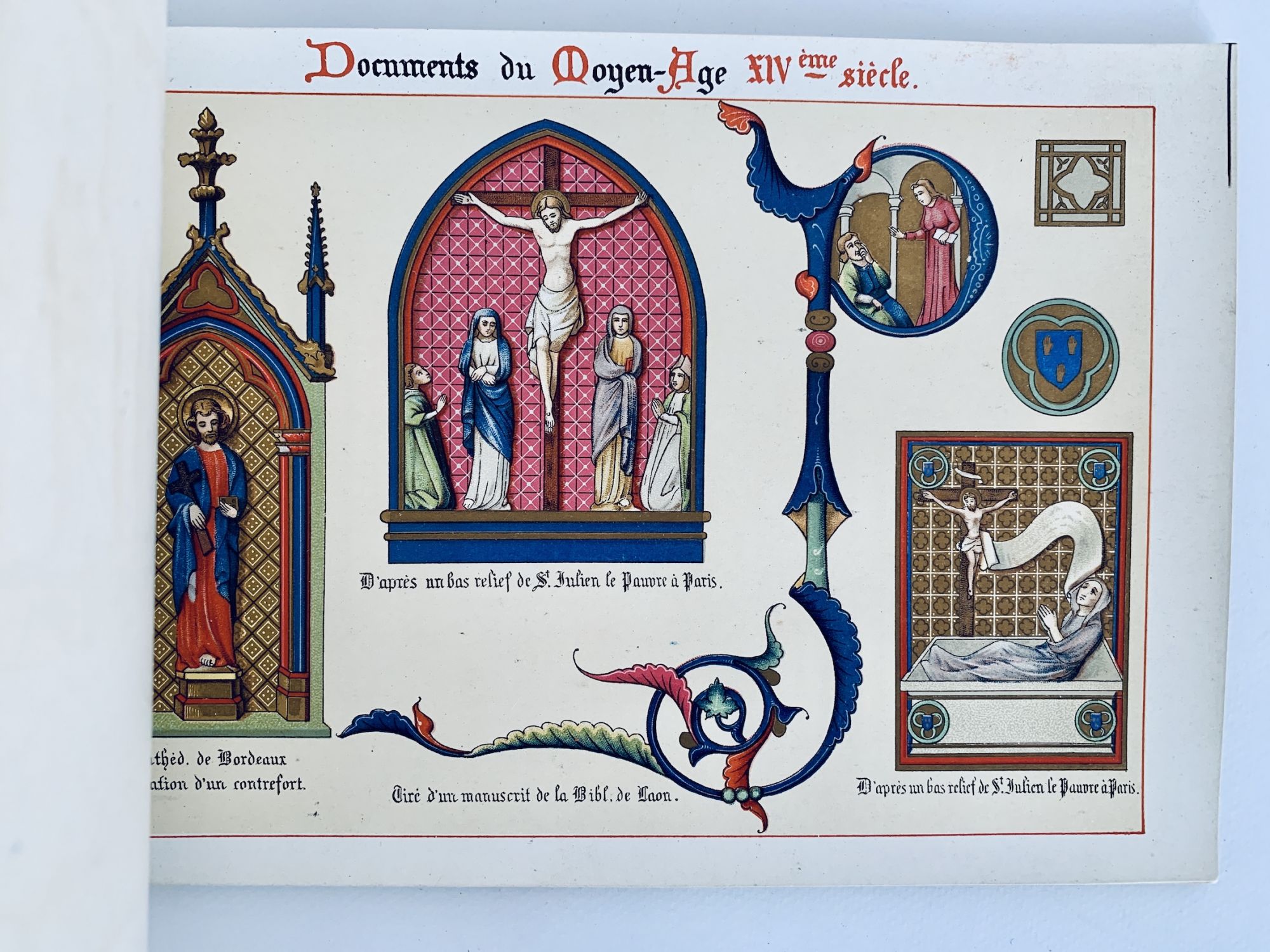
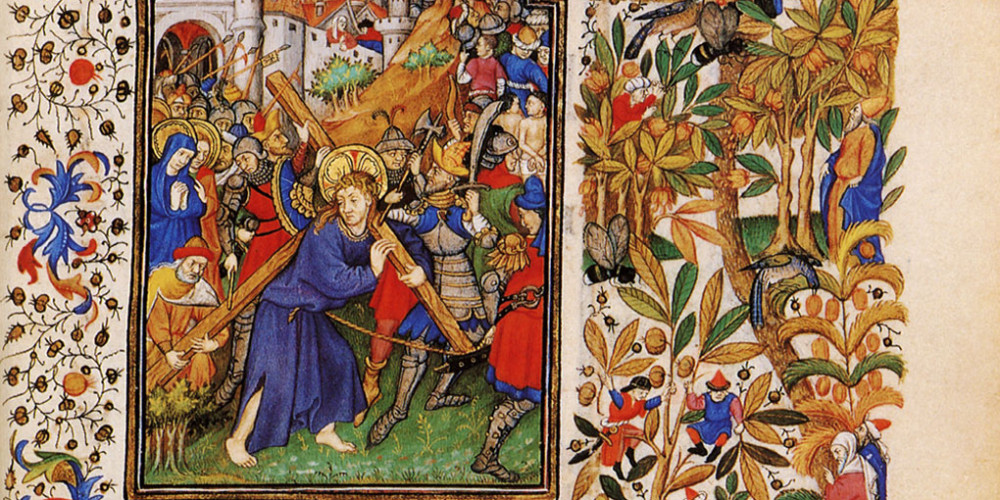
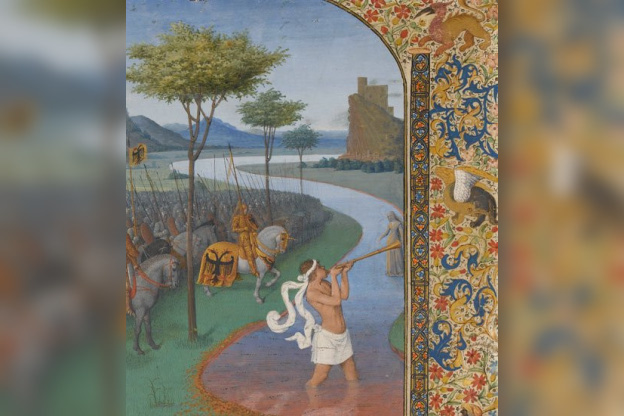
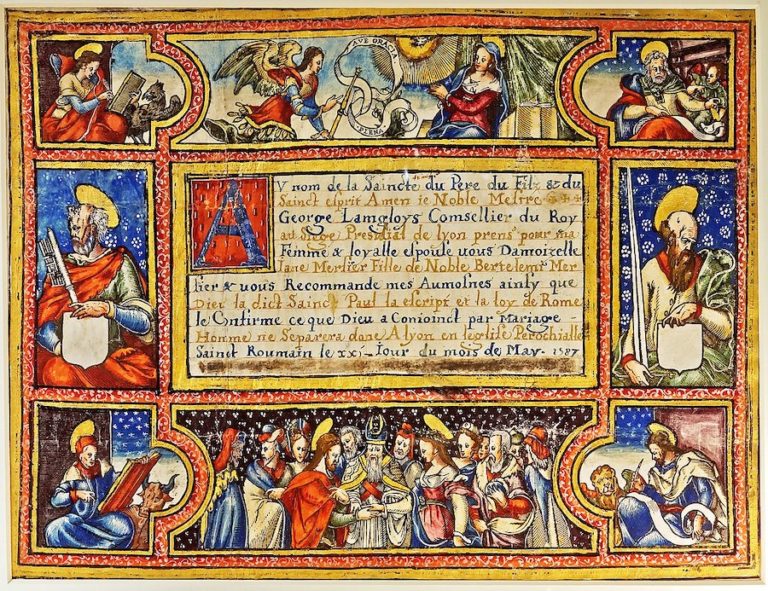
Alright, so we know how they did it, but what did they actually paint? Well, it depended on the type of book. Religious texts, like the Book of Hours, were super popular. These personal prayer books were filled with illustrations of biblical scenes, saints, and other religious imagery. They were like personalized devotionals, customized with scenes relating to the owner’s life, or location.
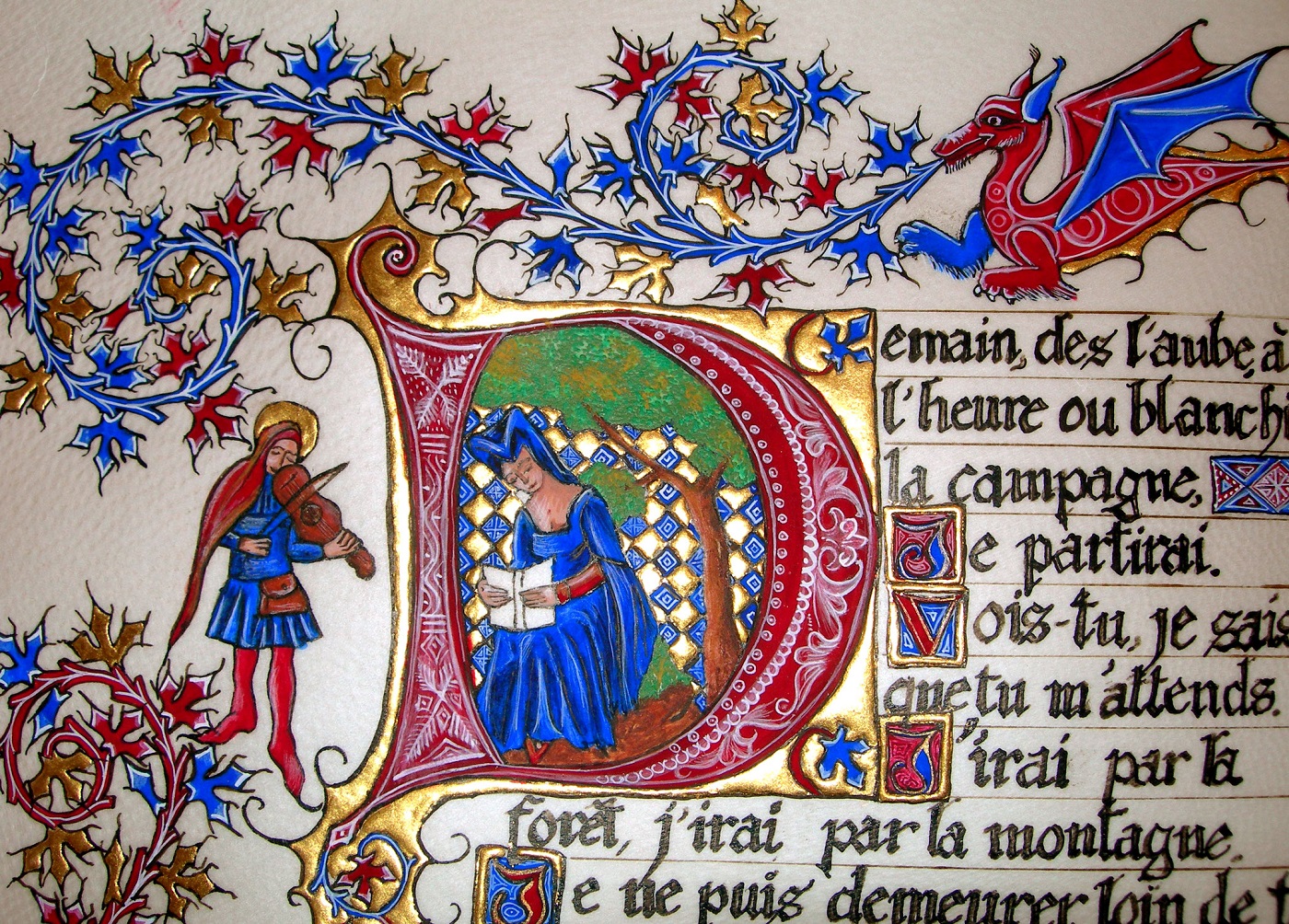
You'd also find historiated initials – those big, fancy letters at the beginning of a chapter or paragraph that tell a little story in themselves. Think of it as a tiny, miniature comic strip tucked into the text. So much detail! They sometimes reflected the text about to be read.
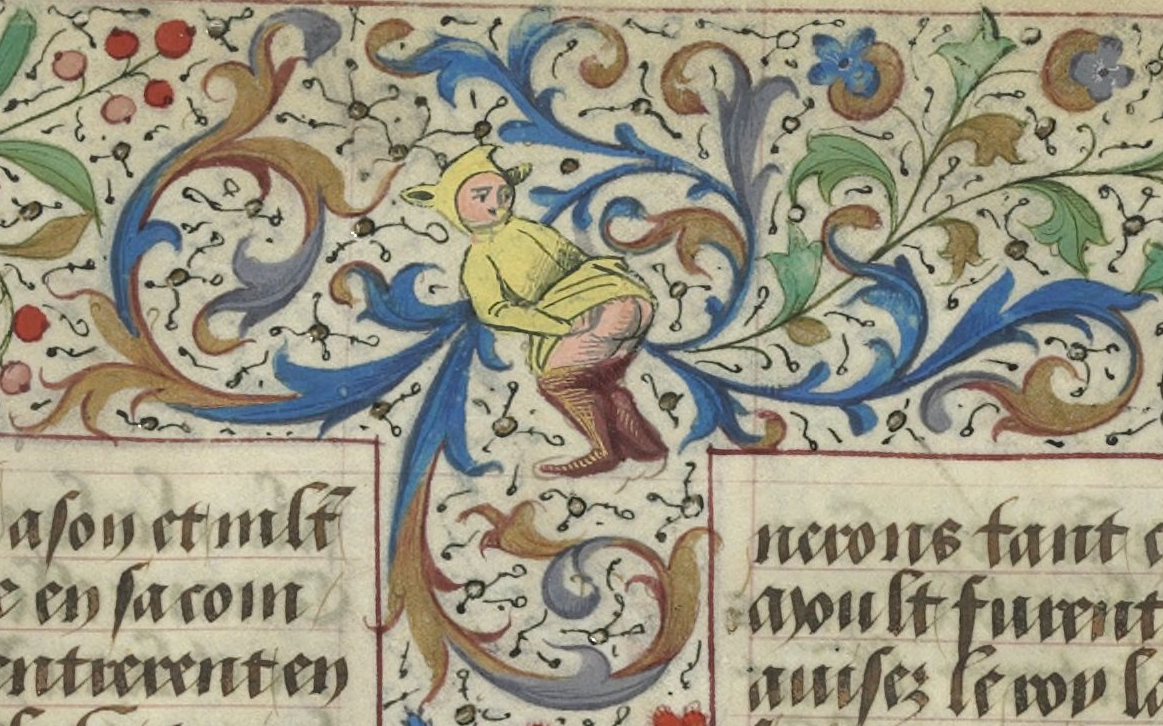
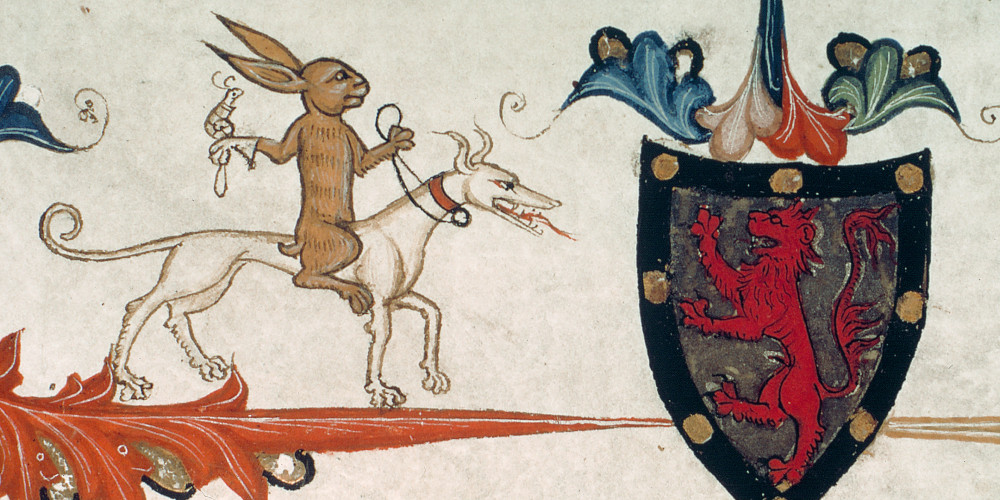
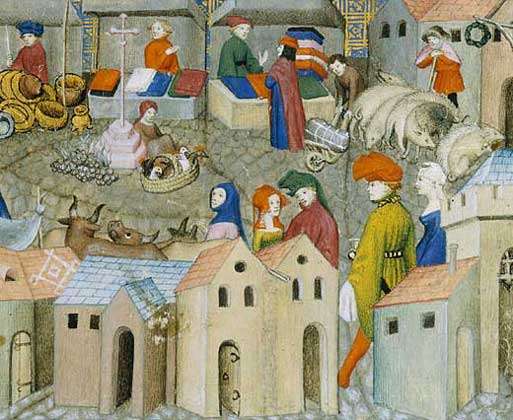
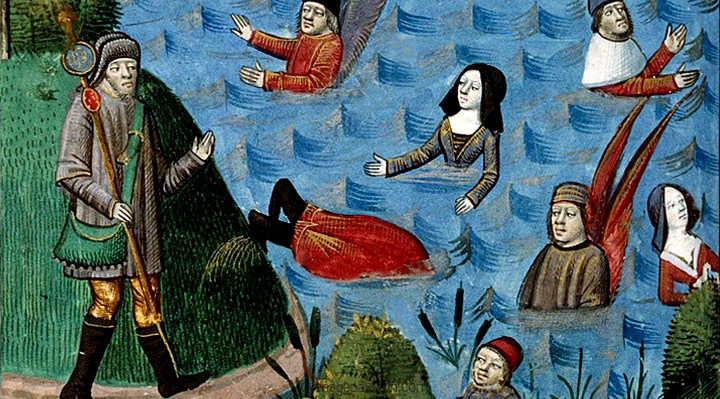
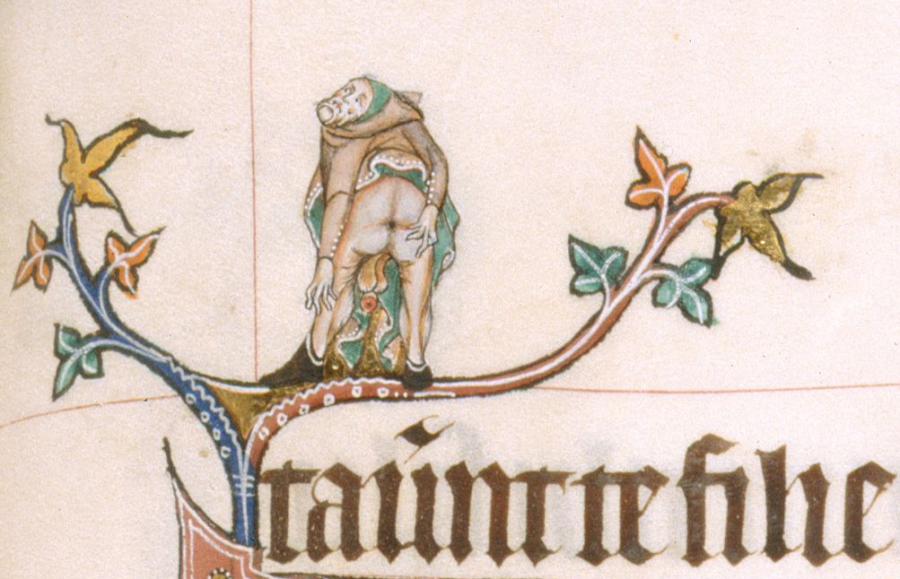
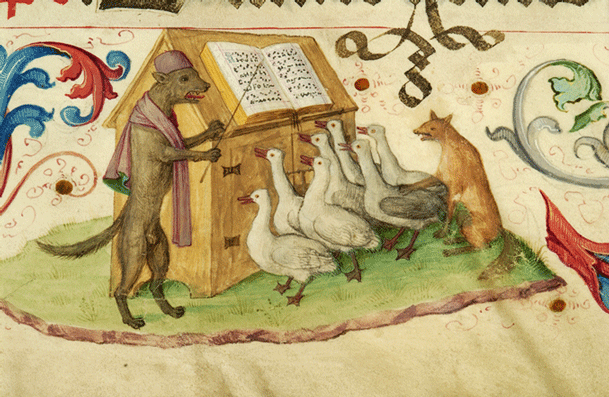
But it wasn't all about religion! Illuminated manuscripts also included depictions of everyday life, mythical creatures, and even satirical scenes. Some were surprisingly funny! Imagine a medieval meme generator – that’s kind of what these images provided.
Examples to Wow Your Friends:
Wanna impress your friends with your knowledge of illuminated manuscripts? Here are a few famous examples to drop into conversation:
- The Book of Kells: An Irish masterpiece, famous for its intricate Celtic knotwork and vibrant colors. Imagine it’s like a medieval equivalent of psychedelic art!
- Les Très Riches Heures du Duc de Berry: This Book of Hours is renowned for its stunning depictions of the seasons and courtly life. It’s like a window into the medieval world, with incredible detail.
- The Utrecht Psalter: Known for its energetic pen-and-ink drawings illustrating the Psalms. Think of it as a medieval graphic novel, full of action and emotion.
Why Should We Care Today?
So, why should we care about illuminated manuscripts in the 21st century? Aren't they just dusty old books locked away in museums and libraries? Au contraire! They are so relevant! They are a window into the past, offering us a glimpse into the beliefs, values, and artistic sensibilities of medieval people. Plus, they're just plain beautiful!

They are also a reminder of the incredible skill and artistry that existed before the age of mass production. Each illuminated manuscript is a unique work of art, lovingly created by hand. It's a testament to the power of human creativity and dedication. Remember, before mass production and printing, everything was created with a personal touch. You can think of it as the ultimate hand-made present, which makes them truly special.
Furthermore, studying illuminated manuscripts can teach us about the history of art, literature, and culture. They provide valuable insights into the development of writing, illustration, and bookmaking. It's like unlocking a secret code to understanding the medieval world.
So next time you find yourself doodling in your notebook or admiring a beautifully illustrated book, remember the medieval illuminators and the incredible art they created. They were the original masters of visual communication, and their legacy continues to inspire us today. Who knows, maybe you'll even feel inspired to try your hand at creating your own illuminated masterpiece! Just maybe start with a pencil and some crayons though – lapis lazuli can be a bit pricey!
![Éléments d'ornementation pour l'enluminure. [Ensemble] Ornementation](https://pictures.abebooks.com/inventory/31236205805_4.jpg)

![Eléments d'ornementation pour l'enluminure. [Ensemble] Ornementation](https://pictures.abebooks.com/inventory/30890042287.jpg)