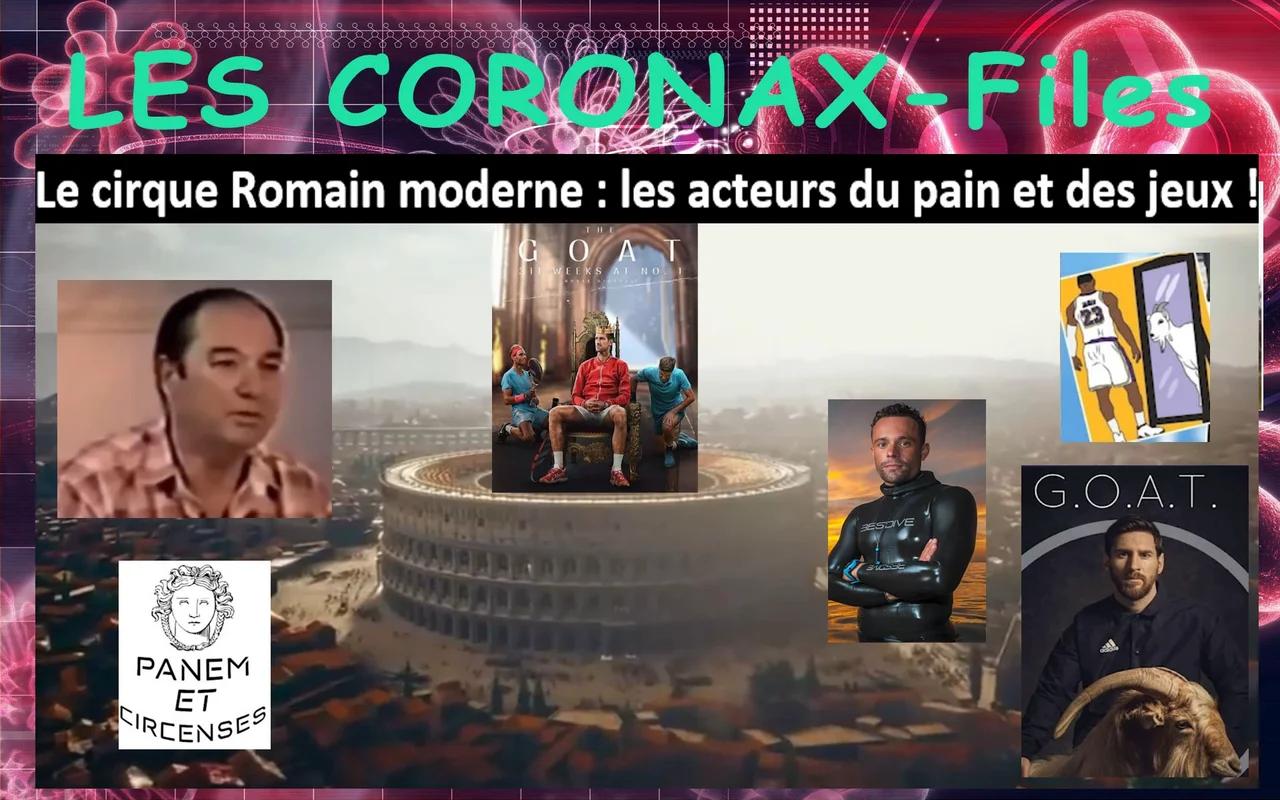
Salut tout le monde ! Ever heard the phrase "Du pain et des jeux"? Sound familiar? Maybe not in French, but the idea behind it certainly does. It’s a classic saying, and it comes straight from the heart of the Roman Empire. But what does it really mean, and why should we care about it today?
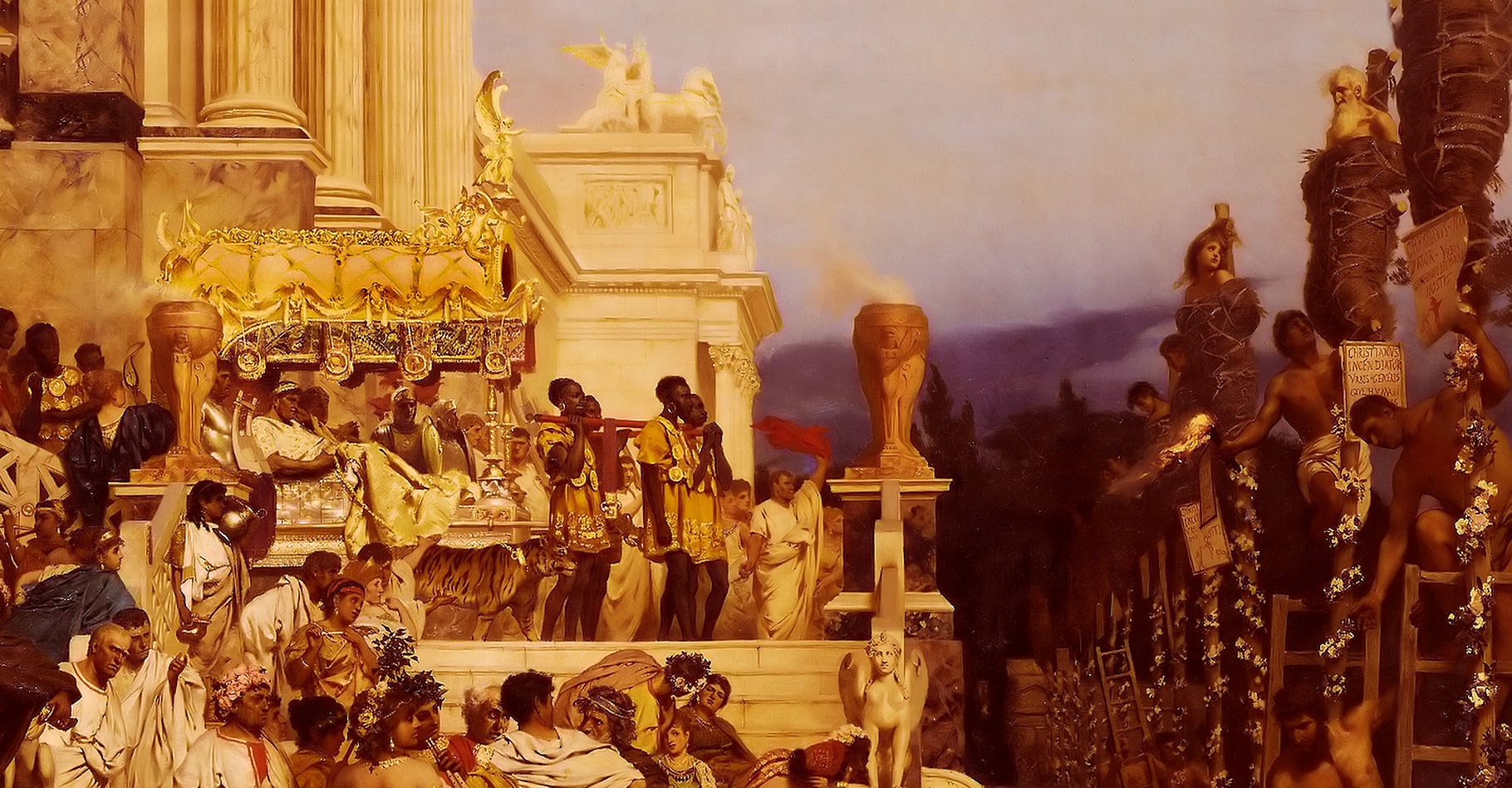
Let’s break it down. "Du pain et des jeux" translates to "Bread and games." Pretty straightforward, right? But it’s more than just a recipe for a good picnic. It's a glimpse into how Roman emperors kept the masses happy (or at least, quiet!).
The Emperor's Playbook: Keep 'em Fed, Keep 'em Entertained
Imagine ruling a massive empire, dealing with political intrigue, potential rebellions… stressful, right? So, how do you keep the peace? Well, the Romans, being the master strategists they were, figured out a pretty simple formula:
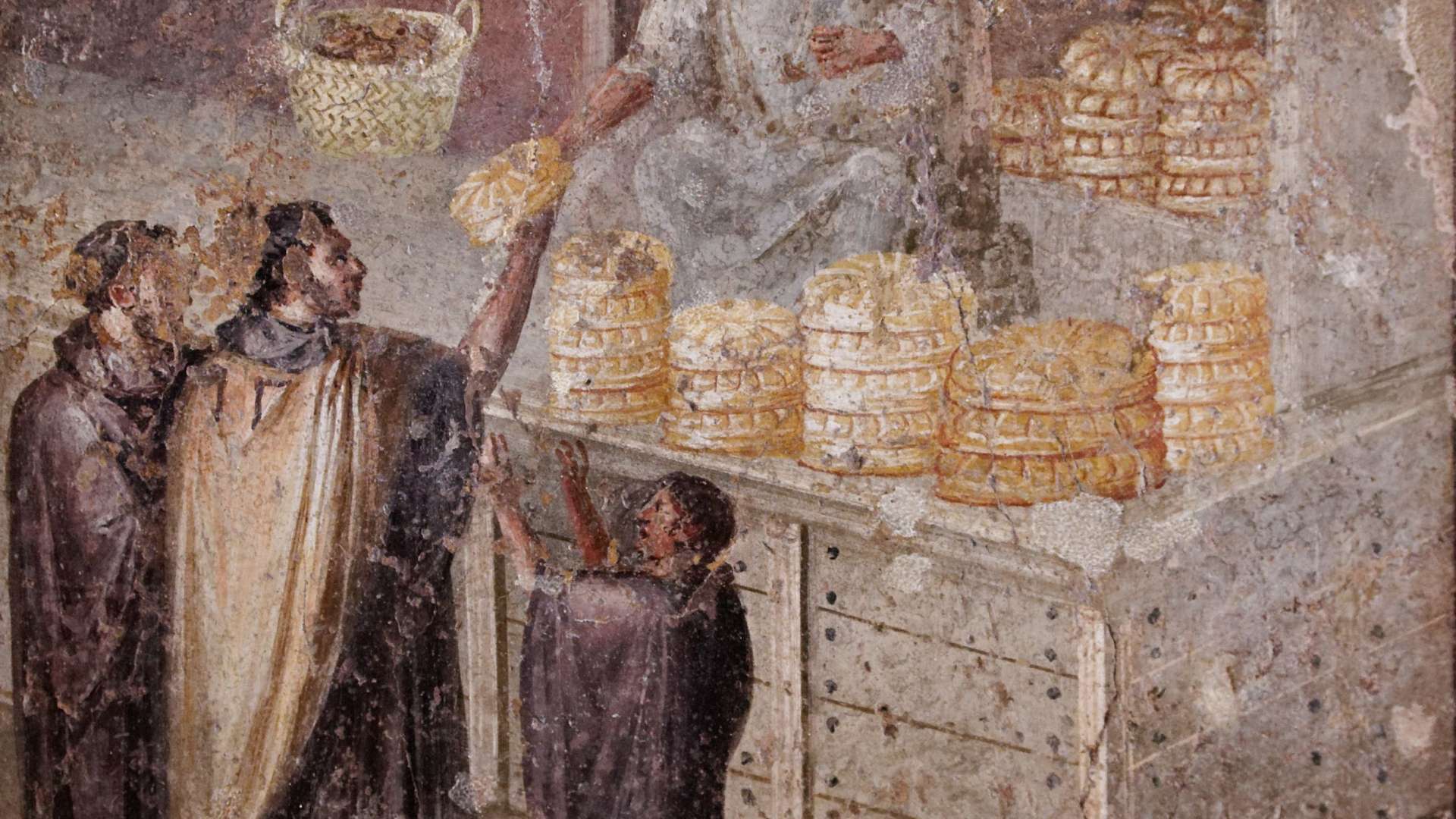
- Food: Make sure everyone has enough to eat. Think of it like this: a hungry populace is an angry populace. No one's thinking about overthrowing the government when their belly is full!
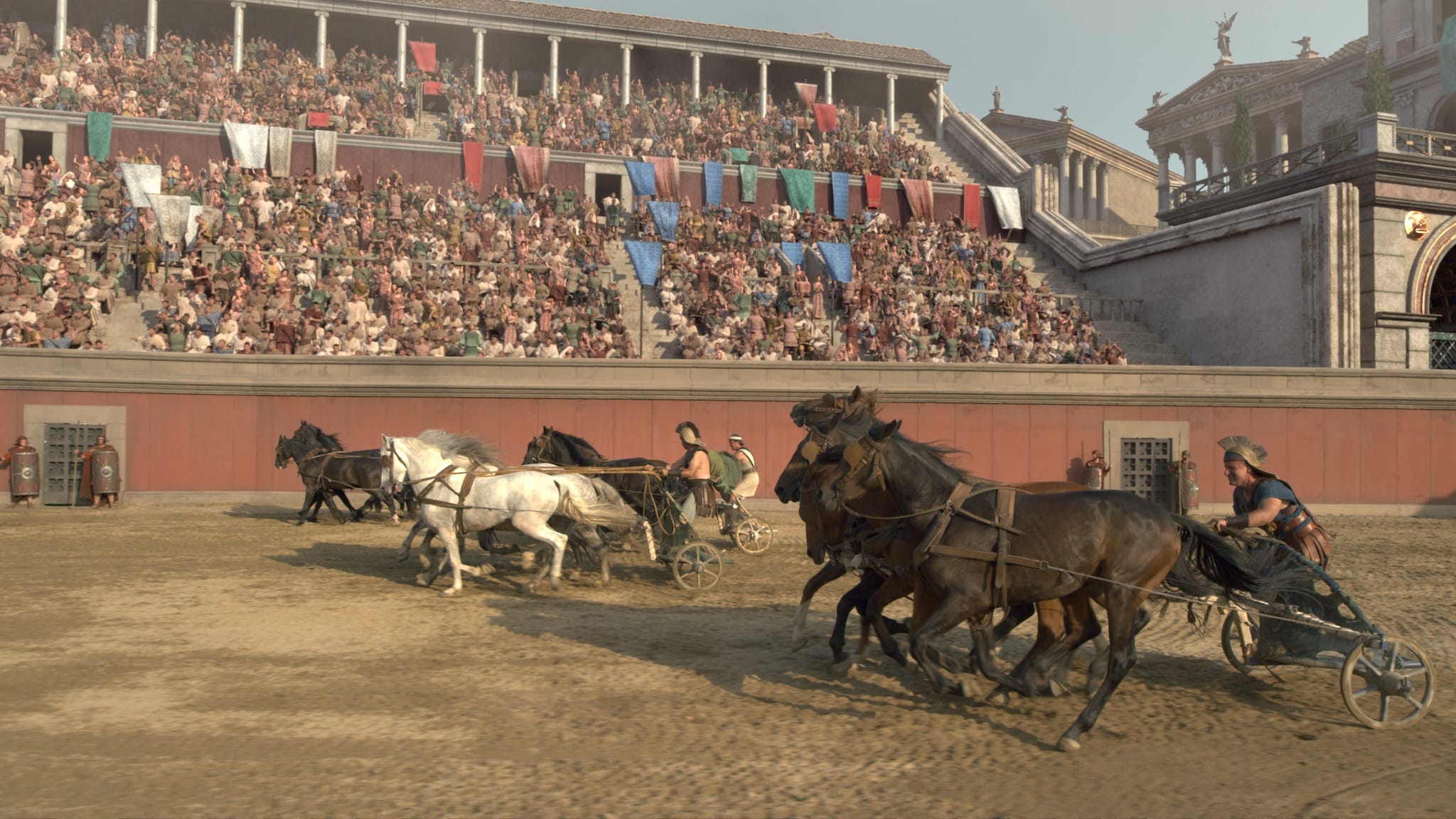
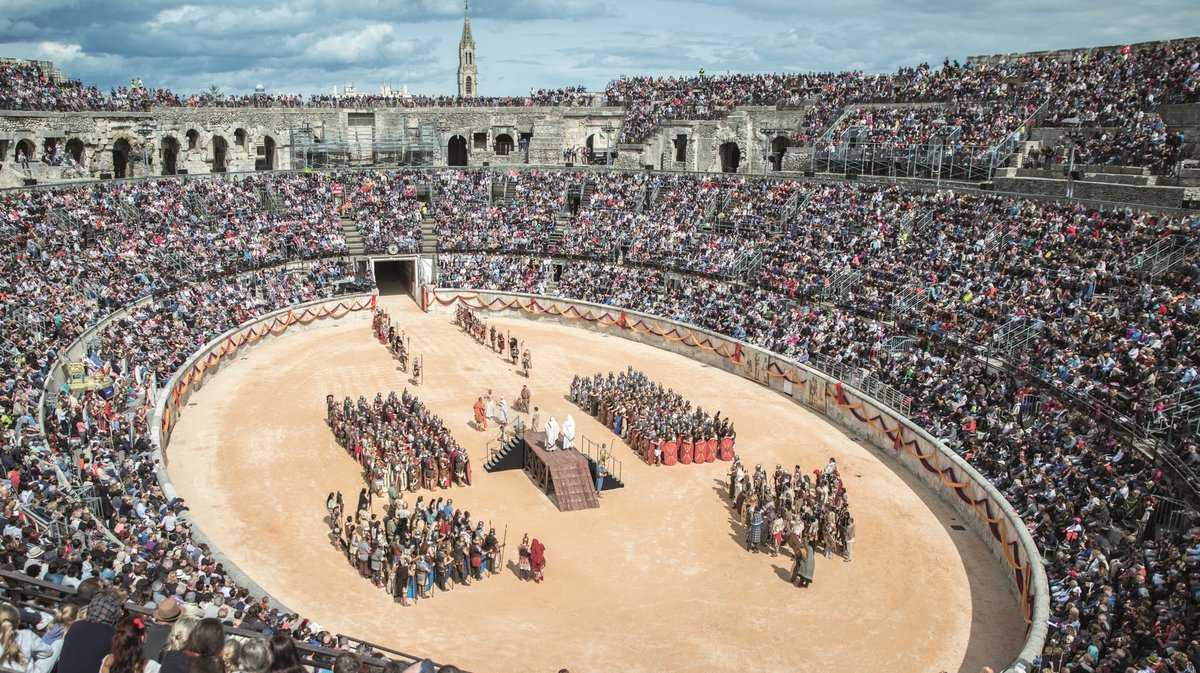
- Entertainment: Give them something to distract them. Gladiator fights, chariot races, public spectacles... basically, Roman reality TV. Forget Netflix, they had blood, sweat, and sand!
Think of it like this: it’s the ancient Roman equivalent of pizza and a movie night… but on a much grander, more politically charged scale.
Why Is This Still Relevant?
Okay, gladiators and chariot races might be a little outdated (thank goodness!), but the core idea of "bread and games" is surprisingly relevant even today. Don't you think so? We may not have emperors, but governments still need to keep their citizens happy.
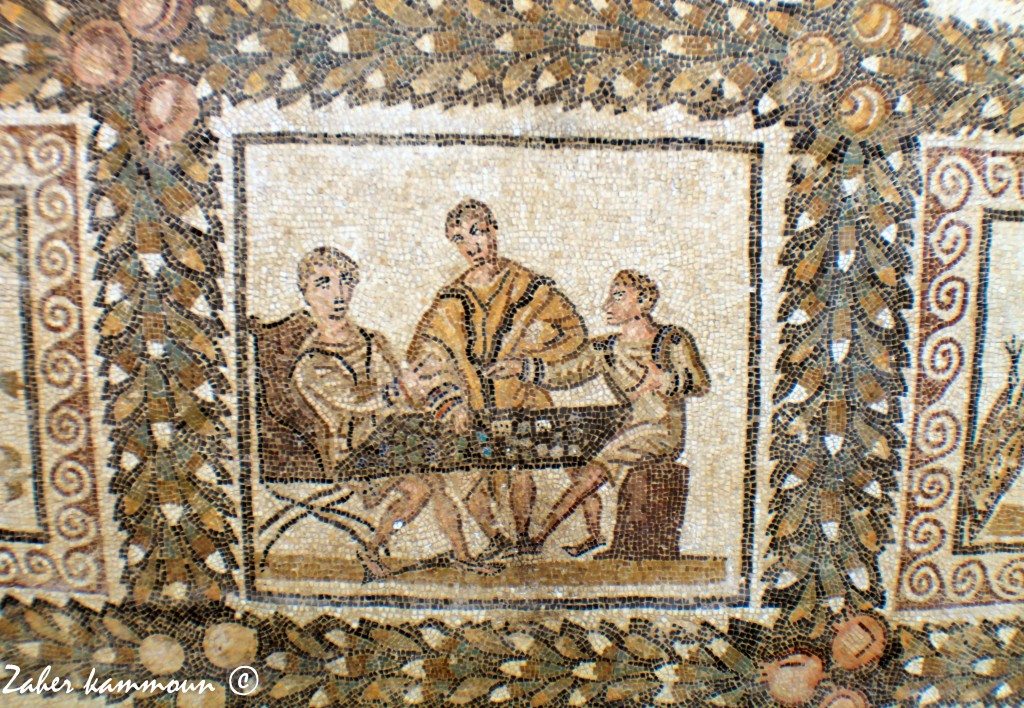
Consider this: Do we rely on social programs to ensure basic needs are met (the "bread")? And what about all the sports, movies, and video games that keep us entertained (the "games")? It’s not a perfect parallel, of course, but the principle is the same. People are less likely to complain if they’re fed and entertained.
The Dark Side of "Bread and Games"
Of course, there's a darker side to all this. Critics argue that "bread and games" is a way to manipulate the public, distracting them from real problems and preventing them from demanding real change. Are we being lulled into complacency by our modern-day "bread and games"? It's something to think about!
So, next time you hear "Du pain et des jeux," remember it's more than just a catchy phrase. It’s a window into Roman society, a reminder of how power can be maintained, and a question mark hanging over our own entertainment-saturated world. À bientôt!








:focal(545x348.5:555x338.5):watermark(cloudfront-eu-central-1.images.arcpublishing.com/ipmgroup/UFVD77VYQZHRHBUO5OR7E7I6TY.png,0,-0,0,100)/cloudfront-eu-central-1.images.arcpublishing.com/ipmgroup/IAHTGZ3PIFC6TIJLFMEI3IHQOM.jpg)