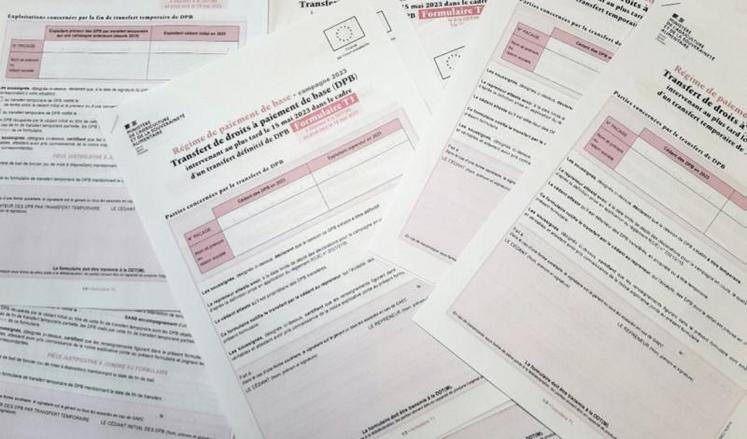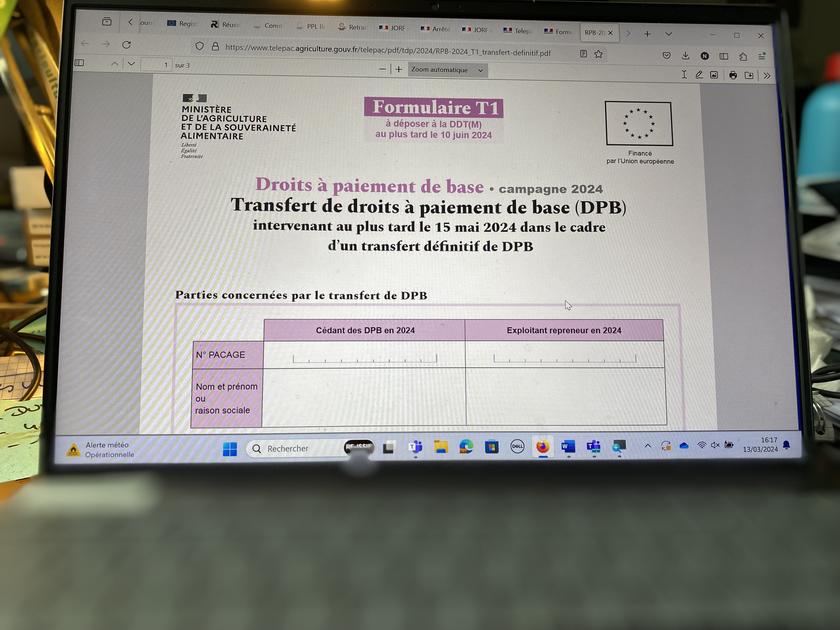
Ah, la France! Land of croissants, couture, and... agricultural subsidies? Maybe not the first thing that springs to mind when you think of "la belle vie," but stick with us. Today, we're diving into a surprisingly important part of French life – the Droit à Paiement De Base (DPB), or Basic Payment Entitlement.
Think of it as the agricultural equivalent of that trendy brunch spot everyone's talking about. It's been around for a while, it's essential for some, and understanding it can give you a whole new appreciation for where your food comes from. So, grab a café au lait (virtual, of course), and let's get started!
DPB: What is it, exactly?
Okay, let's break it down in plain English. The Droit à Paiement De Base is a key element of the Common Agricultural Policy (CAP), the EU's big plan to support farmers and ensure food security. It's essentially a direct payment made to farmers based on the amount of land they farm. Think of it as a base salary for the unsung heroes who keep our fridges stocked.
Why does it exist?
Good question! Imagine trying to run a farm with constantly fluctuating prices, unpredictable weather, and ever-increasing costs. It’s a tough business! The DPB is designed to:
- Stabilize incomes: Provide a safety net for farmers, especially in challenging years.
- Encourage sustainable practices: Incentivize environmentally friendly farming methods.
- Maintain food production: Ensure France (and Europe) can produce enough food for its population.
Basically, it's about making sure that farming remains a viable profession, allowing farmers to invest in their land, adopt modern technologies, and keep bringing delicious produce to our tables. Think of it as a way to avoid a scenario where France has to import all its Camembert – a truly horrifying thought!
DPB in Practice: How it Works
Alright, let's get a little more technical (but don't worry, we'll keep it breezy!). Here's the basic process:
- Eligibility: Farmers need to meet certain criteria, including being an active farmer and having eligible hectares of land.
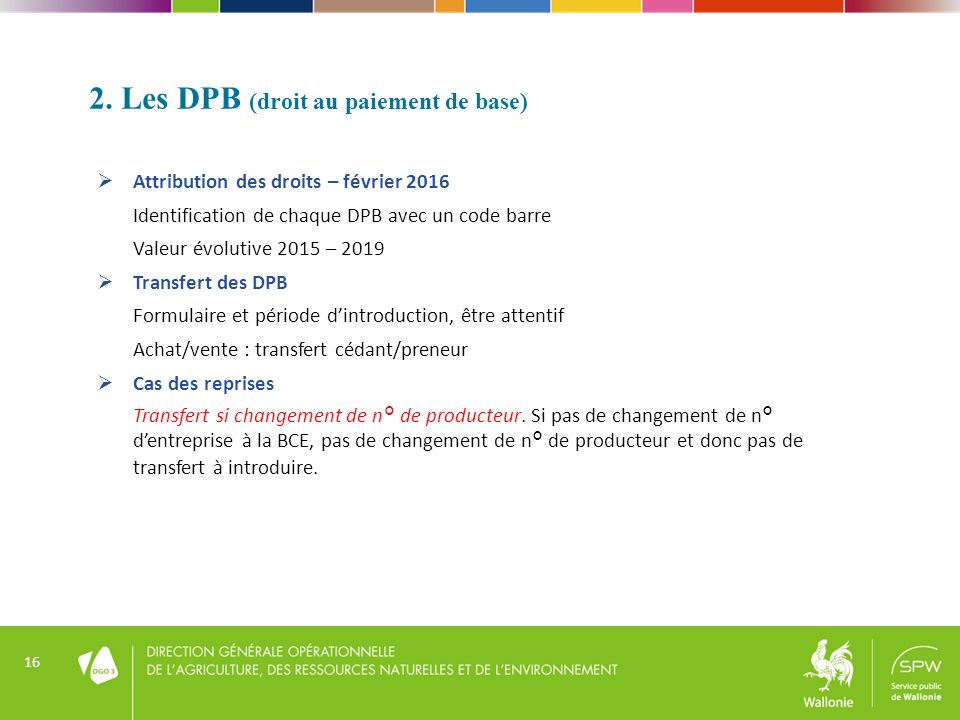
- Entitlements: Historically, entitlements were allocated based on past production. However, things have been evolving, with more focus on convergence – aiming for a fairer distribution of payments across different regions and types of farming.
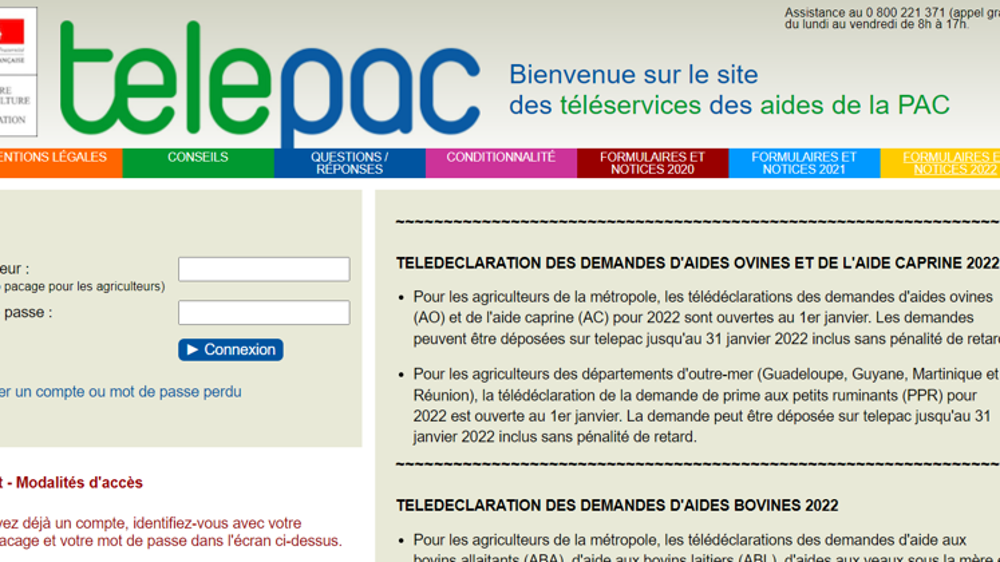
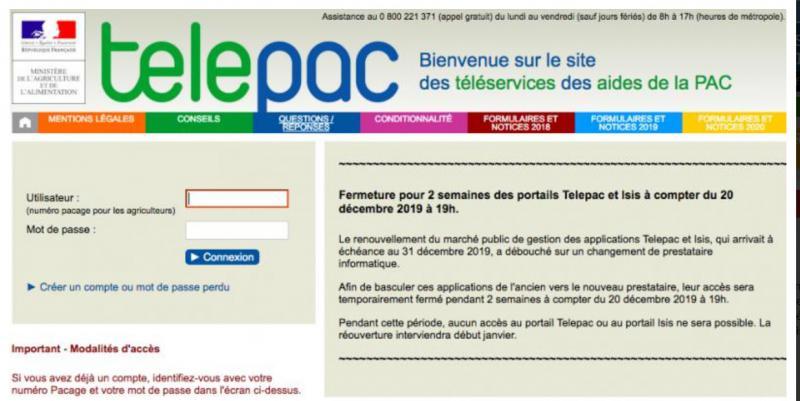
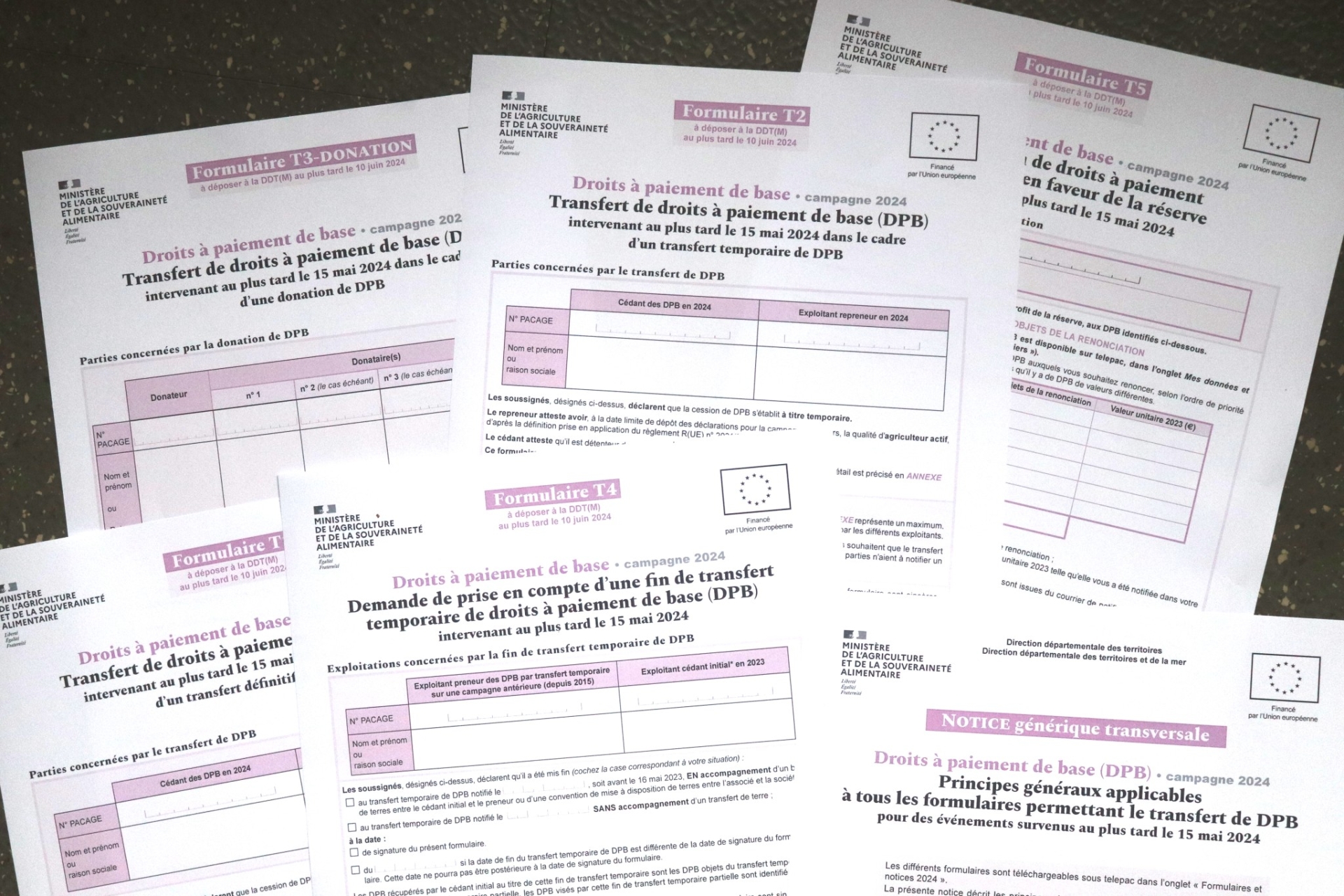
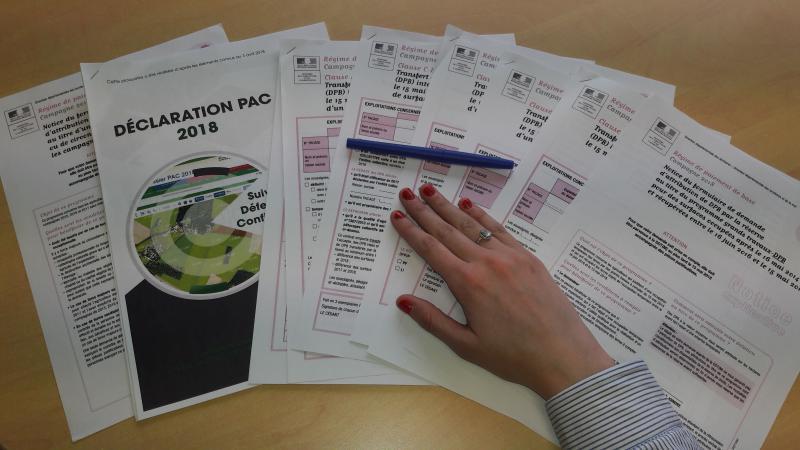
- Application: Farmers apply annually for the DPB through a declaration of their agricultural land.
- Payment: Once the application is approved, the payment is made directly to the farmer.
Now, the devil is always in the details. The exact amount of the DPB can vary depending on factors like the region, the type of farming, and the number of entitlements held. There are also "greening" requirements – farmers need to adopt certain environmentally friendly practices to receive the full payment. This could include crop diversification, maintaining ecological focus areas, and protecting permanent grassland. So, it's not just about farming; it's about farming responsibly.
+ou+effectuez+une+demande+d’accès+à+la+réserve:.jpg)
The DPB: Controversies and Criticisms
Of course, no policy is perfect, and the DPB has its fair share of critics. Some argue that it disproportionately benefits large landowners, while others say it distorts the market and can discourage innovation. There are also concerns about bureaucracy and the complexity of the application process. It's a bit like trying to navigate the Parisian Metro during rush hour – confusing and sometimes frustrating!
However, proponents argue that the DPB is essential for maintaining a vibrant agricultural sector and ensuring food security. They point out that it helps to level the playing field for smaller farmers and allows them to compete with larger, more industrialized operations. It's a delicate balancing act, and the debate is likely to continue for years to come. Kind of like the never-ending debate about the best way to eat a pain au chocolat!
Beyond the Bureaucracy: The Human Impact
It’s easy to get lost in the technicalities and forget the real people behind the DPB. These are the farmers who work tirelessly to produce the food we eat. They're the ones who face the challenges of climate change, fluctuating market prices, and the ever-increasing pressures of modern agriculture.

The DPB can be a lifeline for these farmers, allowing them to invest in their farms, support their families, and continue producing the high-quality food that France is famous for. It's a vital part of the rural economy and helps to preserve the unique character of the French countryside. So next time you're enjoying a delicious meal, take a moment to think about the farmers who made it possible – and the DPB that helped them along the way.
Little-known Facts about French Agriculture:
- France is the largest agricultural producer in the European Union.
- French agriculture is incredibly diverse, ranging from vineyards in Bordeaux to dairy farms in Normandy.
- Many French farms are still family-owned and operated, passed down through generations.
- France is famous for its high-quality cheeses – there are over 1,000 different varieties!
DPB and You: Connecting to Daily Life
Okay, so you might not be a farmer yourself. But the DPB still has a tangible impact on your daily life. Think about it:
- Food prices: The DPB helps to keep food prices stable, ensuring that everyone can afford to eat.
- Food quality: By supporting sustainable farming practices, the DPB contributes to the production of high-quality, healthy food.
- Rural communities: The DPB helps to support rural economies and preserve the traditional way of life in many French villages.
- The French landscape: Farming practices supported by the DPB help to maintain the beauty and diversity of the French countryside, contributing to tourism and recreation.
So, the next time you're strolling through a French market, admiring the fresh produce and local cheeses, remember that the DPB plays a role in making it all possible. It's a connection between the land, the farmers, and the food we eat.
Final Thoughts
The Droit à Paiement De Base might seem like a dry, bureaucratic topic, but it's actually a vital part of the fabric of French life. It's a reminder that our food doesn't magically appear on supermarket shelves – it's the result of hard work, dedication, and a complex system of support. Understanding the DPB can give us a greater appreciation for the challenges and rewards of farming, and for the importance of supporting sustainable agriculture. It's about ensuring that we can continue to enjoy the delicious and diverse food that France is famous for, while also protecting the environment and supporting the communities that make it all possible. And, perhaps most importantly, that we can continue to enjoy our Camembert without fear of it disappearing forever!
So, the next time you savor a bite of something delicious, take a moment to appreciate the journey it took to get to your plate. From the farmer in the field to the complex workings of the DPB, it's a reminder that everything is connected, and that even the most seemingly mundane policies can have a profound impact on our daily lives.