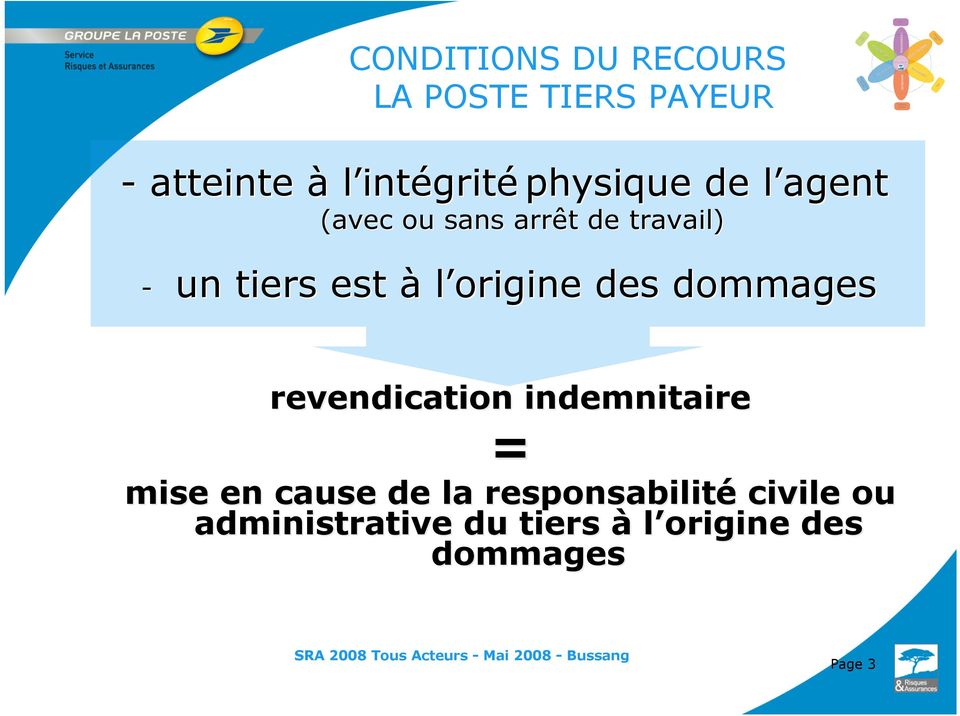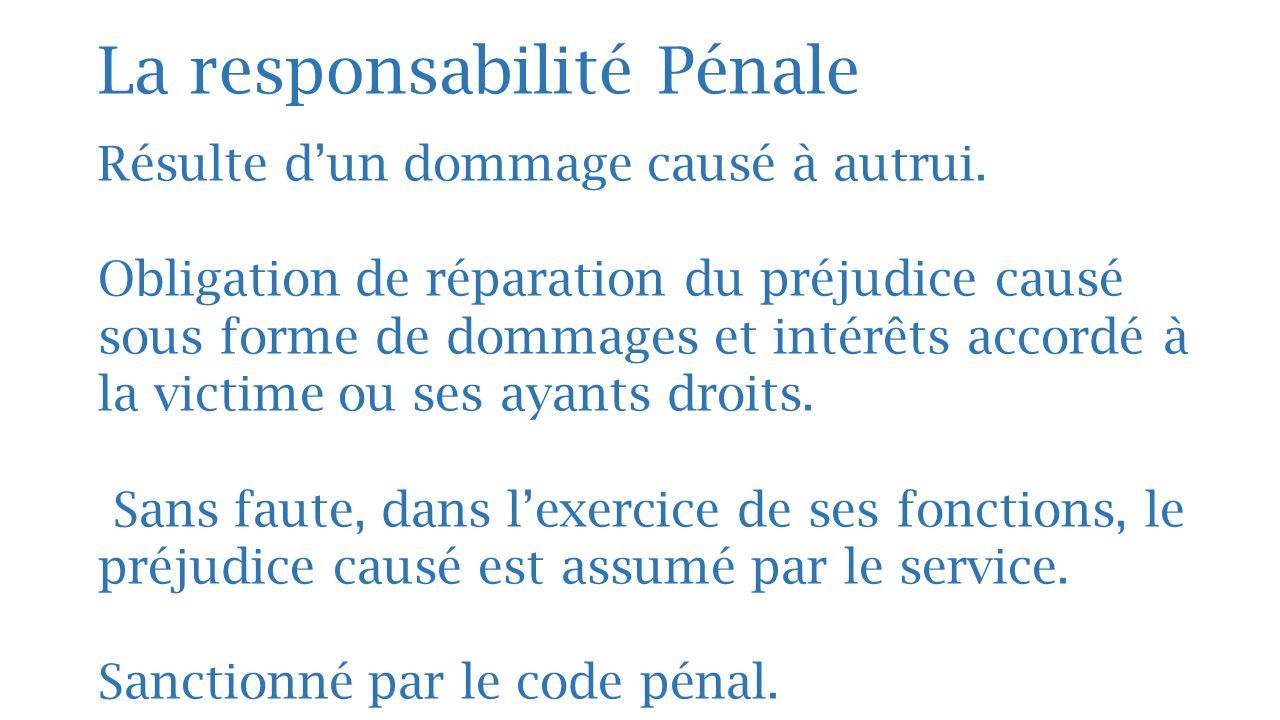
Bonjour, mes amis! Settle in, grab a café au lait. Today, we're chatting about something that might sound a little serious, but trust me, we'll keep it light: Dommage Causé à Un Tiers. Sounds fancy, right? It's really just a fancy way of saying "damage caused to a third party." But what exactly does that mean?
Think of it like this: you, me, and... someone else. That "someone else" is the third party. Now, imagine something happens involving you that inadvertently hurts them. Voilà! You might be looking at dommage causé à un tiers. Simple, non?
The Basics: What We're Talking About
Okay, let's break it down even further. Dommage causé à un tiers happens when your actions (or inactions!) cause harm or loss to someone who wasn't directly involved in the initial situation. They're caught in the crossfire, so to speak. Are you starting to get the picture?
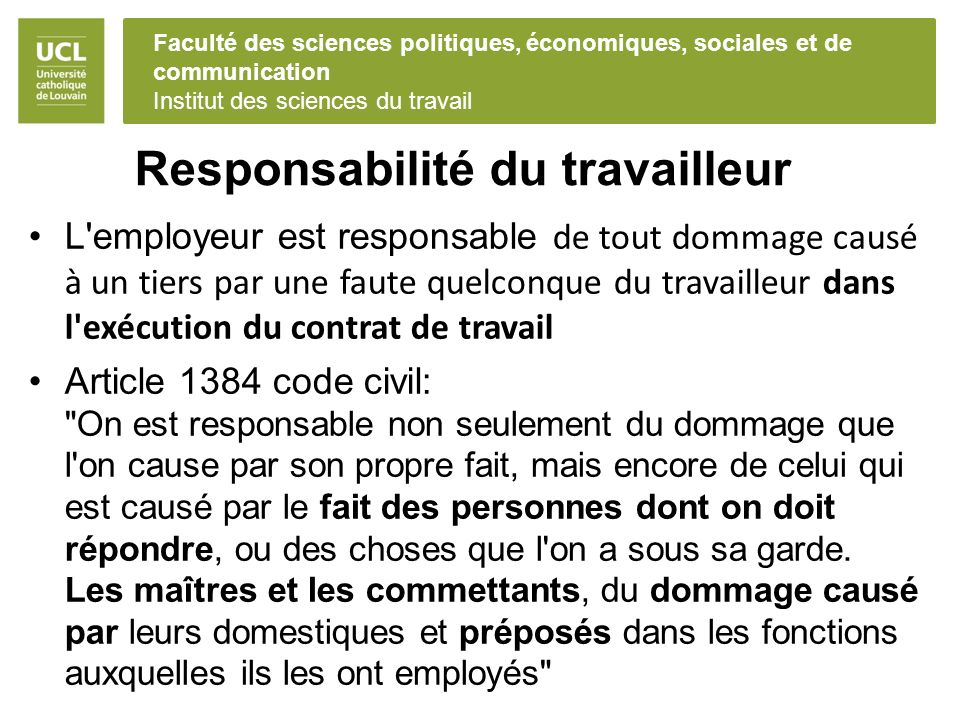
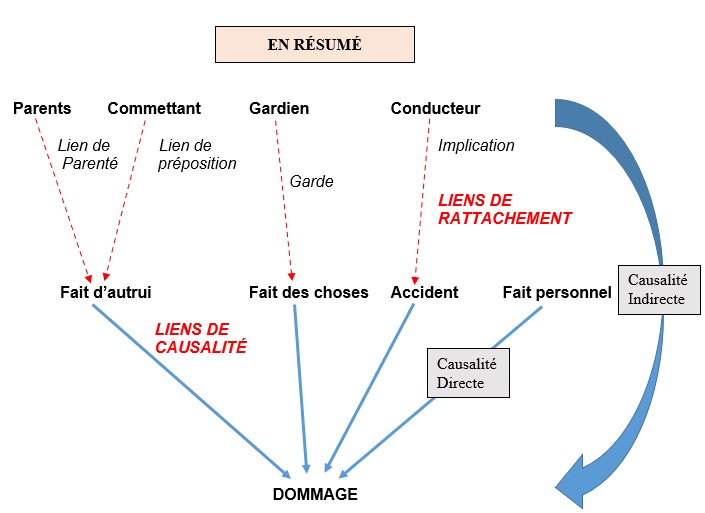
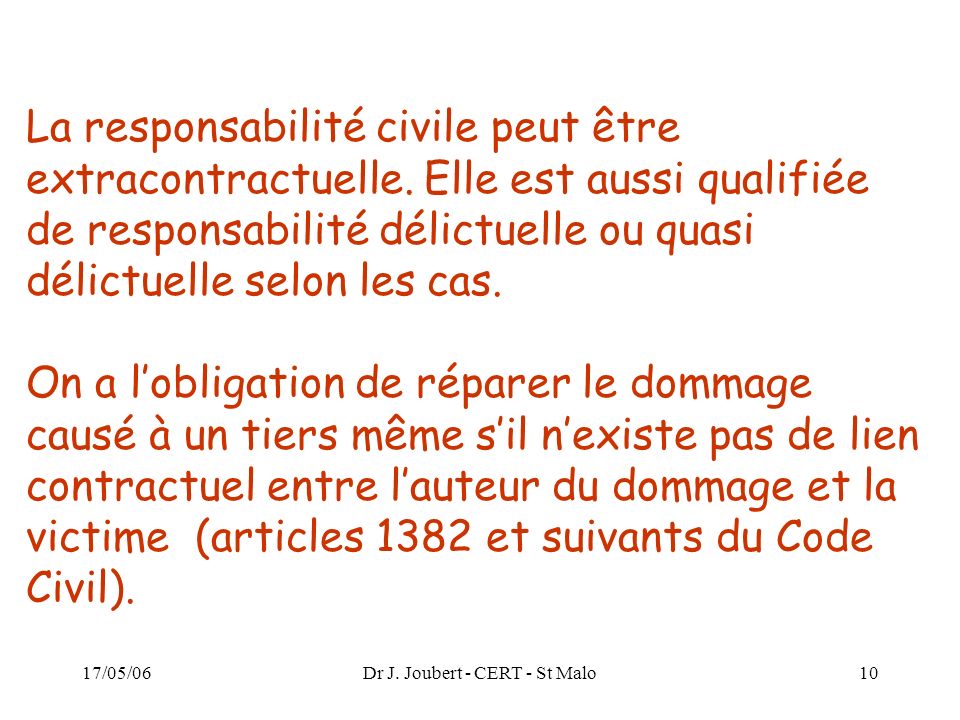
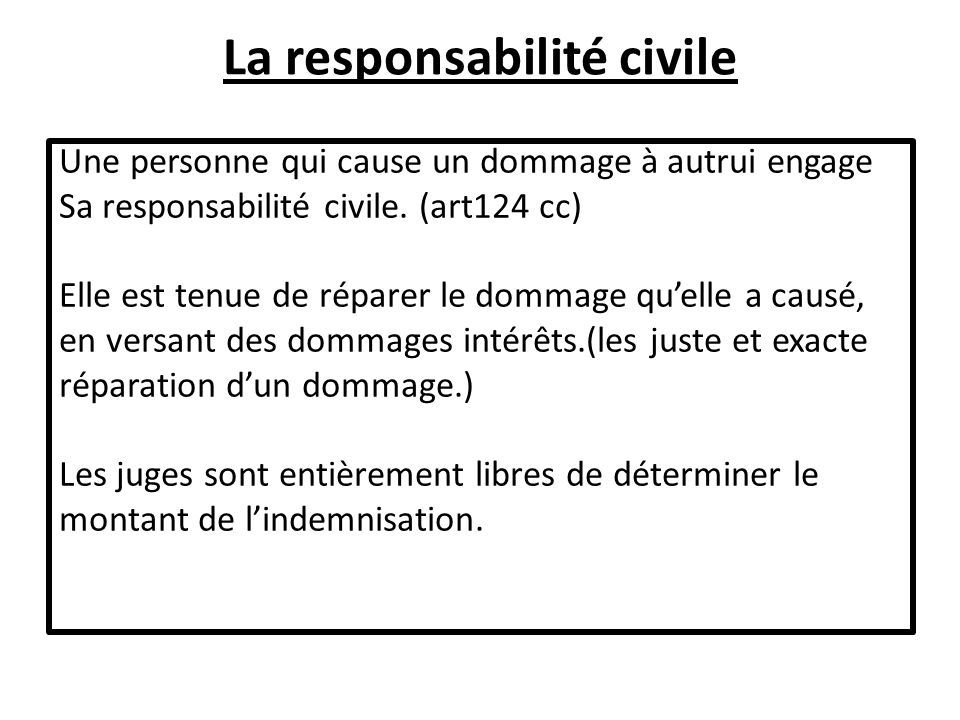
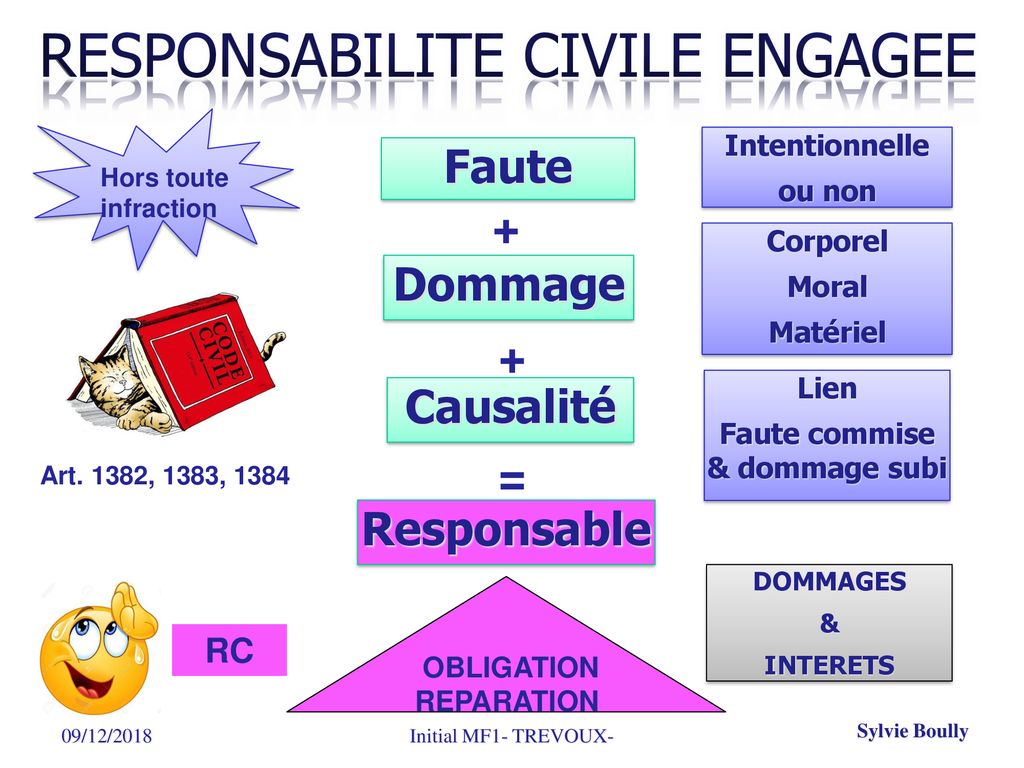
Think about this: responsabilité civile (civil liability). That’s what usually comes into play here. It's the legal obligation to compensate someone for damage you caused. And that’s precisely what “dommage causé à un tiers” is all about.
Examples to Help You Understand
Let’s paint some pictures, shall we? Because real-life examples always make things clearer.
Imagine you're a contractor, renovating a building. You accidentally damage a water pipe. The water floods not only the building you're working on, but also the shop next door. The shop owner? That's the third party. They suffered damages because of your actions, even though they weren't part of your original renovation project.
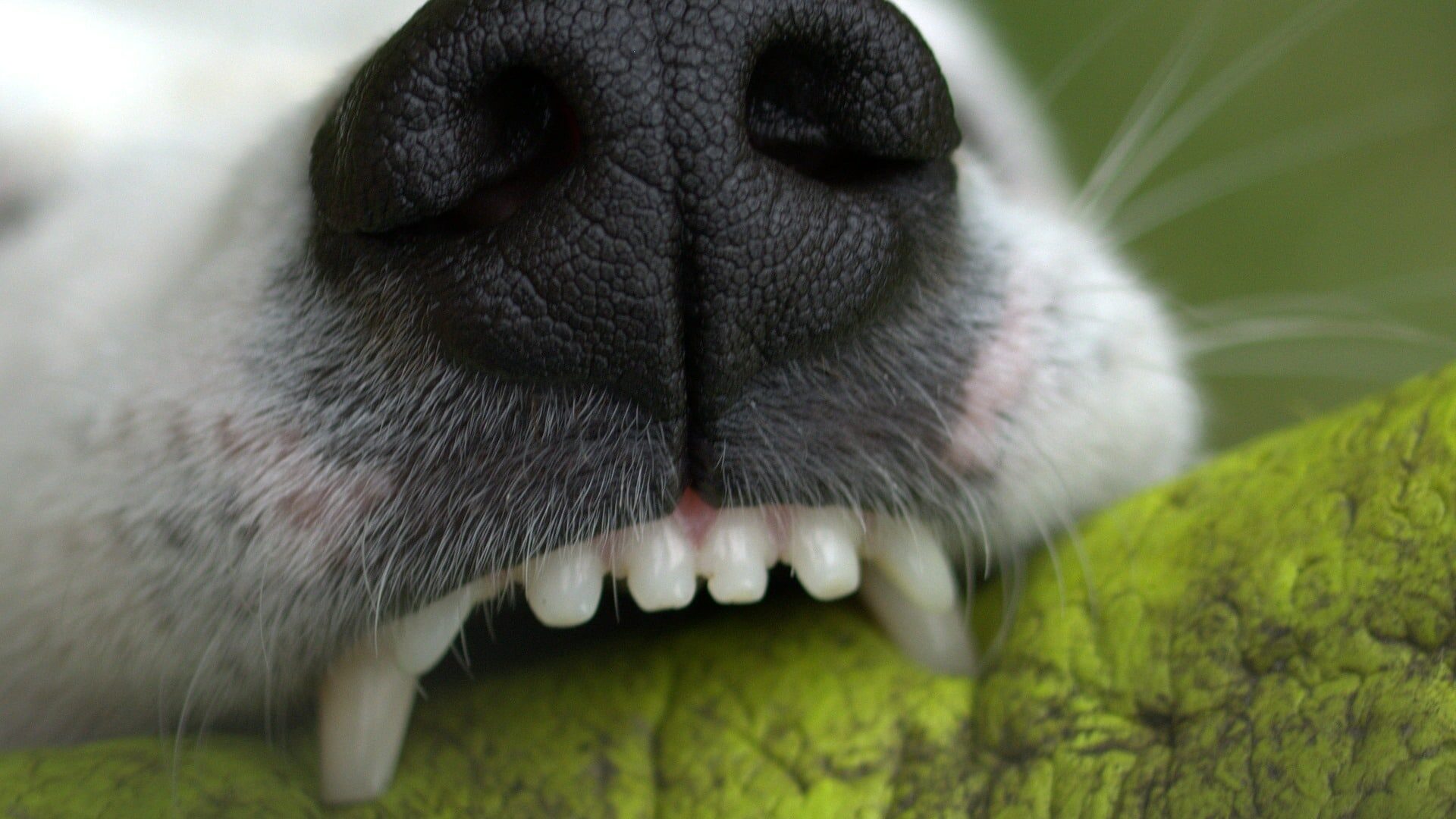
Another one: you're walking your adorable (but perhaps a bit over-enthusiastic) dog. Your dog, overcome with excitement, jumps up and knocks over an elderly gentleman walking by. The gentleman breaks his hip. Ouch! Who's going to cover his medical bills? You, likely. He's the third party who suffered an injury directly because of your dog’s, and therefore your, negligence.
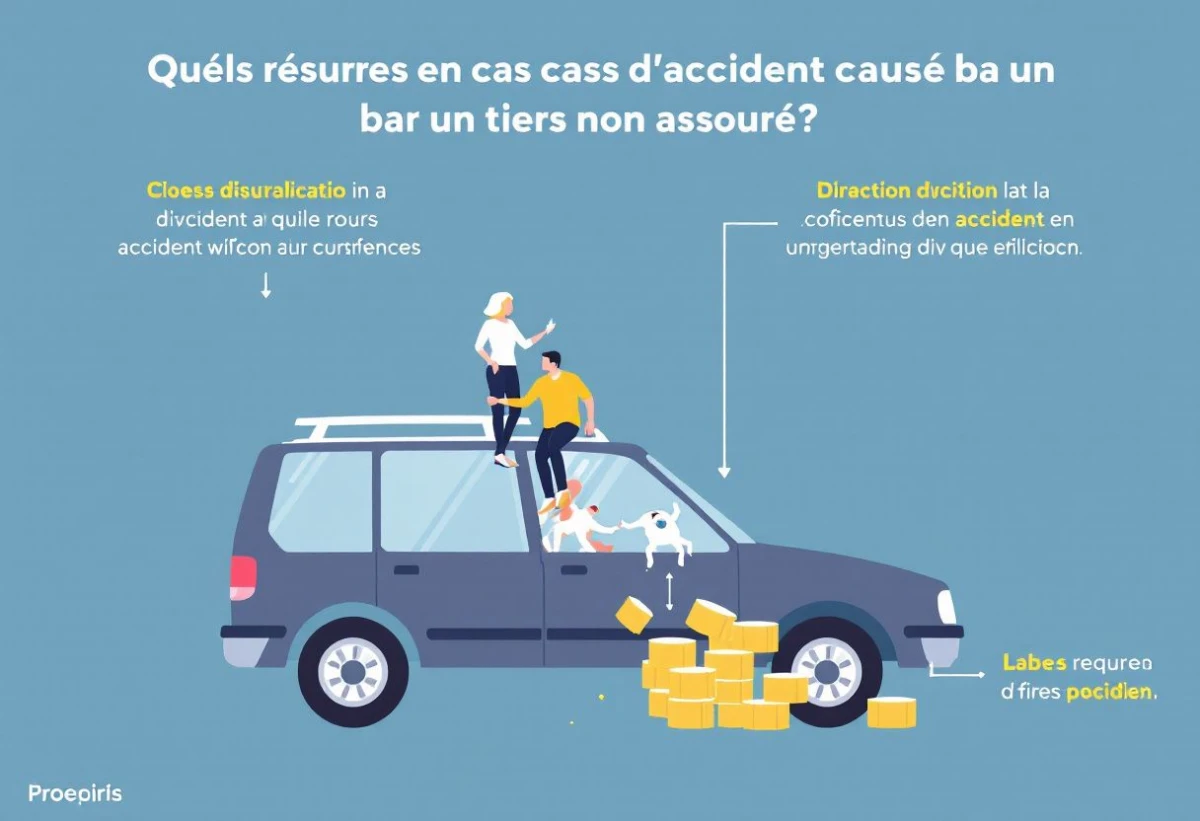
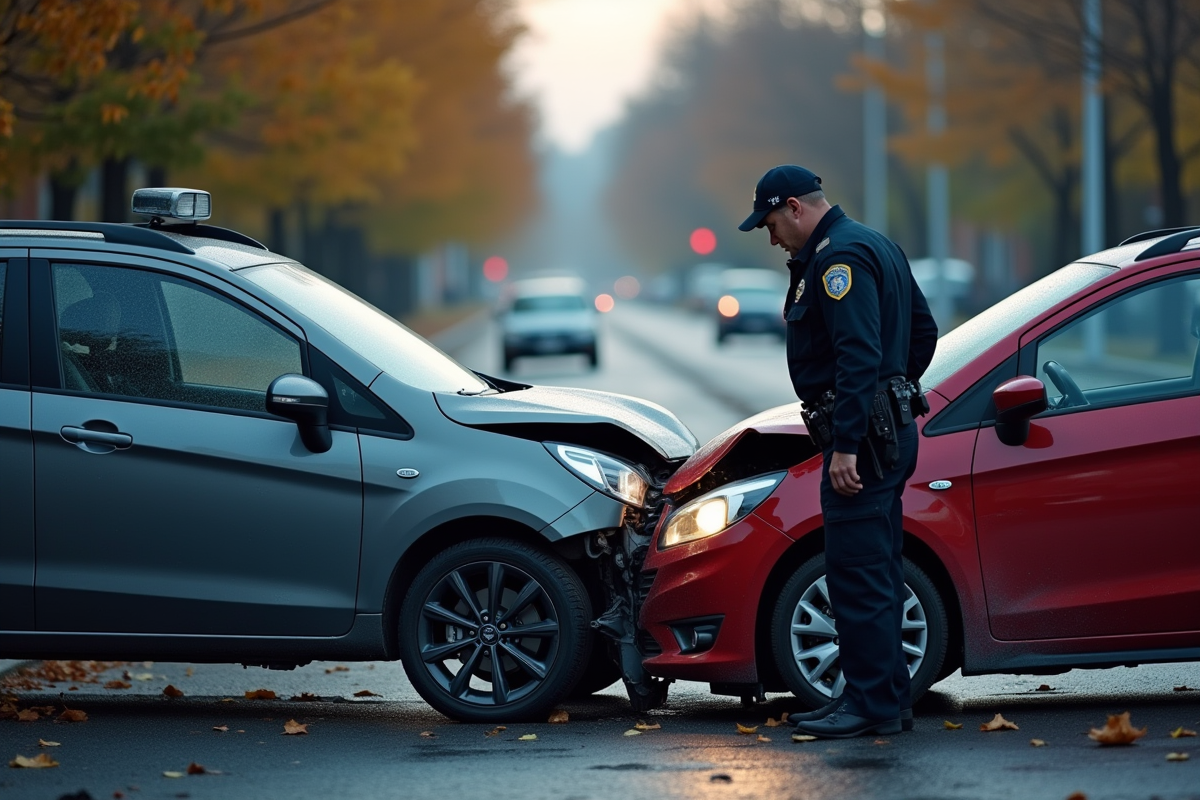
One more! You're driving your car. You get into an accident with another car. The passenger in the other car is injured. They are the third party. They weren't driving either car, but they suffered harm due to the accident that you caused (or at least, were partly responsible for).
See? It's all about that indirect connection. The third party wasn't directly involved in the initial event, but they still suffered harm because of it.
The Key Ingredients: Negligence and Causation
Now, just because someone suffers damage doesn’t automatically mean you're liable. There are a few key ingredients needed for dommage causé à un tiers to be applicable.
First, there has to be negligence. This means you acted carelessly or failed to act when you should have. Back to the contractor example: if they knew the pipes were old and fragile but didn't take precautions, that's negligence.
Second, there has to be causation. This means your negligence directly caused the damage to the third party. It’s not enough that you were negligent; your negligence has to be the reason the third party was harmed. The broken pipe caused the flood in the shop next door.
Imagine you're baking a cake. (A delicious cake, hopefully!) You forget to preheat the oven. That's arguably negligent baking. But if your neighbor then trips on their doorstep and breaks their leg, your negligent baking wasn't the cause of their injury. See the difference?
Insurance: Your Safety Net
So, what protects you from these kinds of situations? The answer, my friends, is usually insurance.
Responsibility insurance (assurance responsabilité civile) is essential. It's designed to cover you if you accidentally cause harm to others. Whether it’s through your actions, your pet’s actions, or even something happening on your property. It’s a financial safety net, and honestly, a huge relief.
Think about your car insurance. It covers not just damage to your car, but also injuries to other drivers, passengers, and even pedestrians. That’s the “tiers” being protected. It is crucial to check your policy details to understand what is covered and what is not. Some policies might have exclusions or limitations.
What to Do If It Happens
Okay, so what should you do if you find yourself in a situation where you might have caused damage to a third party?

First, don't panic! Easier said than done, I know. But take a deep breath.
Second, document everything. Take pictures, write down details, get contact information from everyone involved, and be sure to report the incident to your insurance company immediately. They are the professionals and they know exactly how to proceed.
Third, be honest and cooperative. Don't try to hide anything or downplay your role. It's always better to be upfront and work with your insurance company to resolve the situation fairly. Hiding things only makes things more complicated, I assure you!
And finally, avoid admitting fault until you’ve had a chance to speak with your insurance company or a lawyer. It’s important to understand your rights and obligations before making any statements that could be used against you.
A Little Digression: Prevention is Key!
You know what's even better than having good insurance? Preventing accidents in the first place! Simple things can make a huge difference. Keeping your property well-maintained, being mindful of your surroundings, and taking extra precautions when doing potentially risky activities can go a long way in preventing harm to others.
Remember our overly enthusiastic dog? Maybe a shorter leash would have prevented the incident with the elderly gentleman. The contractor? Thoroughly inspecting the pipes before starting renovations could have avoided the flood. Small actions, big impact! N'est-ce pas?
Also, just a little side note, think about having a "constat amiable" handy. This is a friendly accident report form that you can fill out with the other party at the scene of a car accident. It’s super helpful for insurance claims.
Final Thoughts: A Warm Cup of Empathy
Dommage Causé à Un Tiers can seem a bit daunting, but at its heart, it’s about responsibility and empathy. It’s about recognizing that our actions can have an impact on others, and taking steps to minimize that impact.
Life is unpredictable. Accidents happen. But by understanding our responsibilities, having adequate insurance, and practicing a little bit of mindful awareness, we can navigate these situations with greater confidence and grace. And remember, offering a sincere apology and showing genuine concern for the injured party can go a long way in easing the situation. A little kindness never hurts!
So, as you finish your café, remember to be kind, be careful, and be covered. The world is a much nicer place when we look out for each other. À bientôt!