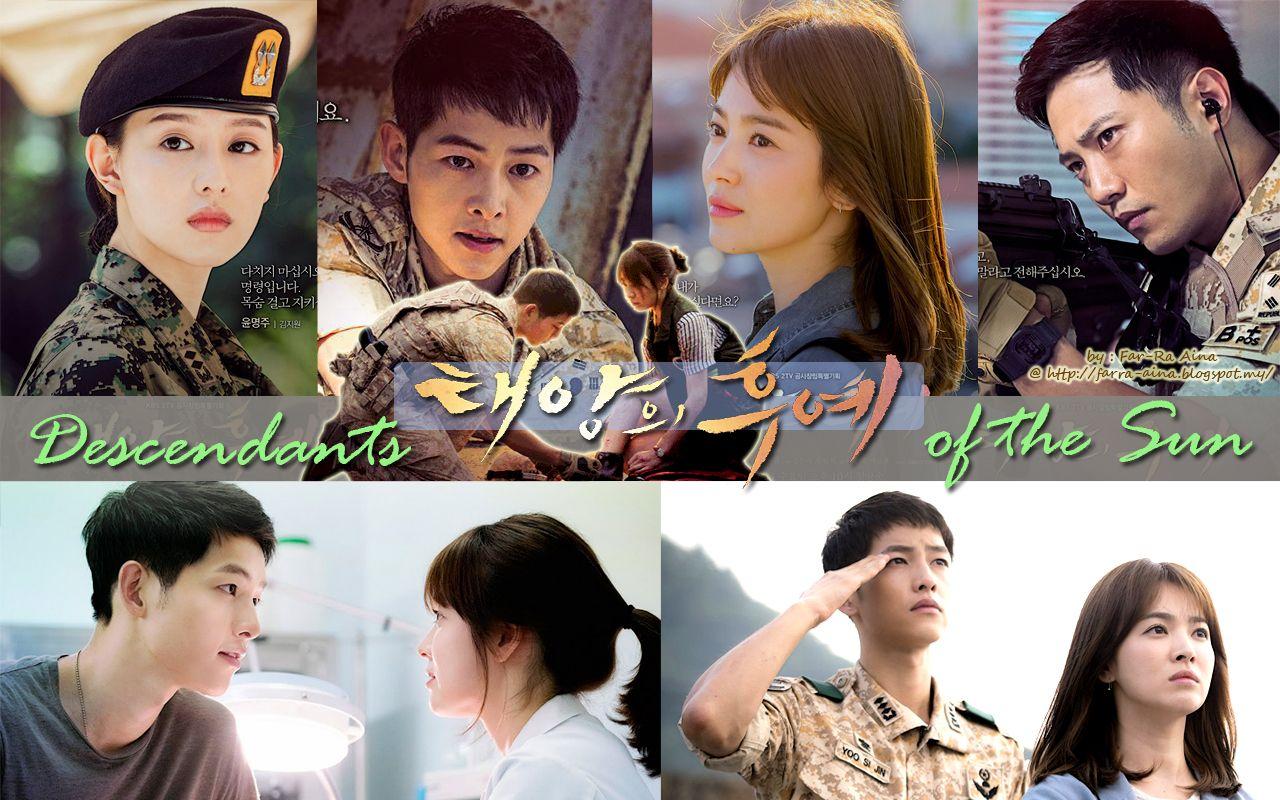
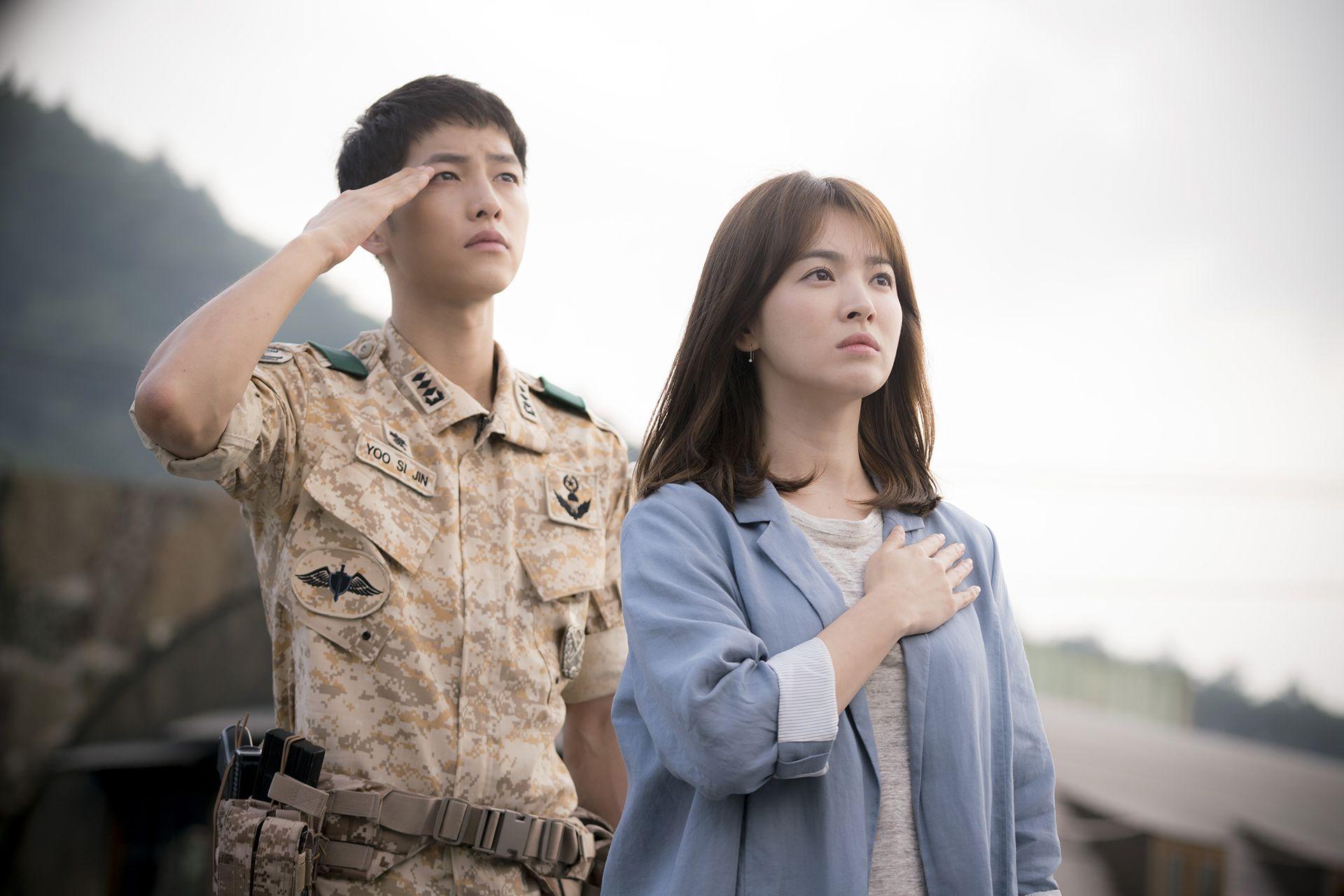
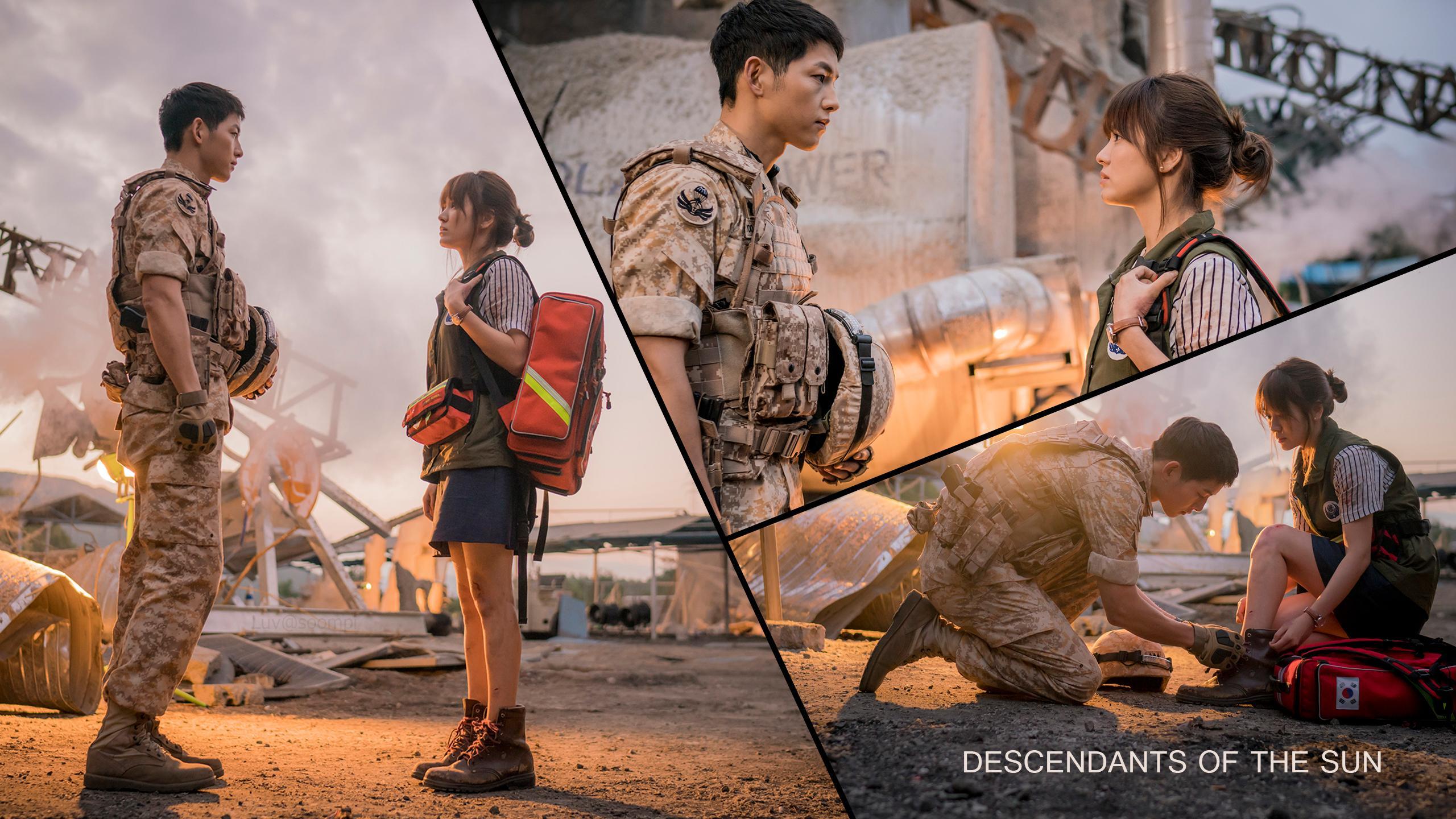
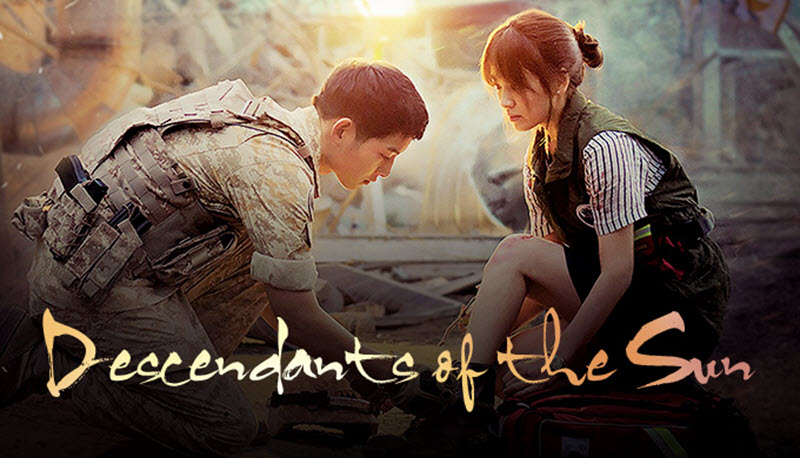
Okay, confession time. Remember back in 2016 when everyone, and I mean everyone, was obsessed with that soldier-doctor K-drama? Yeah, I totally judged them. Thought it was all fluffy romance and perfectly sculpted abs (which, let's be honest, it kind of was). But then… I caved. Late to the party, I know. But Descendants of the Sun got me good. And it got me thinking: how did this drama become such a massive, global phenomenon? Was it just the Song-Song couple's chemistry? (Probably a big part of it, ngl).
The truth is, its global reach wasn’t just happenstance. It wasn’t some cosmic accident that suddenly made everyone fluent in Korean and obsessed with military romances. A lot of it had to do with the distribution.
Let's break it down, shall we? Forget the romance for a sec (I know, hard, right?). Think about how you even saw the show. Did you stream it? Buy a DVD (remember those?)? Watch it on cable TV? Each of those is a different distribution channel, and the Descendants of the Sun team strategically used them all.
The Korean Wave (Hallyu) Advantage
South Korea had been carefully cultivating the "Hallyu" wave – the Korean Wave – for years. This meant actively promoting Korean culture, from K-pop to K-dramas, globally. The infrastructure was already there. Broadcasting companies had deals with international channels and streaming services. It's not like they were starting from scratch! They had a head start, you see?
Think of it like this: imagine trying to sell ice cream in Alaska without a freezer. Tough sell. Now, imagine you've already got a network of freezers and delivery trucks. Suddenly, ice cream sounds a lot more appealing, eh? That's what the Hallyu wave did for Descendants of the Sun.

Strategic Partnerships & Simultaneous Broadcasting
One of the key moves was securing deals with major international streaming platforms, most notably iQiyi and Viki. These platforms already had established user bases in Asia and other parts of the world. (Remember when Viki was the only way to watch Asian dramas with fan-made subtitles? Good times!).
But here's the kicker: Descendants of the Sun was one of the first Korean dramas to be simultaneously broadcast in South Korea and internationally. This meant that viewers around the globe could watch episodes just hours after they aired in Korea. No more waiting weeks, months, or even years for a translated version! Instant gratification, my friends, instant gratification.
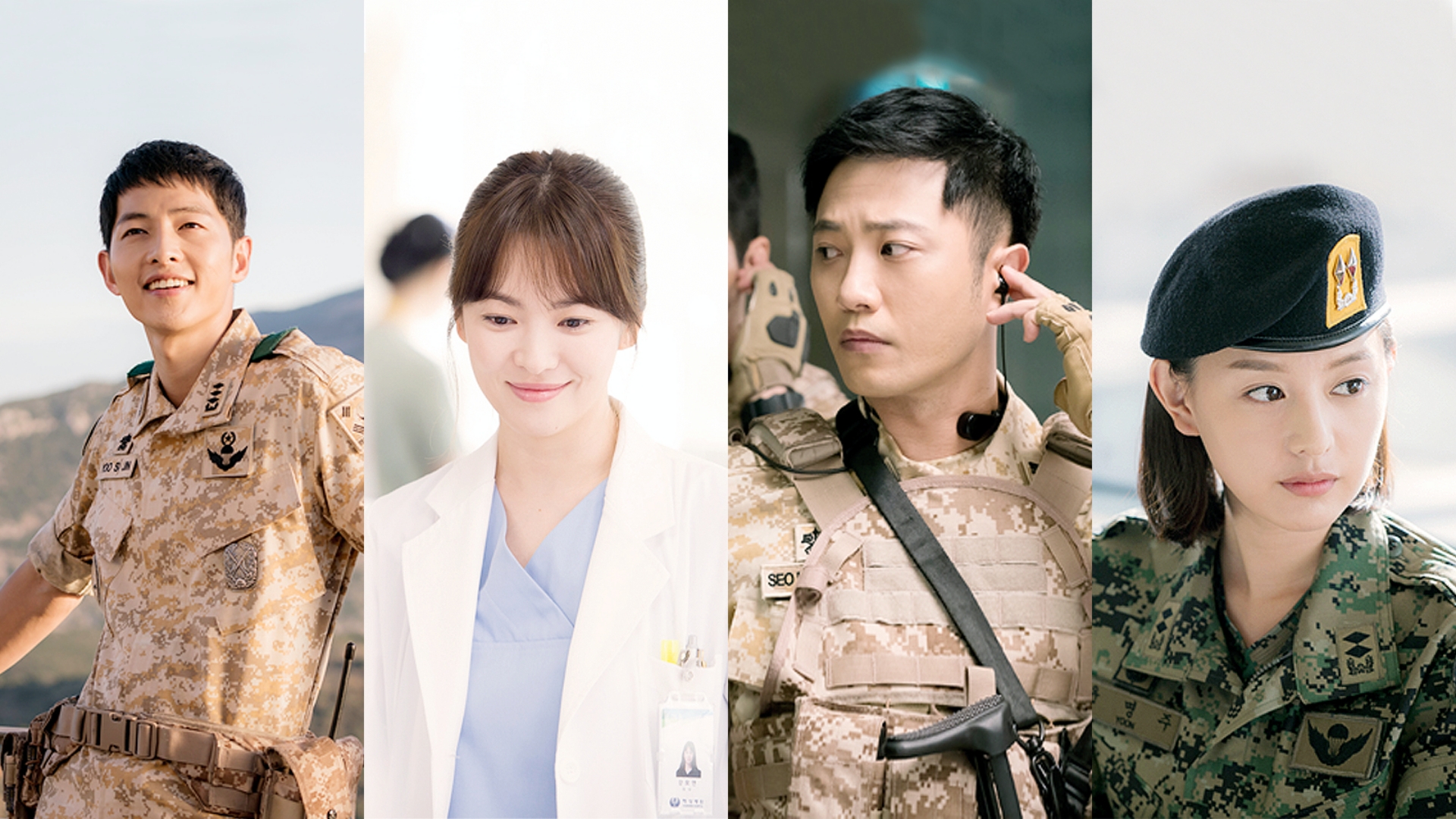
This drastically reduced piracy, too. Why bother downloading a dodgy, low-quality version when you can watch it legally, in HD, with accurate subtitles, almost immediately? Smart move, very smart.
Merchandise Mania & Endorsements
Of course, the distribution didn't stop with the show itself. Descendants of the Sun merchandise was everywhere – from t-shirts and phone cases to… well, probably everything. This expanded the show's reach even further, turning viewers into walking, talking advertisements. You know you wanted that Song Joong-ki keychain!

And let’s not forget the product placements. Every scene was basically a commercial for something – from cars to lipstick. Some thought it was excessive, but hey, it paid the bills, right? It's a crucial part of financing these big productions! And let’s be real, we were all influenced. Who didn't Google that lipstick Song Hye-kyo was wearing?
So, there you have it. The global success of Descendants of the Sun wasn't just about pretty faces and cheesy dialogue (though those helped). It was a carefully orchestrated distribution strategy that leveraged the Hallyu wave, embraced streaming, and capitalized on merchandise mania. Now, if you'll excuse me, I need to go re-watch episode one… for research purposes, obviously.