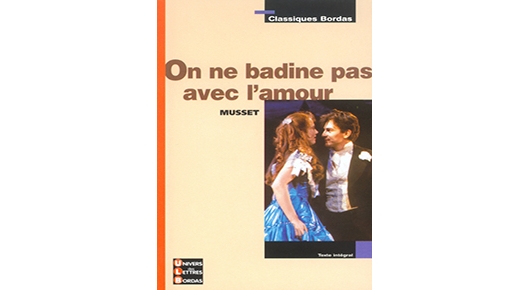
Okay, so picture this: me, sprawled on the couch, surrounded by enough coffee mugs to warrant a small archaeological dig, staring blankly at my laptop screen. The blinking cursor was mocking me. My mission? To crack the code of Alfred de Musset's On ne badine pas avec l'amour. I mean, seriously, the title alone is a mouthful! It's like Musset was daring us to even attempt an analysis. (And let's be real, who names a play "Don't Mess Around With Love"? Dramatic, much?).
But then, a memory popped up. My cousin, bless her dramatic soul, going through a very public breakup fueled by Instagram stories and way too many sad Adele songs. She was convinced love was a cruel game. And suddenly, Musset's title didn't seem so ridiculous anymore. Maybe, just maybe, he was on to something.
What's All the Fuss About? A Quick Synopsis
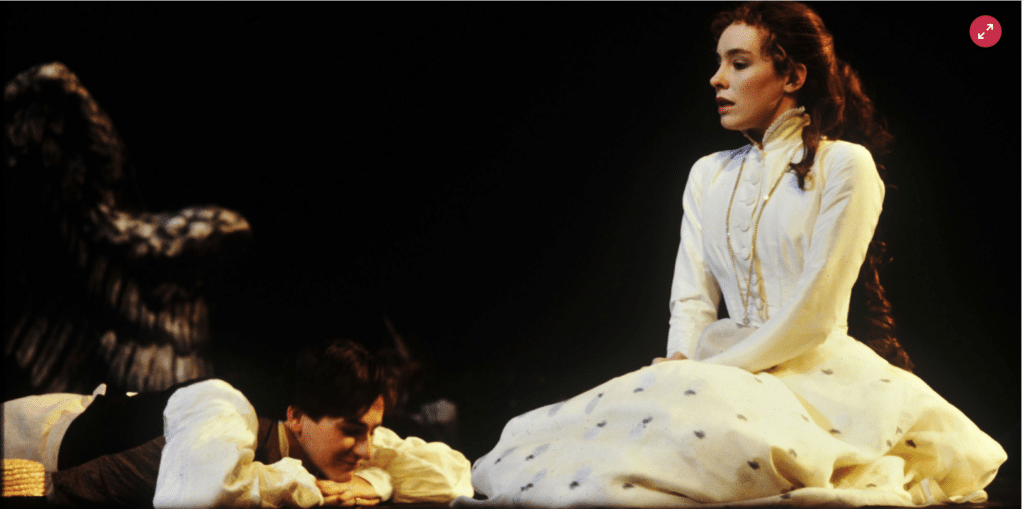
On ne badine pas avec l'amour, for those who haven't had the "pleasure" of reading it, revolves around Perdican and Camille. Childhood friends, destined to marry. He’s a charming, worldly guy fresh from university; she's been cloistered in a convent, all pious and seemingly immune to earthly passions. Sounds like a rom-com setup, right? Wrong. This is Musset we're talking about. Things are about to get messy. Think less "meet-cute," more "existential angst with a side of social commentary."
Camille, convinced of the perils of romantic love after witnessing heartbreak within the convent, refuses to marry Perdican. She's basically adopted the "I'm too good for love" mantra. Perdican, feeling rejected and possibly a bit bruised in the ego department (who wouldn’t?), decides to play along. He starts flirting with Rosette, a young peasant girl, to make Camille jealous. Now, this is where the "don't mess around with love" part really kicks in.
The Big Themes: Love, Loss, and Letting Go (or Not)
So, what makes this play a goldmine for dissertation-worthy analysis? It's not just about a couple of stubborn characters. Musset's work delves into some seriously profound themes:
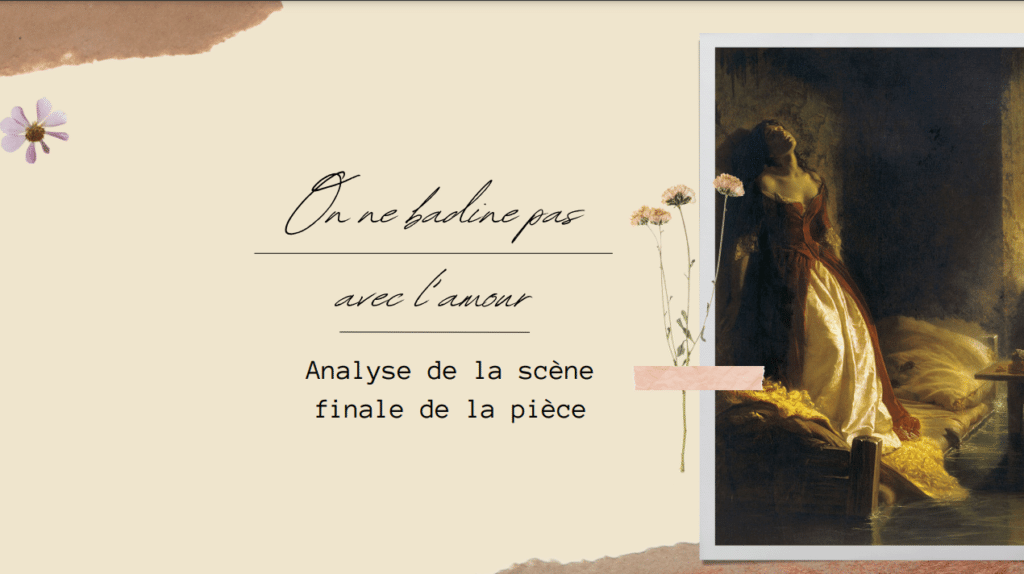
- The Nature of Love: Is it a source of joy or inevitable pain? Musset presents conflicting viewpoints through Camille, who sees love as inherently deceptive, and Perdican, who initially views it as a game, but eventually confronts its raw power. (Food for thought: Which character resonates more with you? Maybe it depends on your last relationship status? Just kidding… mostly.)
- The Power of Idealism vs. Experience: Camille's idealism, shaped by her convent upbringing, clashes with Perdican's worldly experiences. This creates a fascinating tension, highlighting the difficulties of navigating love when armed with vastly different perspectives.
- The Role of Social Class: The play subtly, yet powerfully, explores the dynamics between the aristocracy (Perdican and Camille) and the peasantry (Rosette). Rosette becomes a pawn in their game, ultimately paying the heaviest price. This element elevates the play beyond a simple love story and into a commentary on societal inequalities.
- The Dangers of Manipulation: Perdican's attempt to make Camille jealous has tragic consequences. It underscores the fragility of human emotions and the destructive potential of using others as instruments in our own emotional battles.
Why is Camille so… Ugh?
Okay, let's be honest. Camille can be frustrating. Her unwavering cynicism and refusal to embrace love often leave the audience wanting to shake her and shout, "Just lighten up already!" But it's important to understand her motivations. The convent has instilled in her a deep fear of vulnerability. She sees love as a path to suffering, and she's determined to avoid it at all costs. (Think of her as the ultimate commitment-phobe, just transported to 19th-century France.)
Her coldness, though off-putting, is a defense mechanism. She's built a wall around her heart to protect herself from the pain she believes is inevitable. Whether or not that's a healthy approach is, of course, up for debate. But it definitely adds a layer of complexity to her character. She’s not just being difficult; she's grappling with deep-seated fears.
Perdican: More Than Just a Rich Boy
Perdican, on the other hand, seems more open and carefree at first glance. He's intelligent, charming, and enjoys the attention of others. However, beneath the surface lies a deeper sense of vulnerability. Camille's rejection wounds him deeply, prompting him to engage in a game of his own. He wants to prove that he's desirable, that he's not affected by her indifference.

His flirtation with Rosette is a strategic move, designed to provoke a reaction from Camille. But it's also a reckless act. He fails to consider the consequences of his actions and the pain he inflicts on Rosette. He's blinded by his wounded pride, which, let's face it, is a pretty common human flaw. Ultimately, Perdican learns a painful lesson about the responsibility that comes with power and privilege. (Plus, you know, the importance of not playing with people's feelings. Rookie mistake.)
Why On ne badine pas avec l'amour Still Matters Today
Despite being written in the 19th century, On ne badine pas avec l'amour continues to resonate with modern audiences. Why? Because the themes it explores – love, loss, betrayal, and the complexities of human relationships – are timeless.

- It reminds us that love is not always simple. It can be messy, painful, and even destructive.
- It challenges us to examine our own beliefs about love. Are we approaching it with open hearts or guarded defenses?
- It warns us of the dangers of manipulation and the importance of treating others with respect. You know, basic human decency stuff.
The play also serves as a cautionary tale about the consequences of playing games with emotions. Perdican and Camille's actions, driven by pride and insecurity, ultimately lead to tragedy. It's a powerful reminder that our choices have repercussions, and that we should always strive to be mindful of the impact we have on others. (Basically, don't be a jerk.)
Final Thoughts: A Play Worth Pondering
So, is On ne badine pas avec l'amour a cheerful, feel-good romp? Absolutely not. But it is a thought-provoking exploration of the human heart. It's a play that stays with you long after you've finished reading it, prompting you to question your own beliefs about love and relationships. And, honestly, isn't that the mark of truly great literature?
And hey, if you're still struggling to understand it, don't worry. You're not alone. I'm pretty sure even Musset himself didn't have all the answers. Just grab a cup of coffee (or, you know, a bottle of wine), settle in, and prepare to be challenged. You might just learn something about yourself in the process. Happy analyzing!