Okay, imagine this: I'm at a dinner party, feeling all sophisticated, sipping wine and trying to understand the political chatter. Someone drops the phrase "projet de loi" and someone else counters with "proposition de loi." My brain? Total freeze. I nodded sagely, pretending I knew the difference, while secretly Googling it under the table. Sound familiar? (Don't worry, we've all been there!). So, let's finally unravel this mystery together, shall we?
The core question is: What's the actual difference between a projet de loi and a proposition de loi? It seems like just semantics, right? Wrong! It's all about who is suggesting the law and how it gets into the parliamentary pipeline.
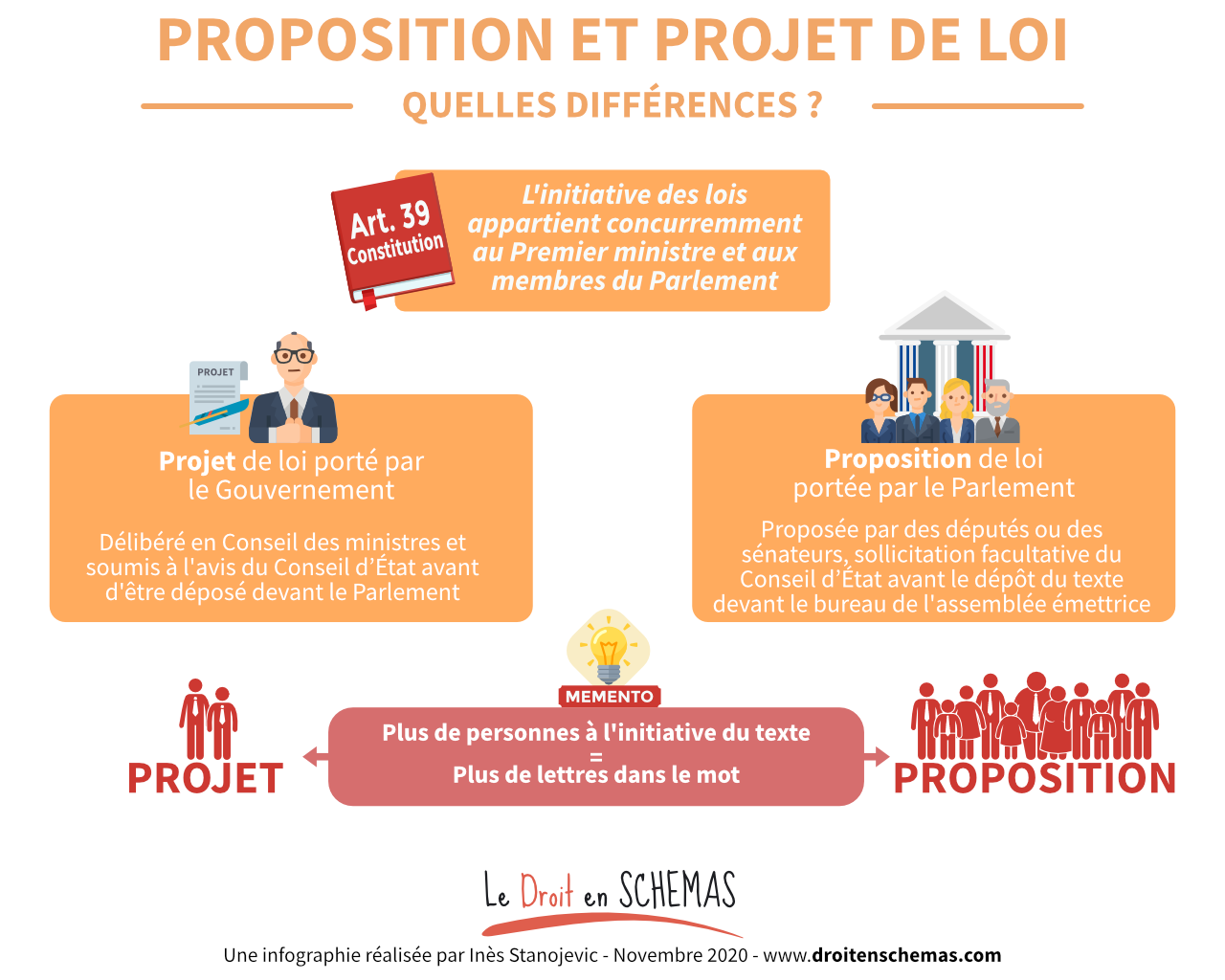
The Government's Baby: Projet de Loi
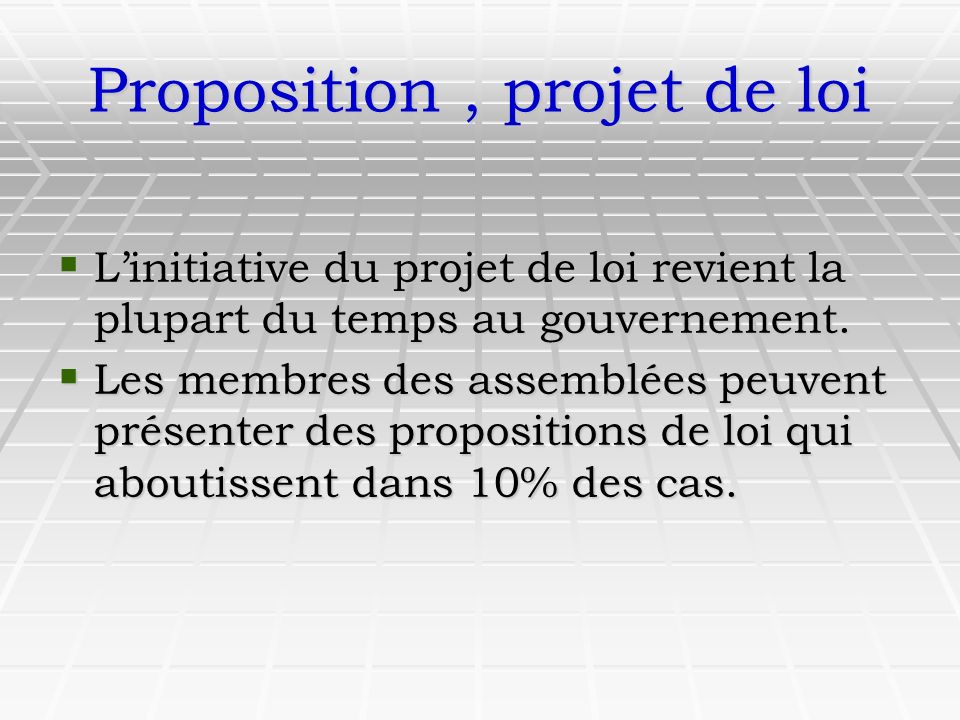
Think of a projet de loi as the government's baby. It's a bill that's initiated and presented by the executive branch (that's the Prime Minister and their ministers). The government, you see, has a whole team of legal eagles who draft these bills. They usually deal with matters that are central to the government's agenda, things that are key to implementing their policies. (Think massive tax reforms, big changes to education, national security legislation... you get the picture.)
Key characteristics of a Projet de Loi:
- Initiated by: The Government (Prime Minister and Ministers).
- Drafted by: Government legal experts (usually the Conseil d'État gets a look-see, offering crucial advice).
- Focus: Implements the government's policies and agenda.
- Priority in Parliament: Generally given priority debate time (because, you know, it's their thing!).
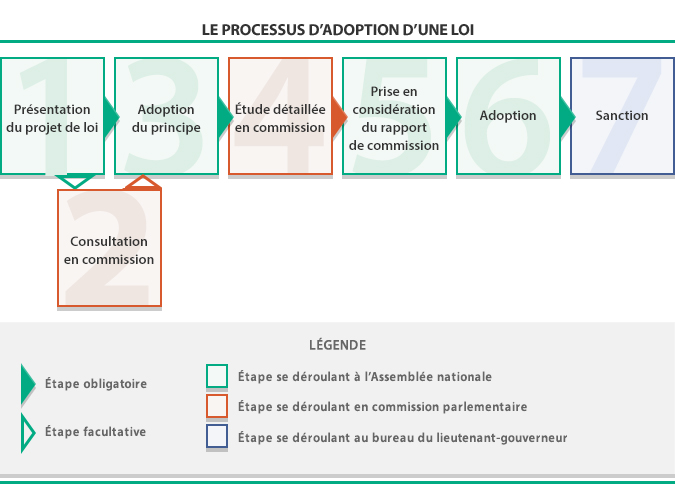
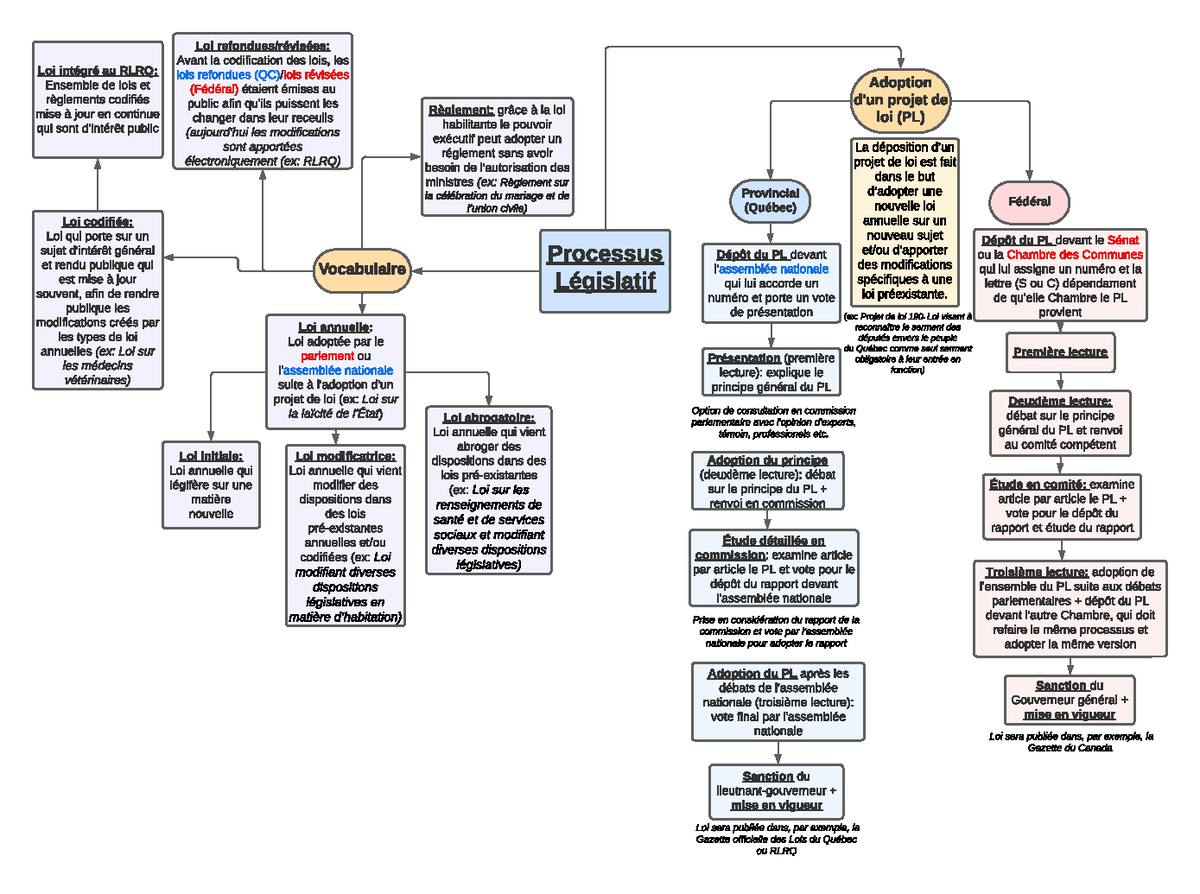
Before a projet de loi even reaches parliament, it goes through a pretty rigorous internal process. It's debated within the relevant ministries, and it's often submitted to the Conseil d'État for its opinion. The Conseil d'État is basically a council of wise legal heads, and they ensure the bill is legally sound and doesn't clash with any existing laws or constitutional principles. (Think of them as the quality control team for laws!).
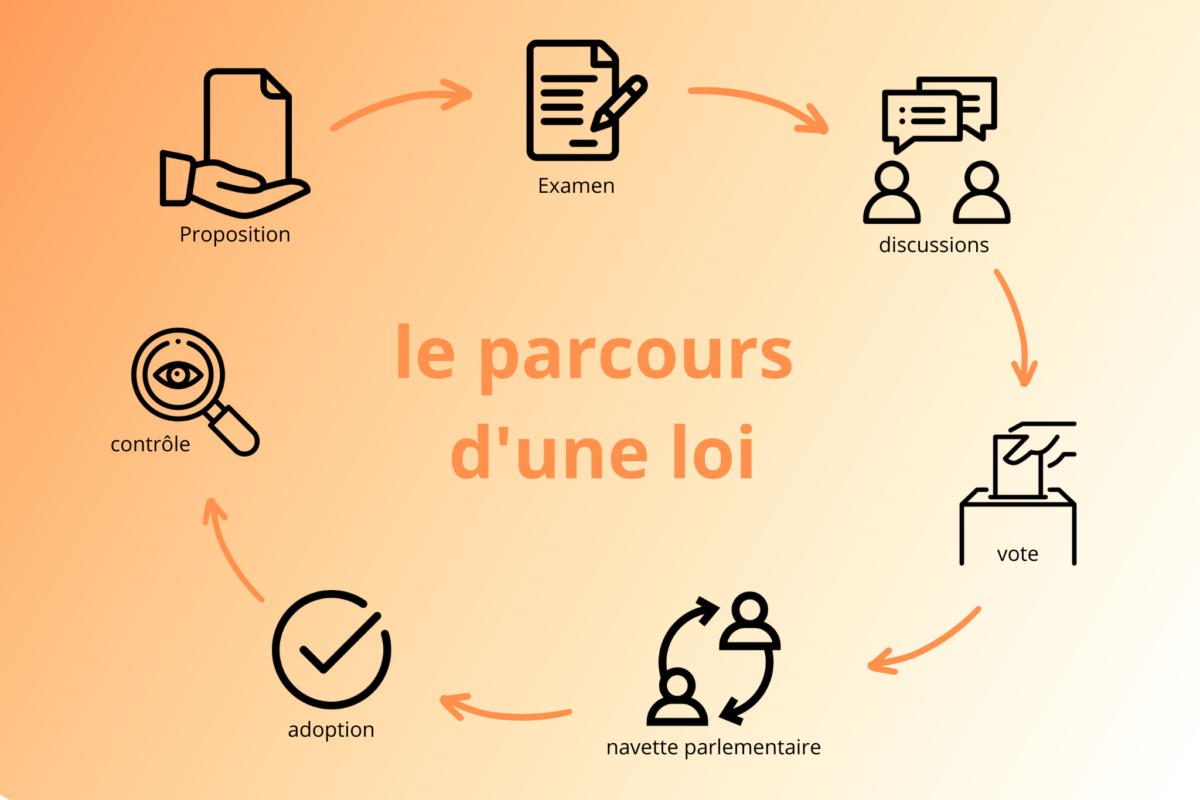
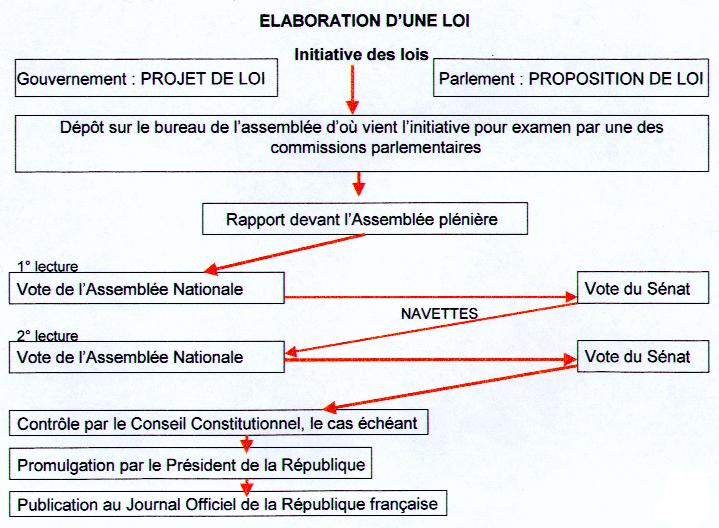
So, the government crafts the bill, the Conseil d'État vets it, and then it's officially submitted to the Parliament for debate and voting. Think of it as sending your perfectly polished masterpiece to a prestigious art gallery.

The Parliament's Idea: Proposition de Loi
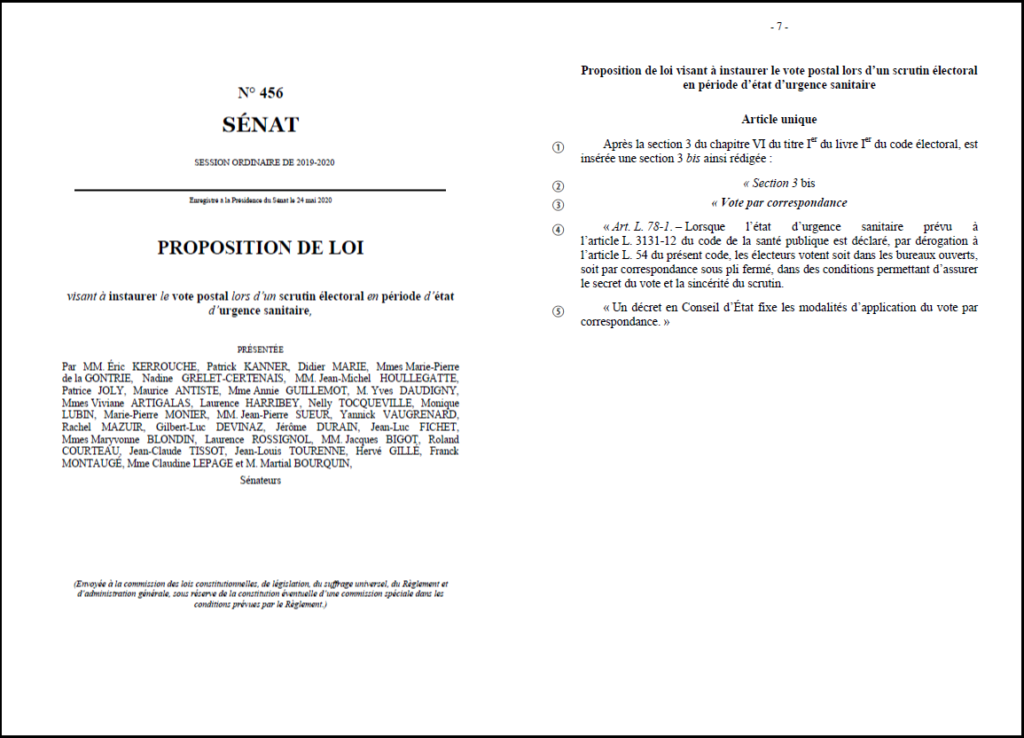
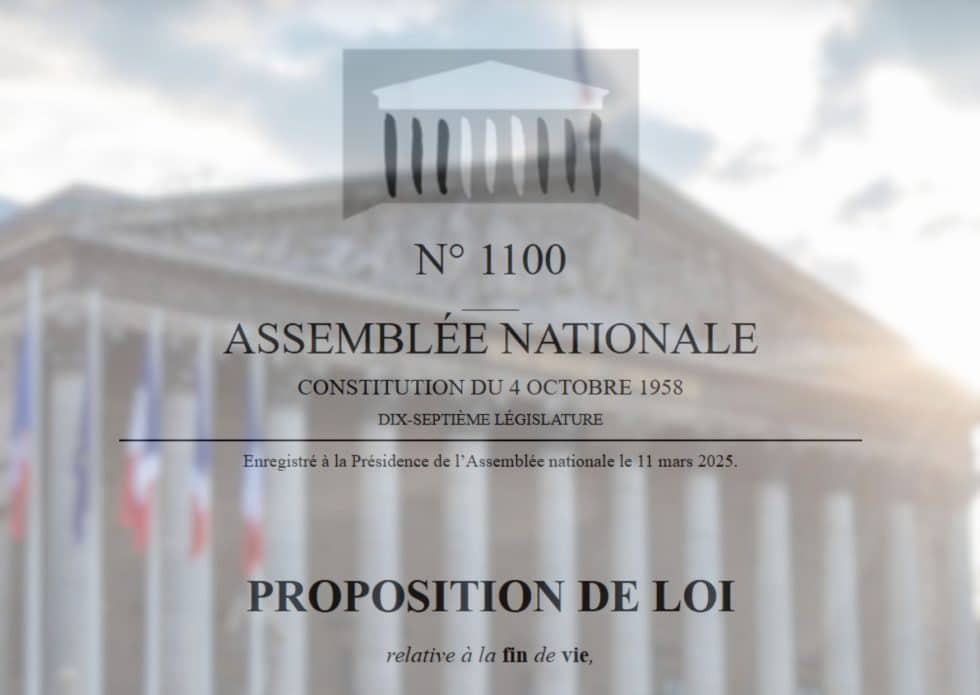
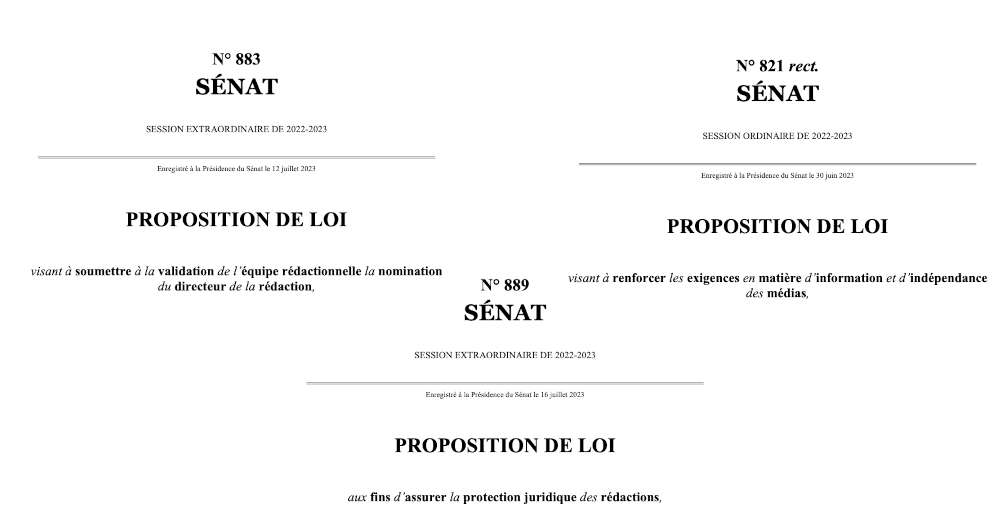
Now, a proposition de loi is a whole different beast. This is a bill proposed by a member of Parliament (either a député in the National Assembly or a sénateur in the Senate). It's their chance to champion a cause, address a local issue, or propose a change to existing legislation that they feel is necessary. Essentially, it's the voice of the legislative branch.
Key characteristics of a Proposition de Loi:
- Initiated by: A Member of Parliament (Deputy or Senator).
- Drafted by: The MP (or their parliamentary staff – they don't do it all alone!).
- Focus: Can be more varied, often addressing specific concerns or proposing changes to existing laws.
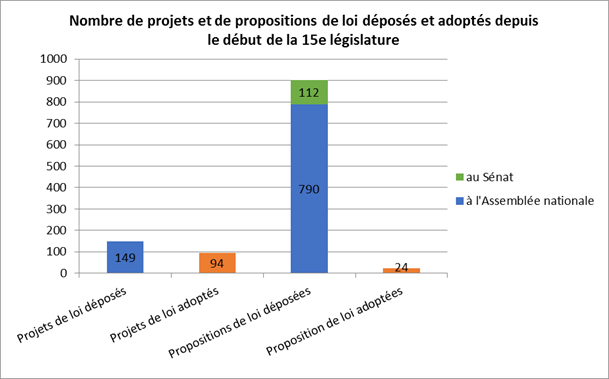
- Priority in Parliament: Lower priority than projets de loi (getting them debated can be a challenge!).
So, an MP has an idea, they draft a bill, and then they submit it to their respective chamber of Parliament. Sounds straightforward enough, right? Well, here's the catch: getting a proposition de loi debated and voted on can be tough. The government often controls the parliamentary agenda, so propositions de loi can get stuck in a queue, waiting for their turn. It's like trying to get a song played on the radio when you're not a superstar artist! The MP has to work hard, build support, and convince the powers that be that their proposal is worth considering.

It's also important to note that propositions de loi can't create or increase public spending without providing a corresponding source of revenue. This is a constitutional rule designed to prevent MPs from making promises they can't keep (or, more cynically, from bankrupting the country with well-intentioned but unfunded proposals!).
Why Does It Matter?
Okay, so now we know the difference. But why should we care? Well, understanding the difference between a projet de loi and a proposition de loi gives you a better understanding of the legislative process in France. It shows you who has the power to initiate legislation and how different types of bills are treated within the parliamentary system.
For example, if you're following a particular issue, knowing whether it's being pushed forward by the government or by an individual MP can give you insights into its chances of success. A projet de loi backed by the government is much more likely to become law than a proposition de loi championed by a lone MP (unless, of course, that MP is a particularly influential figure!).
Also, it helps you to understand the political dynamics at play. Are opposition MPs using propositions de loi to challenge the government's policies? Are backbench MPs using them to address local issues that are being ignored by the national government? Paying attention to these details can give you a much richer understanding of French politics. Think of it as unlocking a hidden layer of the game!
A Quick Recap: Projet vs. Proposition
Let's break it down one last time, just to be super clear:

- Projet de Loi: Government initiative, drafted by government lawyers, prioritised in parliament, implements government policies. Think "Government's Law."
- Proposition de Loi: MP initiative, drafted by the MP (or their team), lower priority, can address specific issues or amend existing laws. Think "Parliament Member's Law."
The projet de loi usually has a smoother, government-backed ride. The proposition de loi, on the other hand, is like a plucky underdog trying to get its voice heard.
Final Thoughts: From Dinner Party Disaster to Legislative Expert (Almost!)
So, the next time you're at a dinner party and someone drops the terms projet de loi and proposition de loi, you can confidently nod and actually know what they're talking about! You'll be able to impress your friends (and maybe even your enemies) with your newfound knowledge of French legislative procedures. And who knows, maybe you'll even be inspired to become an MP and propose your own proposition de loi someday! Stranger things have happened...
Hopefully, this has cleared up the confusion. Remember, it's all about who is proposing the law. Government? Projet de loi. MP? Proposition de loi. Now go forth and conquer the world of French politics! (Or at least win your next dinner party debate!). And remember, the legal world has many other things you can be curious about. Never stop learning!