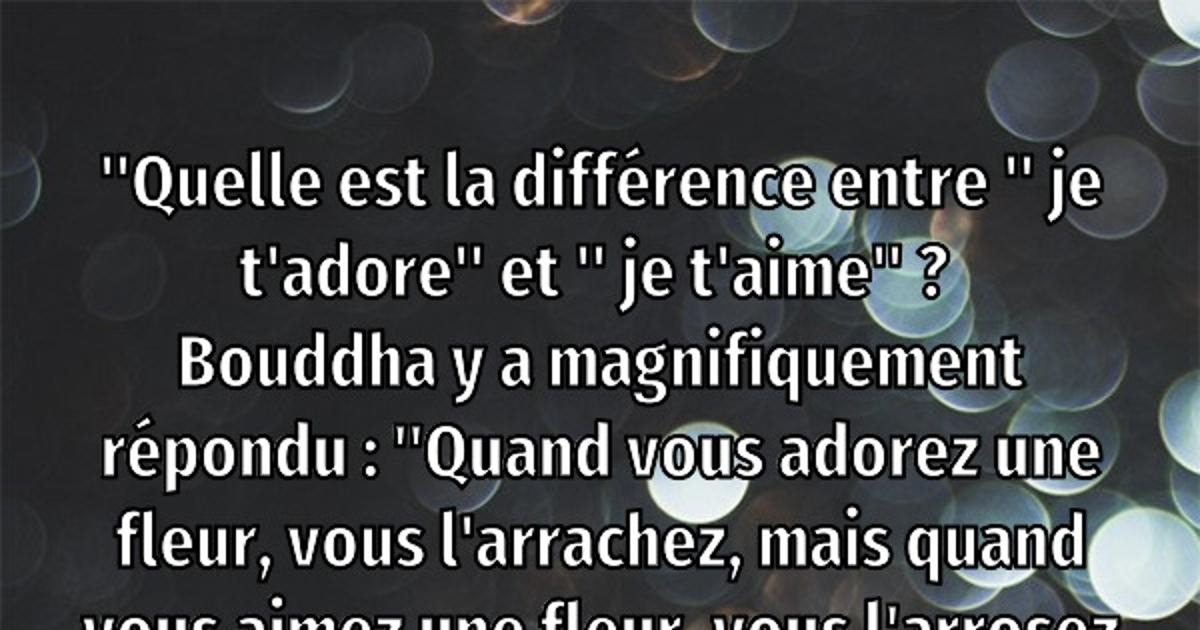
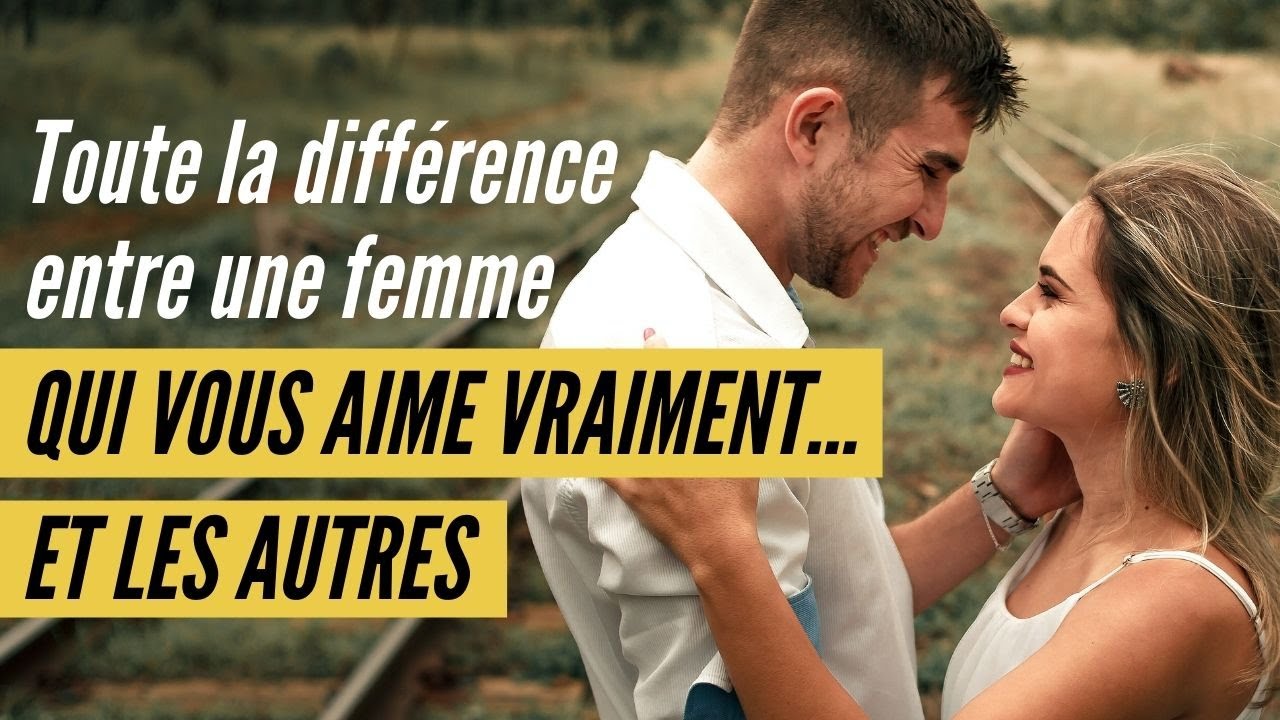
Ah, l'amour à la française! It's as complicated as the pronunciation of “écureuil”, isn’t it? Especially when you're trying to navigate the nuances of expressing your feelings. Let's dive into the ever-so-subtle, yet monumental, difference between "Je te kiffe" and "Je t'aime". Ready? On y va!
"Je te kiffe": The Butterfly Phase
Imagine a summer fling on the Côte d'Azur. Sun-kissed skin, rosé sunsets, and… "Je te kiffe!" This expression is all about the initial spark, that electric buzz when you're totally into someone. Think of it as the French equivalent of saying "I'm really into you" or "I dig you". It's fun, light, and full of possibilities.
- Intensity: Low to medium. It’s not a declaration of lifelong commitment.
- Seriousness: Casual. Perfect for early stages of a relationship or expressing admiration for a friend.
- Commitment level: Minimal. It doesn't necessarily imply a deep, emotional bond.
- Example: "Je kiffe tes cheveux!" (I love your hair!) - Can be used about objects too!
Think of the energy of a Parisian café - buzzing, exciting, and slightly unpredictable. That’s "Je te kiffe" in a nutshell. It’s the feeling you get when you discover a new favourite song or finally perfect that notoriously difficult soufflé.
"Je t'aime": The Real Deal
Now, "Je t'aime" – this is the big one. It’s the French equivalent of "I love you" and carries a significant amount of weight. It's a phrase reserved for those deep, meaningful connections that truly touch your soul. Think of it as the Eiffel Tower of affection - grand, iconic, and enduring (hopefully!).
- Intensity: High. It's a declaration of deep affection and commitment.
- Seriousness: Very serious. Use with caution!
- Commitment level: Significant. It implies a deep emotional bond and the desire for a long-term connection.
- Cultural Note: In France, "Je t'aime" isn't thrown around as casually as "I love you" might be in some English-speaking cultures.
Hearing "Je t'aime" is like discovering a hidden gem in the Louvre. It’s a feeling of profound connection and belonging. It signifies vulnerability, trust, and a genuine desire to share your life with someone. Don’t confuse this with "J'aime bien" which mean "I like".
Decoding the Signals: How to Tell the Difference
So, how do you avoid a French faux pas and accurately gauge the depth of someone's feelings? Here are a few clues:
- Context is key: Is it said after a month of dating or a passionate night out? Or after years of shared experiences and unwavering support?
- Body language matters: Pay attention to their eyes, their touch, and their overall demeanor. Is there genuine warmth and tenderness?
- Listen to the tone: Is it said lightly and playfully, or with deep sincerity?
- Look at the Actions: Do their actions match their words? Words are just that, words.
Remember that scene in Amélie where she meticulously orchestrates moments of kindness? That’s the kind of thoughtful action that often accompanies "Je t'aime". It's not just about saying the words; it's about showing them.
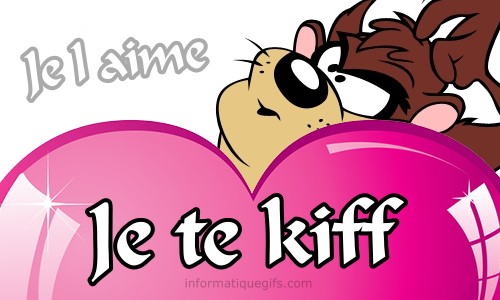
Beyond Romance: "Kiffer" Life!
One fun thing about "kiffer" is that you can use it to express your enjoyment of pretty much anything! "Je kiffe ce film!" (I love this movie!), "Je kiffe le chocolat!" (I love chocolate!). It’s a versatile word that adds a touch of French flair to your everyday expressions. Use it in good health, you deserve it.
Ultimately, understanding the difference between "Je te kiffe" and "Je t'aime" is about more than just vocabulary. It’s about appreciating the nuances of human connection and being mindful of the weight our words carry. In everyday life, be brave to express yourself truthfully, no matter what you call it.