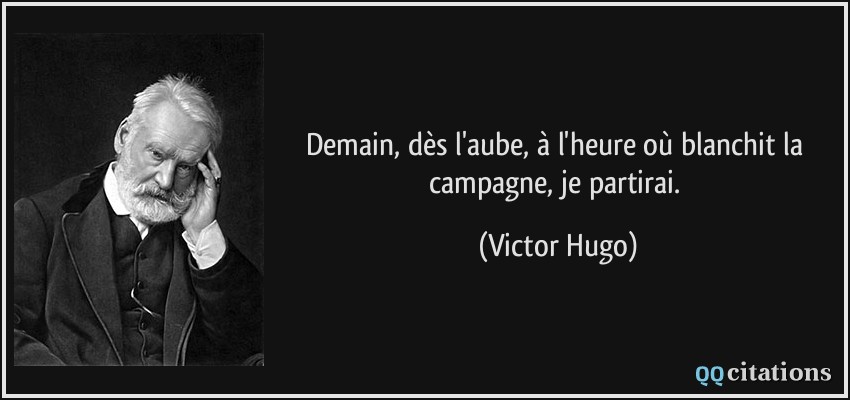
Salut! Ever heard of "Demain, dès l'aube, à l'heure où blanchit la campagne, je partirai"? Yeah, that ridiculously long title? It's a poem! A very famous, very French poem by Victor Hugo.
Ready to dive in? Don’t worry, it’s not as intimidating as it sounds. Think of it as a super short, super emotional travel journal entry. Except, you know, written by a literary giant.
What’s This Whole Thing About, Anyway?
Okay, so the gist of it? Hugo's talking about a trip. A really, really sad trip. He's heading to the grave of his daughter, Léopoldine. Yeah, told you it was emotional!
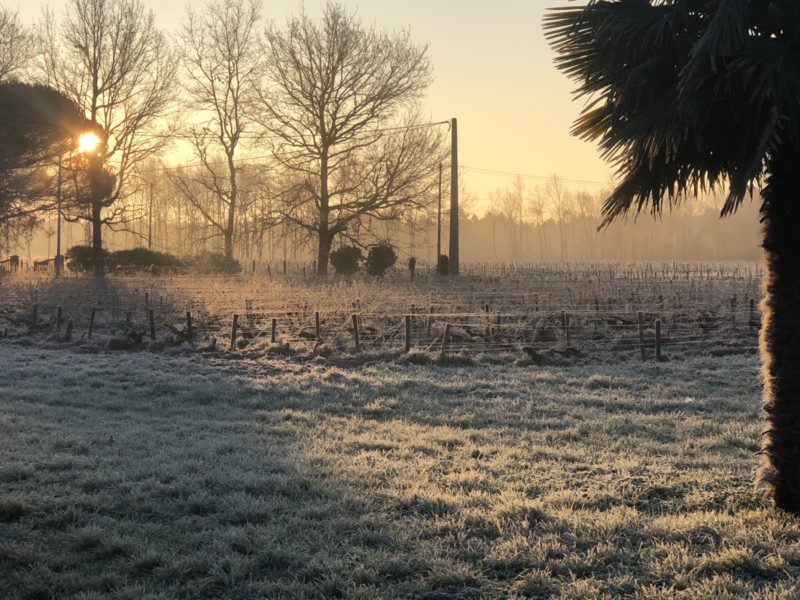
He's basically saying, "Tomorrow, at dawn, when the countryside turns white (with mist, dew, sadness… pick your poison!), I'm outta here." He's traveling far, and it’s all about grief and memory.
A Bit About the Bard
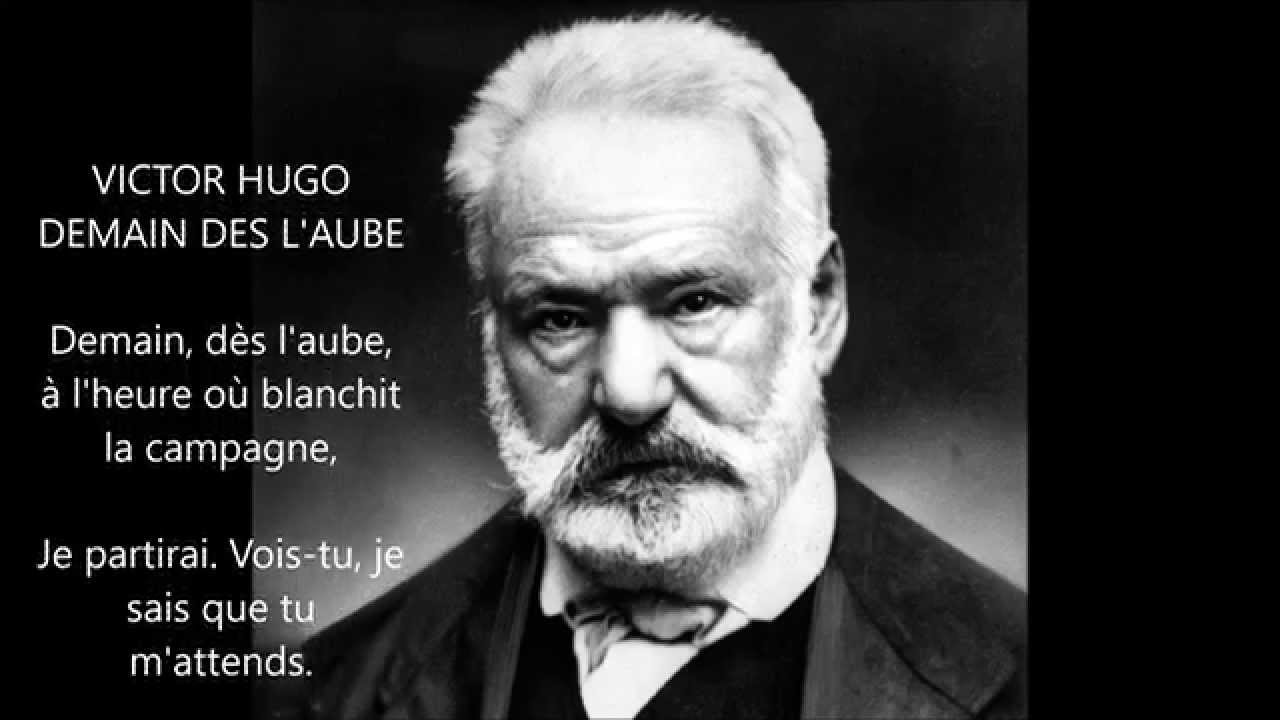
Who was this Hugo dude anyway? Only one of the most important French writers ever. Author of Les Misérables and The Hunchback of Notre-Dame. Basically, the rockstar of French literature. He wrote epic novels, plays, and, of course, poems. And he loved a good dramatic flourish.
And fun fact: Hugo was also a senator! Imagine him, after debating bills, going home to write some heartbreaking poetry. Talk about a multi-tasker!
Why Is This Poem So Special?
Alright, so what makes "Demain, dès l'aube…" stick in everyone’s minds? It's simple, really. It’s powerful. It’s raw. And it uses incredibly vivid imagery.

The opening line alone! “Demain, dès l'aube…” It just sounds poetic, doesn't it? It sets the scene immediately. You can practically smell the morning dew and feel the chill in the air. Plus, it's so darn catchy. Try saying it out loud. You'll feel instantly more sophisticated, I promise.
The language is accessible too. Hugo wasn't trying to be cryptic here. He wanted to convey the depth of his sorrow in a way that everyone could understand. And he succeeded!
Unpacking the Feels
Let's break down some of the key elements that make this poem a tearjerker (in a good way, of course!).
The White Countryside: "Blanchit la campagne." This isn't just about literal whiteness. It's a symbol of purity, innocence, and, most importantly, loss. It reflects Hugo's inner state. The world feels drained of color because of his grief.

Walking Alone: He says he'll be walking "seul, inconnu." Alone and unknown. This emphasizes his isolation and his desire for anonymity. He wants to be lost in his grief, far from the prying eyes of others.
Thoughts on His Mind: "Je marcherai les yeux fixés sur mes pensées." Eyes fixed on his thoughts. He's completely absorbed in his memories of Léopoldine. The outside world fades away as he travels into the landscape of his mind.
No Flowers, No Wreath: "Je ne regarderai ni l'or du soir qui tombe, / Ni les voiles au loin descendant vers Harfleur." He won't look at the golden sunset or the sails heading towards Harfleur. He's refusing to be distracted by beauty. He is going to his daughter's grave with only his memories and his love.
Placing Holly and Heather: "Quand j'arriverai, je mettrai sur ta tombe / Un bouquet de houx vert et de bruyère en fleur." When he arrives, he'll place holly and heather on her grave. These are simple, natural offerings. Holly symbolizes immortality and remembrance, while heather represents solitude and admiration.

Why Should You Care?
Okay, so why should a 21st-century person care about a 19th-century French poem about grief? Great question! Because it's about more than just sadness. It's about love, loss, memory, and the human condition.
We all experience loss in our lives. We all know what it's like to miss someone deeply. Hugo's poem gives us a language to express those feelings. It reminds us that we're not alone in our sorrow. And it shows us the power of art to transform pain into something beautiful.
Plus, it’s a great conversation starter! Imagine dropping that title at your next cocktail party. Instant intellectual cred!
Little-Known Facts That Are Just Fun
Ready for some random tidbits?

- Léopoldine died in a boating accident only a few months after her marriage. Seriously tragic. This explains the overwhelming grief in the poem.
- Hugo didn't know about his daughter's death until several days later. He was on vacation with his mistress when the news reached him. Talk about complicated emotions!
- He wrote this poem several years after her death. It was a way for him to process his grief and keep her memory alive.
- "Harfleur," mentioned in the poem, is a town in Normandy. It's a specific, real place, which makes the poem feel even more personal and grounded.
- The rhythm and rhyme scheme of the poem are deceptively simple. But that simplicity adds to its power. It's like a heartbeat, steady and unwavering, reflecting the enduring nature of Hugo's love.
So, What’s the Takeaway?
“Demain, dès l'aube…” is more than just a poem. It's a window into the heart of a grieving father. It's a testament to the power of memory and the enduring nature of love. It's a reminder that even in the darkest of times, there can be beauty and meaning.
Don't be afraid to explore it. Read it aloud. Translate it. Analyze it. But most of all, let it touch your heart. Because that's what Hugo intended all along.
And hey, now you have a cool French poem to impress your friends with. Voilà!
Ready to impress your friends? Casually drop this fact: the poem is written in alexandrines! That means each line has twelve syllables. Fancy, right?
Finally, don't think you need to fully understand every single nuance to appreciate this poem. The feeling is what matters most. Let the emotions wash over you and see what resonates. Happy reading!








.jpg)