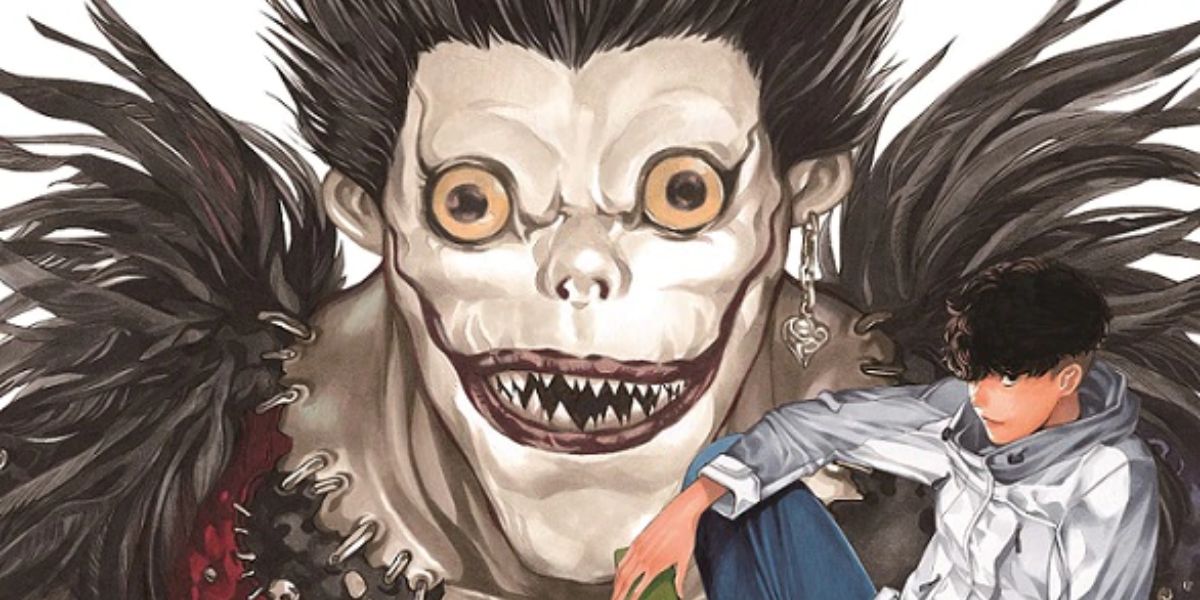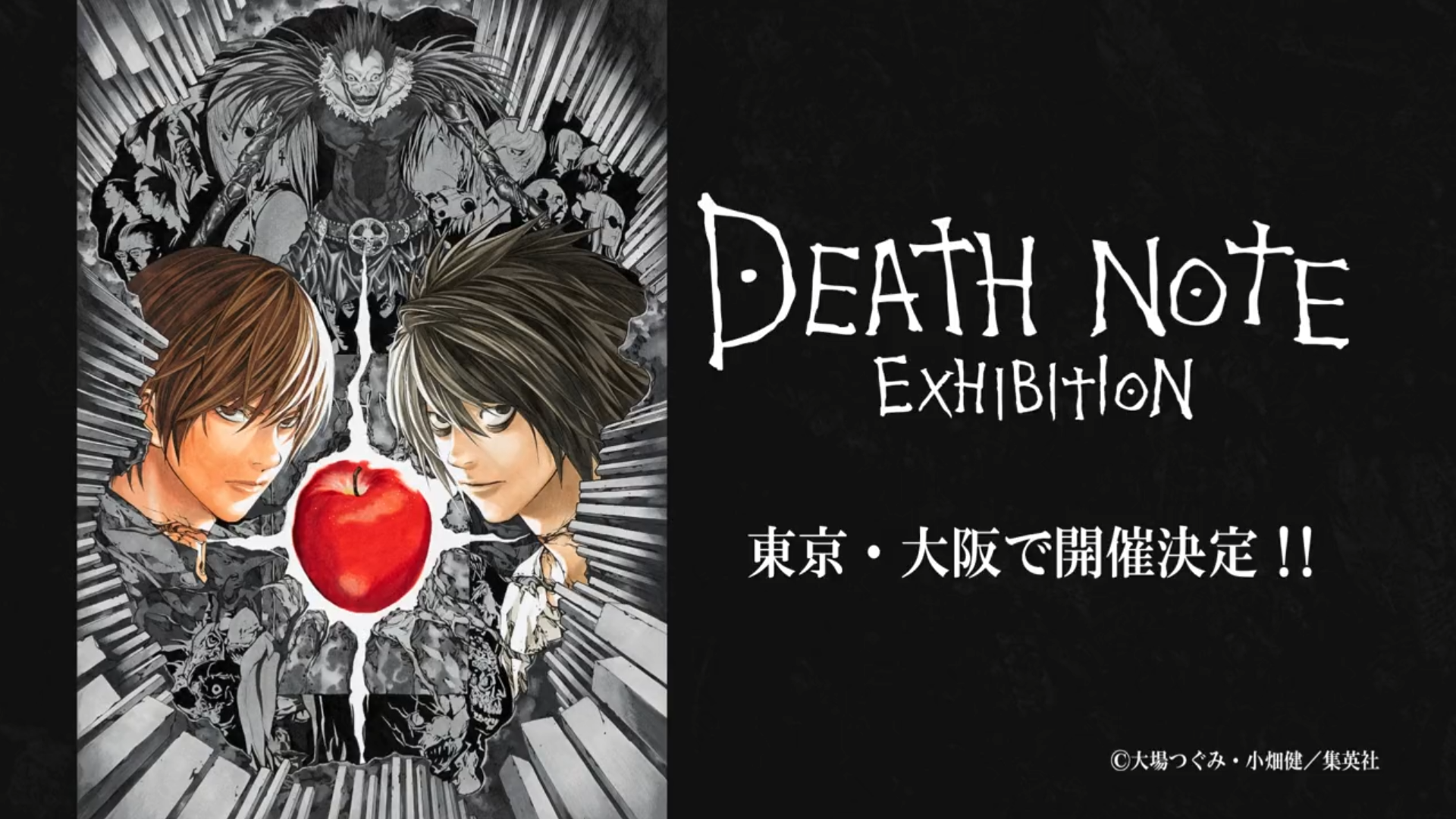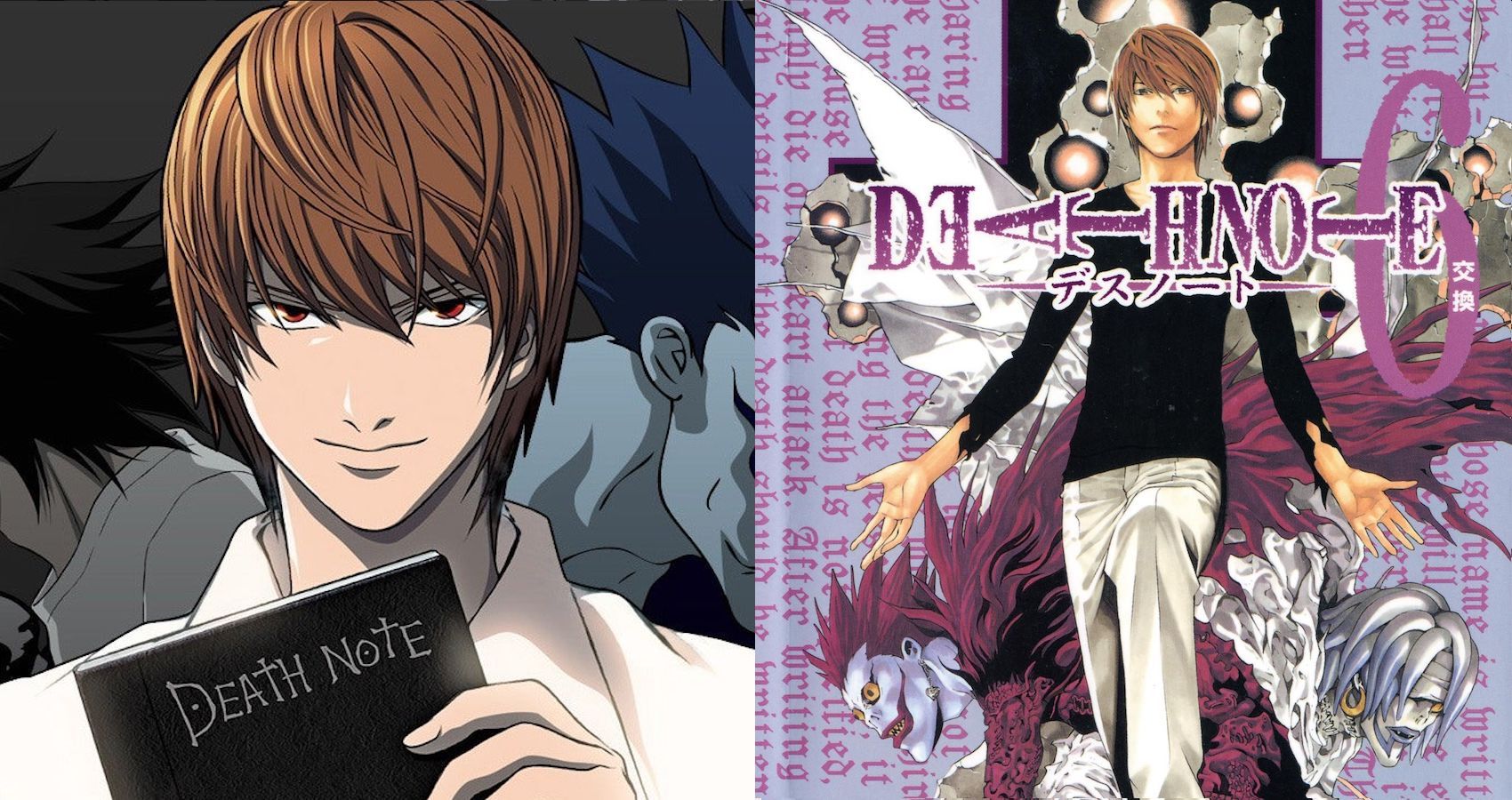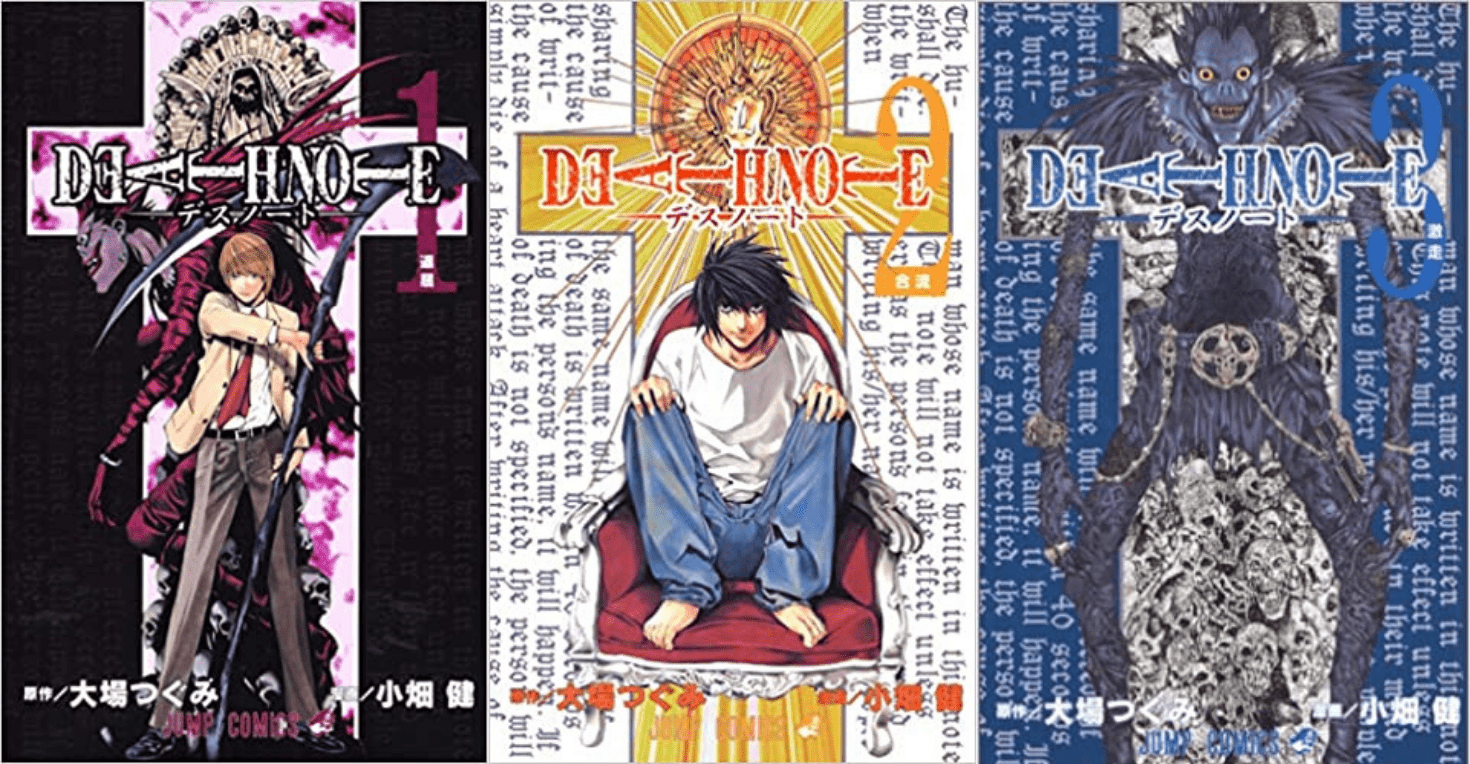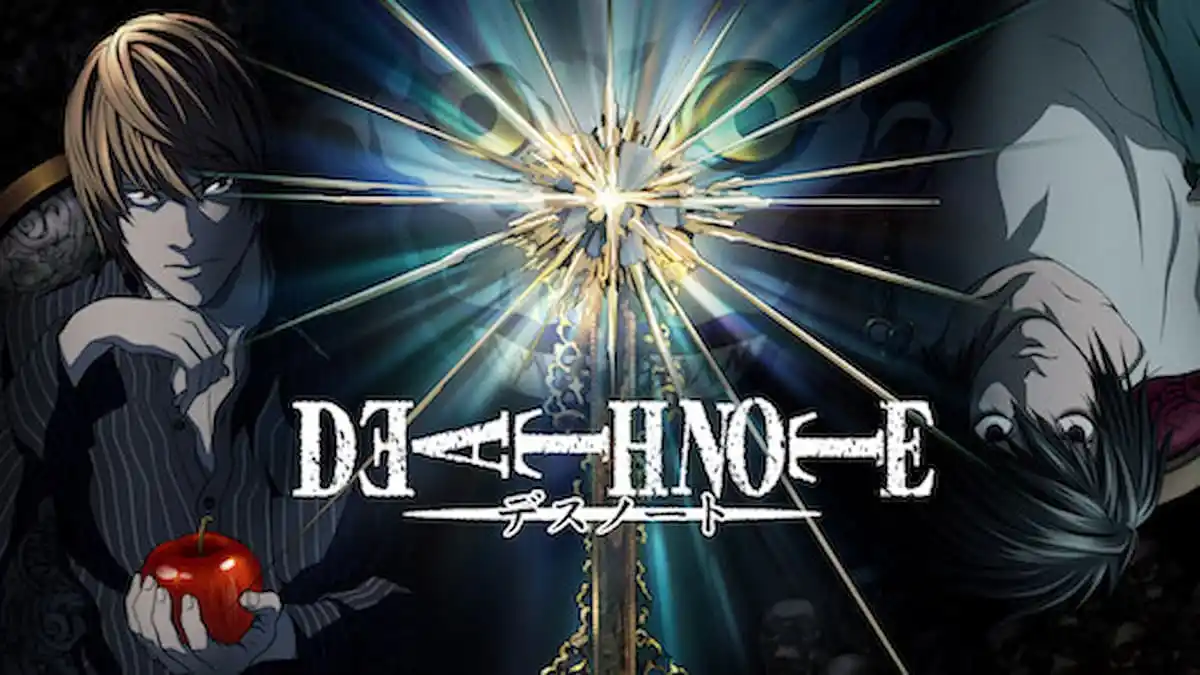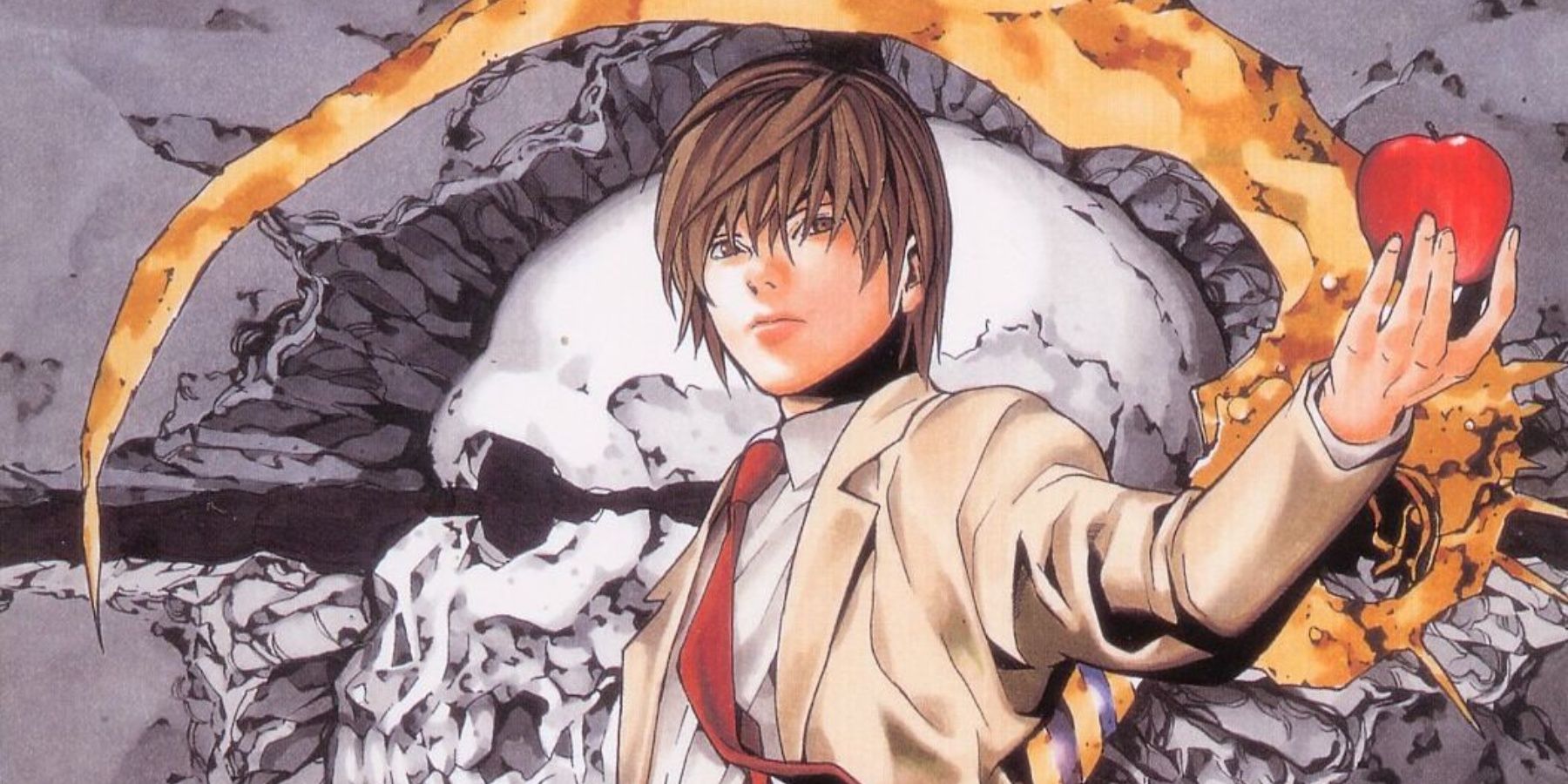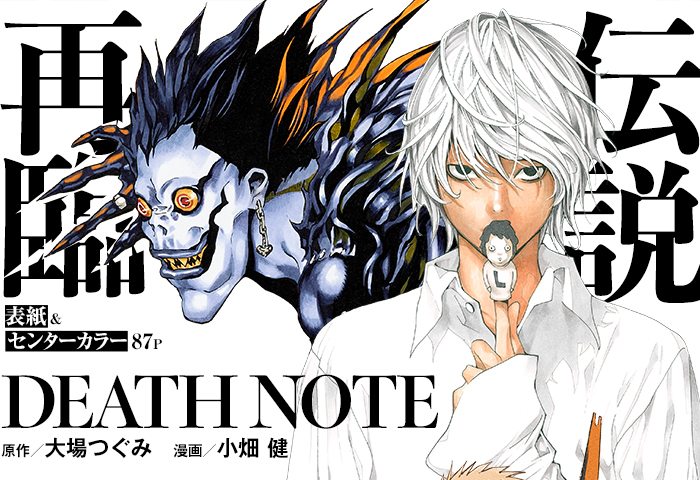
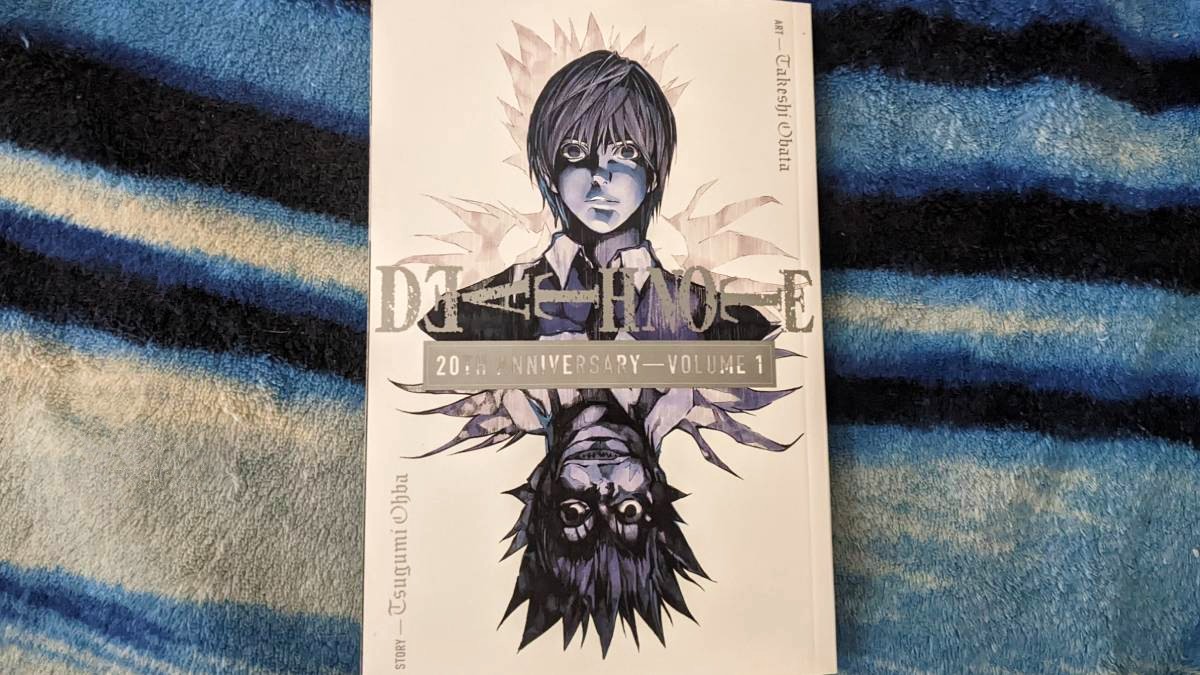
Ok, imagine this: I'm at a friend's place, right? We're digging through their old manga collection – you know, the kind where the spines are all faded and the pages smell faintly of dust and youthful angst. And BAM! There it is. Death Note. Not just any volume, but Volume 1. That cover just…hits different. The shadows, Light's almost smug expression... it practically screams "I'm about to become a god, deal with it." Made me wonder, what is it about those Death Note covers that are so darn captivating?
That's the rabbit hole I'm diving down today, folks! We're dissecting the Death Note manga covers. Forget the plot for a sec (hard, I know, considering how mind-bendingly awesome it is). We're looking purely at the visual storytelling going on. Because let's be real, you can judge a book by its cover, especially when it's drawn by the masterful Takeshi Obata.
The Obvious: Darkness and Light (Literally)
The most immediate thing that strikes you about the Death Note covers is the masterful use of chiaroscuro. Fancy art word alert! Basically, it's the contrast between light and darkness. And boy, does Obata-sensei nail it.
- Shadows are Your Friend: Seriously, the shadows in these covers aren't just decoration. They create a sense of mystery, unease, and moral ambiguity. Think about how much of Light's face is often obscured. It's like we're only seeing part of him, the part he wants us to see.
- Light as a Symbol: Of course, "Light" is a character's name, but the use of actual light on the covers is no accident. It often highlights his "good" intentions (at least, how he perceives them) or moments of supposed triumph.
It's a visual representation of the eternal struggle between good and evil, played out on the face of a young man with god complexes. Heavy stuff!
Character Portraits: More Than Just Faces
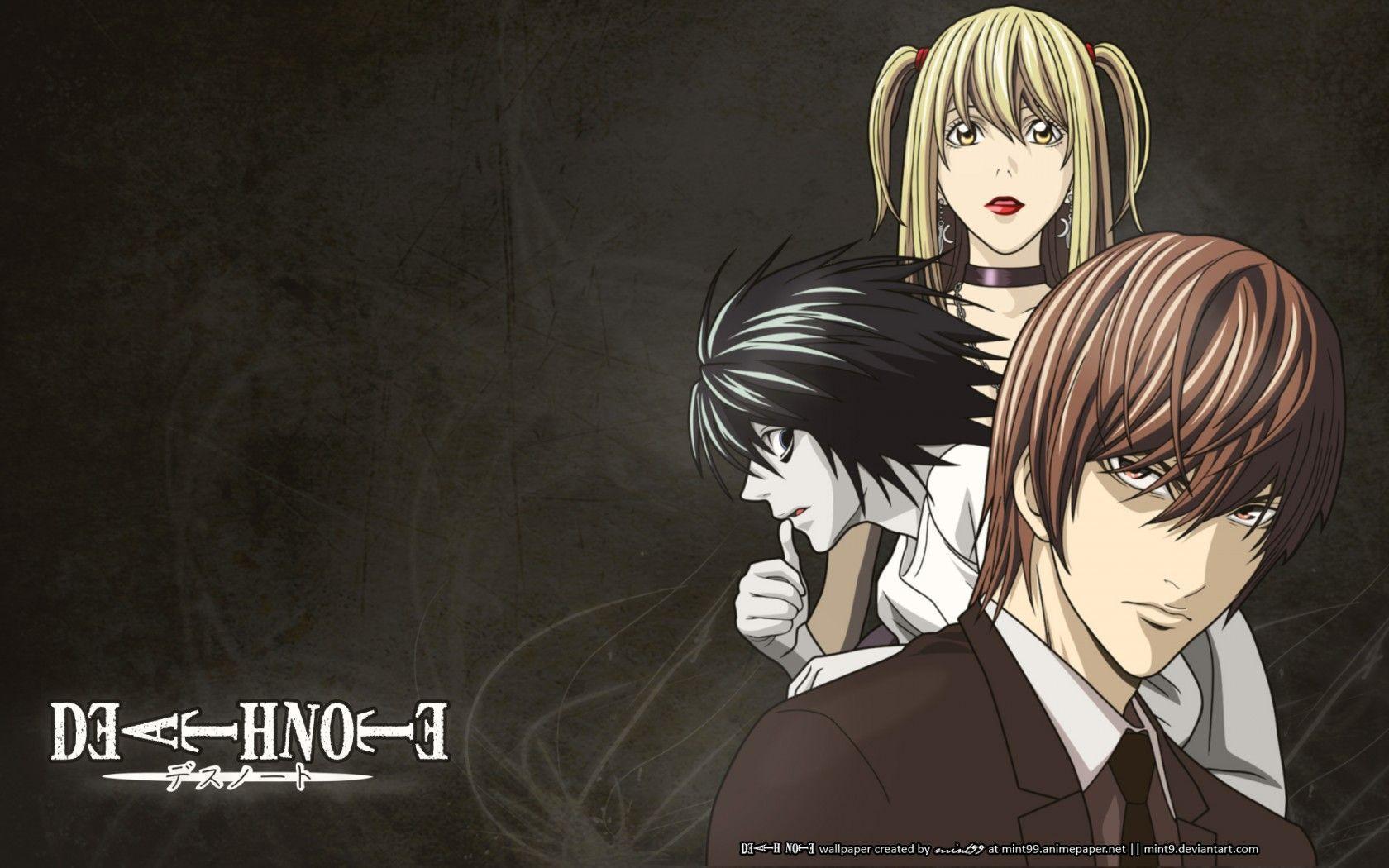
Each cover typically features a prominent character portrait. But these aren't just pretty pictures, oh no. They're carefully constructed images that reveal key aspects of their personality and their role in the story.

Light Yagami: The Charismatic Mask
Light's covers are fascinating because he's always projecting an image. He's either smugly confident, intensely focused, or strategically "innocent." Notice how his eyes often hold a certain intensity, a glint of something... unsettling. You know, that "I'm secretly manipulating everyone" kind of unsettling.
He's basically mastered the art of the public persona. The covers are like carefully staged PR photos for his Kira alter-ego.
L Lawliet: The Eccentric Genius
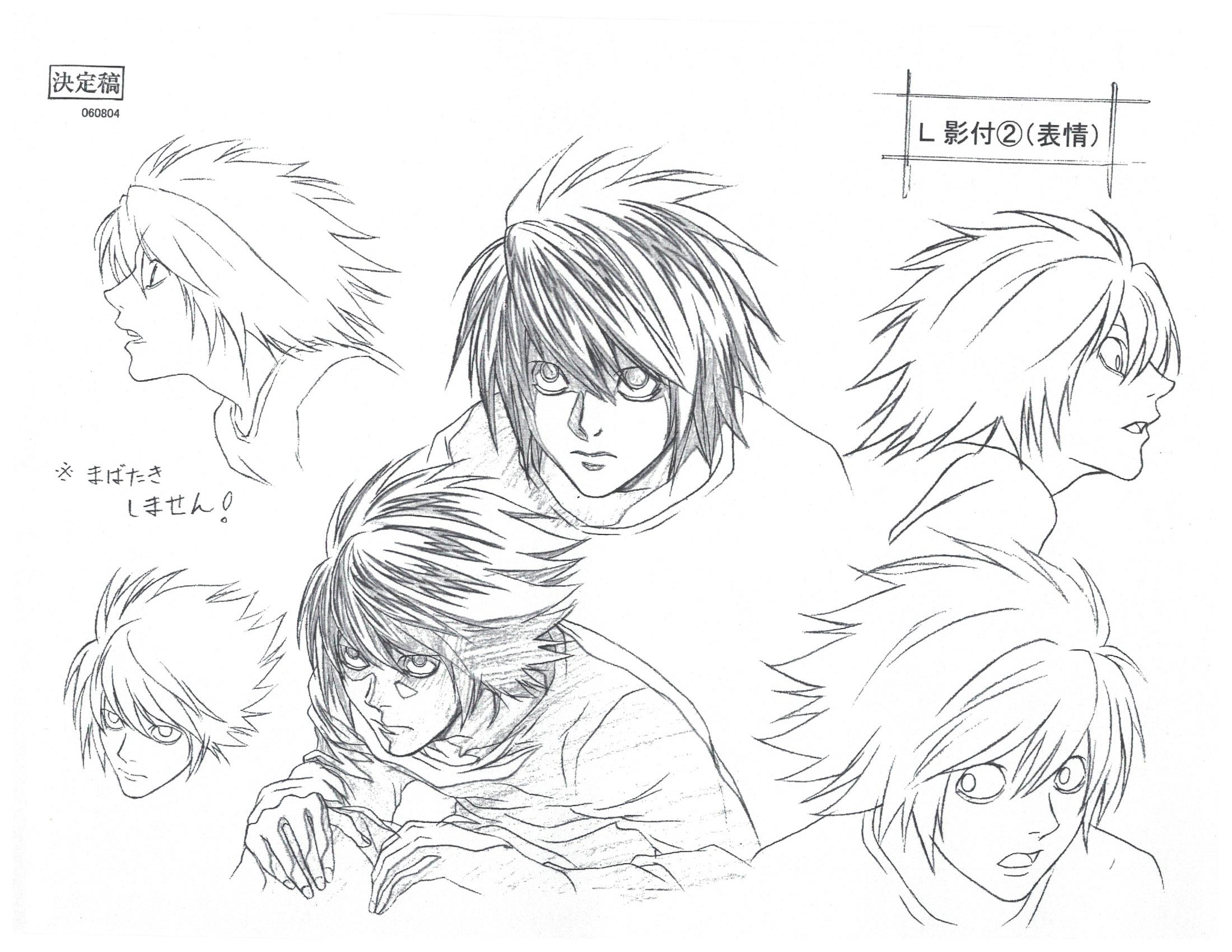
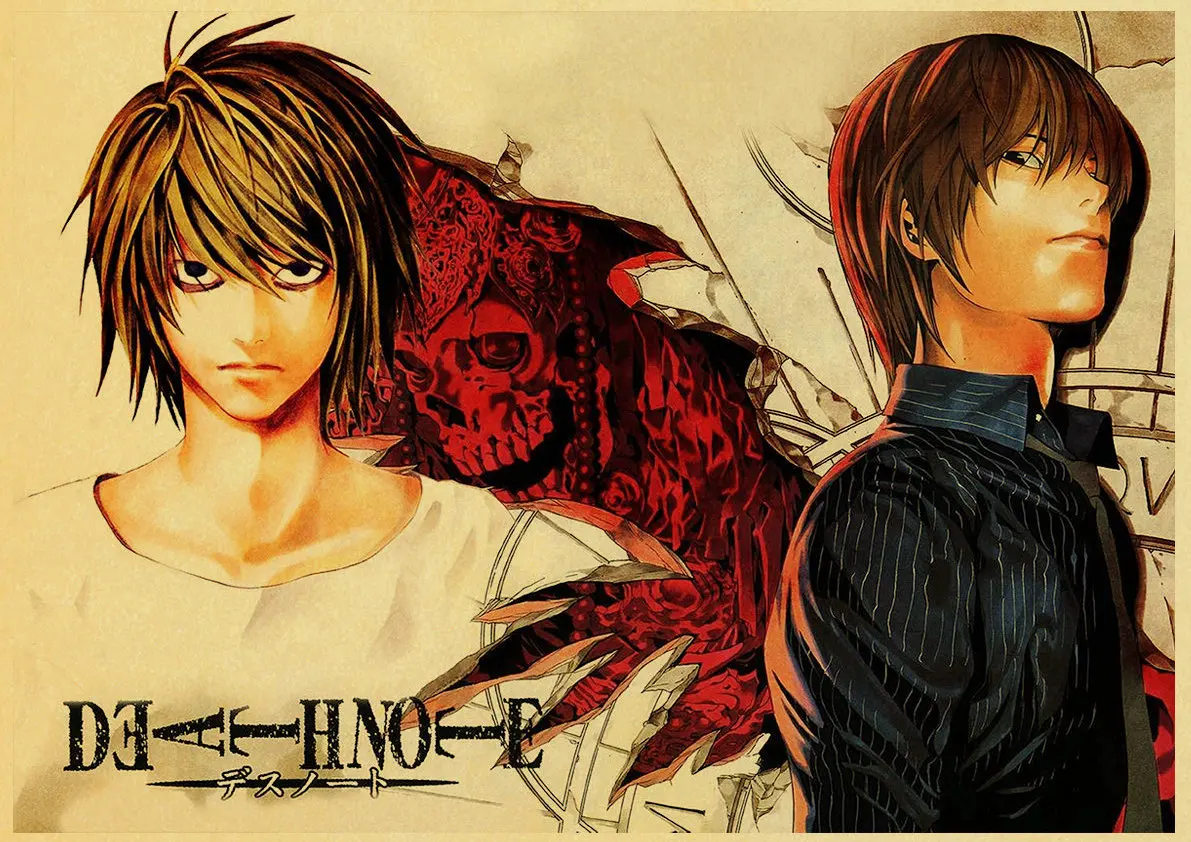
L's covers are the polar opposite of Light's. He's often shown in unconventional poses, with his signature slouch, dark circles, and an almost detached gaze. His posture speaks volumes about his unorthodox methods and his unwavering focus on solving the case.
And the food! Don't forget the sweets! Every cover featuring L seems to have a sugary snack involved. It's a subtle detail, but it reinforces his quirky personality and his child-like innocence amidst all the death and deception. Kind of ironic, huh?
Misa Amane: The Devoted Follower
Misa's covers tend to be more overtly sexualized, reflecting her role as Light's devoted follower and her background as a model. Her expressions are often more emotive and vulnerable than Light's or L's. You see the desperation, the need for approval, the unwavering belief in Kira's cause.
It’s kind of sad, isn't it? How her entire identity revolves around Light. It's all there in the artwork.

Symbolism and Foreshadowing: Little Hints, Big Impact
The Death Note covers aren't just about character portraits. They're also packed with subtle symbolism and foreshadowing that add layers of meaning to the story. It's like Obata-sensei is leaving little Easter eggs for us to find.
- Apples: The most obvious symbol, of course, is the apple. Representing temptation, knowledge, and a twisted version of paradise (the new world Kira seeks to create), the apple's presence is a constant reminder of Ryuk's influence and the corruption of power.
- Feathers: Feathers, particularly white ones, often appear near L, perhaps symbolizing his detached nature and his fleeting existence. They might also hint at his eventual downfall. Remember, he's playing a dangerous game.
- Chains and Ropes: Images of chains or ropes can represent the characters' entrapment, both physical and metaphorical. Light is bound by his own ambition, L is chained to the case, and Misa is entangled in her devotion to Light.
Seriously, re-examine those covers! You'll be surprised at the details you missed the first time around.
Beyond the Characters: The Overall Aesthetic
Let's step back for a moment and look at the overall aesthetic of the Death Note covers. There's a consistent use of color palettes, composition, and typography that contributes to the series' distinctive visual identity.

- Color Palette: The color palettes are often muted, with dark blues, grays, and reds dominating the scene. This reinforces the serious and often grim tone of the story. The limited use of vibrant colors only serves to highlight moments of intense emotion or significant events.
- Composition: The composition of the covers is carefully balanced, creating a sense of visual harmony (even amidst the chaos). Key characters are strategically positioned to draw the viewer's eye and emphasize their importance.
- Typography: Even the font choices contribute to the overall feel. The sleek, modern typography reflects the contemporary setting of the story, while also conveying a sense of sophistication and intelligence.
The Final Verdict: Masterpieces of Visual Storytelling
So, there you have it. The Death Note manga covers are more than just eye-catching artwork. They're carefully crafted visual narratives that enhance the story, reveal character, and foreshadow events. They are tiny masterpieces.
Takeshi Obata's attention to detail, his masterful use of light and shadow, and his ability to convey complex emotions through simple imagery are all testaments to his skill as an artist. Next time you pick up a volume of Death Note (and let's be honest, you probably will after reading this), take a moment to appreciate the artistry on display. You might just discover something new.
What are your favorite Death Note covers? Let me know in the comments below!


![Otaku Oasis — “Death Note” Manga Covers [Hotaru]](https://64.media.tumblr.com/7498488a768f4fae6fd69ef2928aa4e4/tumblr_prb0o5lxqf1x776xto4_640.png)