Okay, so picture this: me, age 7, convinced I could fly like Peter Pan. I climbed onto the garage roof (don’t tell my mom!), took a deep breath, and… well, gravity had other plans. Let’s just say the landing wasn't exactly graceful. But as I lay there, winded and slightly dusty, I remember thinking, "What exactly is this stuff I'm breathing anyway? Is it magic pixie dust like in the movie? Is it solid enough to actually hold me up?" (Spoiler alert: it wasn't.)
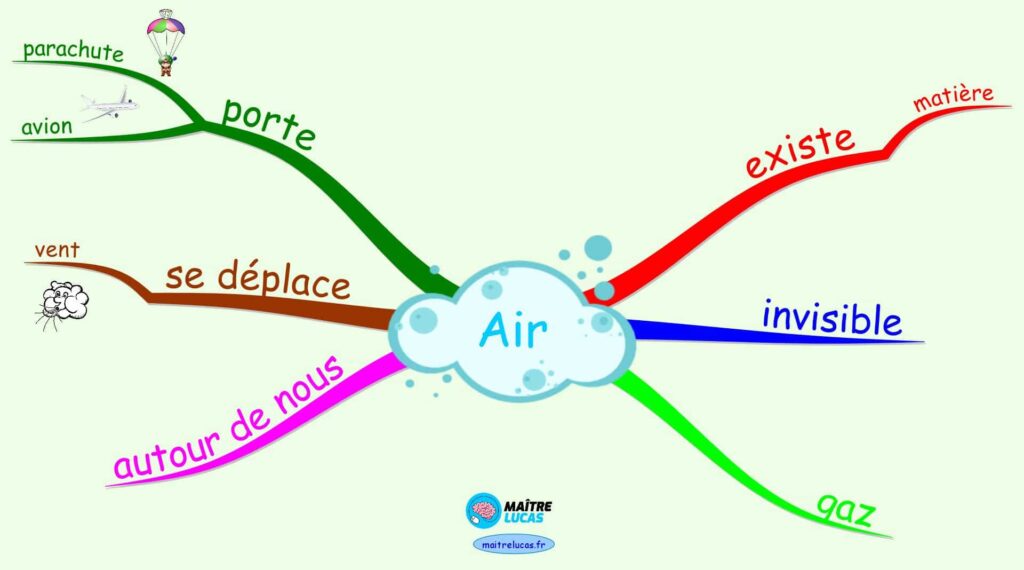
That childhood face-plant (literal and metaphorical) got me thinking. We take the air around us for granted, don't we? We breathe it in, breathe it out, and rarely give it a second thought. But l'air, that invisible blanket surrounding our planet, is a complex and fascinating mixture of gases. So, let's dive in, shall we? Forget pixie dust; we’re talking real science!
What's the Main Ingredient? It's Not What You Think!
Most people, when asked what the air is made of, will confidently shout "Oxygen!" And while oxygen is certainly vital (you know, for staying alive and all), it's actually not the most abundant gas in the atmosphere. Nope, the heavyweight champion of the air is...
...drumroll please...
...Azote (Nitrogen)!

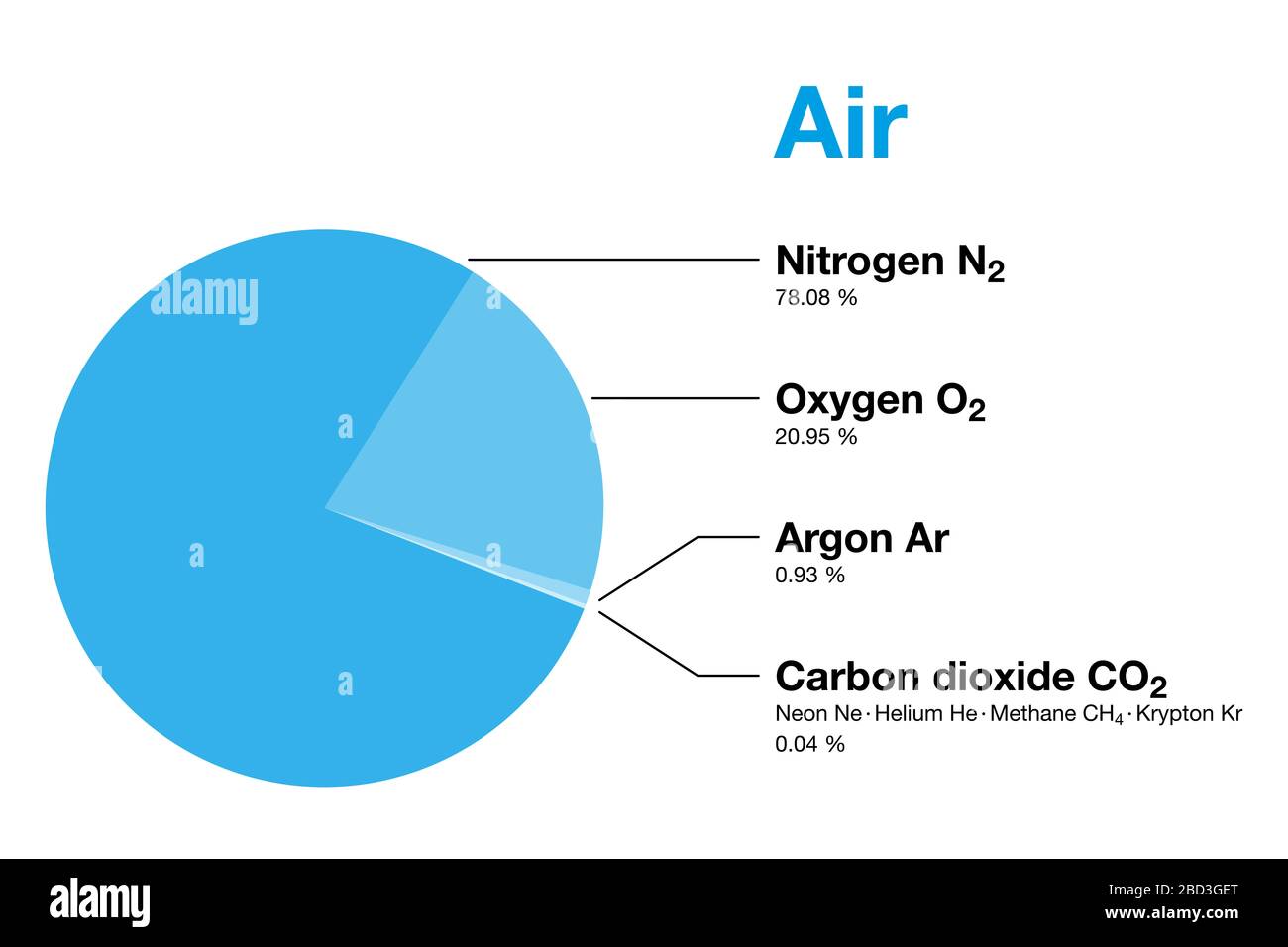
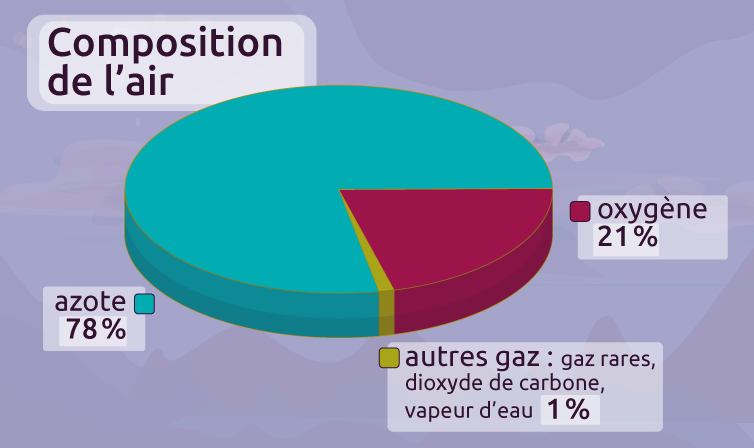
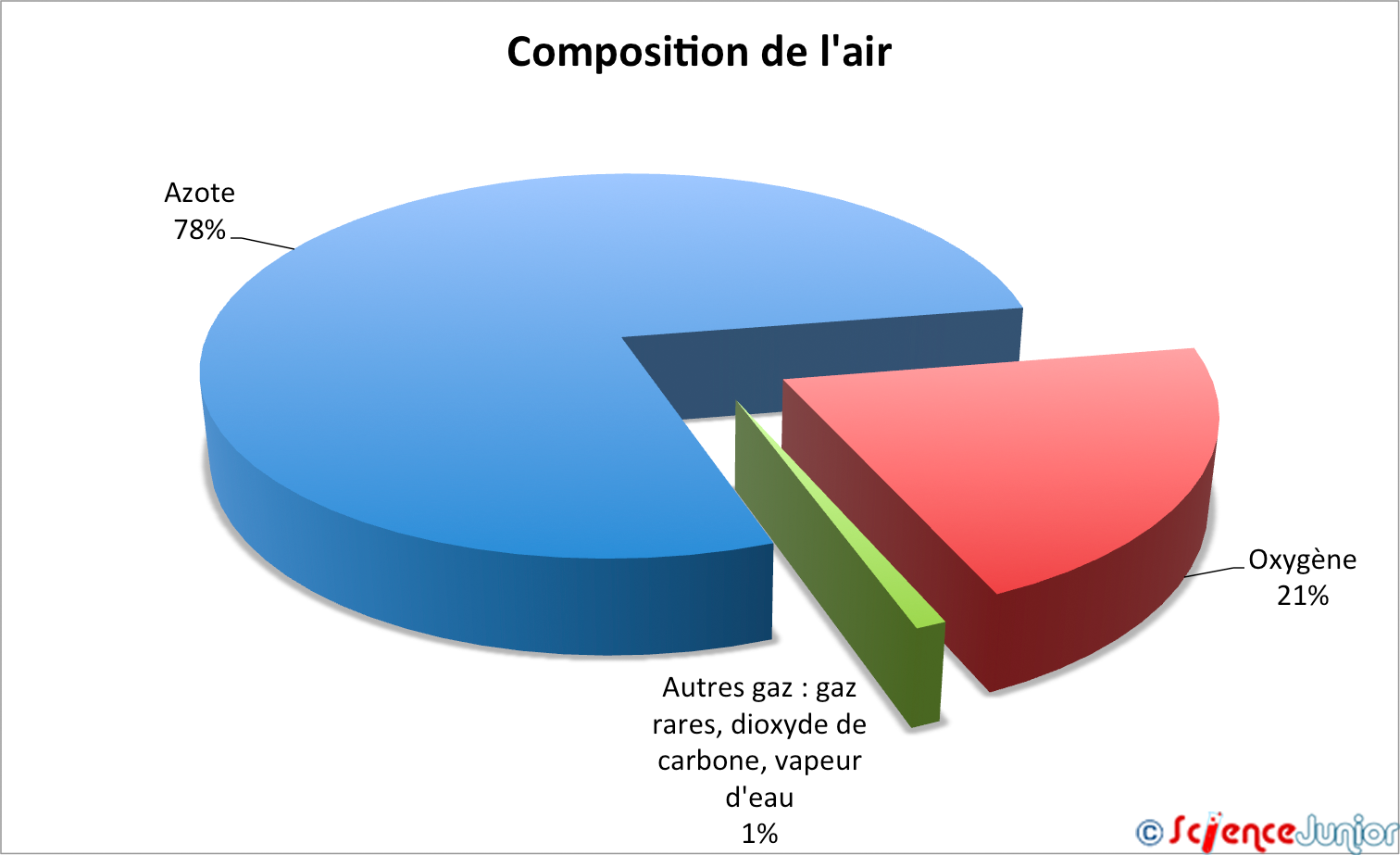
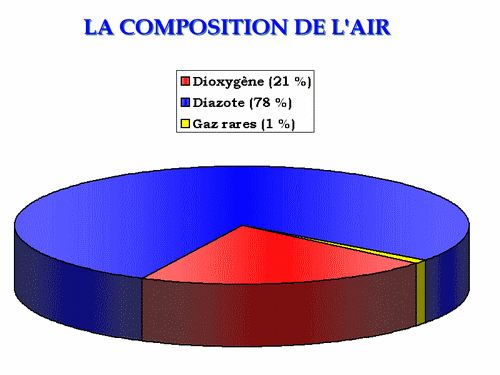
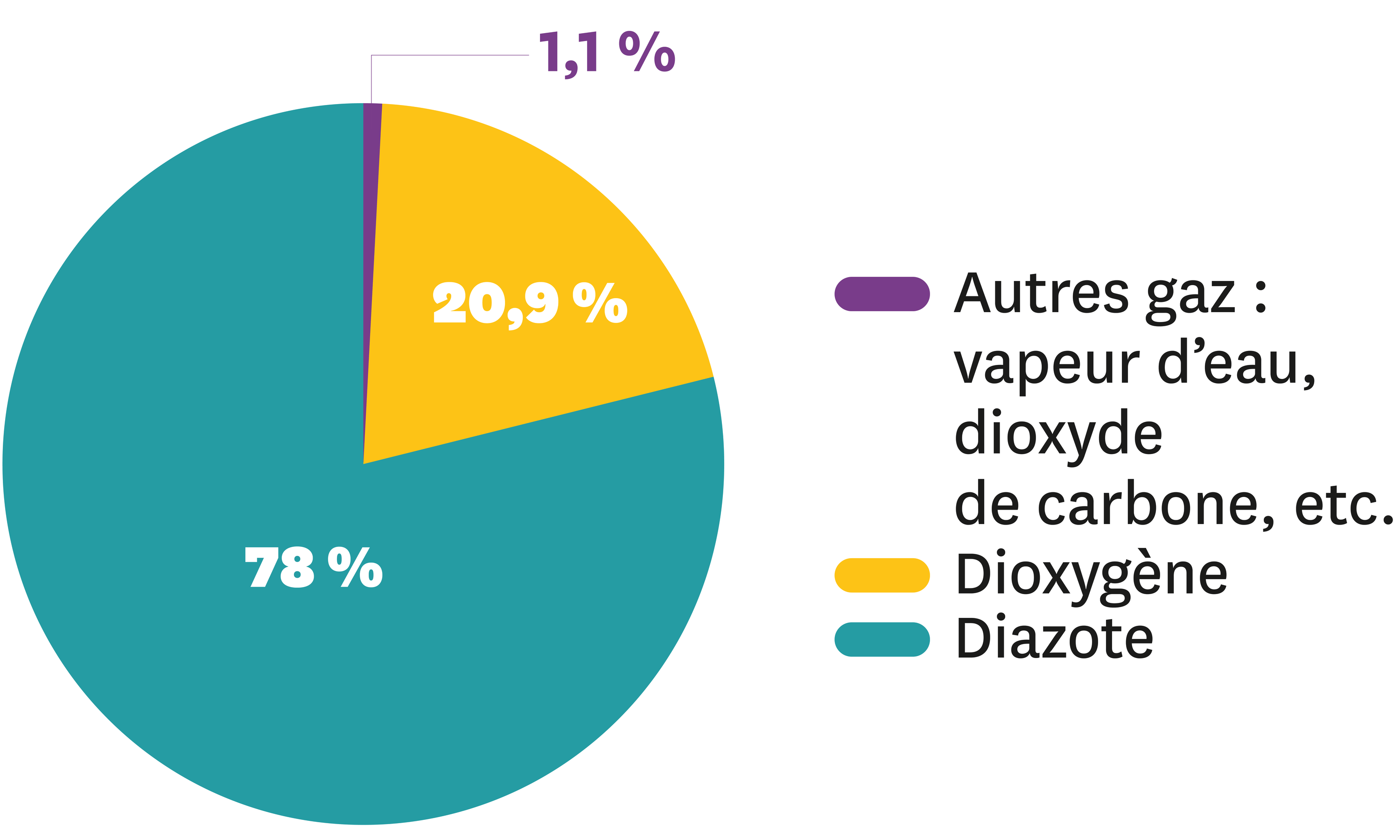
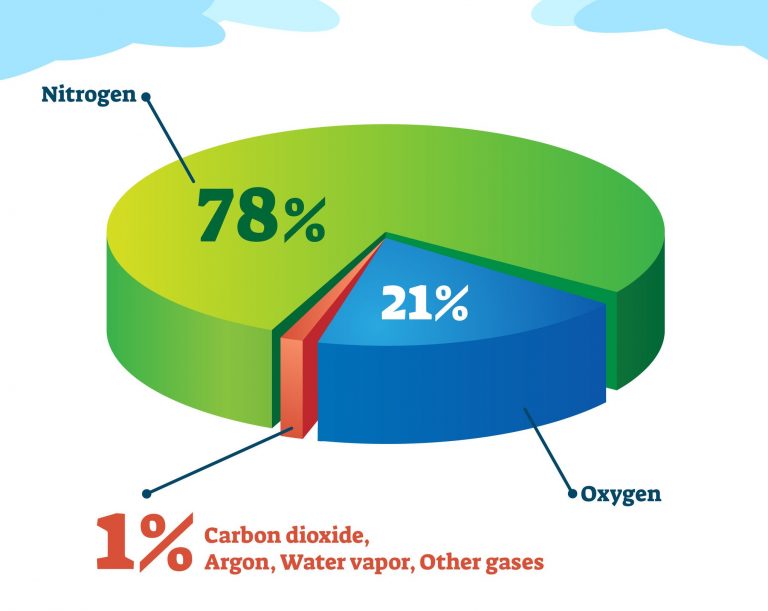
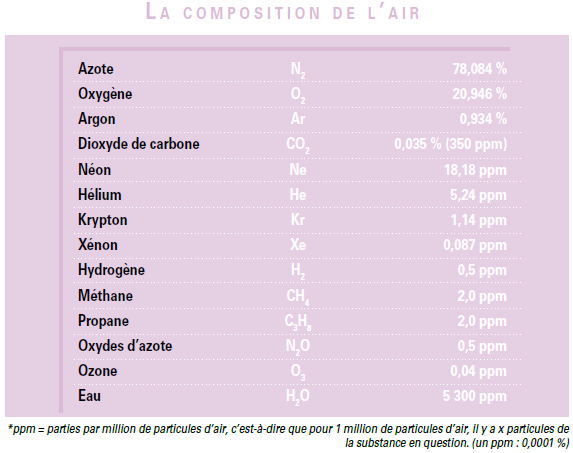
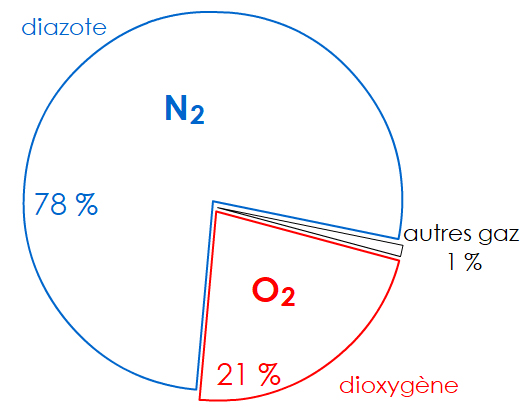
That's right! Nitrogen makes up roughly 78% of the air we breathe. Who knew, right? I bet 7-year-old me definitely didn’t. Think of nitrogen as the quiet, unassuming backbone of the atmosphere. It's relatively unreactive (which is a good thing, because if it were super reactive, things might get a little… explosive) and plays a crucial role in all sorts of processes, from plant growth to preventing fires from getting out of control. (Ironically, too much nitrogen can cause pollution, but that’s a story for another day.)
Oxygen: The Life-Giver (But Still Second Place)
Okay, okay, so nitrogen is the most abundant. But oxygen (O2) gets all the glory, and rightly so. It's essential for respiration, the process by which our bodies convert food into energy. Without oxygen, we'd be in serious trouble. Oxygen clocks in at around 21% of the air.
Think about it: every time you breathe in, you're taking in oxygen that powers your body, allowing you to do everything from reading this article (thank you!) to running a marathon (okay, maybe not running a marathon for me, but thinking about it counts, right?).

The Supporting Cast: Argon, Carbon Dioxide, and More!
So, we've got nitrogen and oxygen covering the vast majority of the atmospheric composition. But what about the rest? Well, there's a whole supporting cast of other gases that, while present in smaller amounts, play important roles.
Argon: The Noble Gas
Argon (Ar) is an inert (meaning it doesn’t really react with anything) noble gas that makes up almost 1% of the air. It's used in light bulbs and welding, and generally hangs out being… well, noble. Not exactly saving the world, but a useful gas nonetheless.
Carbon Dioxide: The Greenhouse Gas (and Plant Food!)
Ah, carbon dioxide (CO2). This one's a bit of a hot topic (pun intended!). It only makes up about 0.04% of the air, but its impact on the climate is significant. CO2 is a greenhouse gas, meaning it traps heat in the atmosphere, contributing to global warming. However, it's also essential for plant photosynthesis. Plants use CO2, water, and sunlight to produce energy and release oxygen. So, it’s a double-edged sword! (And a good reason to plant more trees, just saying.)
Other Trace Gases: A Chemical Soup
The remaining fraction of the air is composed of a variety of trace gases, including:
- Neon (Ne): Another noble gas, used in advertising signs. Think bright colors!
- Helium (He): The gas that makes balloons float and your voice sound funny.
- Methane (CH4): A potent greenhouse gas, released from various sources, including agriculture and natural gas leaks.
- Krypton (Kr): Yet another noble gas!
- Hydrogen (H2): The lightest element, used in various industrial processes.
- Ozone (O3): A form of oxygen that protects us from harmful ultraviolet radiation from the sun. (The ozone layer is our superhero cape!)
And that’s not even a complete list! The air is a veritable chemical soup, with tiny amounts of all sorts of other compounds floating around. Some are natural, others are the result of human activity.
Water Vapor: The Variable Ingredient
We can't forget about water vapor (H2O)! The amount of water vapor in the air varies significantly depending on the location, temperature, and weather conditions. In dry deserts, it might be close to zero, while in humid rainforests, it can be several percent. Water vapor plays a crucial role in weather patterns, cloud formation, and precipitation. So, next time you're complaining about the humidity, remember that it's all part of the atmospheric mix!
Air Pollution: When the Recipe Goes Wrong
Of course, the air isn't always a pristine mixture of these gases. Air pollution occurs when harmful substances, such as particulate matter, sulfur dioxide, nitrogen oxides, and ground-level ozone, are released into the atmosphere. These pollutants can have serious health effects, impacting respiratory and cardiovascular systems. Air pollution is a major environmental problem in many parts of the world, and it's something we need to address seriously to protect our health and the health of the planet.
The Air We Breathe: A Precious Resource
So, there you have it! The air is a complex mixture of gases, with nitrogen and oxygen making up the bulk of it, and a supporting cast of other gases playing important roles. It's essential for life as we know it, and we need to protect it from pollution. Next time you take a deep breath (and I hope you're doing that right now!), take a moment to appreciate the invisible wonder that surrounds us.
And maybe, just maybe, think twice before trying to fly off a garage roof. Leave that to Peter Pan. Stick to breathing the air and appreciating its complexities. Trust me, your bones will thank you.




.png)