Okay, so picture this: me, at a summer BBQ, basking in the sunshine, desperately trying to look cool. Everyone's got a glass of something lovely, red or rosé, clinking away. I, being on a "healthy kick" (read: trying to undo the damage of the previous week's pizza bender), opt for the alcohol-free wine. "Smart choice!" I think. Fast forward an hour, and I'm feeling...well, not exactly relaxed. My stomach's doing a weird tango, and I'm wondering if the "wine" is plotting my digestive downfall. Sound familiar? Maybe you've been there too. And that, my friends, is what sparked my little obsession with the potential pitfalls of vin sans alcool. Prepare yourself, because we're about to dive deep!
Le Vin Désalcoolisé: Plus Qu'un Simple Remplacement?
Let's face it, the idea of alcohol-free wine is enticing. You get the illusion of sophistication (and let's be honest, holding a wine glass just feels fancy, doesn't it?), without the, you know, actual effects of alcohol. Perfect for designated drivers, pregnant friends, or anyone just trying to cut back. But is it really all sunshine and rainbows and grapey goodness?
The simple answer? Not always.
Here's where things get a little... nuanced. Creating alcohol-free wine isn't as simple as just squeezing some grapes and calling it a day. There are processes involved, and those processes can sometimes introduce some unwanted guests to the party.
The De-Alcoholization Process: How Do They Do It?
There are a few main methods for removing the alcohol from wine. The most common are:

- Vacuum Distillation: This involves heating the wine under reduced pressure, which lowers the boiling point of alcohol, allowing it to evaporate more easily.
- Reverse Osmosis: The wine is forced through a membrane that separates the alcohol and water from the other components. These are then recombined, without the alcohol.
- Spinning Cone Columns: A fancy-sounding process that involves using centrifugal force to separate the volatile aromas and alcohol from the wine. They're then recombined, minus the alcohol.
Each method has its pros and cons, and each can affect the final taste and composition of the wine. And this is where the potential "danger" starts to creep in.
The Hidden Dangers: What's Lurking in Your Glass?
Okay, "danger" might be a strong word. Let's call them "potential downsides" instead. But still, things you should be aware of!
Sugar, Sugar, Oh Honey Honey!
One of the biggest issues is the sugar content. Alcohol contributes to the body and complexity of wine. When you remove it, you often lose some of that mouthfeel and flavor. To compensate, some producers add extra sugar to make the wine more palatable. I know what you’re thinking “I just want something to drink that is low calorie and tastes good!”, but all that added sugar can be not so great news for your waistline, blood sugar levels, or overall health.
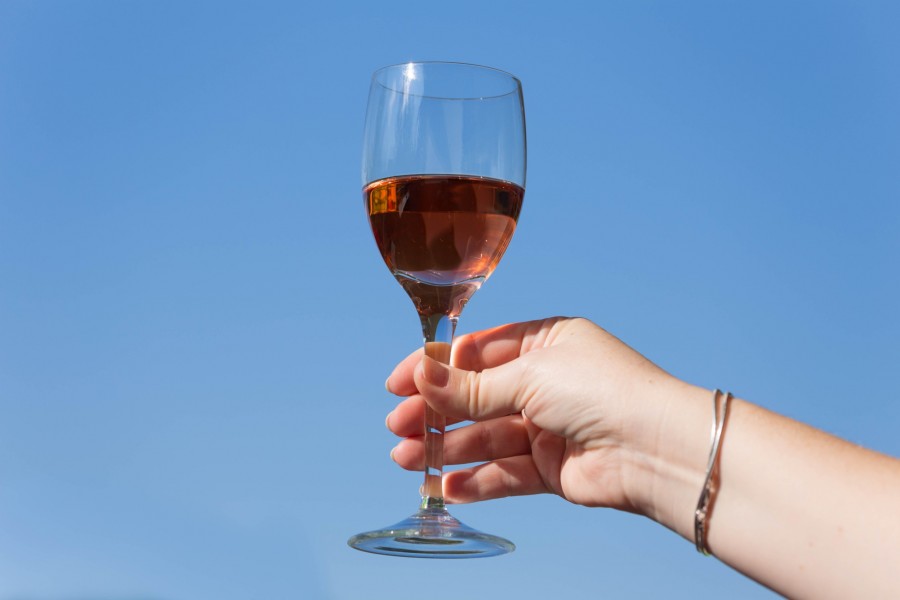
Think about it: you're trying to be healthy, and you end up consuming more sugar than you would have with a regular (small!) glass of wine. Irony, thy name is alcohol-free wine!
Additives Galore!
Sugar isn't the only thing that might be added. Some manufacturers use artificial sweeteners, preservatives, and other additives to improve the flavor, stability, and shelf life of their alcohol-free wines. These additives might not be harmful in small amounts, but some people are sensitive to them. Sulfites, for example, are a common additive in both regular and alcohol-free wine, and can trigger allergic reactions in some individuals. Pay attention to the label! Seriously, read the label!

The Taste Test: Is It Really Wine?
Let's be honest, a lot of alcohol-free wines just don't taste that great. The de-alcoholization process can strip away some of the subtle nuances and flavors that make wine enjoyable. What you're left with can be a sugary, slightly grapey beverage that bears little resemblance to the real thing. This is purely subjective, of course, but it's worth keeping in mind. There’s a reason people are drinking real wine, right? It is not just the alcohol, but it is the experience!
Histamine Havoc: Allergies and Sensitivities
Histamine is a chemical compound that naturally occurs in wine. Some people are sensitive to histamine and can experience symptoms like headaches, flushing, and nasal congestion after drinking wine. The de-alcoholization process doesn't always remove histamine, so if you're prone to histamine sensitivities, alcohol-free wine might still trigger a reaction. Boo!
How to Navigate the Alcohol-Free Wine Jungle
So, are all alcohol-free wines evil? Absolutely not! There are some good ones out there. You just need to be a bit more discerning. Here's what to look for:

- Read the Label: Pay close attention to the ingredient list and nutritional information. Look for wines with low sugar content and minimal additives.
- Choose Reputable Brands: Some producers are more committed to quality than others. Do some research and look for brands that use gentle de-alcoholization methods and prioritize natural ingredients.
- Try Before You Buy: If possible, sample a few different alcohol-free wines before committing to a whole bottle. This will help you find one that you actually enjoy.
- Consider Alternatives: If you're not a fan of alcohol-free wine, there are plenty of other delicious non-alcoholic options available, such as sparkling grape juice, kombucha, or even a well-made mocktail.
The Final Verdict: To Drink or Not to Drink?
Ultimately, the decision of whether or not to drink alcohol-free wine is a personal one. If you enjoy it and it fits into your lifestyle, then go for it! Just be aware of the potential downsides and choose wisely. Don’t get fooled by the fancy bottle and the “healthy” claims. Take everything with a grain of salt (or should I say, a grape seed?).
The key is to be informed and make choices that are right for you. And maybe, just maybe, consider a small glass of real wine every now and then. Moderation, my friends, is the key!
So, what are your experiences with alcohol-free wine? Have you encountered any of these "dangers" yourself? Share your thoughts in the comments below!