Ah, the French language! It's renowned for its elegance, its romance, and yes, its occasional (perceived) complexity. But don’t let that intimidate you. Today, we're tackling a phrase that might seem a bit formal at first glance: "D'avance, je vous remercie." Or, more informally, "D'avance merci."
Essentially, it translates to "Thank you in advance." It's a phrase you'll encounter in emails, letters, and sometimes even in spoken conversation, particularly in professional or formal contexts. Think of it as the verbal equivalent of preemptively holding the door open for someone – polite, considerate, and ever so French.
Why Use "D'avance Je Vous Remercie?"
So, why opt for this particular expression? Well, it boils down to a few key reasons:
- Politeness and Anticipation: It demonstrates respect for the person you're addressing and anticipates their willingness to help or fulfill your request. You're essentially acknowledging their effort before they've even exerted it.
- Formality: In certain situations, a simple "Merci" might feel a bit too casual. "D'avance je vous remercie" adds a layer of sophistication and deference, particularly when dealing with superiors or individuals you don't know well.
- Efficiency: It subtly streamlines the communication process. By expressing your gratitude upfront, you avoid needing to send a separate "thank you" message later. Think of it as the Marie Kondo approach to thank-yous – sparking joy and minimizing clutter!
When is it Appropriate?
Knowing when to use "D'avance je vous remercie" is just as important as knowing what it means. Here are a few scenarios where it shines:
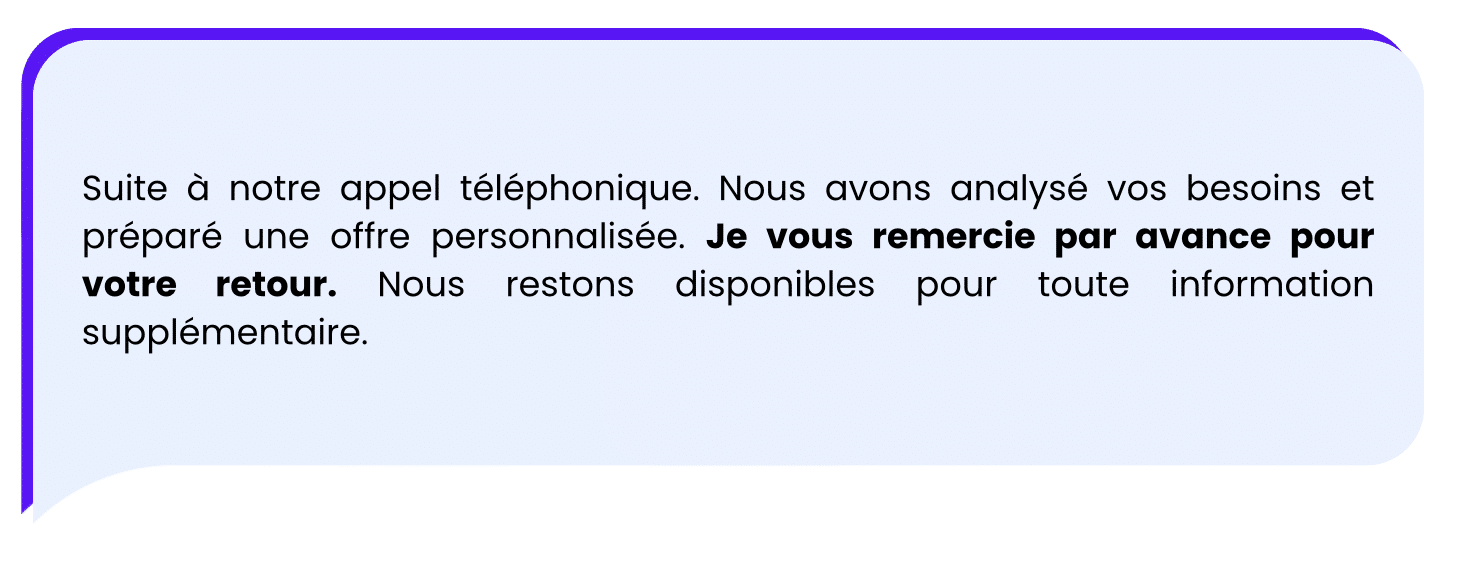
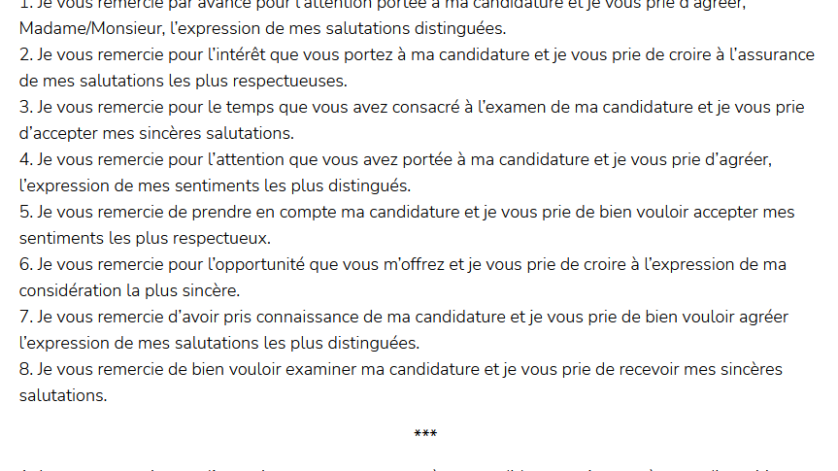
- Formal Emails: Requesting information from a professor, contacting customer service, or applying for a job are all excellent opportunities to use this phrase.
- Official Letters: Sending a formal complaint, making an inquiry to a government agency, or writing a letter of recommendation also call for this expression.
- Polite Requests: Asking a colleague for assistance on a project or requesting a favor from someone you respect are also situations where "D'avance je vous remercie" fits perfectly.
Think about it this way: imagine you're writing to the director of the Louvre museum, inquiring about a specific painting. A simple "Merci" at the end of your email might feel a bit…underwhelming. But a well-placed "D'avance je vous remercie de votre attention" elevates your message and demonstrates your respect for their time and expertise.
"D'avance Merci" vs. "Merci D'avance"
Okay, let's address the elephant in the room: the slightly shorter, more informal version, "Merci d'avance." While "D'avance je vous remercie" is more traditional and considered the grammatically correct option, "Merci d'avance" is widely accepted and frequently used, especially in less formal settings.

Think of it like the difference between saying "Good morning" and "Morning!" Both convey the same sentiment, but one is slightly more polished than the other.
When in doubt, stick with "D'avance je vous remercie." However, if you're communicating with a close colleague or in a more relaxed environment, "Merci d'avance" is perfectly acceptable.
Pronunciation Tips (Because French Pronunciation Can Be Tricky!)
Okay, time for a little pronunciation lesson! Don't worry, we'll keep it simple:

- D'avance: Pronounce it roughly as "Da-vahns." The "r" is quite silent.
- Je: Pronounced as "Zhuh."
- Vous: Pronounced as "Voo."
- Remercie: Pronounced as "Reh-mair-see." The "r" is quite silent here.
Putting it all together, "D'avance je vous remercie" sounds something like "Da-vahns Zhuh Voo Reh-mair-see." Practicing in front of a mirror can help! You can also find audio clips online to hear native speakers pronounce the phrase.
Beyond the Words: Cultural Context
Understanding the cultural context behind "D'avance je vous remercie" is crucial. In French culture, politeness and formality are highly valued, particularly in professional and official settings. Using this phrase demonstrates your awareness of these cultural norms and shows that you're making an effort to communicate respectfully.
It's also worth noting that French communication often prioritizes indirectness and subtlety. By thanking someone in advance, you're subtly signaling your expectation that they will fulfill your request. It's a more nuanced approach than directly demanding action.

Think of it as the difference between saying "Please complete this task by Friday" and "I would be grateful if you could complete this task by Friday. D'avance, je vous remercie." The latter is undoubtedly more polite and, arguably, more effective.
Alternatives and Variations
While "D'avance je vous remercie" is a classic, there are other ways to express your gratitude in advance. Here are a few alternatives:
- Dans l'attente de votre réponse, je vous remercie d'avance: "Awaiting your reply, I thank you in advance." (More formal)
- En vous remerciant par avance: "Thanking you in advance." (Slightly less formal)
- Je vous remercie par avance de votre aide: "I thank you in advance for your help." (More specific)
Choose the option that best suits the context and your personal style. The key is to be sincere and respectful.

From France to Your Everyday Life
While seemingly tied to formal French communication, the spirit of "D'avance je vous remercie" can translate beautifully into our daily lives, regardless of language. It’s about anticipating kindness, acknowledging effort, and expressing gratitude proactively.
Consider the barista making your coffee, the colleague covering for you during a meeting, or the friend offering a listening ear. A simple "Thank you, I really appreciate it in advance" can go a long way. It brightens their day, fosters positive relationships, and creates a ripple effect of goodwill.
So, next time you're tempted to postpone your gratitude until after the fact, remember "D'avance je vous remercie." Embrace the power of preemptive appreciation and watch how it transforms your interactions, both big and small. It’s a little bit of French charm that anyone can incorporate into their lives.