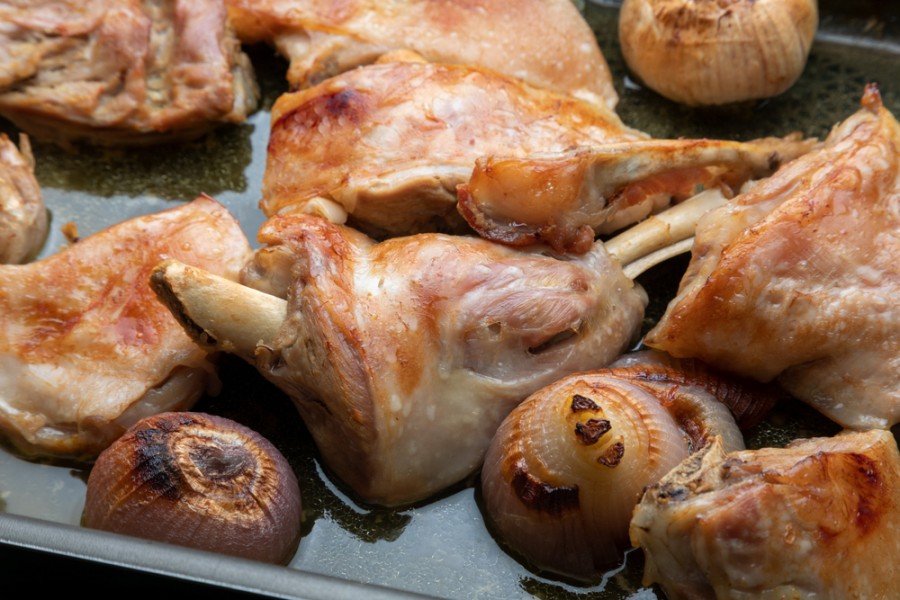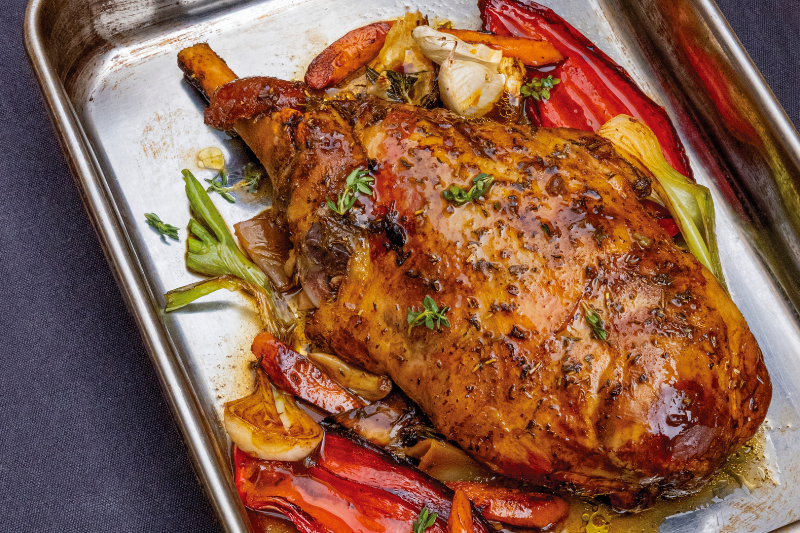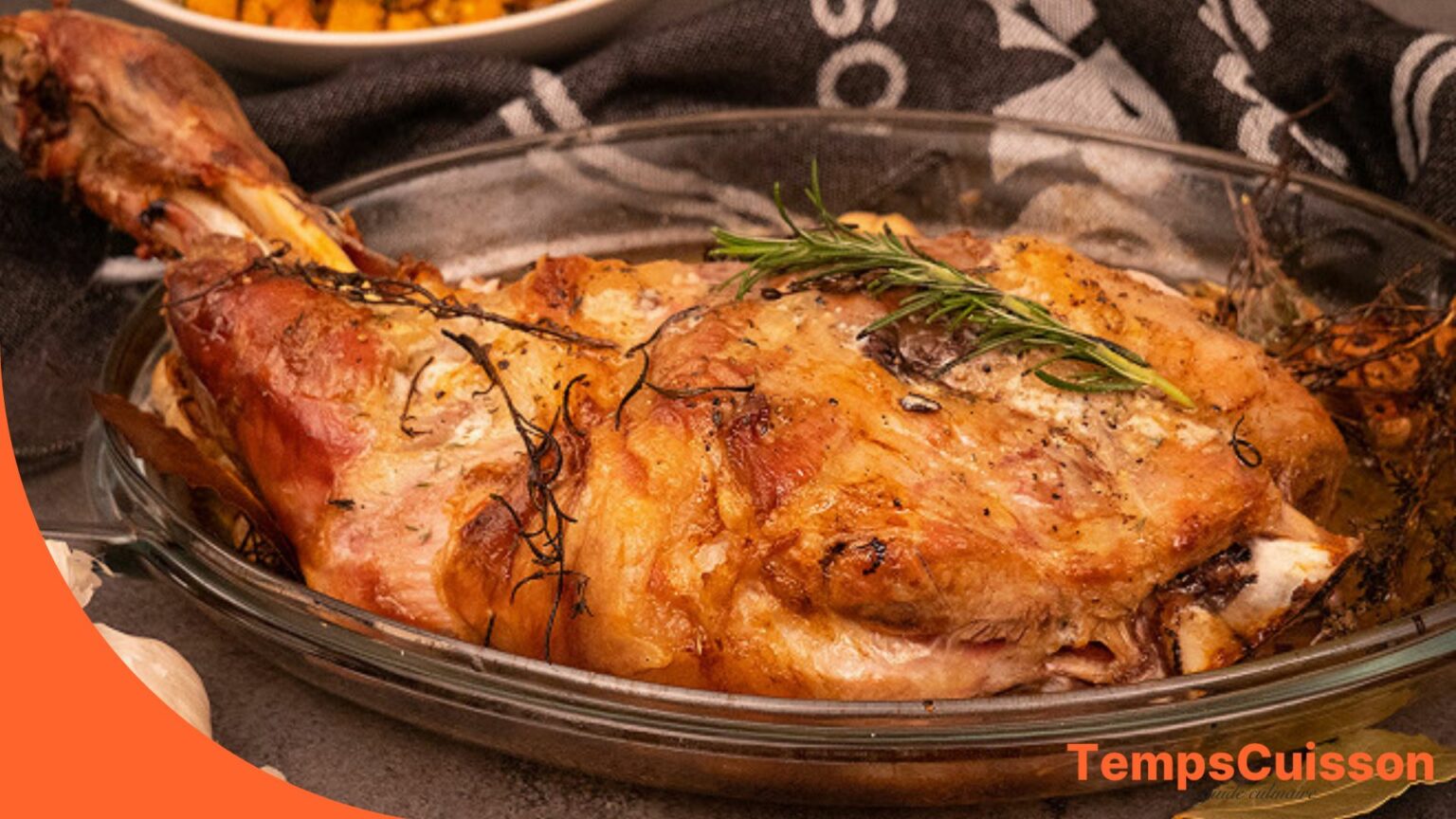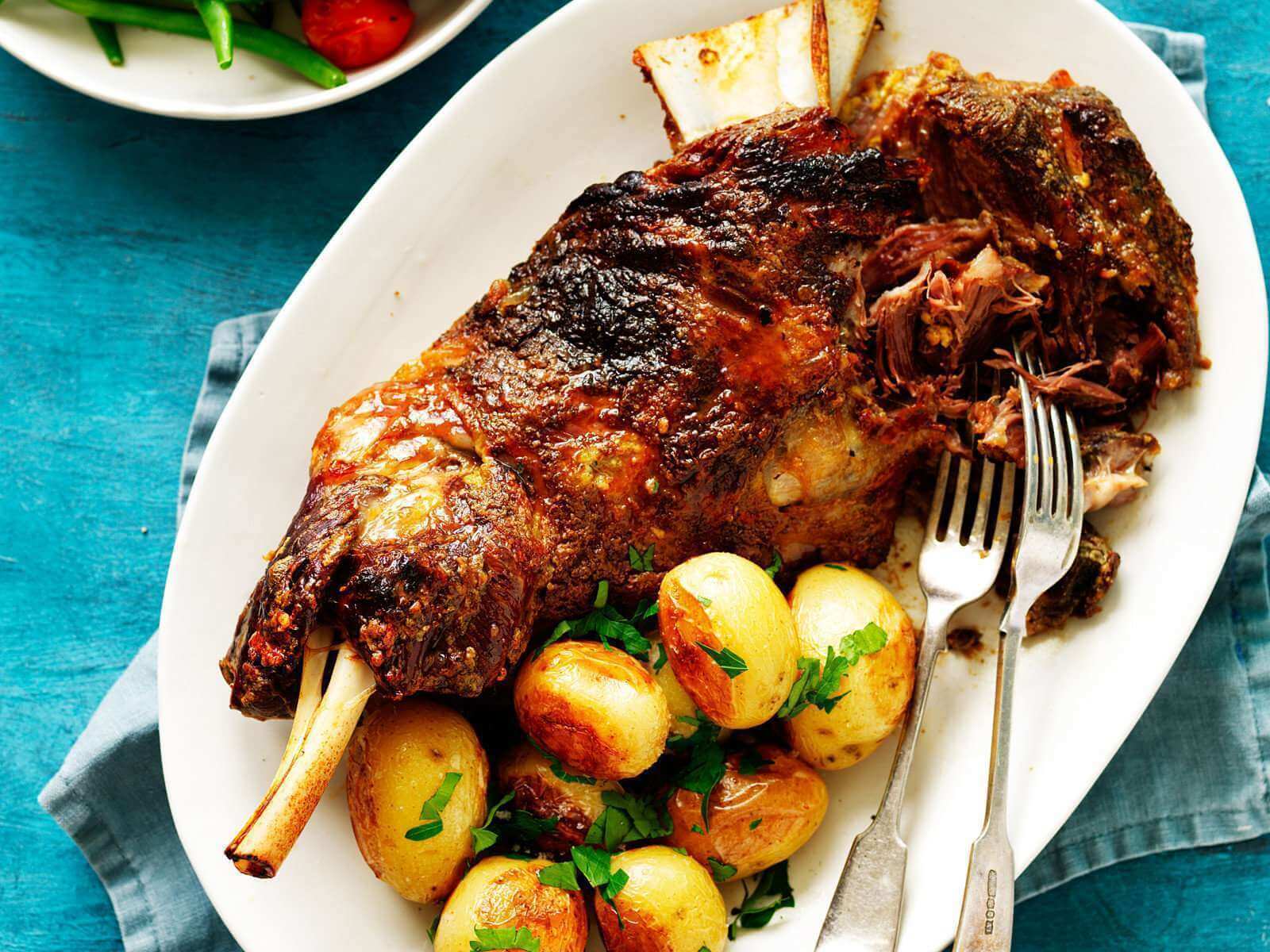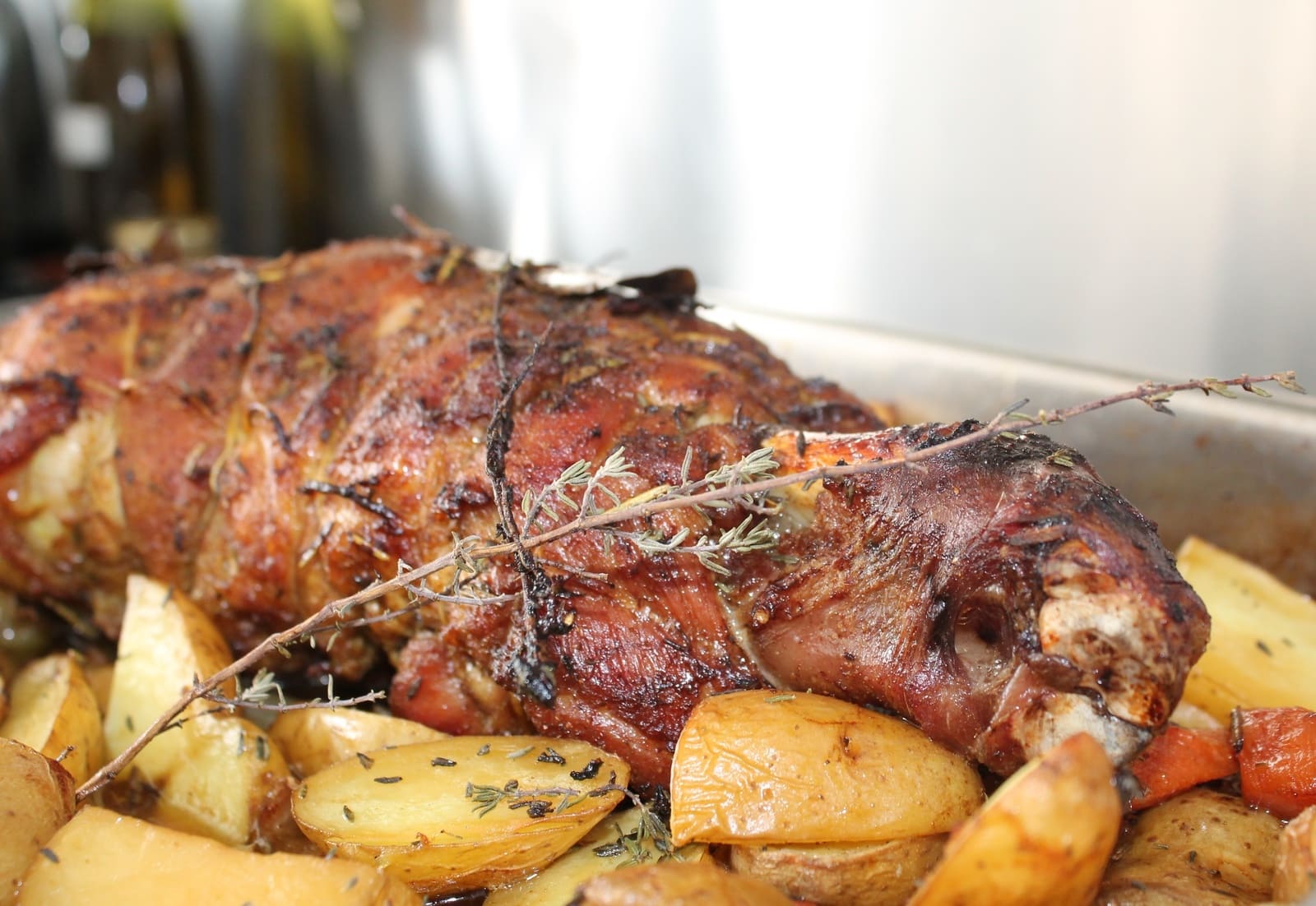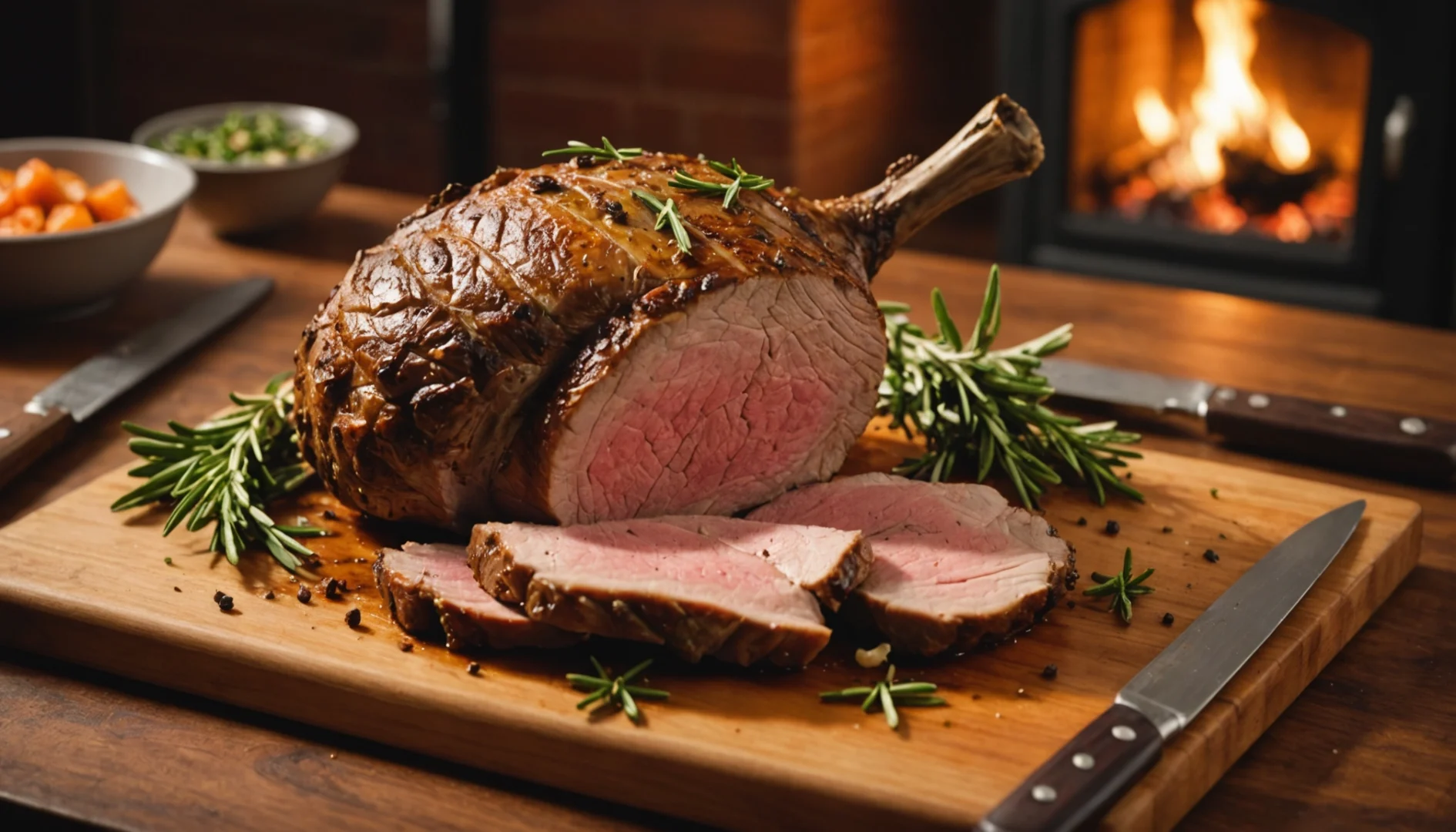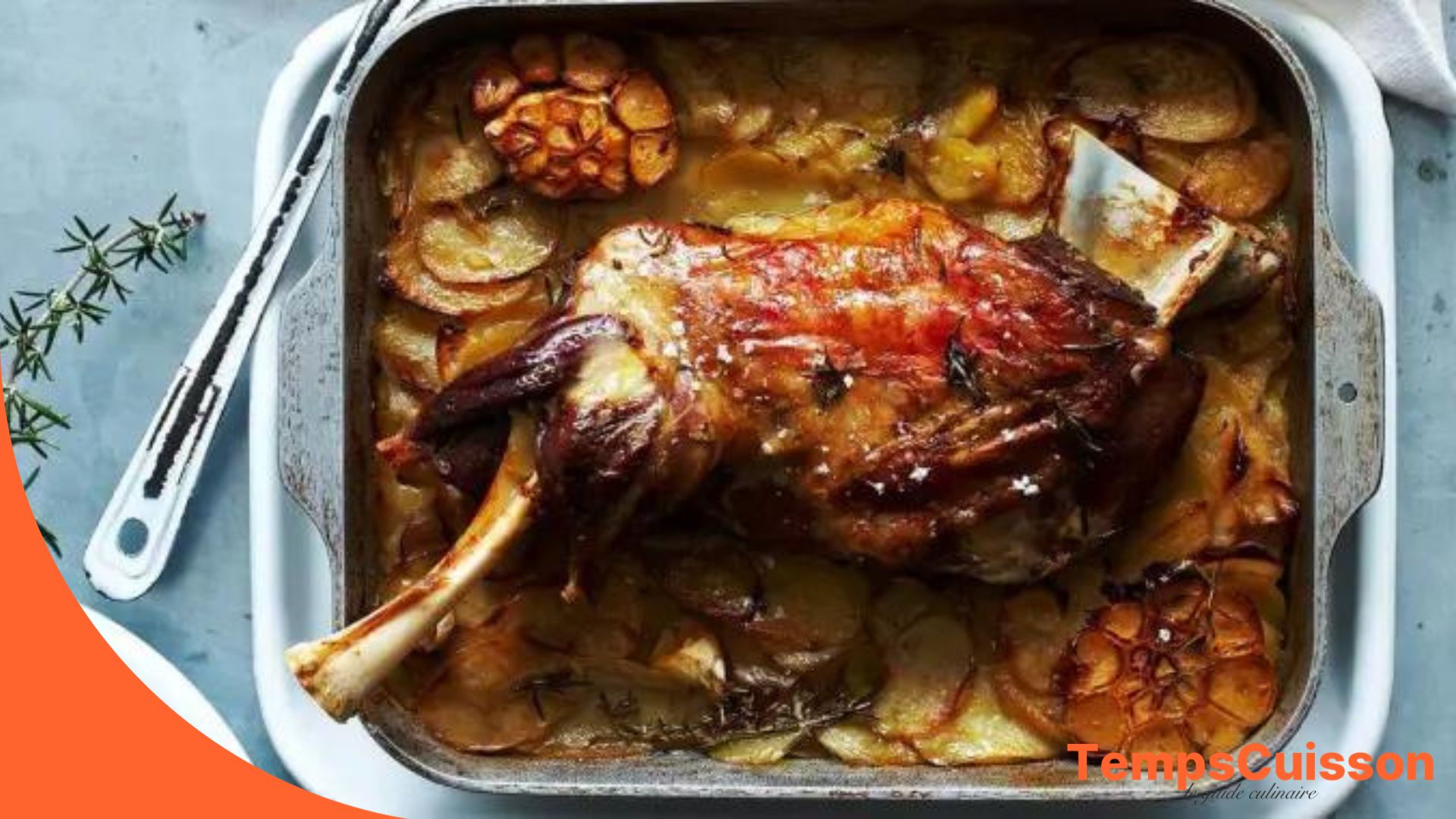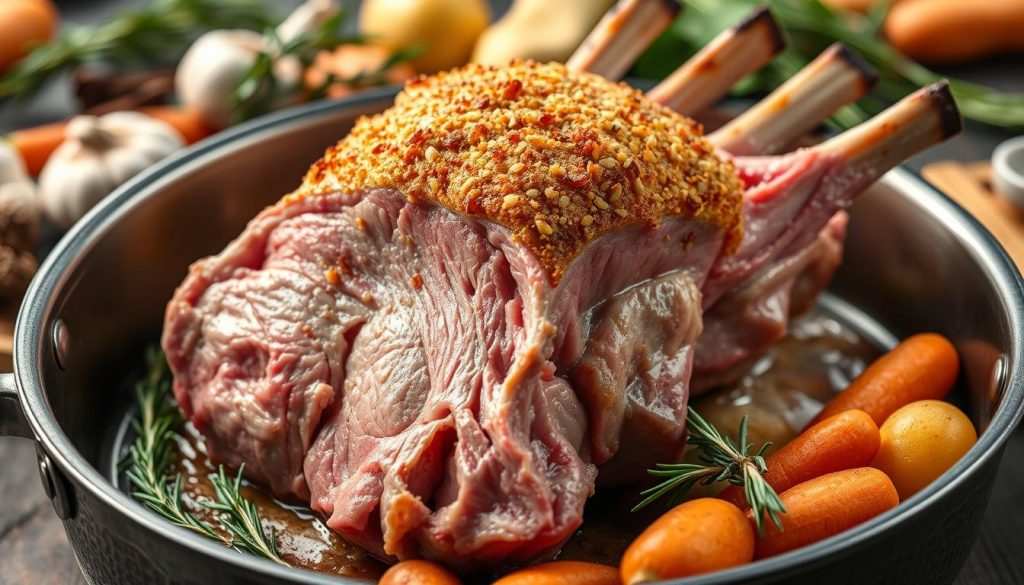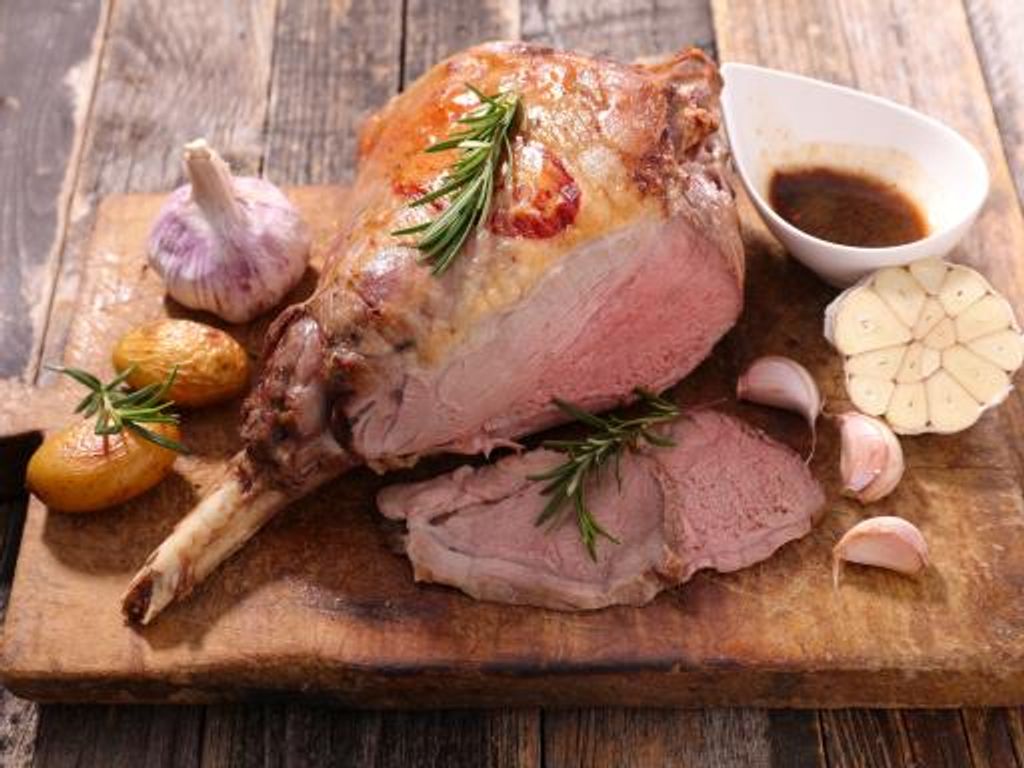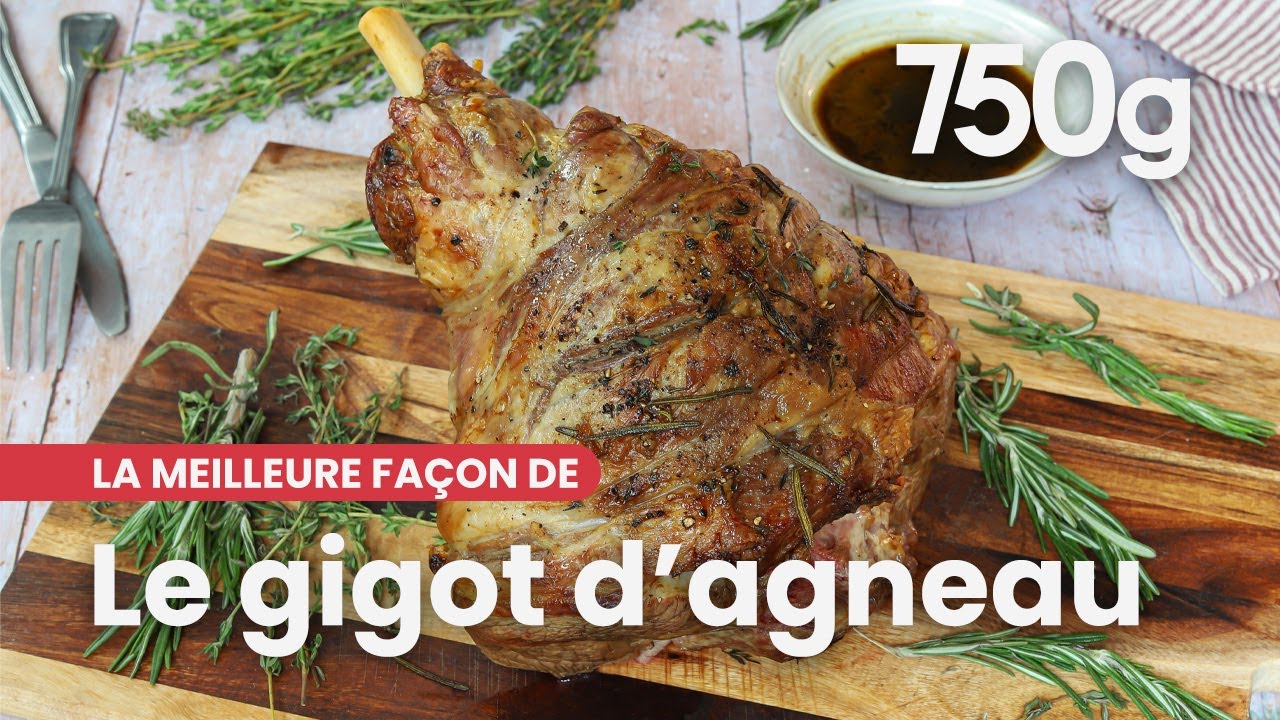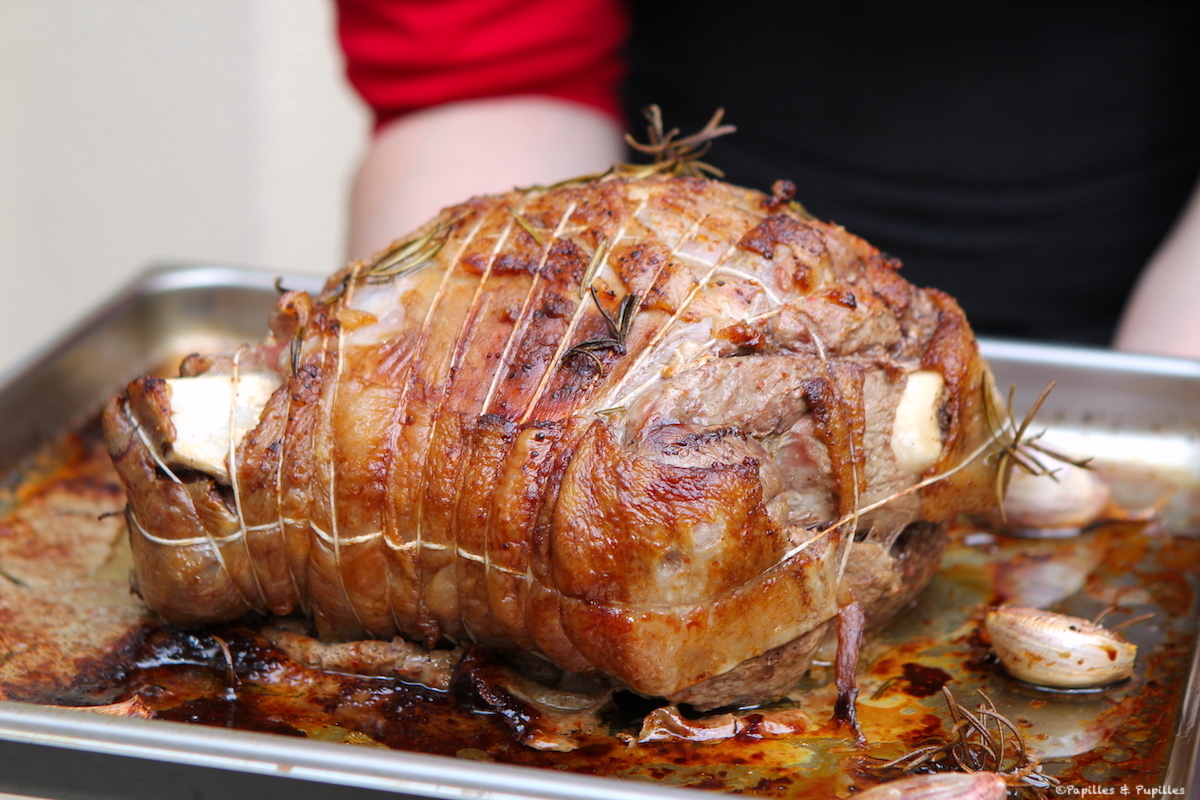
Okay, so picture this: it's Sunday, the family's all here, sun's shining (miraculously, it's France after all!), and my "Uncle" Bernard, who considers himself a Michelin-star chef in his own kitchen (we love him, though!), proudly announces he's cooking the pièce de résistance: a whole suckling lamb. Yes, the entire lamb. My first thought? "Oh dear lord, please let it be cooked through and not look like...well, let's just say a fluffy sheep." Luckily, it was delicious. And more importantly, it was a learning experience. Which brings us to the reason you're here: cooking a whole suckling lamb in the oven. Sounds intimidating, right? Don't worry, we'll break it down.
Pourquoi l'Agneau de Lait Entier? (Why Whole Suckling Lamb?)
First things first, why even bother with a whole lamb? Well, it’s all about the flavour. Think of it as the ultimate showstopper for a special occasion. The meat is incredibly tender, almost melting in your mouth. Plus, let's be honest, the presentation is pretty impressive. Imagine bringing that to the table! (Your Instagram will thank you later.)
And, let's not forget the tradition. In France, particularly in regions like the Pyrénées, it's a classic dish often served during Easter or other important celebrations. It’s a way to connect with the past and enjoy a truly authentic culinary experience. (Plus, it’s way cooler than ordering pizza...no offense to pizza lovers.)
Préparation: Le Secret du Succès (Preparation: The Secret to Success)
Now, let's get down to business. Preparing a whole suckling lamb isn't as scary as it sounds, but it does require some planning and attention to detail.

- Sourcing your Lamb: This is crucial. Look for a reputable butcher who specializes in agneau de lait (suckling lamb). They should be able to advise you on the size and quality.
- Marinade Magic: A good marinade is key to flavour and tenderness. Common ingredients include olive oil, garlic, herbs (rosemary, thyme), lemon juice, and a touch of salt and pepper. Let it marinate for at least 24 hours, preferably 48, in the fridge.
- Stuffing Suggestions: Consider stuffing the lamb with aromatic herbs, garlic cloves, lemon slices, or even some coarsely chopped vegetables. This will add another layer of flavour. (Just don’t overstuff it – you don’t want an exploding lamb situation!)
Cuisson au Four: La Patience est une Vertu (Oven Cooking: Patience is a Virtue)
Okay, the moment of truth. Cooking the lamb requires patience and careful monitoring.
- Preheating is Paramount: Make sure your oven is properly preheated to a moderate temperature (around 160°C/320°F).
- Basting is Best: Baste the lamb regularly with its own juices or the marinade. This will keep it moist and prevent it from drying out. Every 30 minutes is a good rule of thumb.
- Temperature Check: Use a meat thermometer to ensure the lamb is cooked through. The internal temperature should reach around 70°C/160°F.
- Resting is Required: Once cooked, let the lamb rest for at least 30 minutes before carving. This allows the juices to redistribute, resulting in a more tender and flavorful result. (Seriously, don't skip this step!)
Remember, every oven is different, so keep a close eye on the lamb and adjust the cooking time as needed. Don't be afraid to experiment and find what works best for you. And most importantly, don't be afraid to ask your butcher for advice. They're usually a wealth of information. Bonne chance, and bon appétit! (And send pictures of your creation – I’m curious to see how it turns out!)