Ah, la crise de la chaise vide. Doesn't it just sound sophisticated? Like something out of a Sartre play, perhaps? But fear not, mes amis, we're not diving into existential dread today. We're talking about something far more relatable, and dare I say, more common than a smoking Gitanes and a black turtleneck: the empty chair crisis in meetings, at dinner tables, and even in our own heads.
What Exactly Is This Crisis?
Simply put, the crise de la chaise vide (literally, "the empty chair crisis") describes the challenge or even deadlock that can occur when a key decision-maker is absent from a meeting, negotiation, or collaborative process. It's that feeling of being stuck because the one person with the authority, insight, or necessary vote isn't there to contribute. Think of it as the Waiting for Godot of the corporate world, except instead of a mysterious figure who never arrives, it's usually just someone stuck in traffic or dealing with a last-minute emergency.
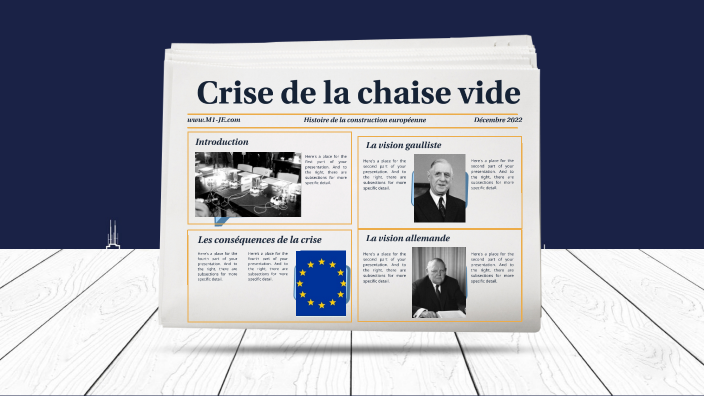
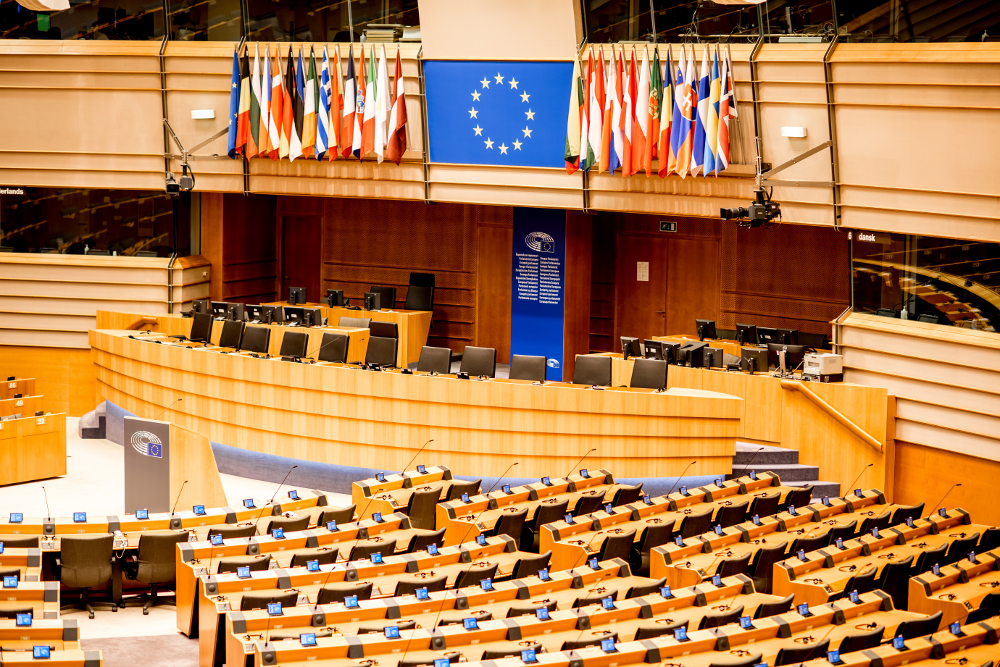
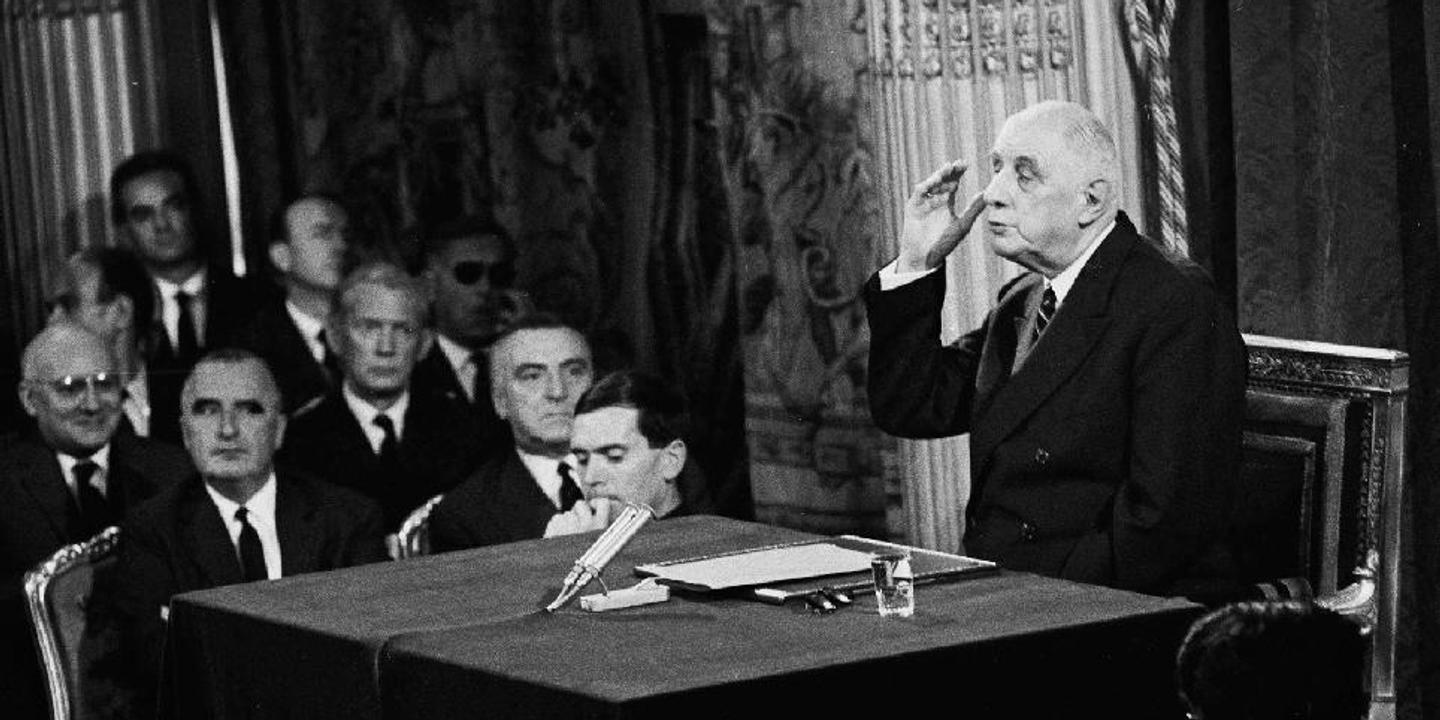
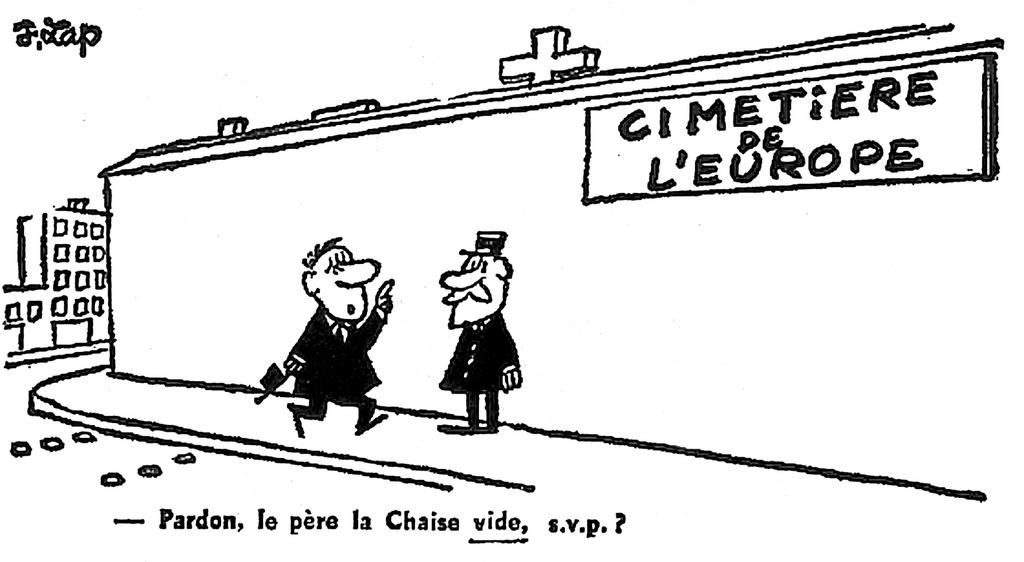
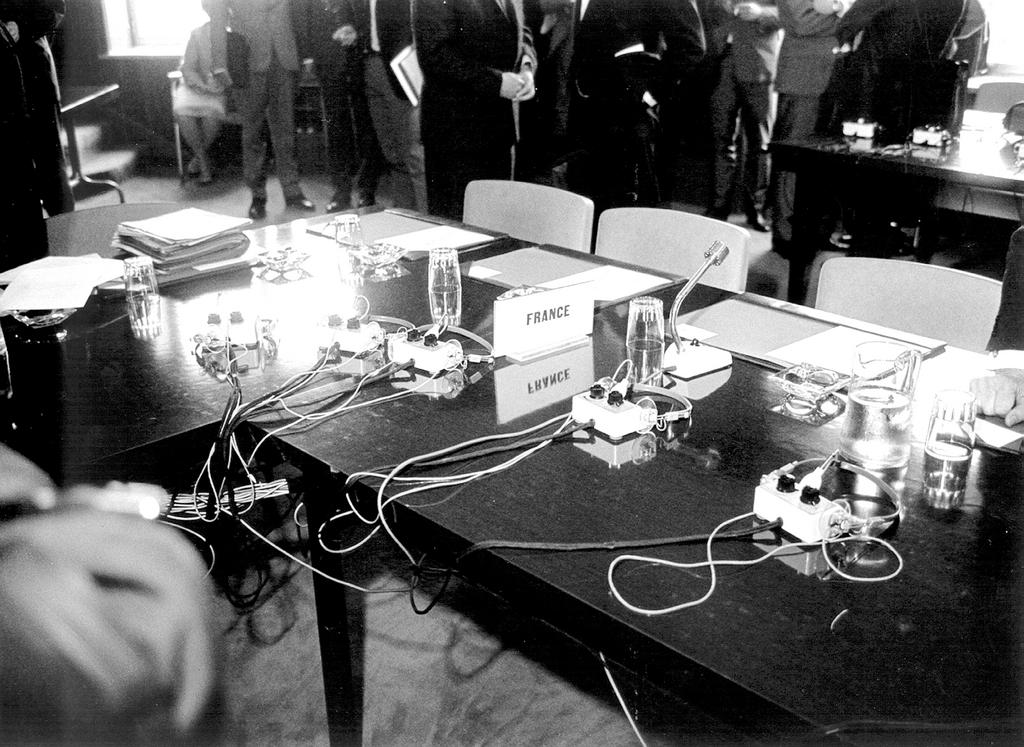
The term itself, while evocative, isn't some ancient philosophical concept. It more accurately reflects a political situation; it was famously employed during the period of French President Charles de Gaulle. When disagreements about the financing of the Common Agricultural Policy could not be solved, France withdrew its representatives from the European Economic Community Council of Ministers for six months in 1965. The French action almost brought the young EEC to a standstill.
Beyond Politics: Where the Empty Chair Haunts Us
But while its origins might be steeped in European politics, the crise de la chaise vide isn't confined to government summits. It crops up everywhere!
- At Work: Ever been in a project meeting where the lead designer is MIA, leaving everyone unsure how to proceed with crucial aesthetic decisions? That's the empty chair, baby.
- At Home: Trying to decide on vacation plans, but your partner is constantly unavailable for discussion? The empty chair looms large over your travel brochures.
- Within Ourselves: Sometimes, the empty chair is inside us. It's that feeling of indecision when a crucial piece of information – your own intuition, perhaps – is missing.
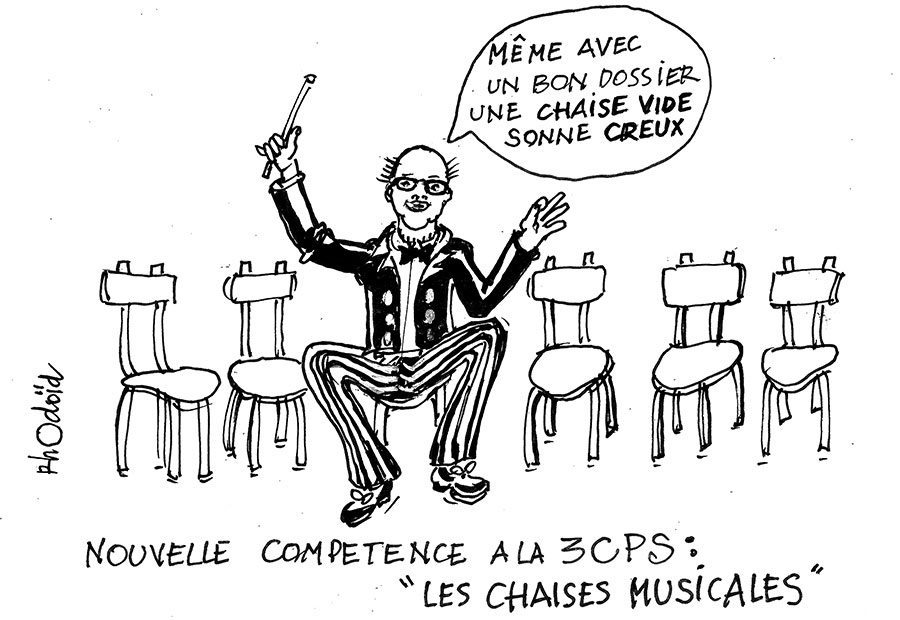
You might be thinking, "Okay, so someone's missing. Big deal!" But consider the ripple effects. Time wasted, decisions delayed, frustration levels rising... It's a recipe for inefficiency and, frankly, a headache. It's like trying to conduct an orchestra with a missing violin section – you can try, but the harmony will be off.

Decoding the Empty Chair: Why Does it Happen?
Before we arm ourselves with solutions, let's understand why these empty chairs pop up in the first place. Usually, it boils down to a few key culprits:
- Poor Scheduling: Double-booked calendars, conflicting priorities, and lack of advance notice are classic offenders.
- Communication Breakdown: Failure to adequately inform key individuals about the meeting's agenda and importance can lead to absences. Think of it as sending out an invitation written in hieroglyphics – no one's going to RSVP.
- Lack of Delegation: Some people feel like they're the only ones who can make certain decisions, preventing them from empowering others to step in when they're unavailable. This is the "control freak" empty chair.
- Simple Oversight: Sometimes, people just forget! We're all human, after all.
Combatting the Crisis: Strategies for a Full House
Alright, enough with the doom and gloom. Let's talk about how to fill that empty chair, figuratively speaking, and keep the conversation flowing. Here are a few practical tips to implement, n'est-ce pas?
Proactive Planning: Prevention is Key
- Calendar Tetris: Use scheduling tools (like Doodle, Calendly, or even just a good old-fashioned shared calendar) to find mutually agreeable times for meetings.
- Agendas, Agendas, Agendas!: Send out a detailed agenda well in advance, highlighting the key topics and the expected contributions of each participant. Think of it as setting the stage for a productive performance.
- Confirmations are Your Friend: A simple reminder email or phone call can drastically reduce no-shows.
During the Meeting: Adapt and Overcome
- Acknowledge the Absence: Don't just pretend the missing person isn't important. Acknowledge their absence and, if possible, briefly explain why they couldn't attend.
- Delegate Responsibility: If possible, empower someone else to represent the absent person's views or make decisions on their behalf. This requires trust and clear communication beforehand.
- Postpone Wisely: If the missing person's input is absolutely critical, it might be best to postpone the decision until they are available. But be strategic about it – avoid unnecessary delays.
- Document Everything: Even if a decision is postponed, document the discussion that took place. This will help the absent person catch up quickly and efficiently.
The Art of Delegation: Empowering Others
- Identify Key Skillsets: Understand the strengths and weaknesses of your team members. Who is best suited to step in for a particular absent person?
- Provide Clear Guidelines: Don't just throw someone into the deep end. Provide them with clear instructions, expectations, and the necessary resources to make informed decisions.
- Trust Your Team: Once you've delegated responsibility, trust that your team members will do their best. Avoid micromanaging, and provide support when needed.
Cultural Considerations: Vive la Différence!
It's also important to acknowledge that cultural norms can play a role in how the crise de la chaise vide is perceived and addressed. In some cultures, direct confrontation or assertive delegation might be seen as inappropriate, while in others, they are considered essential for efficiency. Remember that France, as one example, is historically known for its centralized decision-making. Decisions often come from the top and are then spread down. This is in contrast to some of the more northern European countries that often employ a consensus model when decisions are made.
Being aware of these cultural nuances can help you navigate the empty chair crisis with greater sensitivity and effectiveness. It's about adapting your approach to the specific context and the individuals involved.
The Empty Chair and You: A Daily Reflection
Ultimately, the crise de la chaise vide is a reminder that collaboration is a delicate dance. It requires careful planning, clear communication, and a willingness to adapt to unexpected circumstances. But perhaps the most important takeaway is this: the empty chair often reflects a deeper issue – a lack of preparation, a breakdown in communication, or a failure to empower others.
So, the next time you find yourself staring at that vacant seat, don't just sigh and wait for someone to show up. Take a moment to assess the situation, identify the underlying causes, and implement strategies to fill the void, either literally or figuratively. Bonne chance!