Okay, picture this: my friend Sophie, desperately trying to sell her inherited apartment in Paris. Beautiful, right? Think Haussmannian charm. Except… the market was sluggish. Months went by, and all she got were nibbles, not bites. Empty apartment, paying bills, you know the drill. Then, BOOM! Someone suggested a "convention d'occupation précaire". I'm paraphrasing her reaction, but it was basically: "A what now?! Is that even legal?!" She wasn't alone. We all looked at each other like, "Is this some kind of real estate Jedi mind trick?" Turns out, it's not only legal, but potentially a lifesaver. Let's dive in!
The Mysterious "Convention d'Occupation Précaire" - Demystified!
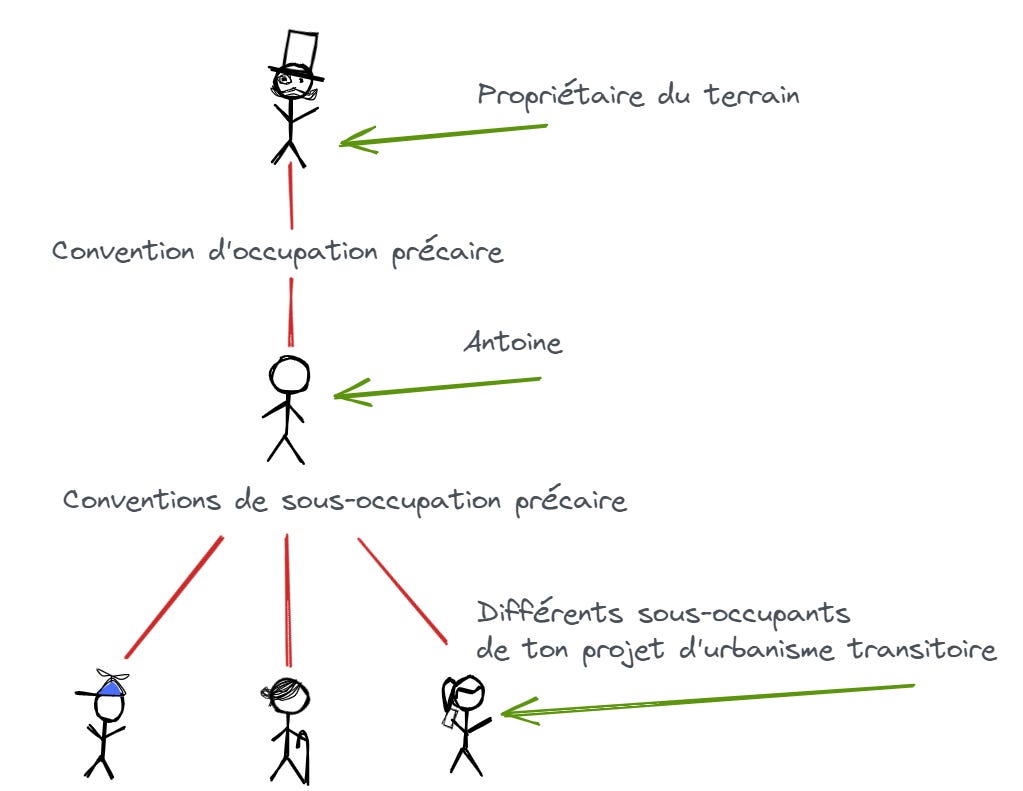
So, what is this creature, this "convention d'occupation précaire" (COP)? In English, it translates roughly to a "Precarious Occupation Agreement" or "Temporary Occupancy Agreement". Sounds a bit dramatic, doesn’t it? Like something out of a dystopian novel. But don't worry, it's actually quite practical.
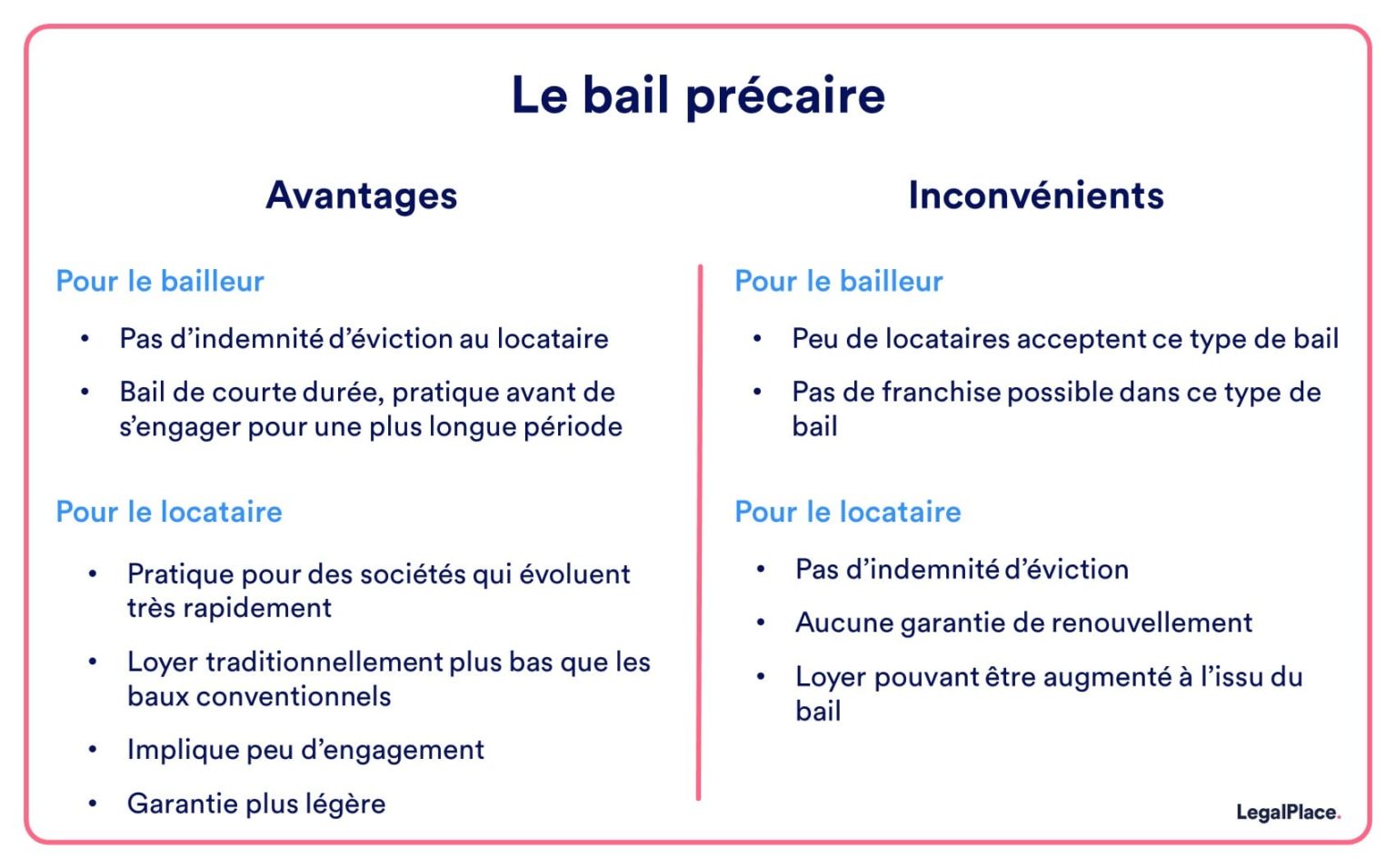
Simply put, it's an agreement that allows someone to occupy a property for a very specific and temporary reason, usually outside the scope of a standard rental agreement. Think of it as a legal way to let someone use your property, knowing they have to leave when you need it back. Crucially, it's designed to avoid the usual protections given to tenants under French law (which, let's be honest, are pretty robust).
Side Note: I'm not a lawyer (disclaimer!), so this is just friendly advice. Always consult a legal professional for your specific situation! You know, the usual drill.
Why Would You Even Consider This? (The Sophie Question)
Good question! Here are a few scenarios where a COP could be your new best friend:

- Selling a Property: Like Sophie! Filling an empty property while waiting for a sale can prevent squatters, deter vandalism, and make the place look more appealing to potential buyers. A lived-in house often feels more like a home, right?
- Renovations: Maybe you're renovating your primary residence and need a temporary place to stay. Or maybe you're a landlord renovating an apartment building and need to temporarily relocate tenants.
- Waiting for a Permit: You have a construction project planned but are still waiting for permits. You could use a COP to allow someone to occupy the land or building in the meantime.
- Professional Reasons: A company might need a temporary office space or storage facility.
- Guardianship: In situations where a property needs to be looked after, particularly for elderly or vulnerable individuals, a COP can provide a legal framework for a caregiver to reside on the premises.
See? Not as scary as it sounds. Think of it as a clever, legal loophole… well, not really a loophole, more like a smart tool for specific circumstances.
Key Characteristics: Making Sure It's the Right Kind of Agreement
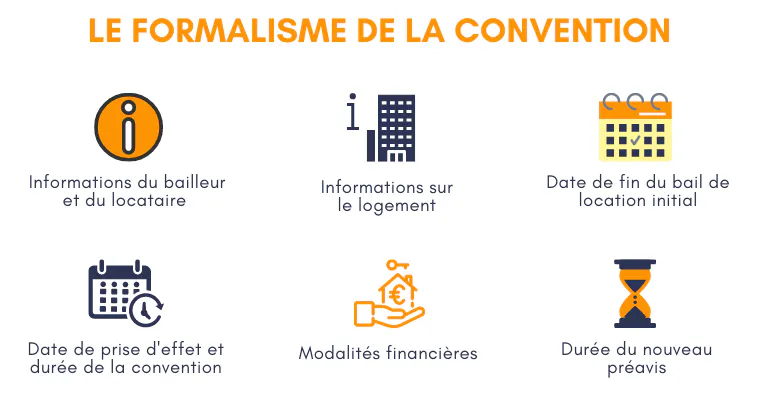
Here's the thing: a COP isn't just any agreement that calls itself a COP. To be valid, it needs to meet certain criteria. Otherwise, it could be reclassified as a standard rental agreement, and you'll be stuck with all the tenant protections you were trying to avoid in the first place. Ouch! Here’s what to watch out for:
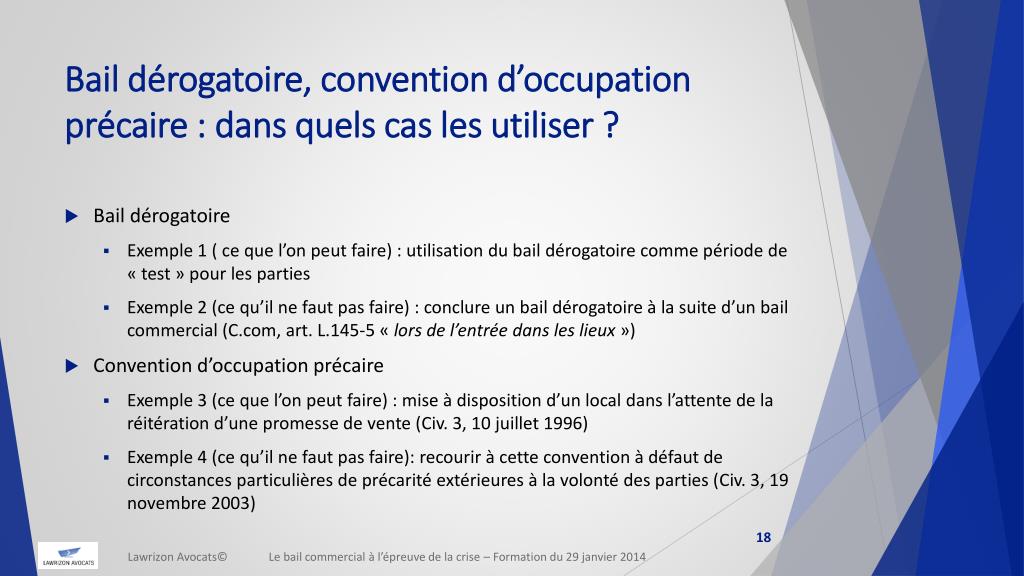
- Precariousness: This is the key. The agreement must be justified by a specific, objectively precarious situation. Like Sophie's sale! The reason for the temporary occupancy has to be clearly stated in the agreement. You can't just say "because I want it back eventually".
- Temporary Duration: The agreement needs a defined end date or a clear event that will trigger its termination (like the sale of the property). "Until I feel like it" isn't going to cut it.
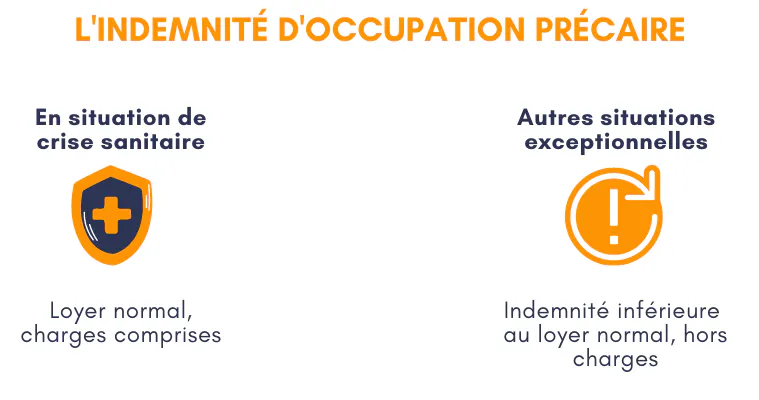
- No Rent: (Or, technically, a very low occupancy fee). This is a bit nuanced. You can't charge market rent. The occupancy fee should only cover expenses like utilities or basic maintenance. Charging a regular rent starts to look suspiciously like… well, rent. And that triggers tenant protection laws. Think of it more as a "thank you" for looking after the place.
- No Lease Deposit: You typically don't ask for a traditional security deposit. This is another sign that it’s not a standard lease.
- No "Droit au Maintien dans les Lieux": The occupant has no right to stay in the property beyond the agreed-upon term. No hidden clauses here!
Important! If any of these elements are missing or weak, the agreement could be challenged in court and reclassified as a traditional lease. So, be meticulous!
The "Convention d'Occupation Précaire Modèle Gratuit": Finding a Template (and What to Watch Out For)
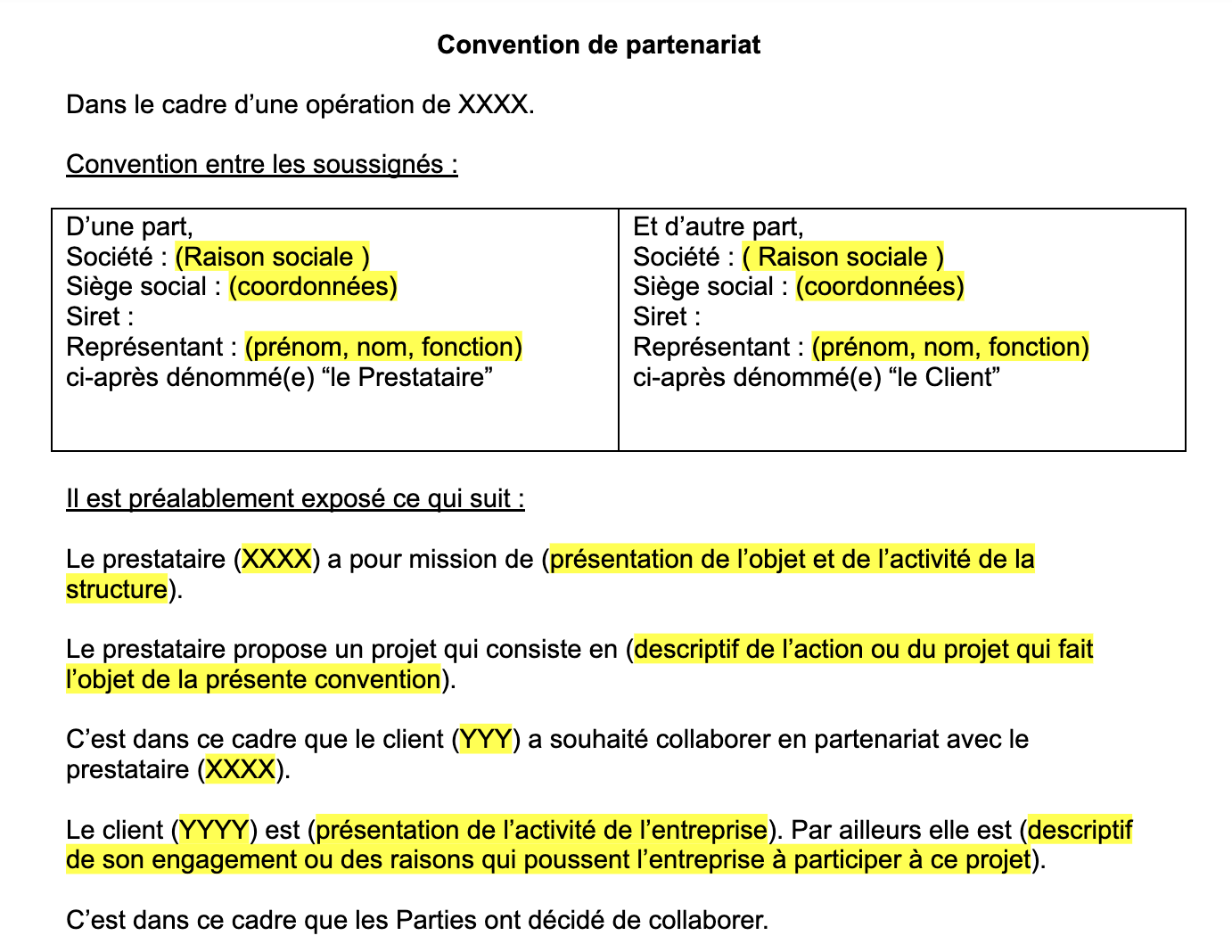
Okay, now you're intrigued. You're thinking, "This COP thing might actually work for me!" So, naturally, you head to Google and search for "convention d'occupation précaire modèle gratuit" (free COP template). And boom! A million options pop up. But beware! Like with any free legal document online, you need to be super careful.
.png?ixlib=gatsbyFP&auto=compress%2Cformat&fit=max&q=50&w=759&h=400)
Things to Consider When Using a Free Template:
- Is it Up-to-Date? Laws change! Make sure the template reflects the current regulations in France. An outdated template could be useless or even harmful.
- Is it Comprehensive? Does it cover all the essential clauses mentioned earlier (precariousness, duration, occupancy fee, etc.)? Does it protect your interests?
- Is it Specific to Your Situation? A generic template might not address the specific circumstances of your situation. For example, a template designed for a renovation project might not be suitable for selling a property.
- Have it Reviewed by a Professional! Seriously, this is the best advice. Even if you find a great-looking free template, get a lawyer or notary to review it before you sign anything. A little upfront investment can save you a lot of headaches (and money) down the road.
Think of it like this: a free template is like a pre-made suit. It might look good at first glance, but it probably won't fit perfectly. You'll need tailoring to make it truly work for you. That "tailoring" is the legal review.
Where to Find (Potentially) Useful Templates:
- Reputable Legal Websites: Some legal websites offer free or low-cost templates. Look for websites run by lawyers or legal professionals.
- Government Websites: Sometimes government websites offer sample documents for specific situations.
- Notary Websites: Notaries are often involved in property transactions, so their websites might have useful resources.
Remember, "free" doesn't always mean "good" or "safe". Do your research!
Final Thoughts: Is the COP Right for You?
The "convention d'occupation précaire" can be a fantastic tool, but it's not a magic bullet. It's essential to understand the rules and risks involved. If you're considering using one, ask yourself:
- Is my situation genuinely precarious? Can I clearly justify the temporary nature of the occupancy?
- Am I comfortable with the potential legal risks? Am I prepared to defend the agreement in court if necessary?
- Have I consulted with a legal professional? Seriously, have you?
For Sophie, the COP worked out great. She found a responsible occupant who kept her apartment in good condition, and it sold within a few months. But she also had a lawyer review the agreement carefully to ensure it was valid. And that, my friends, is the key to success with this potentially tricky but ultimately useful legal agreement. It's all about being informed, cautious, and, of course, calling in the professionals when needed!
And that's the long and short of it! Hope this helps you navigate the sometimes-confusing world of French property law. Now, if you'll excuse me, I need to go tell Sophie I wrote an article about her. Wish me luck!