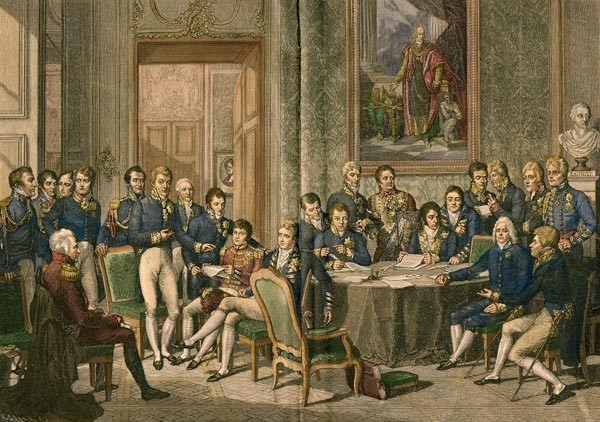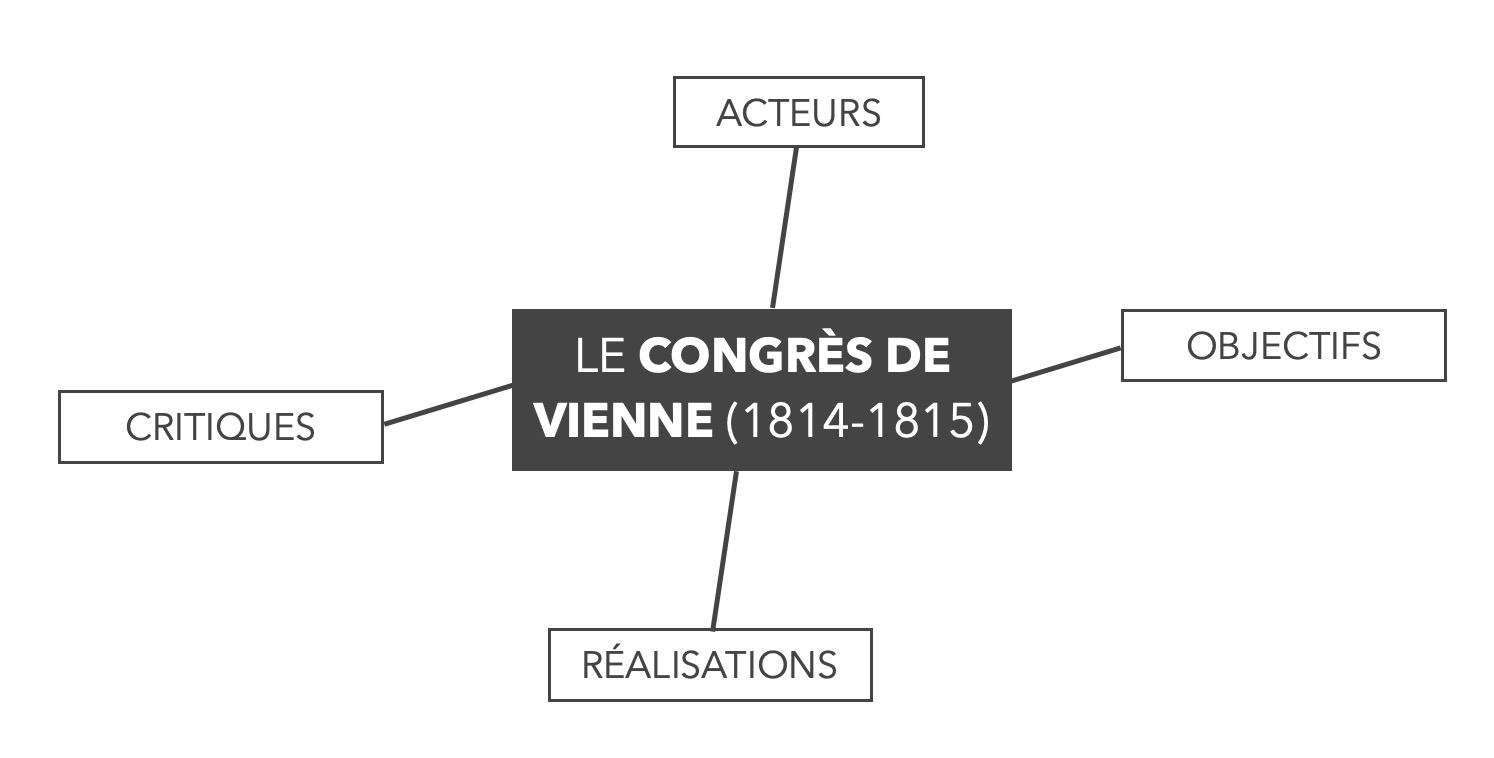
Bonjour, mes amis! Ever wondered what happened after Napoleon finally, finally, decided that maybe invading Russia in winter wasn't his brightest idea? Well, buckle up your breeches (or leggings, we're not judging) because we're diving headfirst into the Congress of Vienna, also known as the 1815 "Concert des Nations," a party so exclusive, you needed to be a crowned head to even get an invitation. And let me tell you, it was a mess, a glorious, powdered-wig-wearing, power-grabbing mess.
The Guest List: Who's Who in Post-Napoleonic Europe
Imagine a royal wedding, but instead of cake and awkward dancing, it's all about redrawing borders and deciding who gets to boss whom around. The big players? Oh, they were there:
- Austria: Represented by the ever-diplomatic (and probably exhausted) Prince Metternich. He was basically the party planner, trying to keep everyone from stabbing each other with their fancy swords. Think of him as the frazzled wedding planner, desperately trying to prevent a royal brawl over the buffet table.
- Great Britain: Lord Castlereagh, the cool, calm, and collected guy who just wanted to make sure nobody got any funny ideas about controlling the seas. He was the bouncer, subtly flexing his naval muscles.
- Russia: Tsar Alexander I, a man of immense ego and even more immense land. He was basically the guy who'd won the lottery and suddenly thought he knew everything about interior design (i.e., European politics).
- Prussia: Represented by Prince Karl August von Hardenberg, always eager to prove Prussia was a big boy now and deserved a seat at the adult table. Think of him as the younger sibling trying to act all grown up.
- France: Yes, even France, the country that had just caused all this trouble, was invited! Represented by the incredibly shrewd Talleyrand, who managed to convince everyone that France was really, really sorry and deserved another chance. He was the master of spin, the politician who could sell ice to Eskimos.
And then there were the smaller states, all vying for attention and hoping to grab a little slice of the newly-rearranged European pie. It was like a Black Friday sale, but instead of TVs, they were fighting over territories. Seriously, imagine the drama!
The Agenda: Making Europe Great Again (Again!)
The official goal of the Congress of Vienna was to establish a lasting peace in Europe after decades of Napoleonic Wars. A noble cause, right? But underneath the veneer of high-minded ideals, it was all about power, revenge, and restoring the old order. Here's the gist:
- Balance of Power: The key idea was to prevent any single country from becoming too dominant. They wanted to create a Europe where everyone was roughly equally strong, so nobody would be tempted to start another continent-wide war. Think of it like a playground where everyone has the same number of swings and slides, so nobody gets too jealous.
- Legitimacy: Restore the "legitimate" monarchs to their thrones. Basically, put the old royal families back in charge, because, you know, they were divinely ordained to rule. It was like saying, "Okay, Napoleon's little experiment with republics is over. Back to the way things were!"
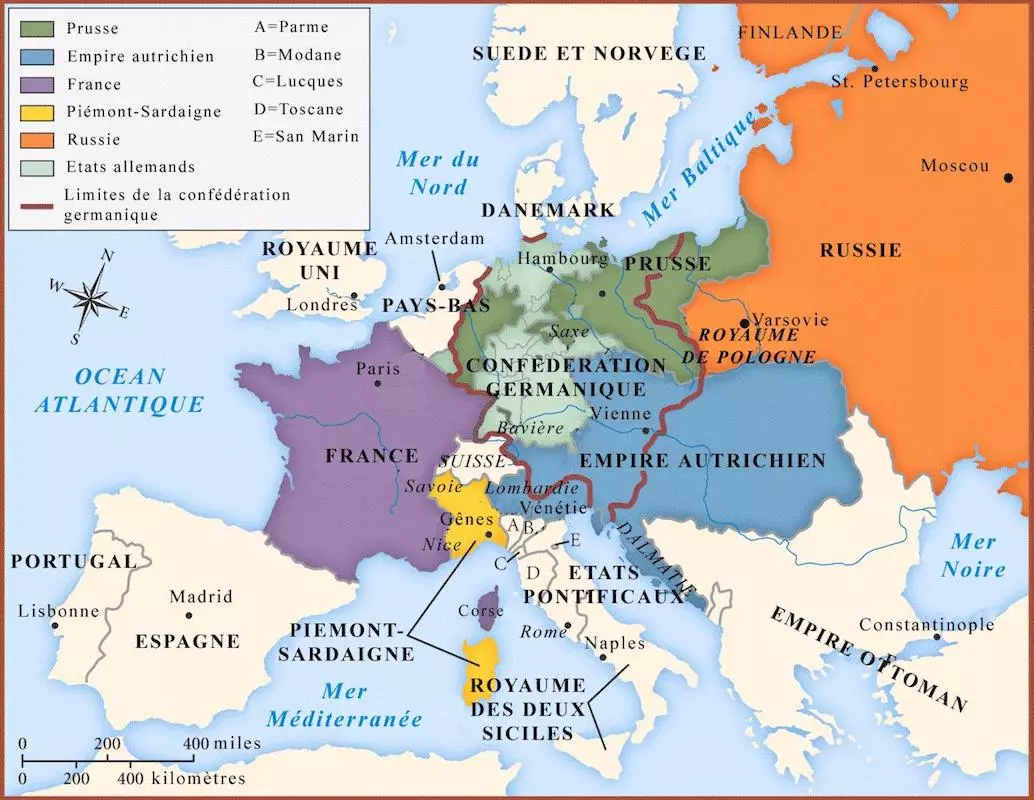
- Compensation: Everyone wanted something for their efforts in defeating Napoleon. Russia wanted Poland, Prussia wanted Saxony, Austria wanted… well, pretty much everything. It was like dividing up the spoils of war, only instead of gold doubloons, it was entire countries.
And of course, there was the thorny issue of France. How do you punish the country that caused all the trouble without completely destroying it and creating an even bigger mess? That was Talleyrand's challenge, and he played it like a virtuoso.
The Negotiations: More Backstabbing Than a Shakespearean Tragedy
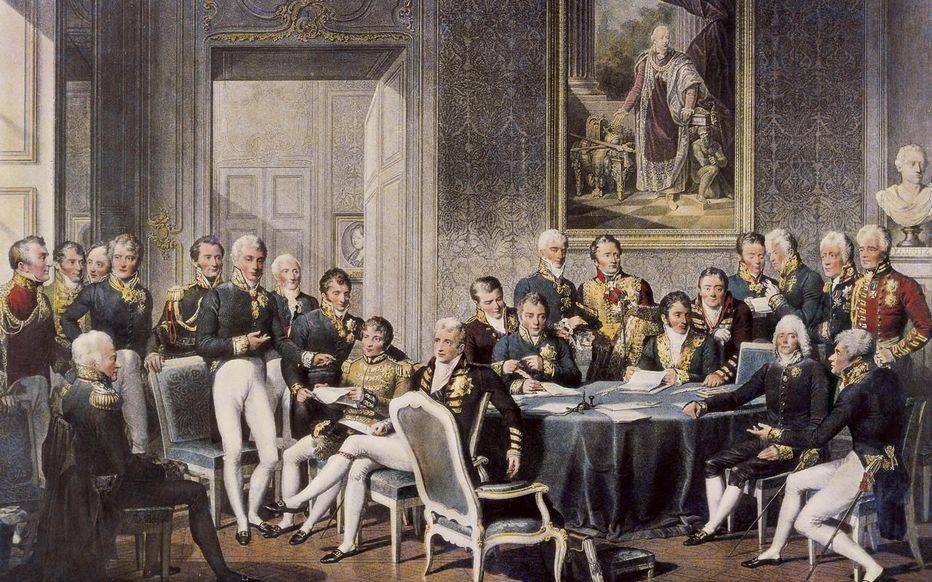
The Congress of Vienna wasn't just a meeting; it was a festival of diplomacy. There were balls, banquets, operas, and more secret meetings than you can shake a feather duster at. Everyone was trying to outmaneuver everyone else, making alliances, breaking alliances, and generally behaving like characters in a really complicated soap opera.
The Secret Alliances
Oh, the secret alliances! They were like whispered conversations in the hallway at a high school dance, only instead of deciding who to ask to the prom, they were deciding the fate of nations. Austria, Britain, and France even formed a secret alliance against Russia and Prussia at one point, just to keep them from getting too greedy. It was like a royal rumble, only with more polite language and fewer wrestling moves.
Talleyrand's Masterclass in Manipulation
Talleyrand, the French representative, was the undisputed star of the show. He managed to convince everyone that France was a victim of Napoleon's aggression, not a perpetrator. He played on their fears of Russian expansion and their desire for a stable Europe. He was the ultimate political chameleon, changing his colors to blend in with any environment. Seriously, the man deserved an Oscar (if they had Oscars back then, which they didn't, but you get the idea).

The Polish-Saxon Question: A Real Headache
The biggest sticking point was the fate of Poland and Saxony. Russia wanted to create a Polish kingdom under its control, and Prussia wanted to annex Saxony. Austria and Britain were vehemently opposed, fearing that this would give Russia and Prussia too much power. It was like arguing over who gets the last slice of pizza, only the pizza was a strategically important territory with millions of people.
The Outcome: A New Map of Europe (and a Few Grudges)
After months of negotiations, compromises, and backroom deals, the Congress of Vienna finally came to an end. The result? A new map of Europe, a restored balance of power, and a whole lot of lingering resentment. Here's a quick rundown:
- France: Miraculously, France managed to emerge relatively unscathed. It lost the territories it had gained under Napoleon, but it kept its pre-revolutionary borders and even regained its status as a major European power. Talleyrand, you sly dog!
- Austria: Gained territory in Italy and the Balkans, solidifying its position as a major power in Central Europe. Metternich probably breathed a sigh of relief and poured himself a very large glass of wine.
- Prussia: Got a chunk of Saxony and territory in the Rhineland, setting the stage for its future rise to power. The younger sibling finally got some respect.
- Russia: Got a good portion of Poland, but not as much as it wanted. Tsar Alexander I probably grumbled about it for years to come.
- Great Britain: Didn't really gain much territory in Europe, but it solidified its control of the seas and its global trading empire. Lord Castlereagh probably went home and enjoyed a nice cup of tea, knowing he'd played his cards right.
The Congress also created the German Confederation, a loose alliance of German states under Austrian leadership. This was meant to prevent the emergence of a unified German empire, but it ultimately failed to do so (spoiler alert: Germany becomes a thing later on). It also reaffirmed the abolition of the slave trade, which was a nice gesture, even if it wasn't always enforced.
The Legacy: Did They Actually Fix Anything?
So, did the Congress of Vienna actually achieve its goal of creating a lasting peace in Europe? Well, yes and no. On the one hand, it did prevent a major continent-wide war for nearly a century. On the other hand, it completely ignored the rising forces of nationalism and liberalism, which would eventually lead to a series of revolutions and wars in the 19th century. It was like putting a band-aid on a broken leg – it might look good for a while, but it's not going to fix the underlying problem.
The Seeds of Future Conflict
The Congress of Vienna tried to restore the old order, but it couldn't turn back the clock. The French Revolution had unleashed powerful forces that couldn't be contained. People had gotten a taste of freedom and self-government, and they weren't going to give it up easily. The seeds of future conflict were sown in the very act of trying to suppress them.
The Concert of Europe: A Club for Kings
The Congress of Vienna also established the "Concert of Europe," a system of cooperation among the great powers to maintain peace and stability. This was basically a club for kings, where they could meet and discuss how to suppress any revolutionary movements that threatened their thrones. It worked for a while, but it ultimately proved to be too rigid and inflexible to adapt to the changing times.

The Punchline: So, Was It Worth It?
So, was the Congress of Vienna worth all the fancy balls, secret alliances, and backstabbing negotiations? Well, it depends on your perspective. If you were a king or a prince, probably yes. You got your throne back, your land restored, and a renewed sense of divine right. If you were a commoner, probably not so much. You still had to pay taxes, obey your rulers, and hope that they wouldn't start another war. But hey, at least you got to watch some fireworks, right? And maybe, just maybe, the seeds of a more democratic future were being sown, even in the midst of all the royal pomp and circumstance.
In the end, the Congress of Vienna was a fascinating, frustrating, and ultimately flawed attempt to create a lasting peace in Europe. It was a testament to the power of diplomacy, the allure of power, and the enduring human capacity for both cooperation and conflict. And if nothing else, it gave us a great story to tell – a story full of intrigue, betrayal, and enough powdered wigs to fill a museum. So, the next time you're at a party and things get a little tense, just remember the Congress of Vienna. At least you're not trying to redraw the map of Europe. Probably.
And who knows, maybe one day they'll make a musical about it. "Les Misérables: The Vienna Years." I'd buy a ticket!