Okay, picture this: I’m at a friend’s wedding, right? And during the ceremony, the officiant reads a passage from the Bible. Beautiful, moving… all that good stuff. But then, later, at the reception, I overhear two guests arguing about which version of the Bible is “correct.” Like, seriously? It got heated! That's when it hit me: most of us – myself included, honestly – have a pretty vague idea about how the Bible actually came to be. It's not like it just dropped from the sky, neatly bound and printed!
So, that awkward wedding moment sparked my curiosity, and I decided to dive into the fascinating (and sometimes messy) history of the Bible’s composition. Turns out, it’s a story filled with diverse authors, centuries of development, and some pretty intense debates along the way. Buckle up, because we're about to take a whirlwind tour!
The Old Testament: A Collection of Ancient Texts
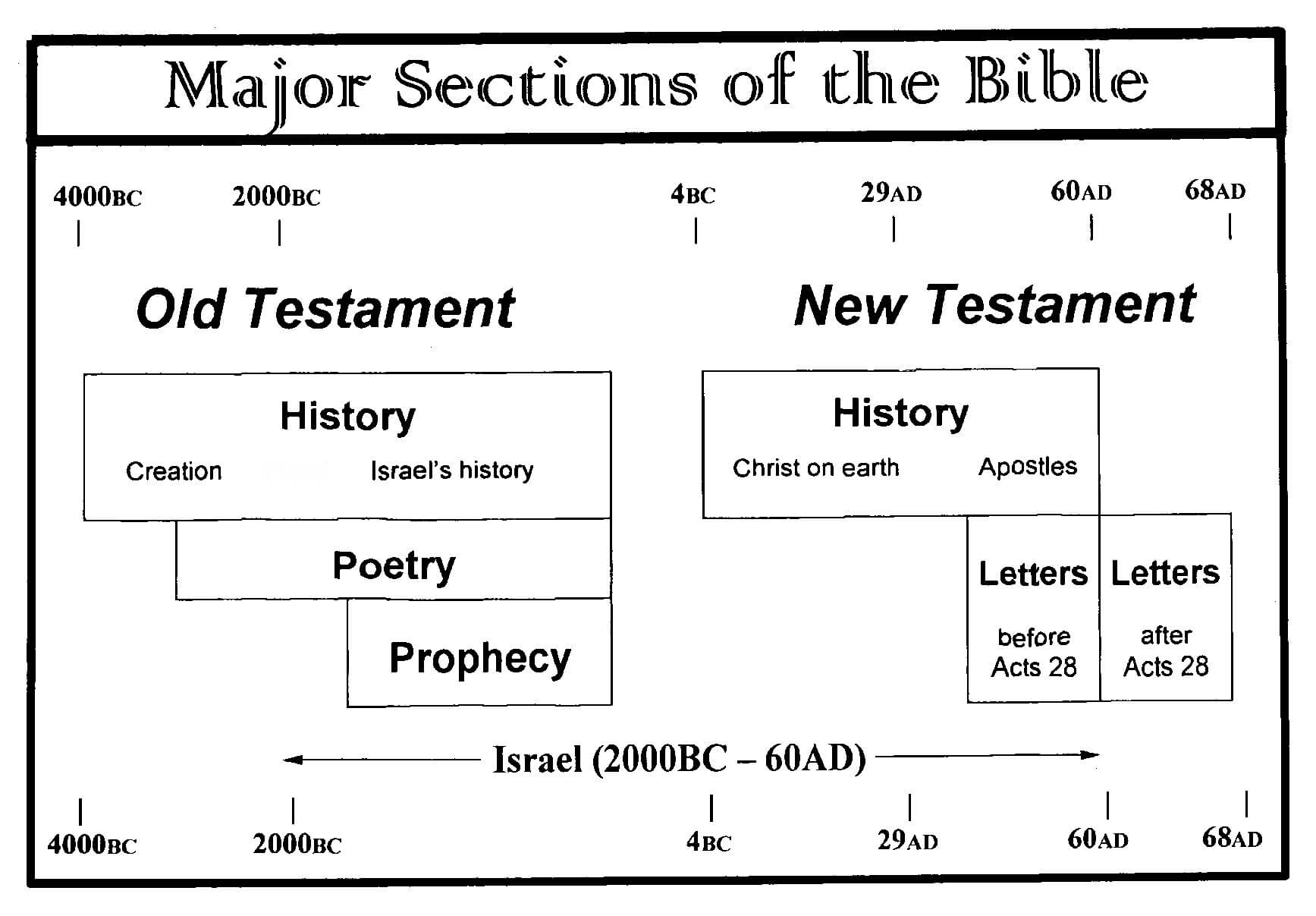
Let's start with what Christians call the Old Testament (Jewish people refer to it as the Tanakh, and its composition is largely the same, though the arrangement and interpretation can differ). This section is a compilation of Hebrew scriptures, and it's far from a single, unified book written by one person. We're talking about a collection of texts written over centuries – we're talking from about 1200 to 100 BCE! – by various authors, edited and re-edited over time.
Think of it less like a single novel and more like a multi-author anthology, spanning different genres: history, poetry, law, prophecy… the works! If you've ever tried to wrangle different writing styles into one cohesive document, you know how much work that is!
Key Components of the Old Testament:
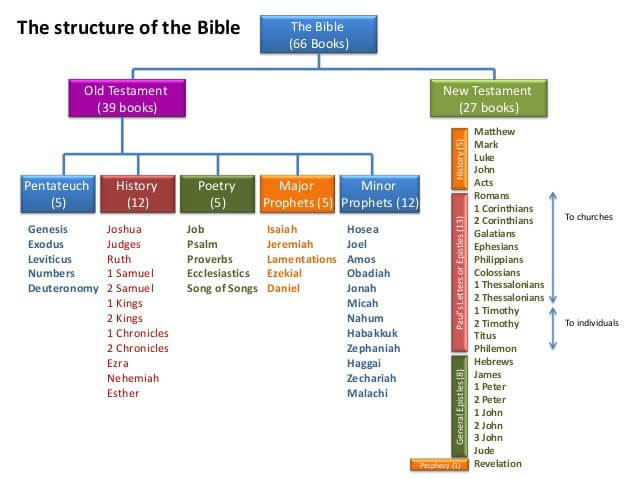
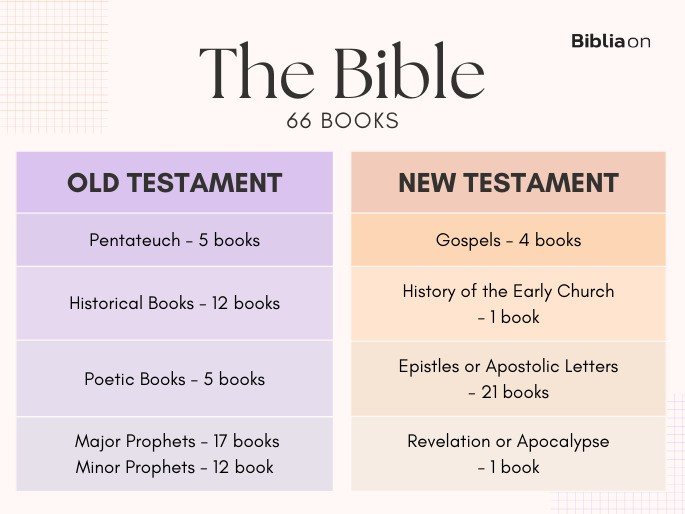
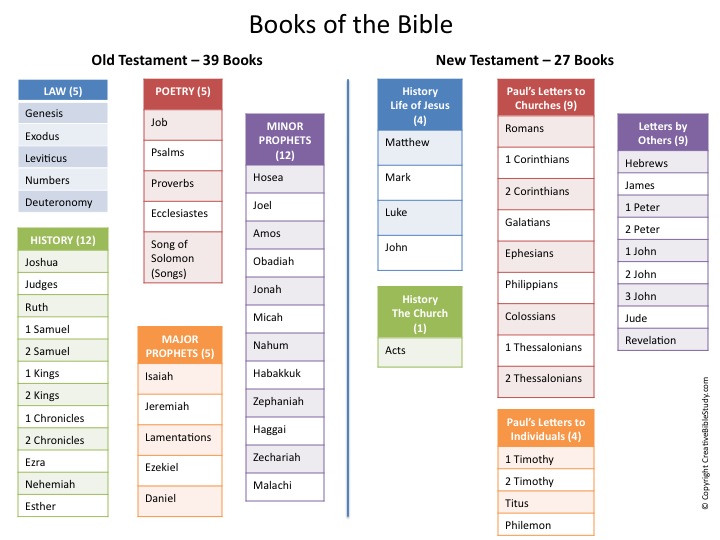
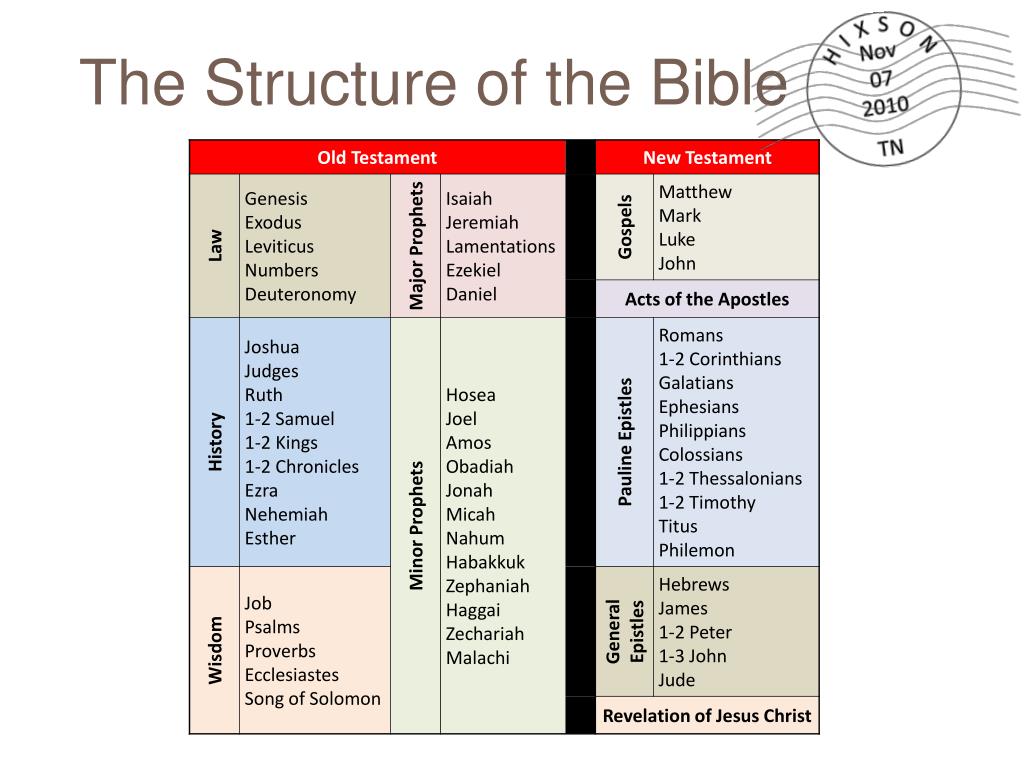
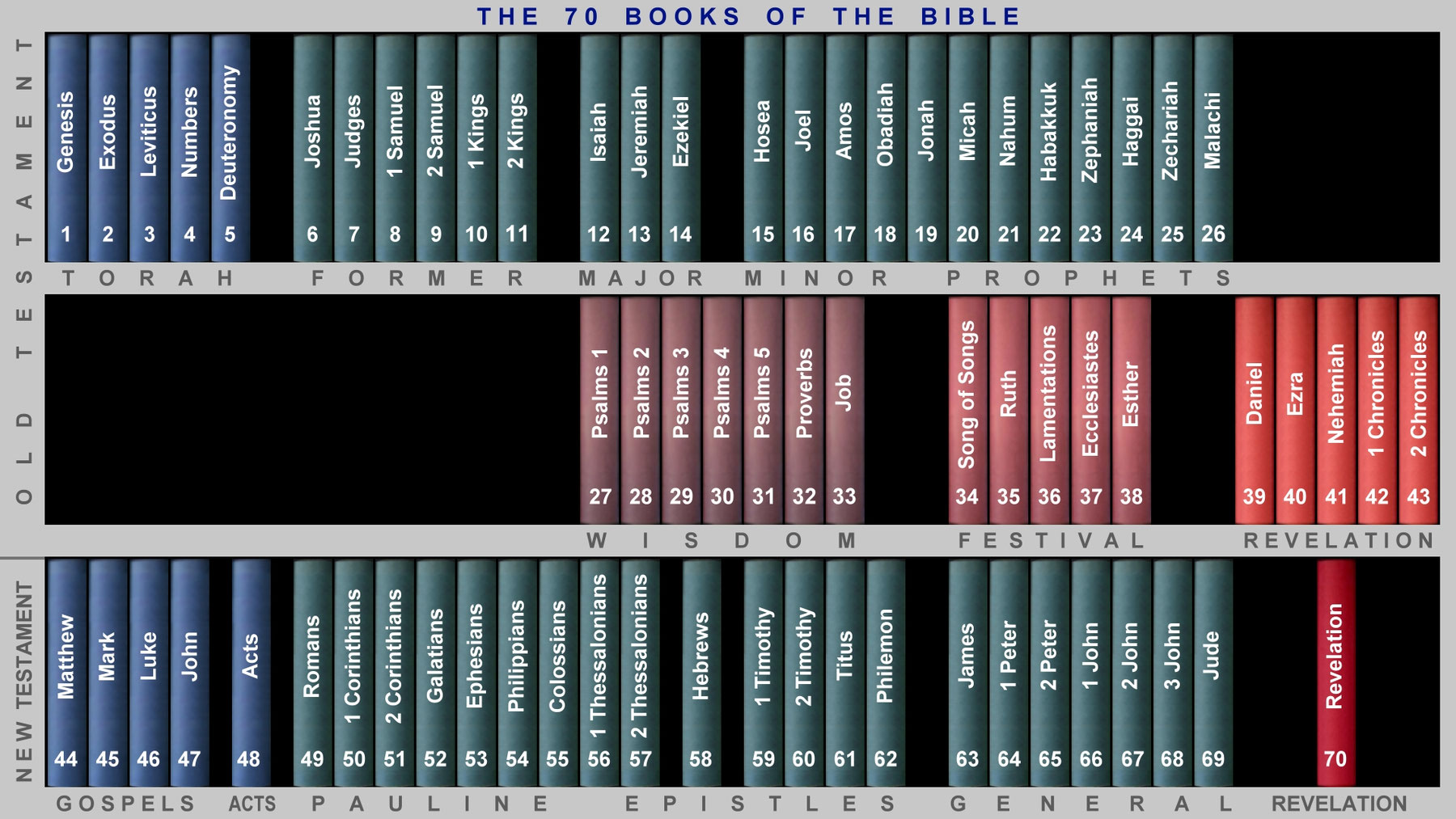
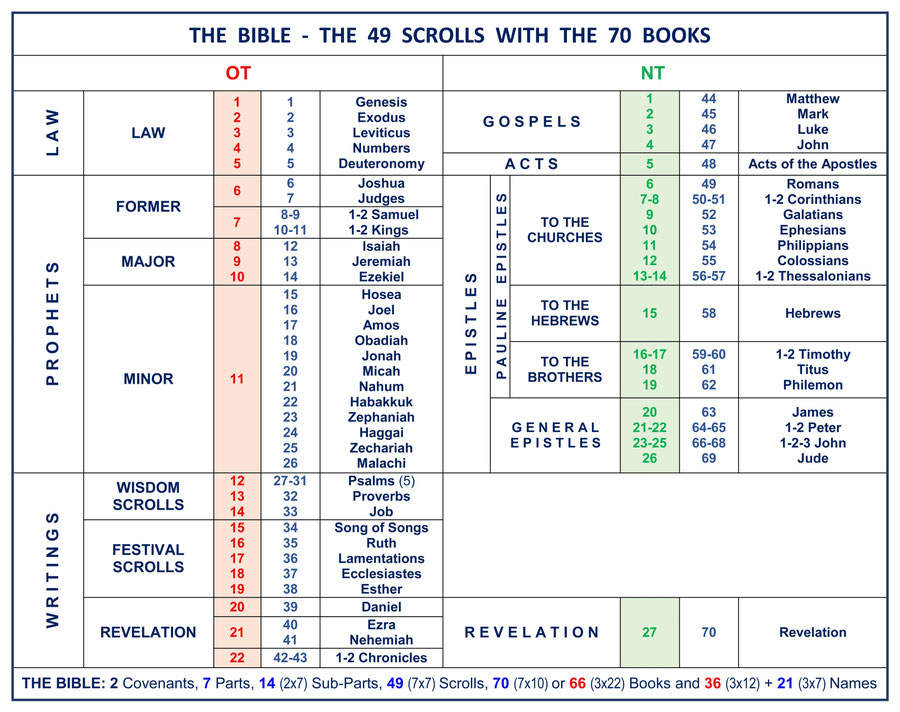
- The Torah (or Pentateuch): These are the first five books – Genesis, Exodus, Leviticus, Numbers, and Deuteronomy. Traditionally attributed to Moses, although most scholars now believe they were compiled from various sources over time. (Side note: the Documentary Hypothesis is a popular theory that breaks down these books into different source texts – J, E, P, and D. It’s a rabbit hole of academic debate if you're feeling ambitious!)
- The Historical Books: Joshua, Judges, Ruth, 1 & 2 Samuel, 1 & 2 Kings, 1 & 2 Chronicles, Ezra, Nehemiah, Esther. These books narrate the history of the Israelites, from their conquest of Canaan to their exile in Babylon and subsequent return. A lot of epic stories here, with heroes, villains, and plenty of drama.
- The Wisdom Literature: Job, Psalms, Proverbs, Ecclesiastes, Song of Solomon. These books explore philosophical questions, offer practical advice, and express the beauty and complexity of human experience. Ever feel like you need some ancient wisdom? This is where to look.
- The Prophetic Books: Isaiah, Jeremiah, Lamentations, Ezekiel, Daniel, Hosea, Joel, Amos, Obadiah, Jonah, Micah, Nahum, Habakkuk, Zephaniah, Haggai, Zechariah, Malachi. These books contain the messages of the prophets, who spoke out against injustice, warned of impending judgment, and offered hope for the future. If you like a bit of fiery rhetoric, these guys are your jam.
Now, here's the thing: these books weren't necessarily written in chronological order. They were composed, collected, and edited over centuries. Different versions circulated, and eventually, the Jewish religious leaders had to decide which texts were considered authoritative – that is, canonical.

The process of canonization was a long and complex one, spanning several centuries. There was not one single council that made the official decision. Different Jewish communities had different traditions and accepted different books. For example, the Septuagint, a Greek translation of the Hebrew scriptures, included additional books (like Judith, Tobit, and Maccabees) that were not included in the Hebrew canon. These books are referred to as Deuterocanonical by Catholics and Orthodox Christians, and considered Apocrypha by Protestants. Complicated, right?
The New Testament: A Focus on Jesus
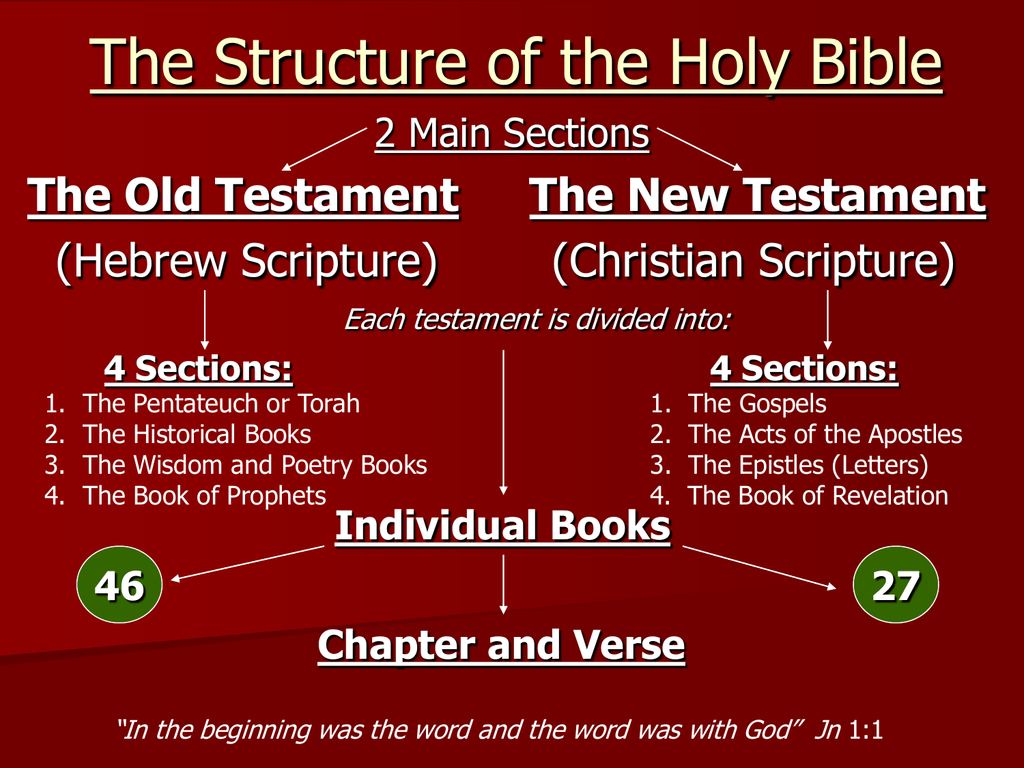
Moving on to the New Testament! This section is focused on the life, teachings, death, and resurrection of Jesus Christ, as well as the early history of the Christian church. It’s composed of 27 books, written primarily in Greek, most likely between the mid-1st century and the early 2nd century CE.
Just like the Old Testament, the New Testament didn't appear overnight. It was a gradual process of writing, collecting, and canonizing texts. There were many more writings circulating in the early Christian communities than what eventually made it into the New Testament. These included other gospels (like the Gospel of Thomas), letters, and apocalyptic works. So, why these 27?
Key Components of the New Testament:
- The Gospels: Matthew, Mark, Luke, and John. These books tell the story of Jesus' life, ministry, death, and resurrection. Each gospel presents a unique perspective on Jesus, and scholars often debate their relationships to one another (the Synoptic Gospels – Matthew, Mark, and Luke – are particularly fascinating in this regard).
- The Acts of the Apostles: This book chronicles the early history of the Christian church, focusing on the activities of the apostles after Jesus' ascension. It's basically the sequel to the Gospel of Luke (they share the same author).
- The Pauline Epistles: Romans, 1 & 2 Corinthians, Galatians, Ephesians, Philippians, Colossians, 1 & 2 Thessalonians, 1 & 2 Timothy, Titus, Philemon. These are letters written by Paul (or attributed to him) to various churches and individuals, addressing theological issues, offering practical advice, and encouraging believers in their faith. Whether all of them were actually written by Paul is another debate that rages on in academic circles.
- The General Epistles: Hebrews, James, 1 & 2 Peter, 1, 2, & 3 John, Jude. These letters are addressed to a wider audience and cover a range of topics, including Christian living, faith, and warnings against false teachings.
- The Book of Revelation: This apocalyptic book is filled with symbolic language and visions, describing the ultimate triumph of God over evil. It's definitely not a light read!
The criteria for including a book in the New Testament canon were complex and varied. Some of the main considerations included apostolic authorship (or association with an apostle), orthodoxy (conformity to established Christian beliefs), widespread use and acceptance in the early churches, and internal consistency. The process wasn't always smooth, and different regions and churches recognized different books for a time.
The formalization of the New Testament canon wasn't a single event, but a gradual process that took several centuries. By the late 4th century, a consensus had largely emerged, and the 27 books that we know today were widely recognized as authoritative. Again, just like with the Old Testament, there were various councils of church leaders involved in this process. Each one discussing the different books and their authority.
Translation and Interpretation: A Never-Ending Story
Even after the Bible was compiled, the story didn’t end there! Translation and interpretation have played a crucial role in shaping how the Bible is understood and received. The Bible has been translated into countless languages over the centuries, and each translation involves choices and interpretations that can subtly (or not so subtly) influence the meaning of the text.
Think about it: words have different connotations in different languages, and cultural contexts can shape how a particular passage is understood. Translators have to make decisions about how to render the original text in a way that is both accurate and accessible to their audience. It's a tough job!
And then there's the issue of interpretation. People from different backgrounds, cultures, and theological traditions will inevitably interpret the Bible in different ways. Some people take a literal approach, while others emphasize the allegorical or symbolic meaning. There are even different schools of theological interpretation, each with its own methods and assumptions. (Hermeneutics, if you want to get fancy!) The endless debates can be exhausting, but it also contributes to the rich diversity of interpretations.
So, What Does It All Mean?
The composition of the Bible is a complex and fascinating story, filled with diverse authors, centuries of development, and countless debates. It's a reminder that the Bible is not a static, monolithic text, but a dynamic and evolving collection of writings that has been shaped by history, culture, and human interpretation. Knowing this history helps us understand where the bible comes from.
Ultimately, understanding the history of the Bible's composition can enrich our appreciation for this influential text and encourage us to engage with it in a more thoughtful and informed way. Plus, it can help us avoid those awkward wedding arguments!