Okay, confession time. Remember that movie, Kill Bill, where Elle Driver whistles so menacingly? For years, I tried to replicate that. Total fail. I looked like a goldfish gasping for air, and the only sound I made was...well, definitely not a whistle. Turns out, whistling with your fingers is less about innate talent and more about knowing the secret sauce. And guess what? I'm about to spill it.
So, why are we even talking about whistling? Because it's cool! And surprisingly useful. Need to get someone's attention across a crowded park? A sharp, well-placed whistle beats shouting any day. Plus, it impresses people. Let's be honest, who doesn't want to be the person who can summon a taxi with a piercing whistle? (Okay, maybe not in Paris, but still!)
Getting Your Hands Ready
First things first, your hands are your instrument. Treat them with respect! Okay, maybe not that much respect. But here's what you need to consider:
- Cleanliness: No one wants to put dirty fingers in their mouth. Just saying.
- Dryness: Slightly damp fingers are ideal. Too wet, and they'll slip. Too dry, and you won't get a good seal. Think... Goldilocks level of "just right."
Experiment with different hand positions. There's no single "right" way. But here are a couple of popular options:
Two Finger Method
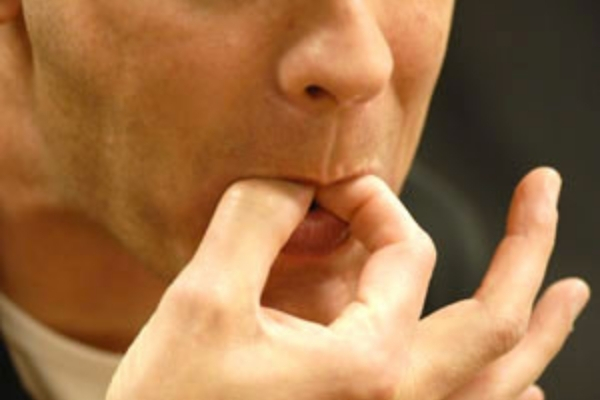
This is probably the most common technique. You can use:

- Your index fingers
- Your middle fingers
- One of each
The key is to create a small gap between your fingers. Think of it as a tiny little doorway for the air to escape. (Pro-tip: If you're using your middle fingers, make sure your fingernails are trimmed! Trust me.)
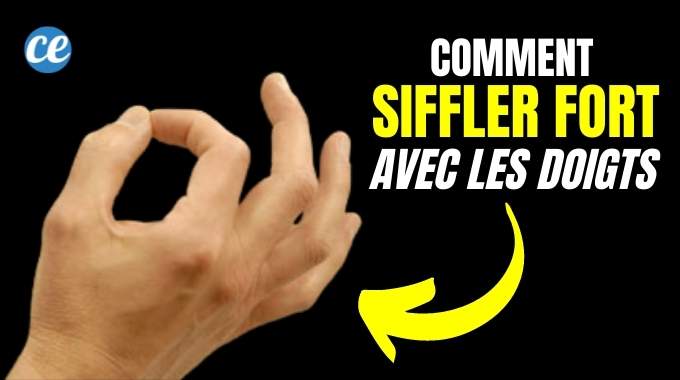
The "A-Okay" Method
Form the "A-Okay" sign (thumb and index finger touching). Now, here's the tricky part: tuck your tongue back slightly. This creates a small chamber in your mouth. You'll need to experiment to find the sweet spot. It feels a bit weird, but that's normal.
Positioning Your Tongue
This is where the magic happens. Your tongue acts as a deflector, directing the air flow across your lips. Think of it like a tiny little ramp for the air to zoom off of. Here are a few things to keep in mind:
- Placement: Experiment with pushing your tongue back or forward. Small adjustments can make a big difference.
- Shape: Your tongue should be slightly curved, creating a small channel.
(Side note: Don't be surprised if your tongue feels a bit tired at first. It's a muscle, after all!) I remember my tongue hurting so much the first days, that's why you need to practice consistently.

The Blow
This is the final piece of the puzzle. It's all about controlled airflow. Don't just blast air out like you're trying to blow out a birthday cake. It needs to be a steady, consistent stream. Think of it more like gently persuading the air to whistle.
Keep trying, keep experimenting, and most importantly, don't give up! It might take a few minutes, or it might take a few days. But eventually, you'll get it. And when you do, prepare to be amazed (and possibly a little bit annoying to everyone around you). Happy whistling!