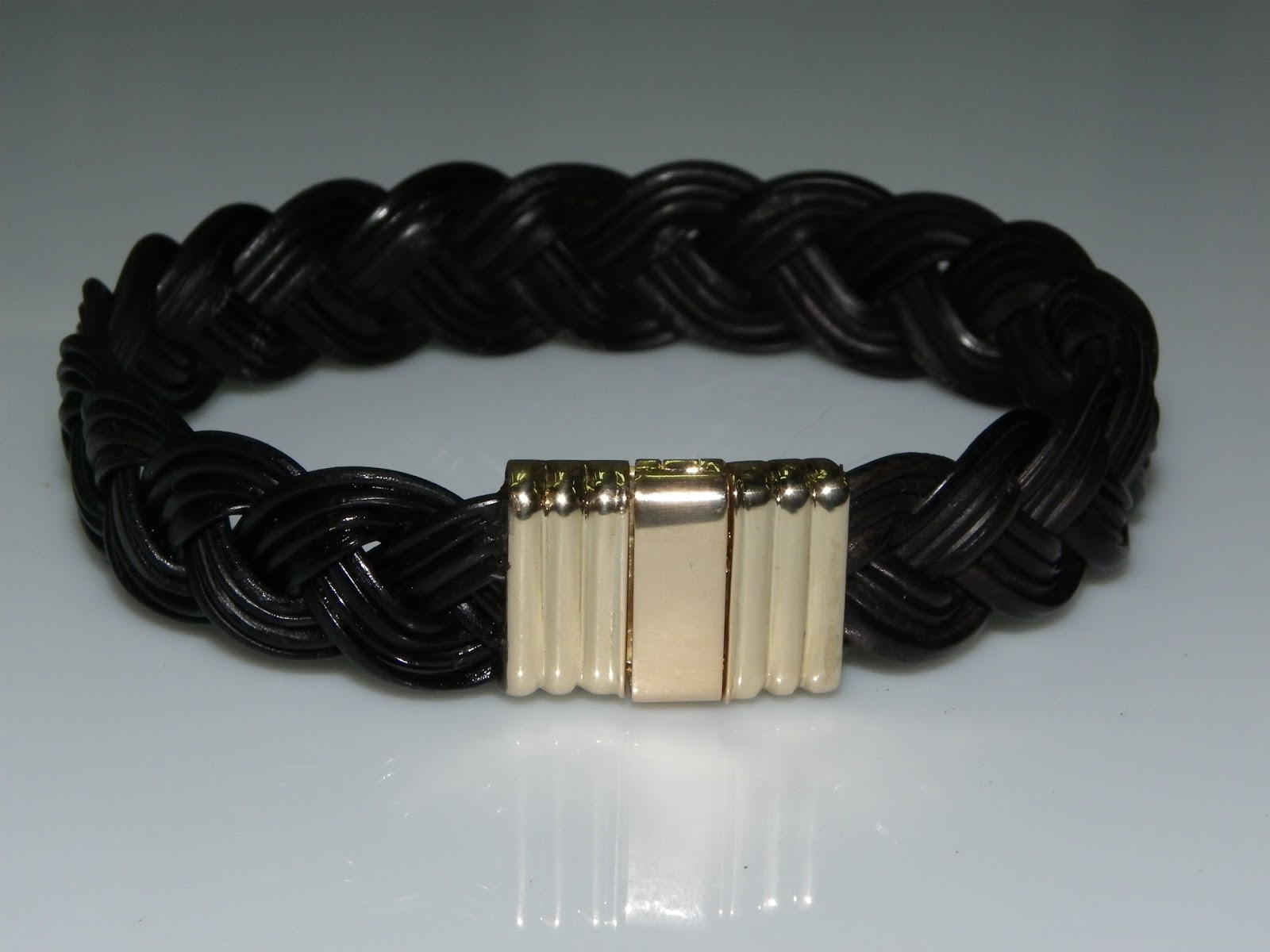
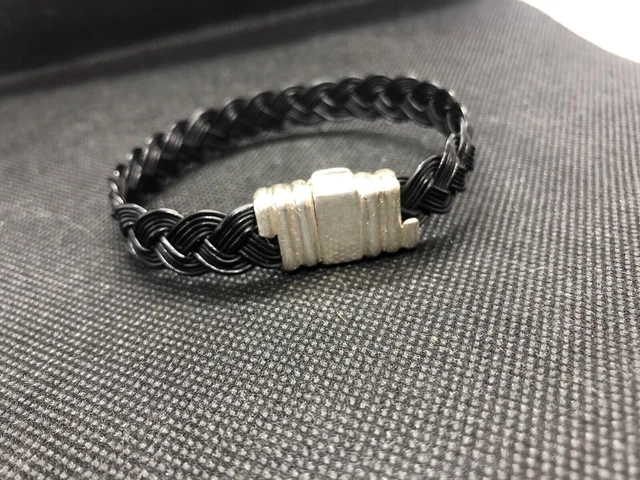
Okay, imagine this: I'm at a flea market in some charming (read: dusty) village in the south of France. The air is thick with the smell of lavender and old cheese, and I'm elbow-to-elbow with bargain hunters. And then, bam! I spot it. A beautiful bracelet, all woven and earthy-looking. The vendor assures me it's authentic, made from real elephant hair. I, of course, am immediately intrigued. Was it the real deal, or just a very convincing fake? Let's just say I ended up learning a lot about elephant hair bracelets that day... (and spending more than I probably should have).
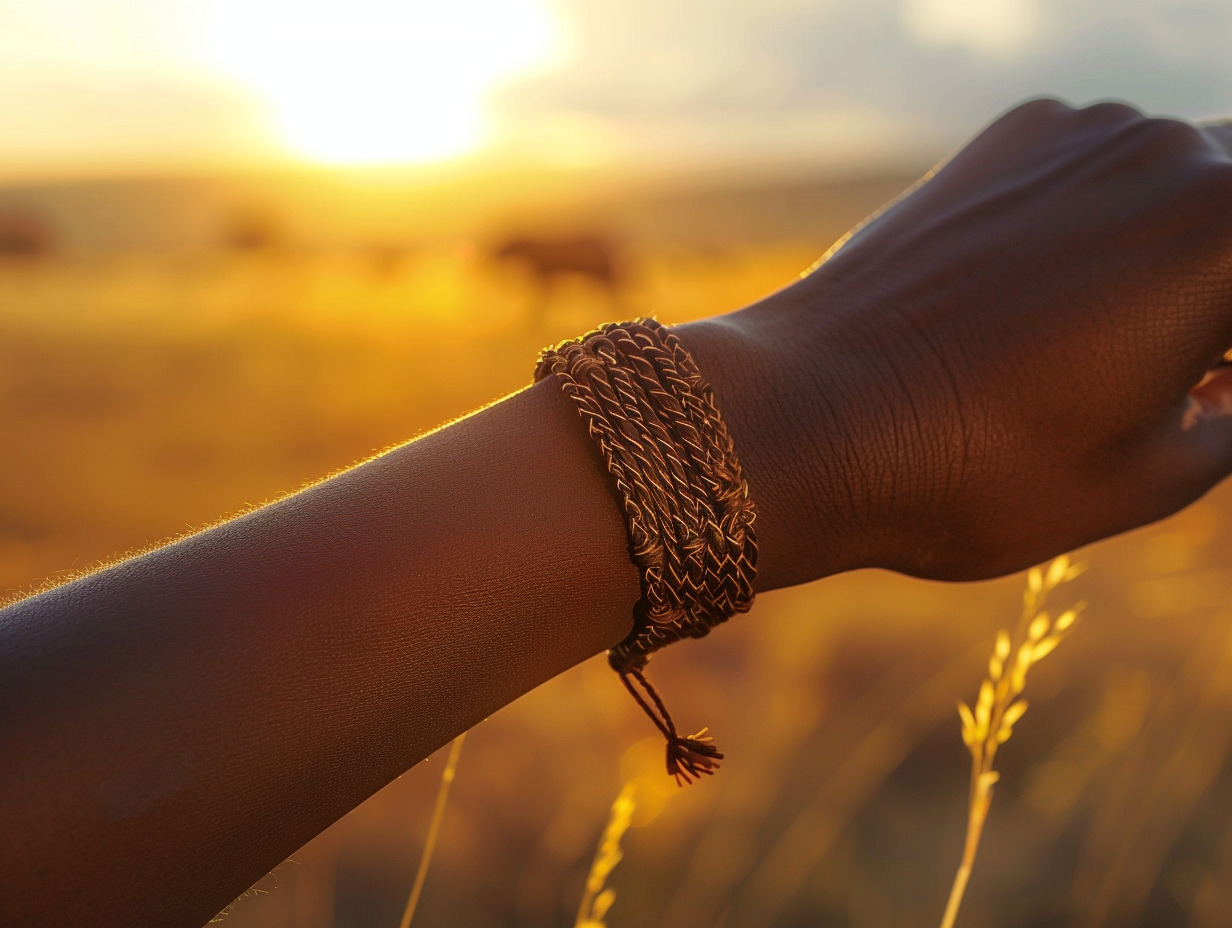
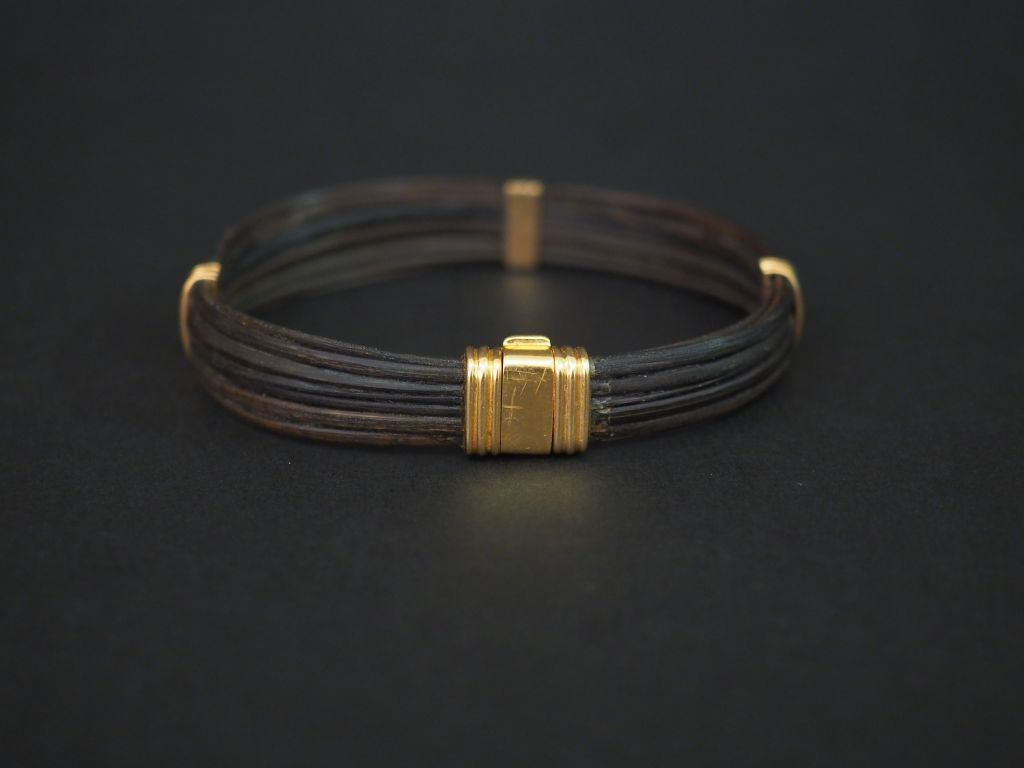
That’s what brings us here, mes amis! You've seen them, right? Those bracelets that look like they were plucked straight out of a safari movie. Intricate knots, earthy tones, a certain rustic charm… Elephant hair bracelets are undeniably cool. But the question is, how do you tell a real one from a cleverly disguised imposter? Trust me, it's a jungle out there.
The Allure of the Elephant Hair Bracelet
First things first, let's talk about why these bracelets are so popular. Beyond the aesthetic appeal, there's a whole layer of folklore and symbolism attached to them. In some cultures, they are believed to bring good luck, protection, and even represent a connection to the wild. Pretty heavy stuff for a piece of jewelry, right?
Historically, elephant hair bracelets were made from hair naturally shed by elephants. (Don’t worry, no elephants were supposed to be harmed in the making! Emphasis on "supposed to be.") The hair would be collected, cleaned, and then carefully woven into intricate patterns. This craft was often passed down through generations, adding another layer of cultural significance.
But here's the thing: as you can probably guess, elephant hair isn't exactly the most readily available material. With stricter regulations and a growing awareness of elephant conservation, finding ethically sourced elephant hair is increasingly difficult. And that, my friends, is where the fakes come in. It’s just basic supply and demand, isn't it? So, how can we, the discerning bracelet-wearers, avoid getting duped?
Decoding the Elephant Hair Bracelet: Spotting the Fakes
Alright, time to put on our detective hats! Here are a few key things to look for when determining if an elephant hair bracelet is genuine:

1. The Burn Test (Proceed with Caution!)
Okay, I'm putting this one first with a HUGE disclaimer: DO NOT go around setting fire to random bracelets! Seriously. But, if you absolutely must, and you have a small, inconspicuous strand you can test, a tiny burn test can be informative. (And I mean tiny! Like, a single fiber.) Real hair, when burned, will smell like burning hair. Synthetic materials will smell more like melting plastic.
Important note: This is a risky test and can damage the bracelet. It's also not 100% foolproof, as some clever forgers might use treated natural fibers to mimic the smell. So, use this as a last resort, and only if you're willing to potentially sacrifice a tiny piece of the bracelet for science! (Or maybe just trust the other tips below? Just a thought.)
2. The Texture and Feel
Elephant hair has a distinct texture. It's not smooth like silk, nor is it rough like rope. It's somewhere in between. It should feel slightly coarse, almost like a thick, wiry thread.
- Real Elephant Hair: Slightly coarse, wiry, a bit stiff.
- Fake: Often too smooth (like nylon or plastic), or too rough (like jute or hemp).
Run your fingers over the bracelet. Does it feel natural and organic, or does it feel manufactured and uniform? This is a good first impression test. (Think of it like dating. First impression matters!)

3. The Knotting and Weaving
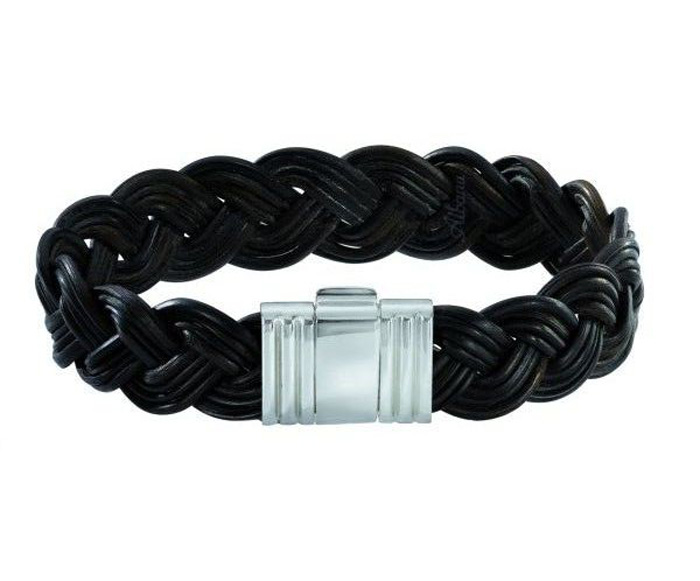
Genuine elephant hair bracelets are usually hand-knotted or hand-woven. This means there will be slight imperfections and variations in the weave. Machine-made fakes, on the other hand, tend to be perfectly uniform.
- Real: Slight imperfections, unique variations in the knotting. No two are exactly alike.
- Fake: Perfectly uniform, symmetrical patterns. Looks mass-produced.
Examine the knots closely. Are they consistently tight and evenly spaced, or do you see slight variations in tension and size? Look for the tell-tale signs of a human hand at work. After all, perfection is boring, right?
4. The Color and Appearance
Elephant hair is typically dark brown or black. However, depending on the age and exposure to the elements, it can also have a grayish or brownish-gray hue. The color should be relatively uniform throughout the bracelet.
- Real: Dark brown, black, or brownish-gray. May have slight variations in color due to natural aging.
- Fake: May be dyed to appear natural, but the color is often too uniform or too vibrant. Watch out for unnatural colors (like bright red or blue – elephants don't come in those shades... yet!).
Pay attention to the overall appearance of the bracelet. Does it look naturally aged and worn, or does it look brand new and artificial? Fakes often have a glossy, artificial sheen.

5. The Price Tag
Let's be realistic here. Real elephant hair is a rare and valuable material. Therefore, a genuine elephant hair bracelet is not going to be cheap. If you find a bracelet that's priced significantly lower than similar items, it's a major red flag.
- Real: Can be expensive due to the rarity and difficulty of obtaining authentic elephant hair.
- Fake: Often sold at a bargain price to lure in unsuspecting buyers. "Too good to be true" is often, well, too good to be true.
Do your research and compare prices from reputable sources. If something seems too good to be true, it probably is.
6. Ask Questions!
Don't be afraid to ask the seller questions about the bracelet. Where did they get the elephant hair? How was the bracelet made? Do they have any documentation or certification to prove its authenticity?
- Real: The seller should be able to provide detailed information about the bracelet's origin and history. They might even have documentation or certifications.
- Fake: The seller may be evasive or unable to provide clear answers. Be wary of vague or contradictory statements.
A reputable seller will be happy to answer your questions and provide you with as much information as possible. A shady seller, on the other hand, will likely try to avoid answering your questions or give you the runaround.

Ethical Considerations
Before you even start looking for an elephant hair bracelet, it's crucial to consider the ethical implications. As I mentioned earlier, elephant populations are under threat, and the illegal trade in elephant products contributes to poaching and habitat loss.
If you're committed to buying an elephant hair bracelet, make sure you're doing so from a reputable source that adheres to ethical and sustainable practices. Look for sellers who can provide documentation to prove that the elephant hair was obtained legally and ethically. Better yet, consider supporting organizations that are working to protect elephants and their habitats. (A donation is always a good look!).
Alternatives to Elephant Hair Bracelets
If you're concerned about the ethical issues surrounding elephant hair bracelets, there are plenty of other options available. You can find beautiful bracelets made from sustainable materials like wood, bamboo, or recycled materials. These bracelets can offer a similar aesthetic without contributing to the harm of elephants.
The Bottom Line
Identifying a real elephant hair bracelet requires a bit of detective work and a healthy dose of skepticism. By paying attention to the texture, knotting, color, price, and asking the right questions, you can increase your chances of finding a genuine article. But remember, the most important thing is to make sure you're buying from a reputable source and supporting ethical practices. Ultimately, the goal is to enjoy the beauty and symbolism of the bracelet without contributing to the harm of elephants. Now go forth and happy bracelet hunting! (And maybe bring a magnifying glass.)