Ah, l'amour, la dolce vita, et les anniversaires ! There's something so inherently romantic about the Italian language, isn't there? Even everyday phrases sound like poetry. But what happens when you want to wish someone a "Happy Birthday" in Italian? Well, buckle up, amore, because we're about to dive into the melodious world of Italian birthday greetings!
Saying "Happy Birthday" the Italian Way
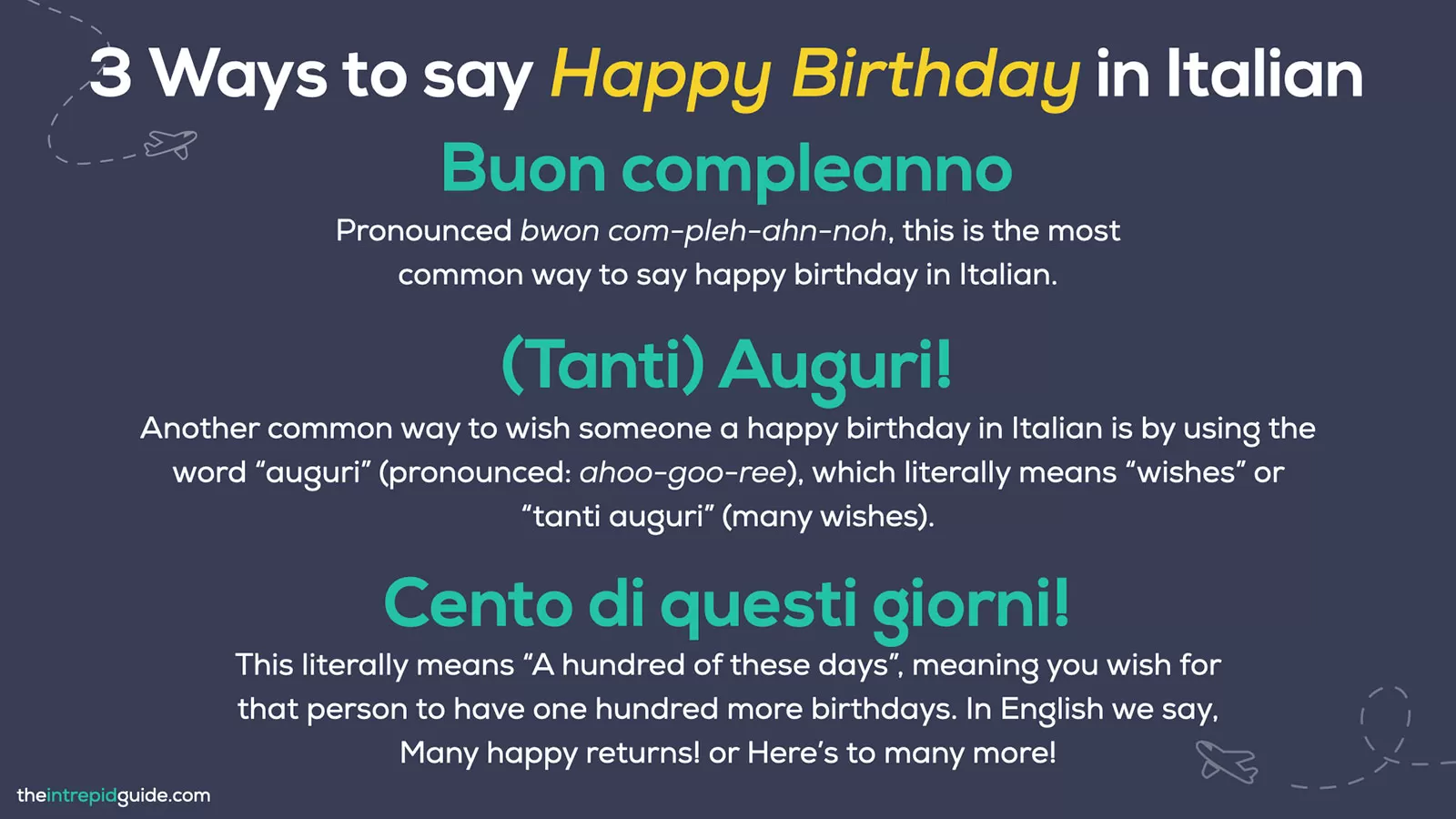
The most common, classic, and universally understood way to say "Happy Birthday" in Italian is: "Auguri di Buon Compleanno!"
Let's break it down:
- Auguri: This word is a powerhouse of good wishes! It's used for all sorts of celebrations – birthdays, graduations, weddings, you name it. It translates roughly to "best wishes" or "congratulations."
- di: This simply means "of."
- Buon: Short for "buono," meaning "good." This form is used before masculine singular nouns.
- Compleanno: This is the actual word for "birthday."
So, putting it all together, "Auguri di Buon Compleanno!" means "Best wishes for a good birthday!" Simple, elegant, and perfectly Italian.
Beyond the Basics: Adding Flair to Your Wishes
While "Auguri di Buon Compleanno!" is a fantastic starting point, let's be honest, sometimes you want to add a little extra je ne sais quoi. Here are some variations and additions to make your birthday wishes truly memorable:

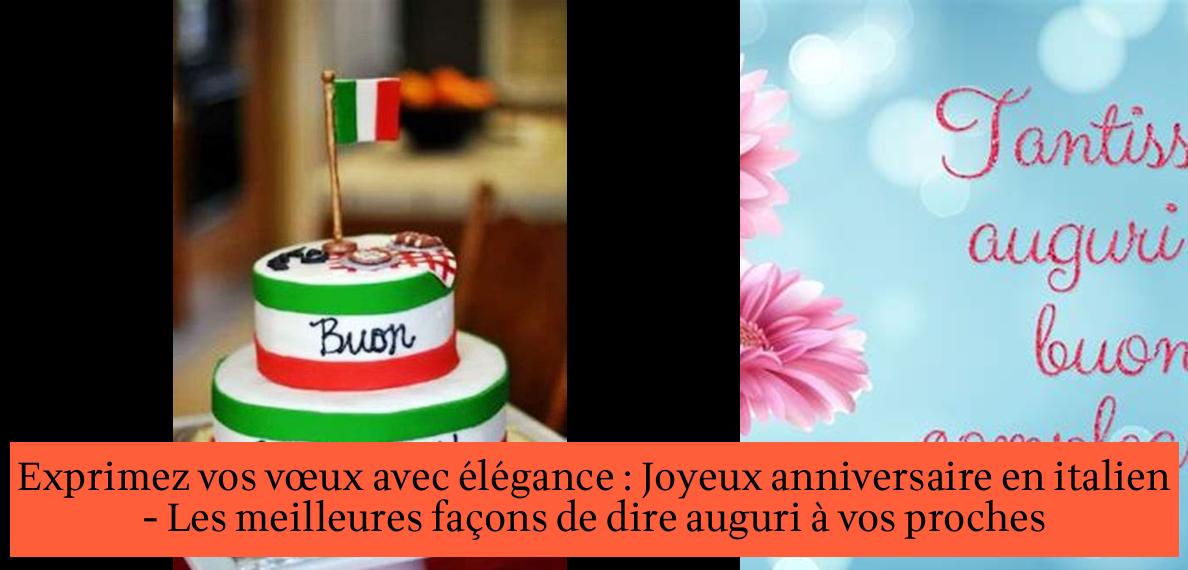
- Tanti auguri!: This is a very common and versatile expression. It translates to "Many wishes!" or "Best wishes!" You can use it on its own, or add it to "Buon Compleanno." For example: "Buon Compleanno e tanti auguri!" (Happy Birthday and best wishes!)
- Auguroni!: This is simply a more emphatic version of "Auguri." The "-oni" suffix makes it bigger and bolder, implying a heartfelt and enthusiastic wish.
- Adding the Person's Name: Personalizing your greeting always makes it more special. Just add the person's name after "Auguri di Buon Compleanno!" For example: "Auguri di Buon Compleanno, Sofia!"
- Expressing Hope for the Future: You can also add phrases that express your hopes for the birthday person's future. Some examples include:
- Ti auguro il meglio! (I wish you the best!)
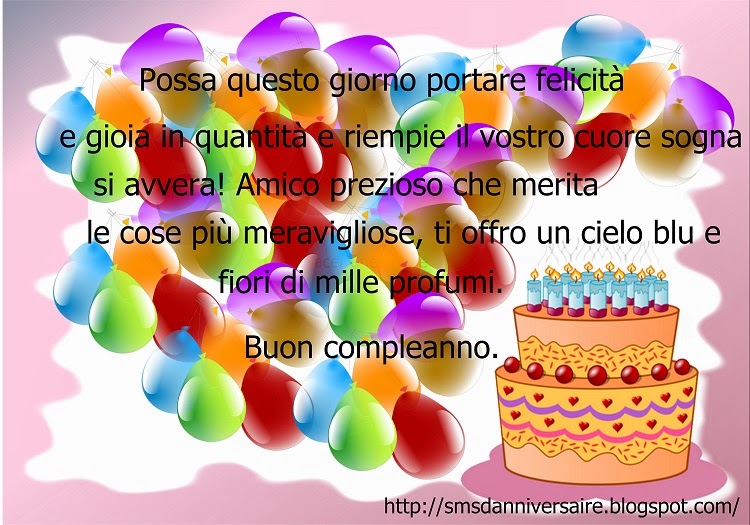
- Che tutti i tuoi sogni si avverino! (May all your dreams come true!)
- Spero che tu possa passare una giornata meravigliosa! (I hope you have a wonderful day!)
A Little Cultural Context: Celebrating Birthdays in Italy
Birthday celebrations in Italy are generally similar to those in other Western countries. Expect cakes, candles, presents, and gatherings with family and friends. However, there are a few interesting nuances:
- The Birthday "Song": While they might sing "Happy Birthday" in English, Italians have their own traditional birthday song called "Tanti Auguri a Te," which is sung to the same tune as "Happy Birthday."
- Name Days: In addition to birthdays, many Italians celebrate their "onomastico" or name day. This is the feast day of the saint after whom they are named. It's often a smaller celebration than a birthday, but still a special occasion.
- Simple Gatherings: Italians value family and friendship, so birthday celebrations often involve simple, heartfelt gatherings with loved ones, rather than elaborate parties. Think delicious homemade pasta, lively conversation, and plenty of laughter.
Practical Tips for Delivering Your Italian Birthday Wishes
So, you've mastered the phrases, but how do you actually deliver your Italian birthday greetings? Here are a few tips:
- Pronunciation is Key: While Italians are generally forgiving of pronunciation errors, making an effort to pronounce the words correctly will be appreciated. Listen to online audio examples and practice saying the phrases out loud. Pay attention to the rolling "r" and the pronunciation of vowels.
- Body Language Matters: Italians are known for their expressive body language. A warm smile, a genuine hug, and enthusiastic delivery will enhance your birthday wishes.
- The Power of a Card: A handwritten birthday card is always a thoughtful gesture. You can write your greeting in Italian and add a personal message in either Italian or your native language.
- Consider the Relationship: The level of formality you use will depend on your relationship with the birthday person. For close friends and family, you can be more informal and affectionate. For colleagues or acquaintances, a more formal greeting might be appropriate.
- Embrace the Italian Spirit: Don't be afraid to be a little extra! Italians are known for their passion and enthusiasm, so let your excitement shine through.
Fun Facts to Impress Your Friends
Want to really impress your friends with your Italian knowledge? Drop these fun facts into the conversation:
- The word "ciao" (hello/goodbye) comes from the Venetian phrase "s-ciàvo vostro," meaning "I am your slave."
- Italians are passionate about food, and regional specialties abound. If you're celebrating a birthday in Italy, be sure to try some local delicacies.
- Opera originated in Italy, so if you're looking for a sophisticated way to celebrate a birthday, consider attending an opera performance.
Beyond "Buon Compleanno": Other Useful Phrases
To round out your Italian birthday vocabulary, here are a few more useful phrases:
- Quanti anni hai?: How old are you? (Use with caution! Only ask if you're close to the person.)
- La torta di compleanno: Birthday cake
- Le candeline: Candles
- Il regalo: Gift
- La festa di compleanno: Birthday party
A Final Thought: Embracing the Joy of Connection
Learning to say "Happy Birthday" in Italian is more than just memorizing a phrase. It's about connecting with another culture, expressing genuine warmth, and sharing in the joy of celebration. It's a small gesture that can make a big difference, strengthening bonds and creating lasting memories. In our increasingly interconnected world, taking the time to learn a few phrases in another language is a powerful way to show respect, build bridges, and embrace the beauty of human diversity. So, go ahead, spread some amore and wish someone a very felice compleanno!