Salut tout le monde ! Ever wondered how scientists figure out if an atom is electrically "chill" or buzzing with a charge? It's actually a fascinating puzzle, and not as intimidating as it might sound. Think of it like counting the number of players on two opposing teams – but instead of players, we're counting tiny particles! So, let’s dive in and démystifions this whole atomic charge thing, shall we?
Les Coupables: Protons, Neutrons, et Electrons
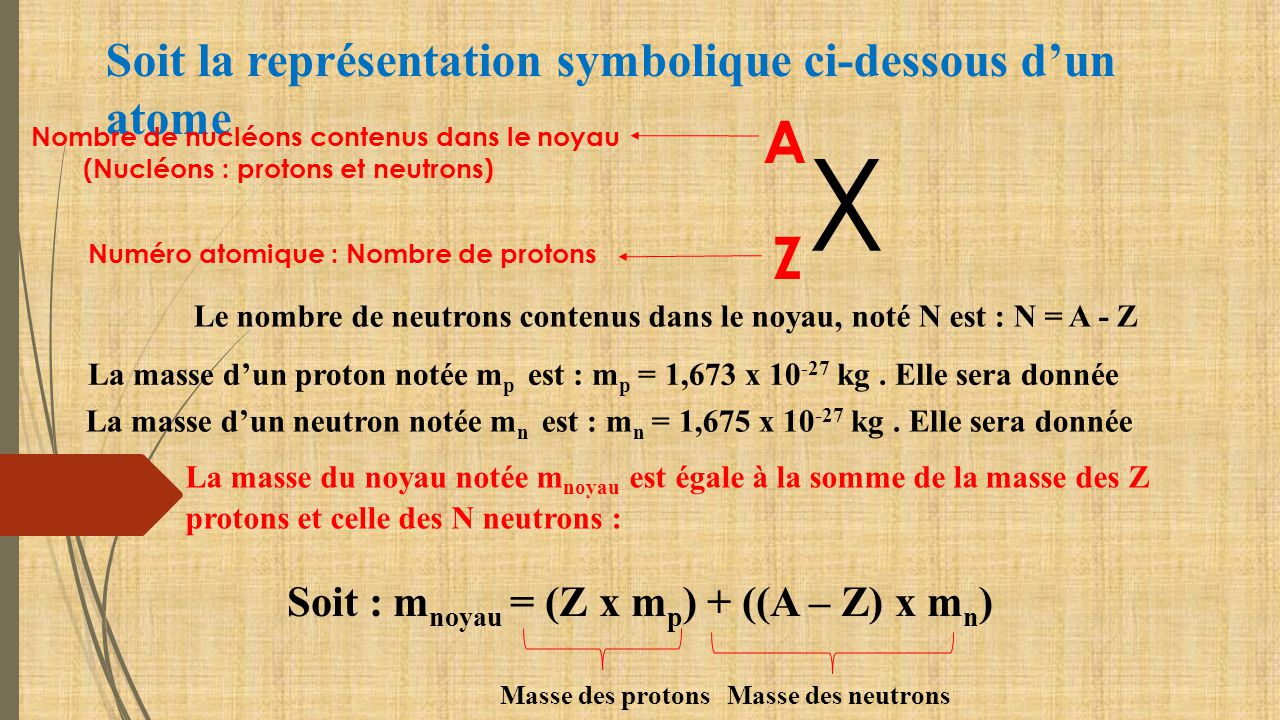
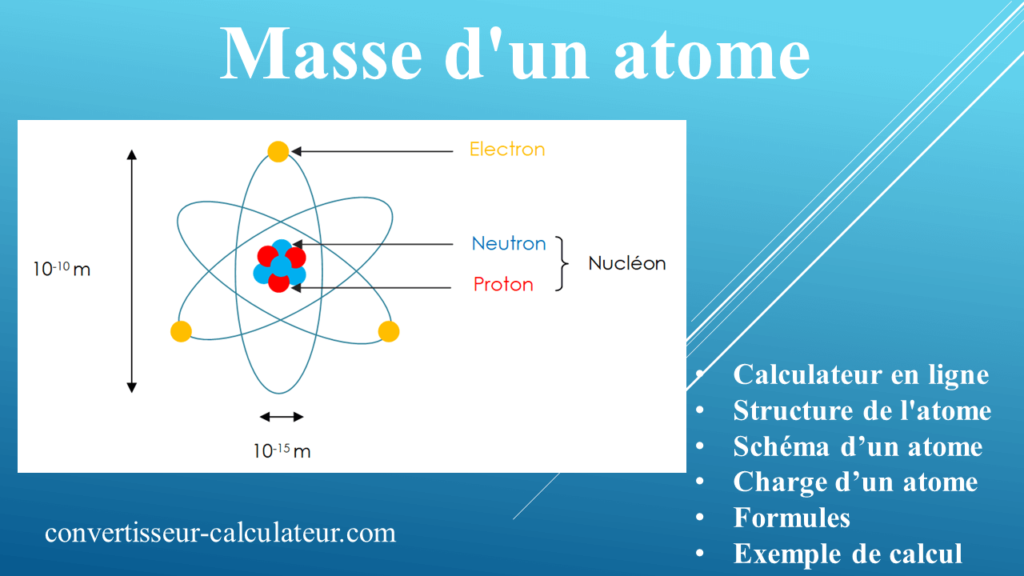
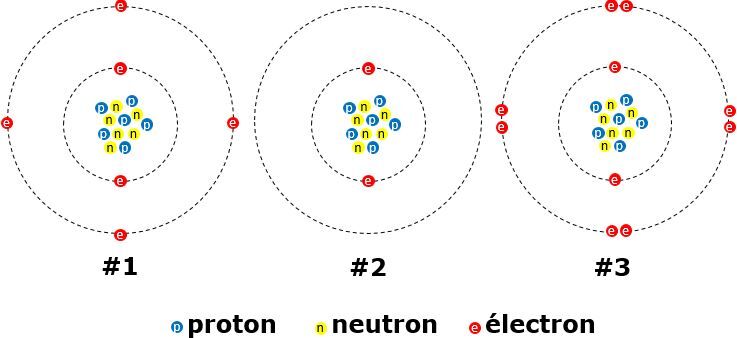
First, let's meet the cast. Atoms, the basic building blocks of everything around us, are made up of three main subatomic particles:
- Protons: These guys have a positive (+) charge. Think of them as the eternal optimists of the atomic world. They reside in the nucleus (the atom's center).
- Neutrons: Neutrons are neutral (no charge). They're like the peacekeepers, also hanging out in the nucleus.
- Electrons: Electrons have a negative (-) charge. They zoom around the nucleus in what we call electron shells. They're the busy bees of the atom.
Think of the atom as a tiny solar system. The nucleus (with its protons and neutrons) is like the sun, and the electrons are like the planets orbiting around it. Cool, right?
La Recette Magique: Protons Moins Electrons
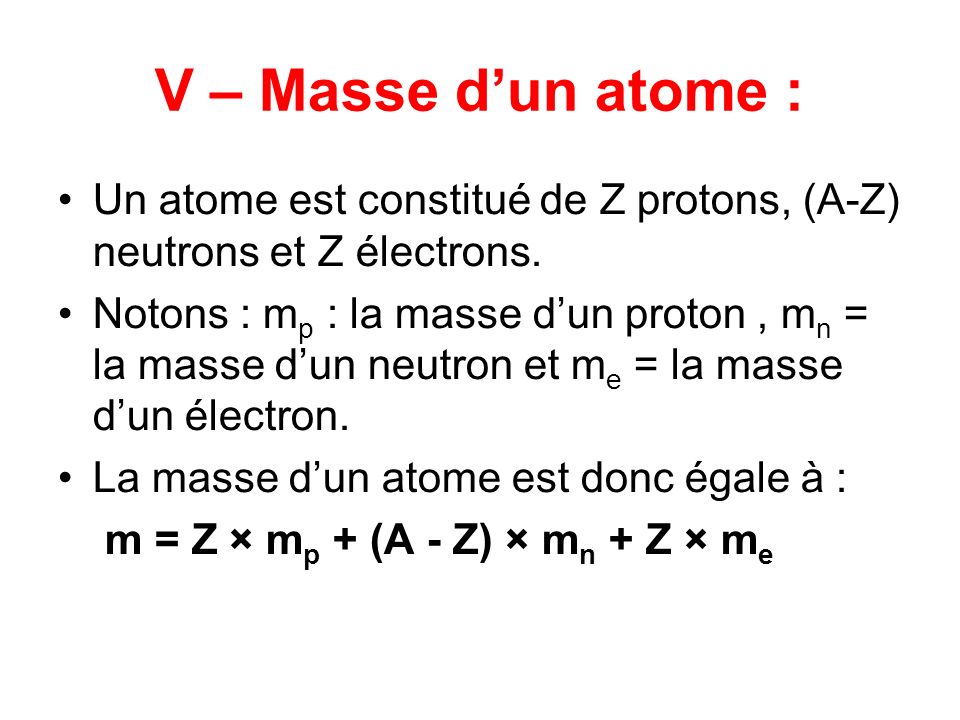
Okay, so how do we actually calculate the electric charge? It’s surprisingly simple! The overall charge of an atom is determined by the balance between its protons and electrons. Here’s the formula:
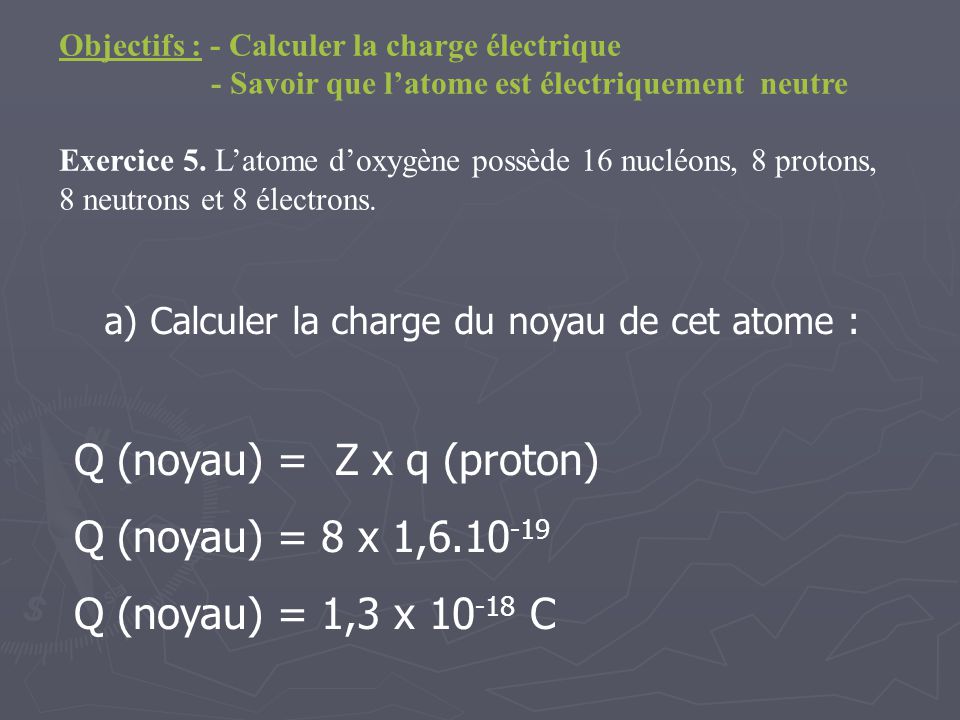
Electric Charge = Number of Protons - Number of Electrons
That's it! Seriously! It's all about subtraction. But why does this work?
Well, since protons have a positive charge and electrons have a negative charge, they cancel each other out. If you have the same number of protons and electrons, the charges perfectly balance, and the atom is neutral. Think of it like a perfectly balanced scale – no tipping to one side or the other.

But what if the numbers aren't equal? That's where things get interesting…
Scenario 1: Plus de Protons, Plus de Positivité!
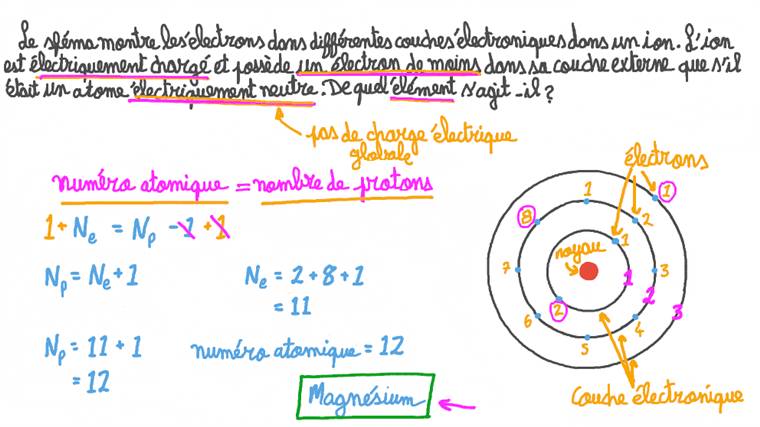
If an atom has more protons than electrons, it has a positive charge. We call this a cation. Imagine you have more "good vibes" (positive charges) than "bad vibes" (negative charges) – you'd naturally feel pretty positive, right? Same with the atom!
For example, if an atom has 11 protons and 10 electrons:
Electric Charge = 11 - 10 = +1
This atom would have a +1 charge and is called a positive ion or cation.
Scenario 2: Plus d'Electrons, Plus de Negativité!
On the other hand, if an atom has more electrons than protons, it has a negative charge. This is called an anion. Think of it as having more "bad vibes" than "good vibes" – you'd feel a bit negative. The atom feels the same way!
For example, if an atom has 17 protons and 18 electrons:
Electric Charge = 17 - 18 = -1
This atom would have a -1 charge and is called a negative ion or anion.

Scenario 3: Equilibre Parfait - La Neutralité!
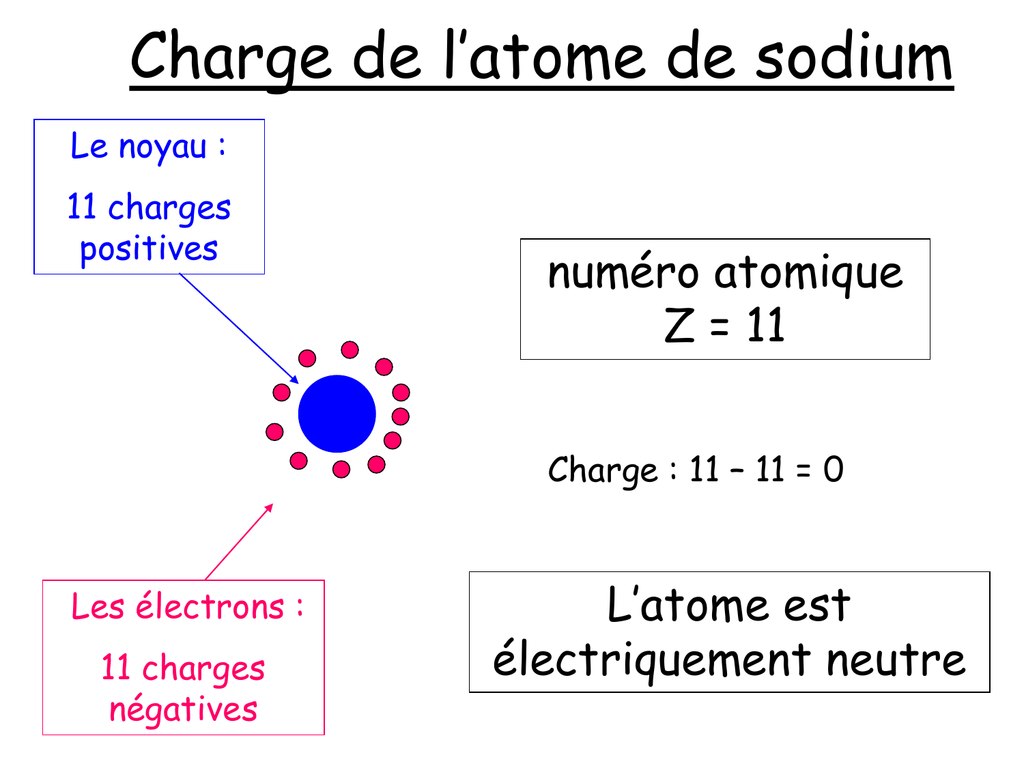
And finally, if the atom has the same number of protons and electrons, the electric charge is zero (neutral). This is a stable and happy atom (or at least, as happy as an atom can be!). It's like having perfect harmony in your life – everything is balanced.
For example, if an atom has 6 protons and 6 electrons:
Electric Charge = 6 - 6 = 0
This atom has no charge and is electrically neutral.
Où Trouve-t-on Ces Nombres Magiques?
Okay, so how do you know how many protons and electrons an atom has in the first place? That's where the periodic table comes in! This amazing chart holds all the information you need.
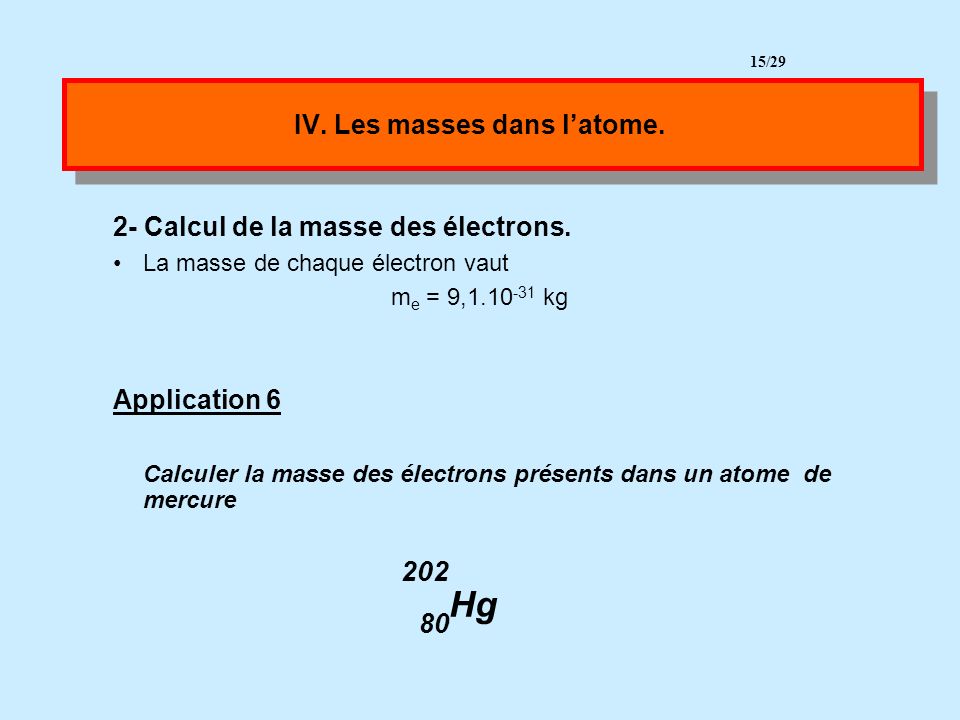
- The atomic number (usually found above the element symbol) tells you the number of protons in an atom of that element. For example, hydrogen (H) has an atomic number of 1, meaning it has 1 proton.
- In a neutral atom, the number of electrons is equal to the number of protons. So, for a neutral hydrogen atom, it also has 1 electron.
However, remember that atoms can gain or lose electrons to become ions. This is how chemical bonds are formed! It's like atoms sharing toys (electrons) to become more stable. Isn't chemistry fun?
Why Bother Calculating Atomic Charge?
Why is all this important, you might ask? Well, understanding electric charge is fundamental to understanding how atoms interact with each other. It's the key to unlocking the secrets of:
- Chemical Bonding: Atoms form bonds by either sharing or transferring electrons. Knowing the charges involved helps us predict how atoms will bond together to form molecules.
- Chemical Reactions: Chemical reactions involve the rearrangement of atoms and molecules. Understanding the charges of the reactants and products helps us understand why certain reactions occur.
- Material Properties: The electric charge of atoms influences the properties of materials, such as conductivity (how well they conduct electricity) and magnetism.
- Biology: Think of DNA! The structure and function of DNA depend on the interactions between charged atoms. Life, as we know it, wouldn't exist without these interactions.
Think of it this way: understanding atomic charge is like understanding the language of atoms. Once you speak the language, you can understand how they interact, how they form molecules, and ultimately, how everything in the universe works! Pretty cool, eh?
Un Dernier Mot
So, there you have it! Calculating the electric charge of an atom is as simple as subtracting the number of electrons from the number of protons. This seemingly simple calculation opens the door to understanding the fundamental principles of chemistry and physics. Keep exploring, keep questioning, and keep discovering the wonders of the atomic world!
Now go forth and calculate some charges! You got this!

.jpg)