Okay, so picture this: I'm trying to sneak out of the house late one night for, uh, "important" business (pizza, probably). I tiptoe past the living room, thinking I'm totally ninja-level silent. BAM! The outdoor security light, triggered by a motion sensor, practically blinds me. My mom, naturally, appears a minute later, arms crossed and sporting that look. Good times. But hey, at least that old motion sensor was doing its job! It got me thinking about how these little gadgets actually work, and more importantly, how to install one. Parce que, soyons honnêtes, si j'avais su comment en installer un à l'arrière, j'aurais peut-être réussi ma mission pizza. 🍕
Today, we're diving into the (sometimes confusing) world of connecting a 3-wire motion detector. Don't worry, it's not rocket science, even if it feels like it sometimes when you're staring at those wires. On y va!
Understanding the 3 Wires
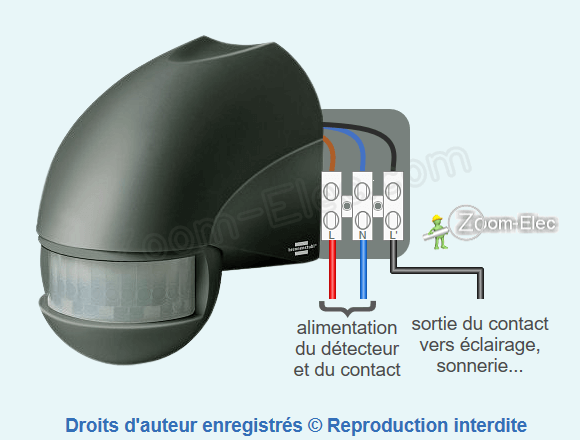
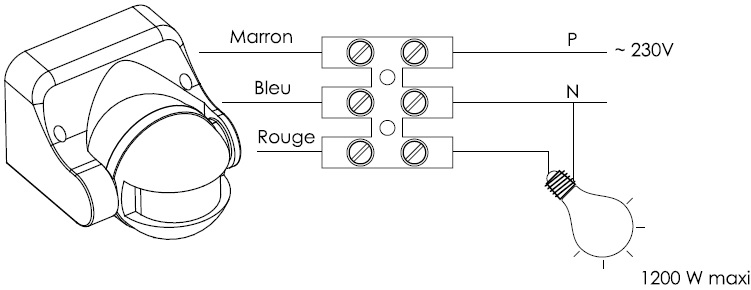
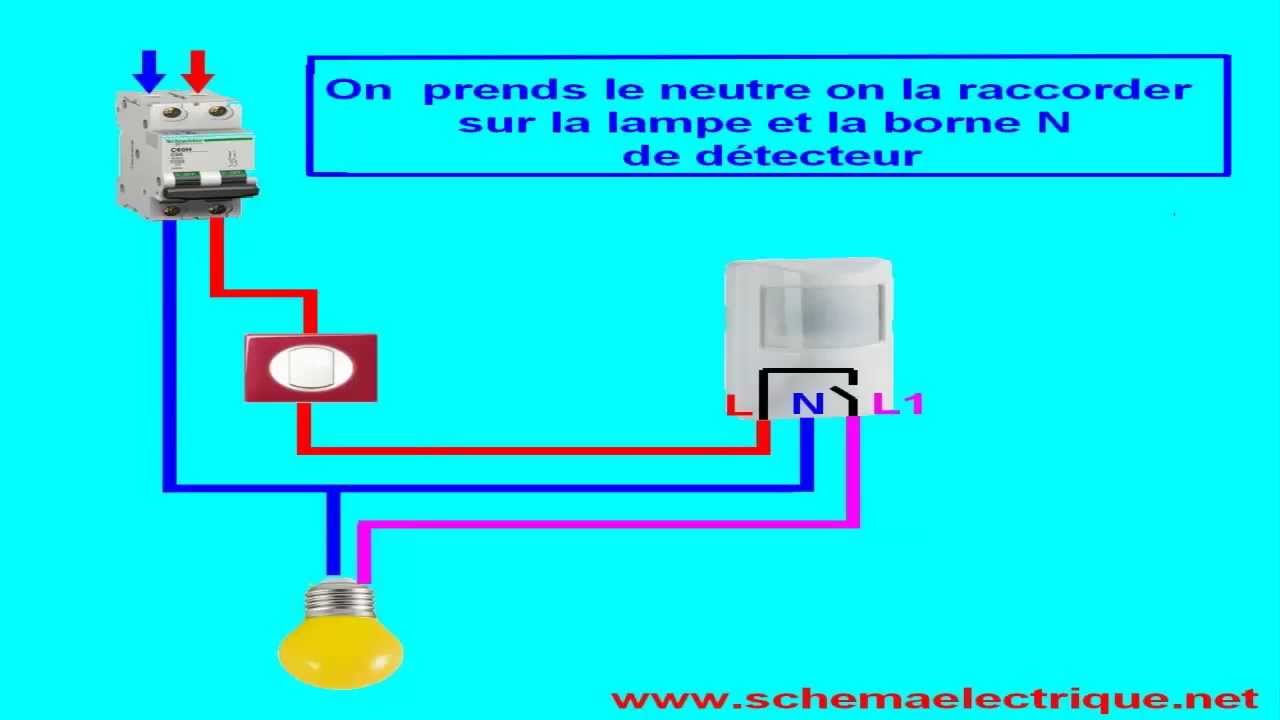
First things first, let's get familiar with our players. A 3-wire motion detector usually has these:
- Live (L): This is your hot wire, bringing the juice. Often (but not always - always double-check!), it's brown or red.
- Neutral (N): The return path for the current. Usually blue.
- Load/Switched Live (L'): This wire connects to your light or whatever you want the sensor to control. Often black.
Important note: Wire colors can vary depending on your region and the manufacturer. Always consult the instructions that came with your specific detector! Seriously, don't skip this step. Your life (and your pizza runs) might depend on it!
Safety First! (Seriously!)
Before you even think about touching any wires, make sure the power is OFF at the circuit breaker! I'm not kidding. This is non-negotiable. Flip the breaker, test the wires with a voltage tester to be absolutely sure there's no power, and then, and only then, can you proceed.

Connecting the Wires
Okay, power's off, you're feeling brave (and safe), let's connect those wires! Here’s a general guideline:
- Connect the Live (L) wire: Connect the live wire from your power source to the Live (L) terminal on the motion detector. Use a wire connector or terminal block.
- Connect the Neutral (N) wire: Connect the neutral wire from your power source to the Neutral (N) terminal on the motion detector. Again, connector or terminal block.
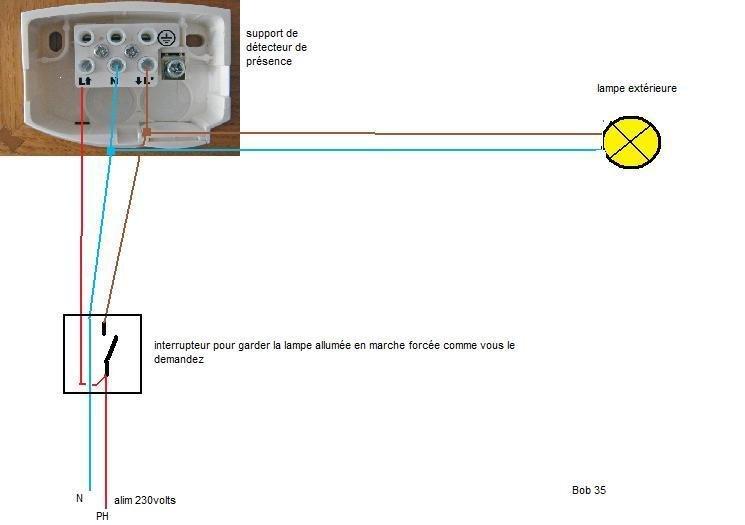
- Connect the Load/Switched Live (L') wire: This is the wire that makes the magic happen! Connect this wire from the motion detector's Load/Switched Live (L') terminal to the live wire of your light fixture (or whatever you're controlling).
Pro Tip: Make sure all connections are tight and secure! Loose connections can cause all sorts of problems, from flickering lights to fire hazards. No bueno!
Testing Your Work
Once you've connected all the wires, carefully tuck them back into the electrical box and reattach the motion detector. Then, and only then, can you turn the power back on at the circuit breaker. Test the motion sensor to make sure it's working correctly. Walk past it – does the light come on? Does it stay on for the duration you set? If not, double-check your wiring and settings.
And that's it! You've successfully connected a 3-wire motion detector. Now you can bask in the glory of your newly secured perimeter... or maybe just use it to perfect your pizza-run escape strategy. Either way, you've learned something new! Félicitations!
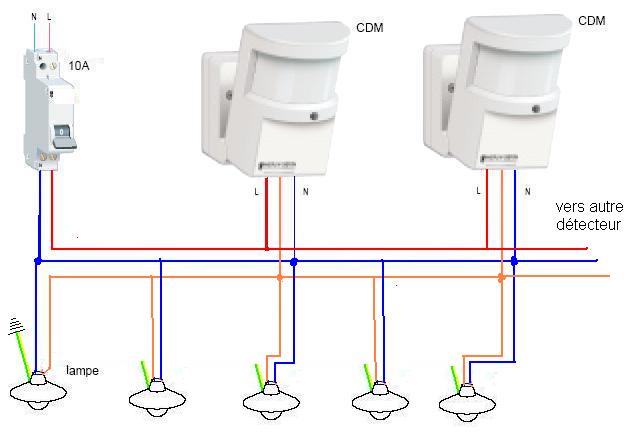


![[20+] Schema Detecteur De Mouvement Avec Interrupteur, Détecteur 3.jpg](https://img.bricoleurdudimanche.com/IMG/png/1418925096.png)
![[4+] Schema Branchement Detecteur De Mouvement, Schema D'un Detecteur](https://www.bricozone.be/data/attachment-files/legacy/510975267e07517780.png)

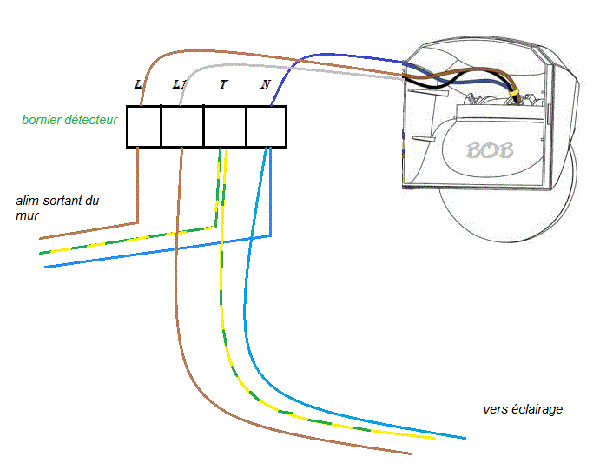
![Branchement détecteur de mouvement sur télérupteur [Résolu] - 12 messages](https://files.forumconstruire.com/5d88e9cbd761c-stor-5d88e9cbc16dd241459.jpg)