Okay, imagine this. You've just broken up. Like, really broken up. And your ex? They worked at... let's say a top-secret sauce factory. Suddenly, you remember that drunken karaoke night where they maybe, possibly, accidentally blurted out the true secret ingredient. You panic. Are you suddenly a walking, talking breach of contract waiting to happen? This, my friends, is where the post-contractual confidentiality clause swoops in, like a legal superhero (or supervillain, depending on your perspective).
Ever wondered what happens to all those promises of secrecy when the job's done, the project's over, or, you know, the employment contract bites the dust? Bienvenue dans le monde obscur des clauses de confidentialité après rupture de contrat! It’s a mouthful, I know. We'll break it down. Think of it as the "what happens in Vegas, stays in Vegas... unless you signed a NDA" rule of the professional world.
So, What Is This Clause Anyway?
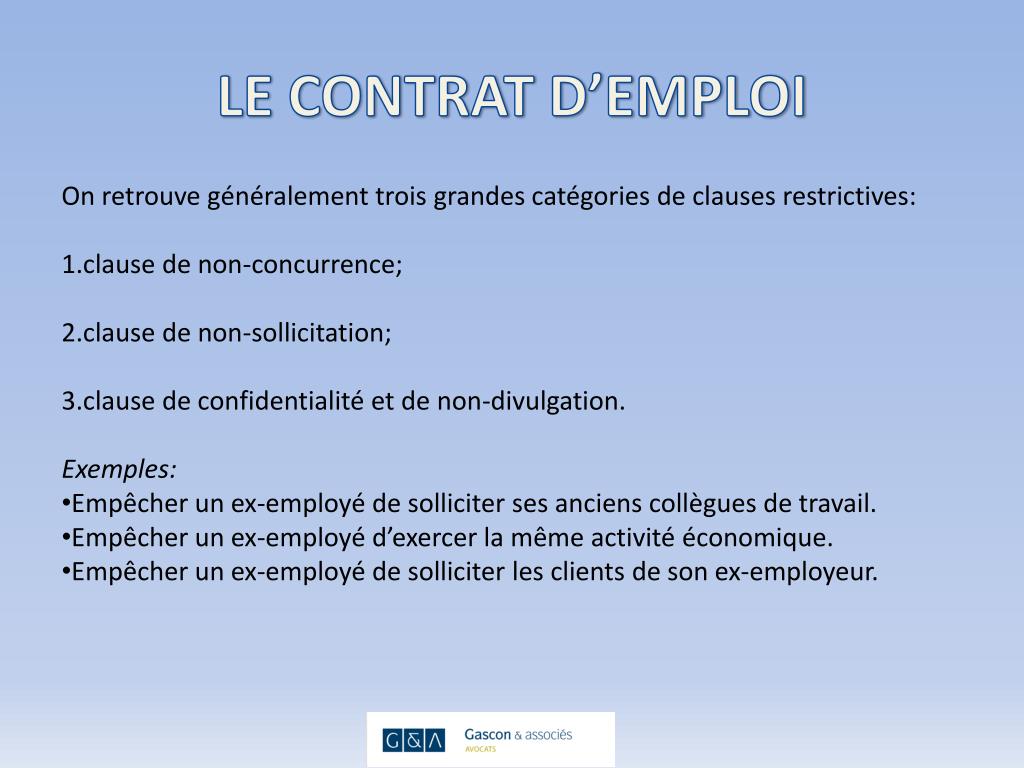
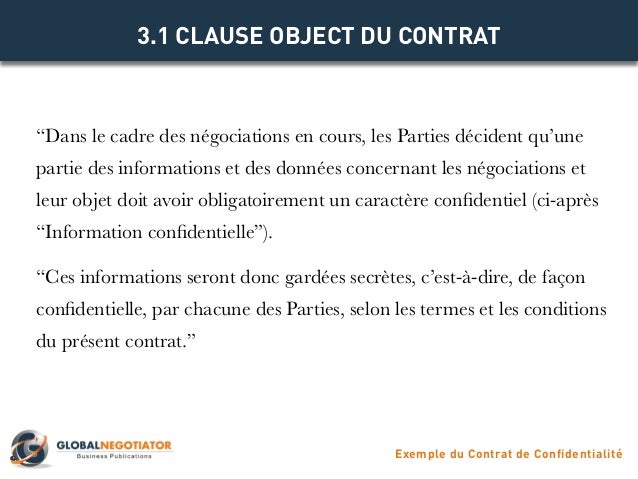
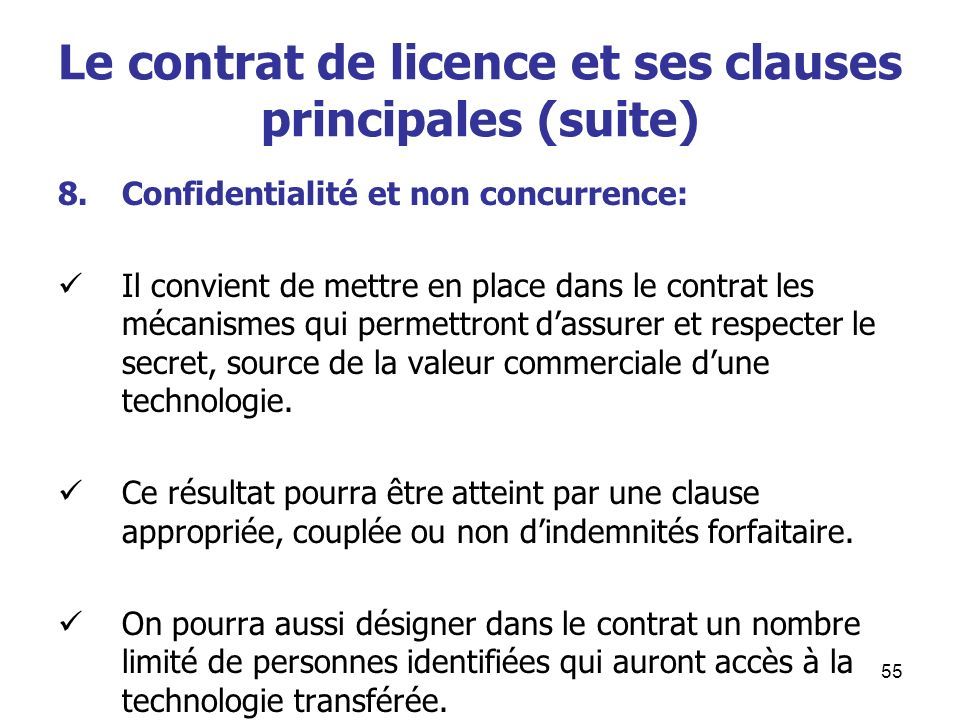
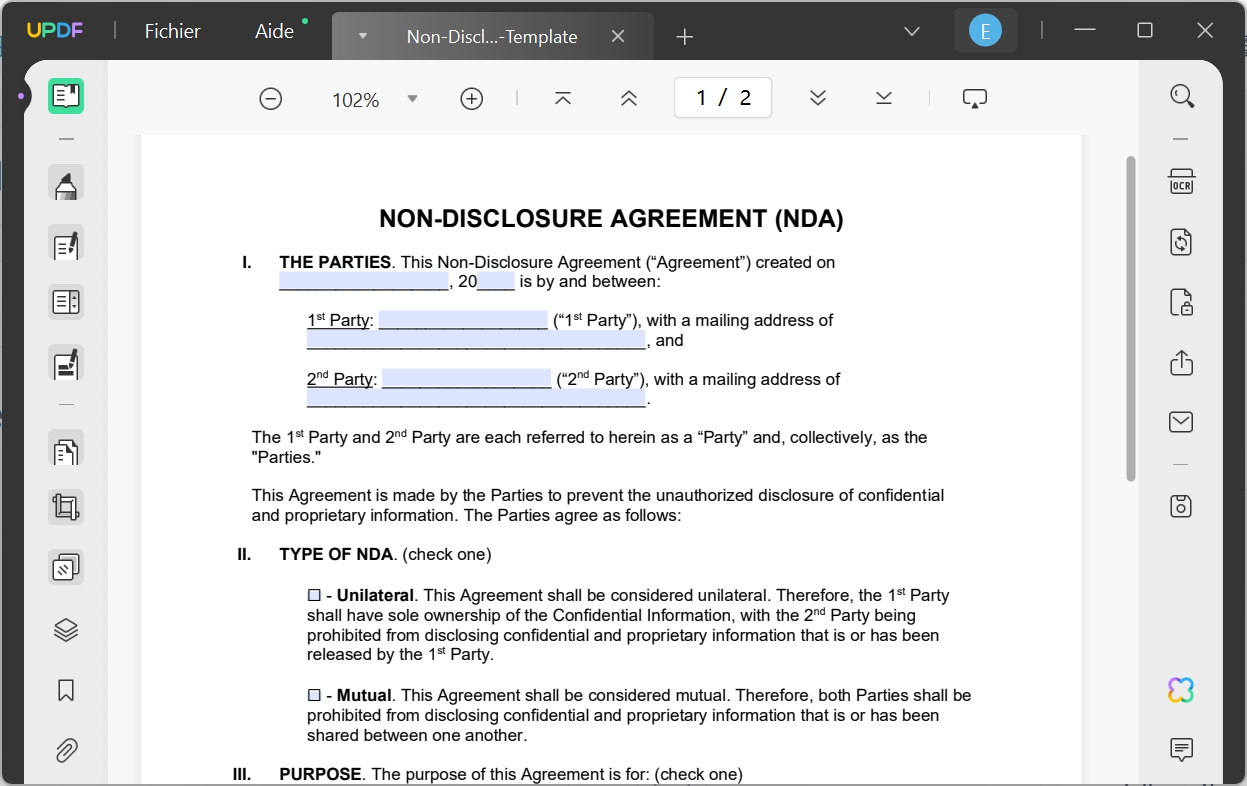
Basically, it's a provision in a contract that continues to bind you to secrecy even after the contract itself has ended. That's right, even if you're no longer working for the company, you still can't spill the beans on their trade secrets, client lists, or whatever else they deemed worthy of keeping under wraps. It's like the gift that keeps on giving… or the debt that never goes away.
Think of it this way: companies invest a lot in proprietary information. They don't want you skipping off to a competitor and using their secret sauce recipe (pun intended!) to undercut them. So, they make you promise to stay mum, even after you've left the building. C'est logique, non?
Why Are These Clauses So Common?
Good question! Here's the short and sweet version:
- Protecting Trade Secrets: This is the big one. Companies want to safeguard their competitive advantage.
- Maintaining Customer Relationships: They don't want you poaching their clients after you leave.
- Preserving Confidential Business Information: Think financial data, marketing strategies, and internal processes. Anything that could hurt them if it got into the wrong hands.
Imagine Coca-Cola without the formula secret. Exactly! Companies depend on confidentiality clauses to sleep well at night. (Or at least, sleep slightly better).
The Nitty-Gritty: What Does It Cover?
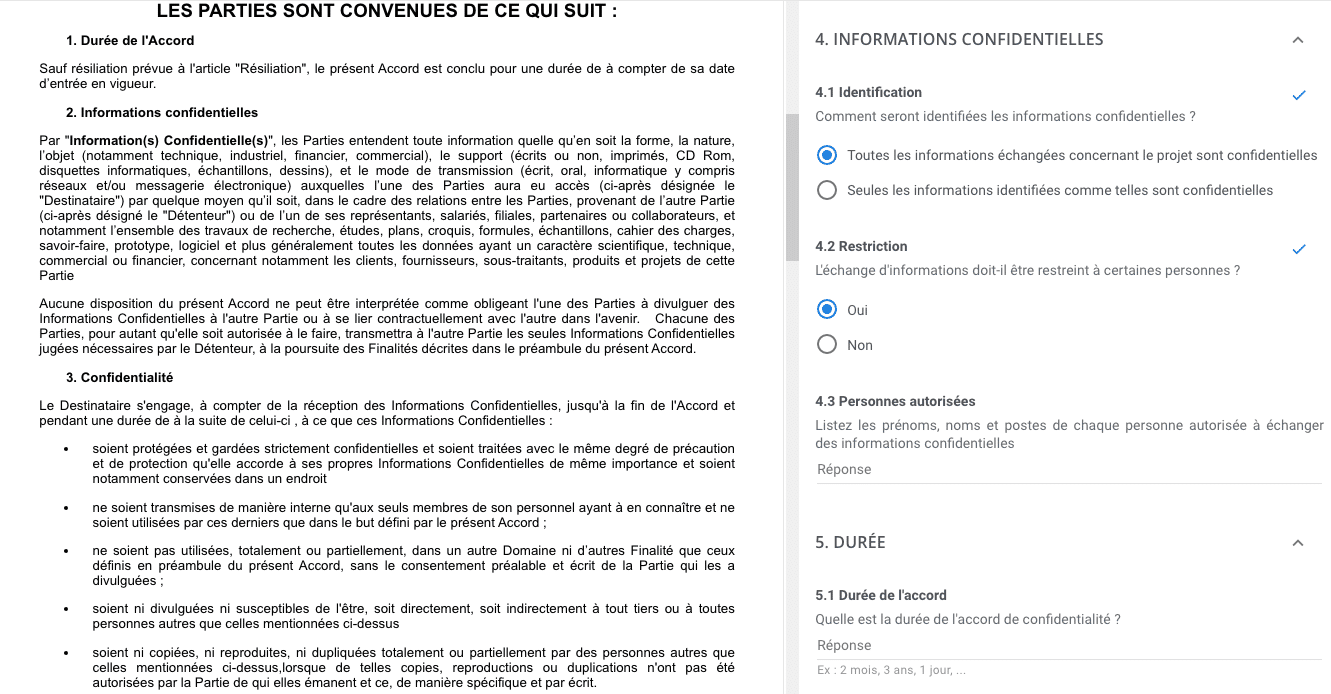
This is where things can get a little tricky. The specifics of what's covered by a post-contractual confidentiality clause will depend on the exact wording of the contract. Seriously, read those contracts carefully. (I know, it's boring, but future you will thank you!). Generally, it covers things like:
- Trade secrets: Formulas, recipes, processes, inventions, etc. The stuff that gives a company its competitive edge.
- Confidential business information: Financial data, marketing plans, customer lists, supplier information, internal communications. Basically, anything that's not publicly available and could harm the company if disclosed.
- Client information: Names, contact details, purchase history, specific needs. Companies don't want you contacting their clients and trying to steal them away.
- Unpublished information: Think of it like internal documents that are still in progress.
But here's the kicker: the clause can't be too broad. It can't prevent you from using your general skills and knowledge that you've acquired over your career. You can't be forced to forget everything you ever learned! Courts generally frown upon clauses that are overly restrictive and prevent someone from earning a living.
Think of it like this: You can't be banned from ever baking a cake again just because you once worked at a fancy patisserie. You can, however, be prevented from using their specific cake recipe if it's a trade secret.

How Long Does This Thing Last?
Another crucial question! The duration of a post-contractual confidentiality clause must be reasonable. What's "reasonable" depends on the specific circumstances of the situation. Factors that are considered include:
- The nature of the confidential information: How sensitive and valuable is it?
- The industry: Some industries are more competitive and fast-paced than others, so a shorter duration might be appropriate.
- The employee's role: The higher up you are in the company, the longer the clause might reasonably last.
A clause that lasts for 10 years might be considered unreasonable in some situations, while a clause that lasts for 2 years might be perfectly acceptable in others. Again, it all depends. In the absence of an explicit duration, the confidentiality obligation may well last forever, to the extent it covers trade secrets. That makes sense, right? These are secrets that you can't reveal, ever.
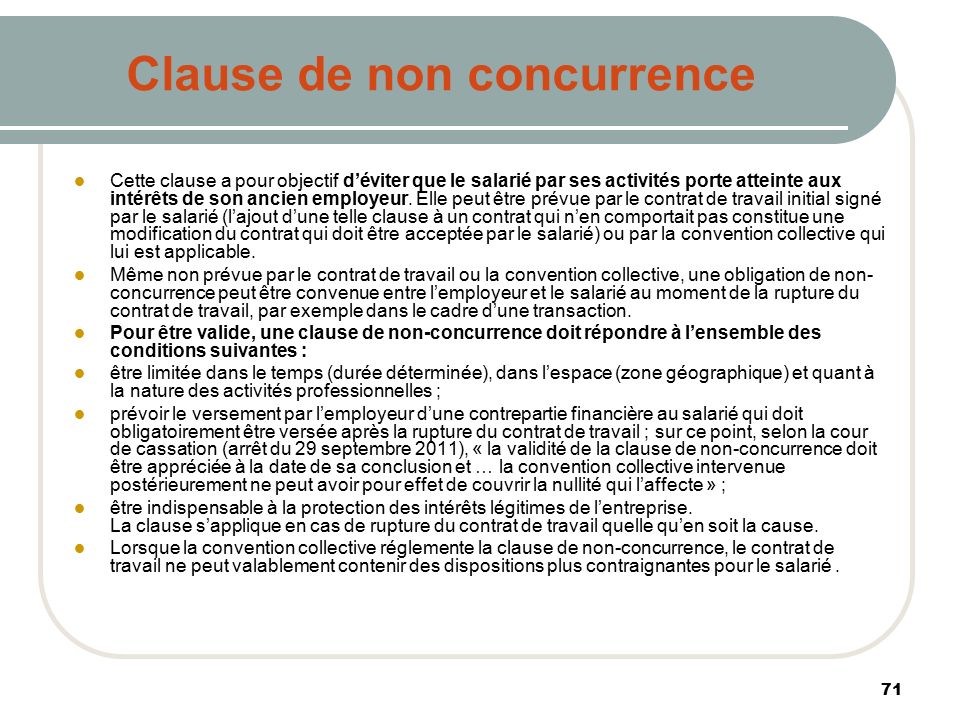
Important note: Some jurisdictions have specific laws regarding the enforceability of non-compete agreements and confidentiality clauses. So, it's always a good idea to consult with a lawyer to understand your rights and obligations.

What Happens If You Break the Clause?
Ouch. This is where things get serious. If you breach a post-contractual confidentiality clause, you could face a number of consequences, including:
- Legal action: The company could sue you for breach of contract.
- Financial penalties: You could be required to pay damages to the company to compensate them for the losses they suffered as a result of your breach.
- Injunctions: A court could order you to stop disclosing confidential information.
- Damage to your reputation: Breaching a confidentiality agreement can damage your professional reputation, making it harder to find future employment.
Basically, it's not worth it. Keep those secrets safe, folks! Especially at the karaoke afterparty. Trust me.
Protecting Yourself: What to Do Before and After Leaving a Job
Okay, so you know all about these clauses. But how can you protect yourself? Here are a few tips:

- Read the contract carefully before you sign it. (I know, I sound like a broken record. But it's important!). Understand what you're agreeing to. If you don't understand something, ask for clarification or consult with a lawyer.
- Keep accurate records. Document what you're working on and how you're using confidential information. This can be helpful if you're ever accused of breaching the agreement.
- Be mindful of what you say and do. Don't disclose confidential information to unauthorized people. Don't use company information for your own personal gain.
- After you leave, review the contract again. Remind yourself of your obligations.
- Don't badmouth your former employer. Even if you're tempted, it's not worth it. Keep things professional.
- If you're unsure about something, seek legal advice. A lawyer can help you understand your rights and obligations.
Side note: Having a lawyer look at your contracts before you sign them is always a great idea, just like having a mechanic look at a used car before you buy it. Preventative maintenance, people!
In Conclusion... (and a Little Bit of Irony)
Post-contractual confidentiality clauses can be a bit of a minefield. They're designed to protect companies, but they can also restrict your career options. The key is to understand your rights and obligations, and to act responsibly. Read, understand, and ask for clarification whenever you need it.
And remember that drunken karaoke night? Maybe, just maybe, sticking to ABBA next time is a good idea. For everyone involved. Especially the secret sauce factory. Bon courage!






![La fin du contrat, et après ? [2010]](https://image.slidesharecdn.com/la-20fin-20du-20contrat-20-20f-20coppens-20-20juritic-20ecommerce-207-20mai-202010-131021050615-phpapp02/95/la-fin-du-contrat-et-aprs-2010-14-638.jpg?cb=1382332232)