Okay, imagine you’re sipping your café au lait, right? Birds are chirping (maybe), the sun is shining (probably not, let's be real), and suddenly... BAM! An envelope arrives. It's from them. You know, them... the tax people. Specifically, it’s a notice announcing a vérification fiscale. Suddenly, that croissant doesn’t taste so good anymore, does it?
Fear not, my friend! Because today, we're diving headfirst (with a snorkel and flippers, because things are about to get deep) into the Charte des droits et obligations du contribuable vérifié. Think of it as your superhero cape against the taxman... or at least a sturdy umbrella in a financial downpour.
What Is This Charte Thing Anyway?
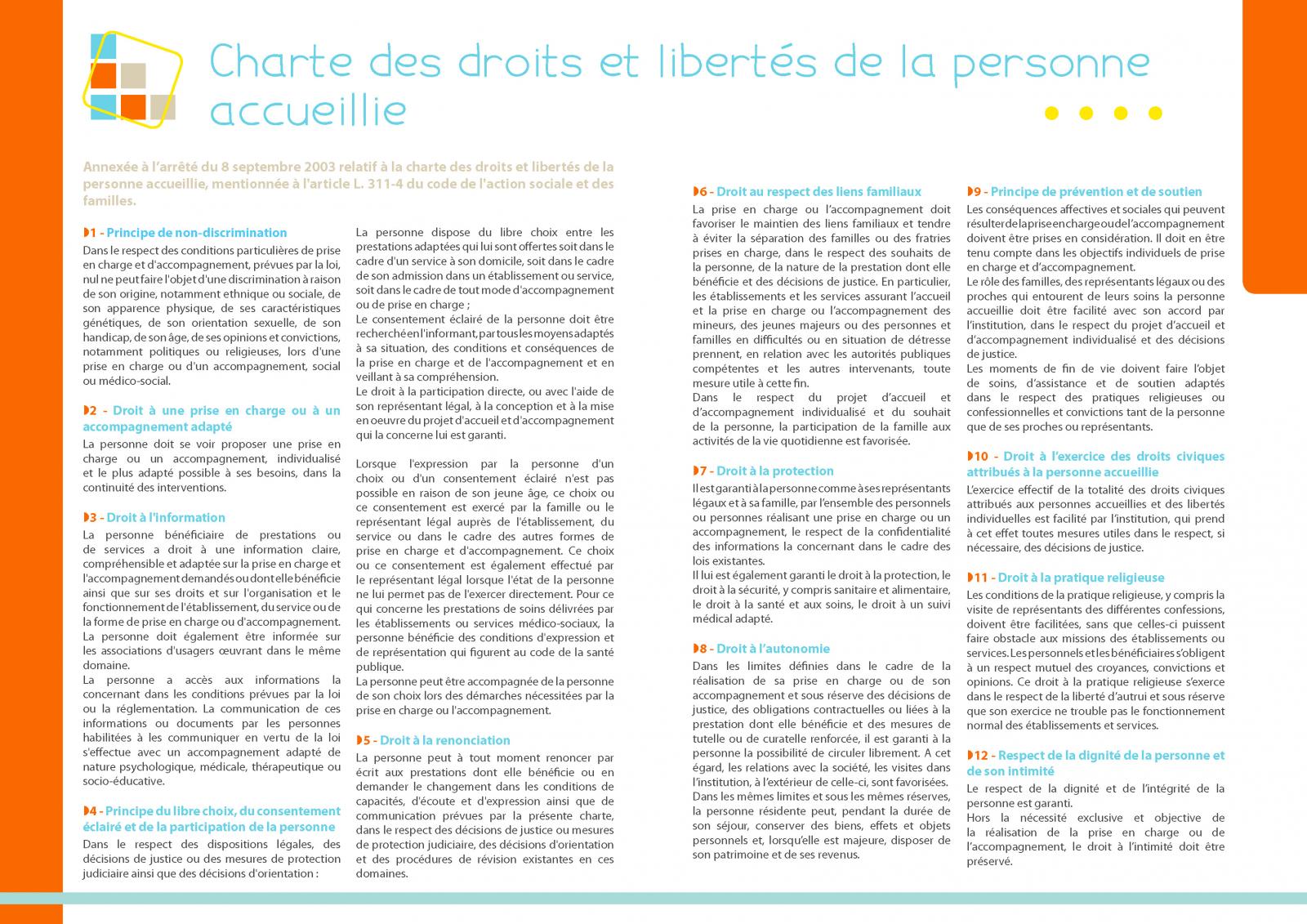
Simply put, the Charte is a document that spells out your rights and responsibilities when you’re being audited by the French tax authorities (the Direction générale des Finances publiques, or DGFIP for short – try saying that five times fast!). It's like the Miranda rights, but for your finances. "You have the right to remain silent… but please provide documentation."
Think of it as a friendly (or not-so-friendly) guide to navigating the bureaucratic maze. The purpose of the Charte is to ensure the tax audit process is fair, transparent, and respectful. Respectful? Well, that's the intention anyway.
Key Rights: Your Taxpayer Arsenal
So, what exactly does this Charte arm you with? Let’s break it down into some key rights, because knowledge is power, especially when it comes to dealing with l'administration.

- Right to be Informed: The tax authorities must tell you the reason for the audit. They can't just show up and say, "Because we felt like it!" (Although, sometimes, it feels like that's the reason.) They need to specify which taxes are being audited and the period covered. Basically, they have to tell you what you’re in trouble for (allegedly, of course).
- Right to be Assisted: You have the right to be assisted by an advisor of your choice: a tax lawyer, an accountant, even your incredibly financially savvy tante Ginette (as long as she has the credentials). The tax authorities can’t discourage you from seeking help. This is your chance to bring in the big guns! Or at least, a well-armed calculator.
- Right to be Heard: You have the right to present your arguments and provide evidence to support your claims. Don't just nod silently and hope they go away. Fight for your right to… deductions! Prepare your documentation, articulate your reasoning, and basically, make them listen!
- Right to a Contradictoire Procedure: This is a fancy French term meaning you get to dispute the tax authorities’ findings. If they propose a tax reassessment (i.e., they think you owe them more money), you have the right to respond with your objections. Think of it as a financial debate, but with higher stakes and less polite applause.
- Right to Claim Interest on Reimbursements: If you overpaid your taxes and are due a refund, the tax authorities must pay you interest on the amount owed. This is like finding a twenty euro bill in your old coat pocket – except it's the tax authorities giving it back to you.
- Right to Confidentiality: Your tax information is private and cannot be disclosed to third parties without your consent (unless, of course, there's a court order or something equally dramatic). This isn't a reality TV show; your finances are your business.
- Right to Motivated Decisions: Any decision made by the tax authorities must be explained in writing. They can't just say, "We think you owe us more, because reasons." They need to provide a justification based on the law. This is crucial for understanding their reasoning and preparing your response, if needed.
Your Responsibilities: Playing by the Rules
Of course, the Charte isn’t just a one-way street. You also have responsibilities as a taxpayer being audited. It's like that saying: with great rights come great responsibilities... and possibly a higher tax bill.
- Cooperate with the Audit: You are expected to cooperate with the tax authorities by providing the requested documentation and information. Obstructing the audit can lead to penalties, and nobody wants that. Think of it as a collaborative (albeit slightly stressful) exercise.
- Provide Accurate Information: Honesty is the best policy, especially when dealing with taxes. Providing false or misleading information can have serious consequences. Don't try to pull a fast one; they've seen it all before.
- Respect the Tax Authorities: While you may not always agree with them, it's important to treat the tax authorities with respect. Being rude or abusive won’t get you anywhere, except maybe on their "difficult taxpayers" list. Kill them with kindness... and meticulously organized spreadsheets.
- Keep Good Records: This is the golden rule of tax season: keep good records of your income, expenses, and deductions. This will make the audit process much smoother and less stressful. Think of it as building your financial fortress, brick by painstaking brick.
What Happens During a Vérification Fiscale?
Okay, so you've received the dreaded notice. What now? Here’s a quick rundown of what to expect:
- Initial Contact: The tax authorities will contact you to schedule an appointment or request specific documents.
- Documentation Request: They will ask for various documents to verify your tax return. This could include bank statements, invoices, receipts, and other financial records. Prepare to spend some quality time in the archives... or, you know, your cloud storage.
- Examination: The tax authorities will examine your documents and may ask you questions about your finances. This is your chance to explain any discrepancies or provide additional information.
- Proposed Reassessment (If Applicable): If the tax authorities believe you owe more taxes, they will send you a proposal for reassessment (a proposition de rectification). This will outline their findings and the amount they believe you owe.
- Your Response: You have the right to respond to the proposal with your objections. You can provide additional documentation or arguments to support your position.
- Final Assessment: After considering your response, the tax authorities will issue a final assessment. This will state the final amount of taxes you owe (or the amount they owe you!).
- Appeals: If you disagree with the final assessment, you have the right to appeal the decision. This process can involve administrative appeals and, ultimately, court action.
Humorous Exaggerations and Surprising Facts (Because Why Not?)
Okay, let's lighten the mood with a few fun (and slightly exaggerated) facts:
- Exaggeration: Did you know that the Charte was originally written in ancient hieroglyphics and translated by a team of highly caffeinated archaeologists? (Okay, maybe not. But sometimes it feels that way.)
- Surprising Fact: The French tax code is rumored to be longer than the complete works of Shakespeare. And possibly more confusing.
- Exaggeration: Tax auditors are secretly trained in the art of mind-reading to detect even the slightest hint of financial deception. (Don't worry, they haven't perfected it yet.)
- Surprising Fact: You can actually deduct the cost of your accountant's fees from your taxes. So, basically, you're paying someone to save you money, and then deducting their fee from your taxes. It's a beautiful cycle of financial efficiency!
- Exaggeration: The Charte is said to be protected by a team of ninjas who are sworn to uphold taxpayer rights. (Again, probably not. But wouldn't that be awesome?)
The Bottom Line: Don't Panic!
A vérification fiscale can be stressful, but it doesn’t have to be a complete nightmare. By understanding your rights and responsibilities under the Charte des droits et obligations du contribuable vérifié, you can navigate the process with confidence (or at least, slightly less anxiety). Remember to stay calm, be organized, and don’t be afraid to seek professional assistance. And maybe, just maybe, you can go back to enjoying that café au lait... until the next envelope arrives.
So, there you have it! A (hopefully) entertaining and informative guide to the Charte. Now go forth and conquer your taxes! And if all else fails, just blame it on your chat.