Ah, la chanson française! A world of swirling cigarette smoke, existential angst served with a side of vin rouge, and lyrics that can make you weep into your baguette one minute and tap your feet the next. And nestled within this glorious, slightly dramatic landscape lies a gem: "Le Fou et le Roi".
Un duo improbable: Clown meets Crown!
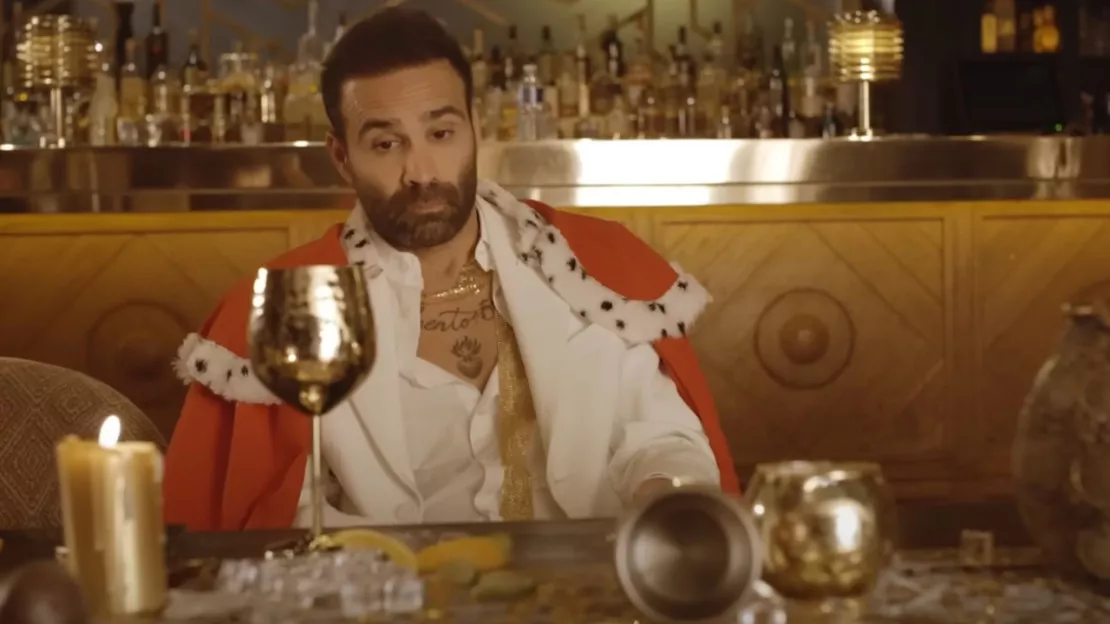
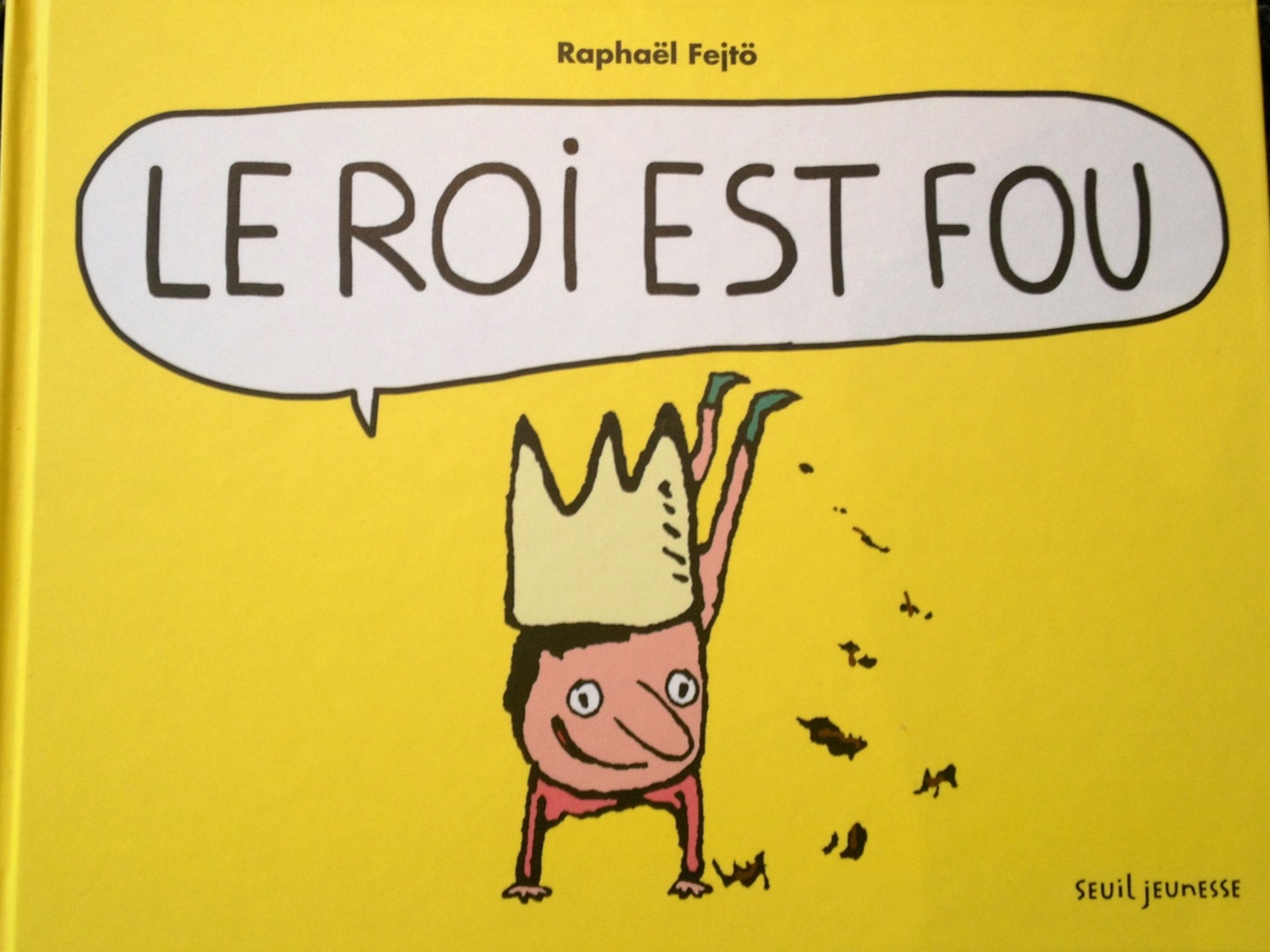
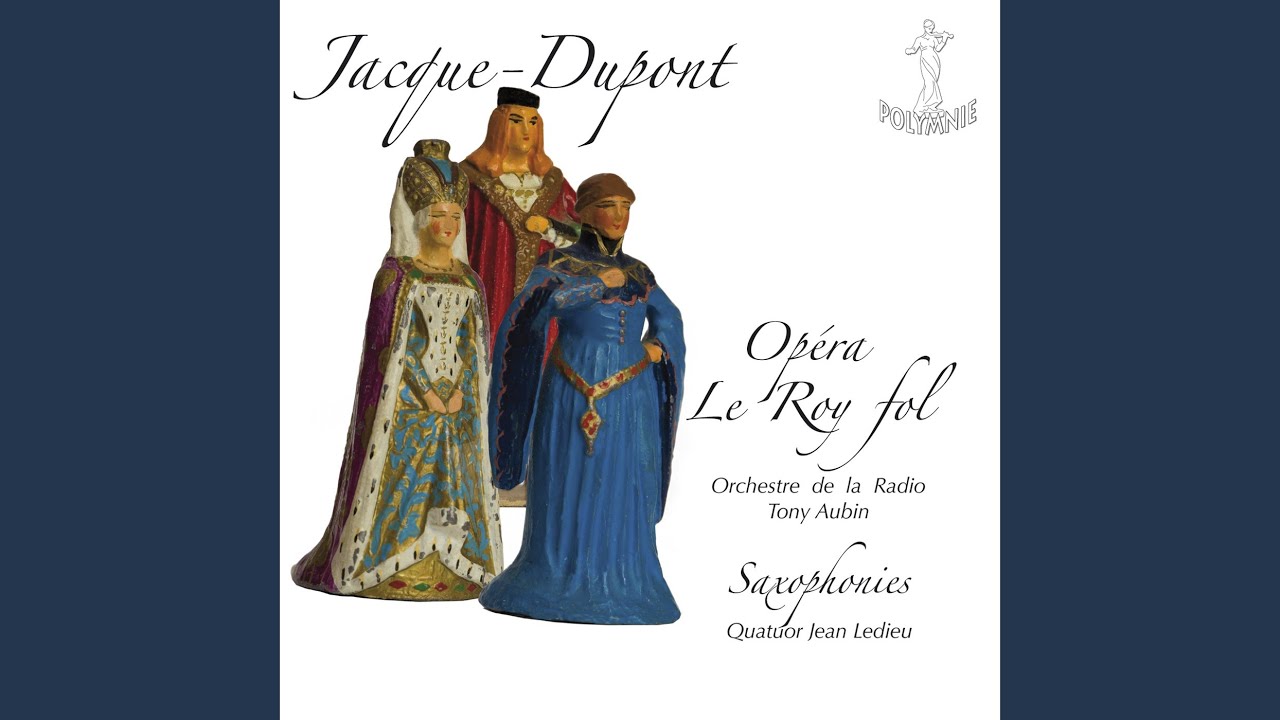
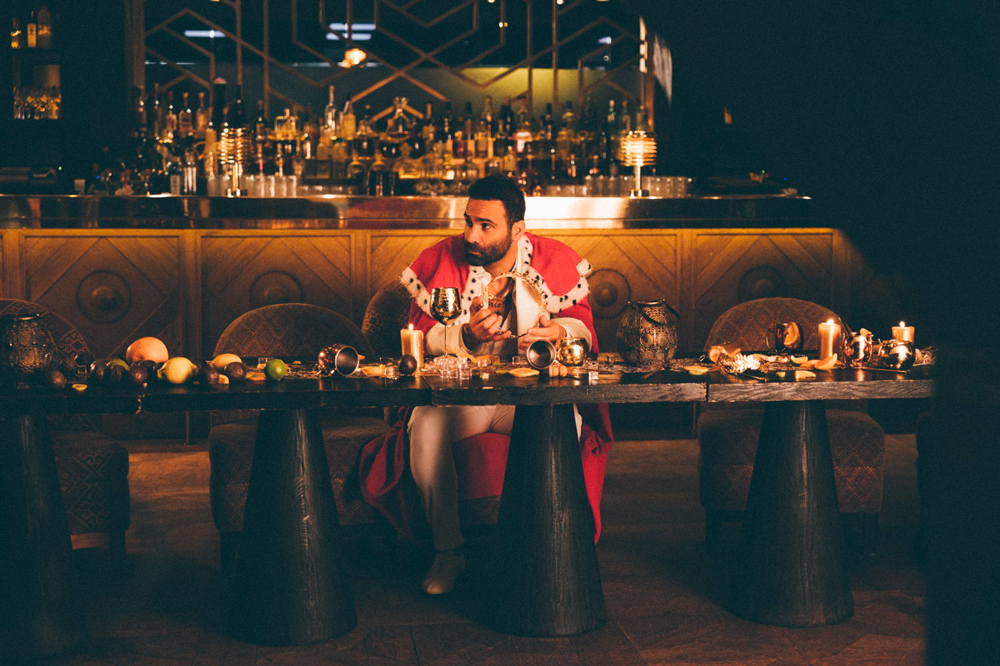
Now, before you conjure images of some medieval therapy session gone horribly wrong, let's unpack this title. "Le Fou et le Roi" – The Fool and the King. Immediately, your brain starts firing, right? Royalty! Madness! Intrigue! It's like a Shakespearean play condensed into a snappy song title. And frankly, who wouldn't want to listen to that?
The Fool: More Than Just Funny Hats and Bells
Forget the image of a buffoon tripping over himself. In the context of these songs, the "fou" isn't just a comedic relief character. He's often the only one allowed to speak truth to power. Think of him as the original whistleblower, only instead of leaking government secrets, he’s delivering cutting social commentary disguised as a juggling act. He’s the conscience of the court, the guy who sees through the pomp and circumstance and calls the King out on his (often ridiculous) behavior. Clever, eh?
The King: Heavy is the Head That Wears the Crown (and Eats all the Cake)
The King, on the other hand, represents, well, the establishment. Authority. All that jazz. He’s the guy with the crown, the scepter, and probably a serious craving for a pain au chocolat. He's burdened by responsibility (or so he claims, while simultaneously ordering another banquet). Often portrayed as out of touch, pompous, and perhaps a little bit clueless, he needs the Fool to keep him grounded (or at least prevent him from declaring war on a neighboring kingdom over a bad hair day).
Thematic Soup: What's Cooking in "Le Fou et le Roi?"
So, what makes this particular combination so appealing to songwriters and audiences alike? Well, think of it as a thematic smorgasbord! You've got:

- Power Dynamics: The constant push and pull between authority and dissent. It's like a high-stakes game of chess, but with more singing (and hopefully fewer casualties).
- Social Commentary: These songs are often thinly veiled critiques of society, politics, and the human condition. The Fool gets to say what everyone else is thinking but is too afraid to voice. Think of it as ancient Twitter, but with better melodies.
- Humanity: Underneath the surface of kings and fools, there are just…people. Flawed, vulnerable, and trying to make sense of the world. These songs often explore the shared humanity that binds even the most disparate individuals.
- Irony and Satire: The Fool is the master of irony, using humor to expose hypocrisy and challenge the status quo. It’s like a stand-up routine performed for royalty, only with the potential to lose your head if the King doesn't get the joke.
- The Absurdity of Life: Let's face it, life is weird. And "Le Fou et le Roi" often embraces that absurdity, reminding us that sometimes, the only way to cope with the madness of the world is to laugh (or sing, preferably both).
Musical Styles: From Ballads to Bops!
The beauty of "Le Fou et le Roi" as a theme is that it’s incredibly versatile. You can find songs exploring this dynamic in a wide range of musical styles. Think:
- Chanson Française: Obviously. Expect melancholic melodies, accordion accompaniment, and lyrics that will make you question your entire existence. In a good way, of course.
- Folk: Acoustic guitars, heartfelt vocals, and stories that feel like they've been passed down through generations. Perfect for contemplating the meaning of life while sitting around a campfire (or, you know, in your living room with a cup of tea).
- Rock: Because even kings and fools can rock out! Expect electric guitars, driving rhythms, and a healthy dose of rebellion. Think the Sex Pistols storming the Bastille, only with better haircuts.
- Pop: Hey, even serious themes can be catchy! Expect infectious melodies, polished production, and lyrics that are surprisingly profound (if you listen closely enough).
- Cabaret: A touch of theatricality, a dash of decadence, and a whole lot of drama. Perfect for exploring the darker side of the Fool and the King relationship.
Notable Examples: Let's Get Specific!
While there isn't one single, universally known song called "Le Fou et le Roi" by a major artist (though feel free to write one and become a legend!), the theme permeates countless works. We're talking about songs that capture the essence of this dynamic, even if they don't explicitly mention a "fou" or a "roi." Here are a few examples – consider them inspirations, or simply excellent additions to your playlist:
Brassens: The Anarchist Troubadour
Georges Brassens, the king (no pun intended) of French chanson, often sang about societal rebels and those who dared to challenge authority. While he might not have directly written a song called "Le Fou et le Roi", many of his songs feature characters who embody the spirit of the Fool, questioning power structures and exposing hypocrisy with wit and charm. His work is like a masterclass in subversive songwriting.

Renaud: The Grumpy Poet
Renaud Séchan, known simply as Renaud, is another figure who frequently explores themes of social injustice and rebellion in his music. His songs often feature characters who are marginalized or oppressed, speaking truth to power in their own way. He’s like the angry younger brother of French chanson, always ready to challenge the status quo with his raspy voice and biting lyrics.
Jacques Brel: The Intense Storyteller
While Brel might be more famous for his dramatic ballads of love and loss, he also touched upon themes of power and oppression in some of his work. His intensely emotional delivery and poetic lyrics could easily be applied to the dynamic between a Fool and a King, exploring the vulnerability and humanity that lies beneath the surface of both roles. Prepare for an emotional rollercoaster!
Think More Broadly: Archetypes in Music
Don't get hung up on the literal translation! Think of songs where:

- Someone speaks truth to power (even if they're not wearing a jester's hat).
- There's a clear power imbalance between two characters.
- A seemingly "foolish" character is actually wiser than they appear.
Suddenly, the possibilities are endless! Think of Bob Dylan's protest songs, or even some modern pop songs that subtly critique societal norms. The spirit of "Le Fou et le Roi" lives on in unexpected places.
Why This Theme Endures: A Timeless Tale
So, why are we still talking about kings and fools centuries after the concept of court jesters went out of fashion? Because the underlying themes are timeless! The struggle between power and dissent, the importance of speaking truth to authority, and the enduring human need for connection – these are all things that resonate with us today, just as they did with audiences in medieval times.
Plus, let's be honest, there's something inherently appealing about the underdog. We love seeing the little guy take on the big guy, especially when he does it with wit and charm. The Fool represents our own desire to challenge the status quo, to question authority, and to speak our minds, even when it's scary.

Creating Your Own "Le Fou et le Roi" Masterpiece (Maybe)
Feeling inspired? Want to write your own song about a king and a fool? Here are a few tips:
- Embrace the Irony: The Fool is the master of sarcasm. Use it to your advantage!
- Don't Be Afraid to Be Critical: What are you angry about? What do you want to change? Let your inner Fool speak!
- Find the Humanity: Even the most powerful king is still a person. Explore their vulnerabilities and motivations.
- Keep it Catchy: Even serious messages go down easier with a good melody.
- Have Fun!: Songwriting should be enjoyable. Don't take yourself too seriously (unless you're writing a Jacques Brel-inspired tearjerker, in which case, feel free to wallow in despair).
The End (But Not Really): The Story Continues
In conclusion, "Le Fou et le Roi" isn't just a song title; it's a concept, an archetype, a lens through which to view the world. It's a reminder that even in the most unequal of situations, there's always the potential for dissent, for humor, and for human connection. And who knows, maybe one day you'll write the definitive "Le Fou et le Roi" song. Just don't forget to credit me in the liner notes… or maybe just send me a pain au chocolat. I'm easy to please.
So go forth, listen to some great French music, and embrace your inner Fool (and maybe cut the King some slack… just a little bit). After all, we're all just trying to navigate this crazy world, one song at a time. And if that doesn't work, there's always the pain au chocolat. Bon appétit!