Salut tout le monde ! Ever wondered what people are really thinking? It's not always just about what they say, you know? Get ready to unlock a whole new level of understanding because we're diving headfirst into the fascinating world of body language and word choice! And trust me, once you start paying attention, life gets a whole lot more interesting. (Popcorn optional, but highly recommended.)
Le Langage du Corps: Un Livre Ouvert (Presque!)
Okay, let's talk body language. It’s like a secret language we're all fluent in, even if we don't realize it. Think of it as the silent movie playing alongside the spoken word. So, what are some key things to watch out for?
Les Yeux: Fenêtres de l'Âme… et Bien Plus!
They say the eyes are the windows to the soul, and honestly, they’re not wrong. Eye contact can tell you a ton. Someone who avoids eye contact might be nervous, shy, or even trying to hide something. On the other hand, someone who holds your gaze might be confident, interested, or… well, maybe they just have really intense eyes! Context is key, my friends, context is key!
And what about pupil dilation? Did you know that our pupils get bigger when we see something we like or are interested in? It's a subtle cue, but a fascinating one! (Now, I’m not suggesting you stare intensely into someone’s pupils during a first date...that might be a bit awkward.)
Les Bras et les Mains: Révélateurs de Confort (ou d'Inconfort!)
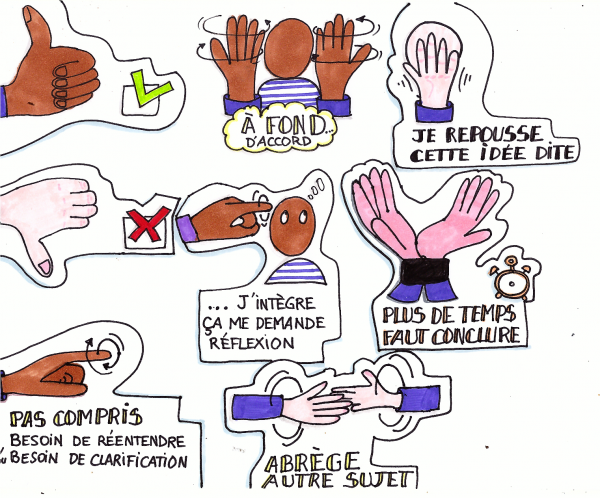
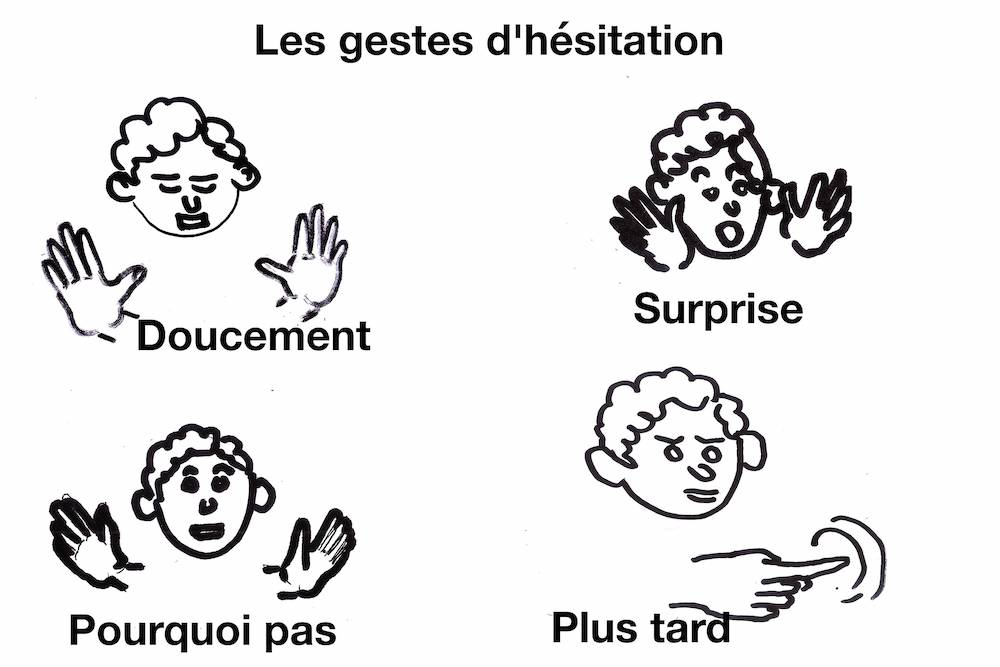
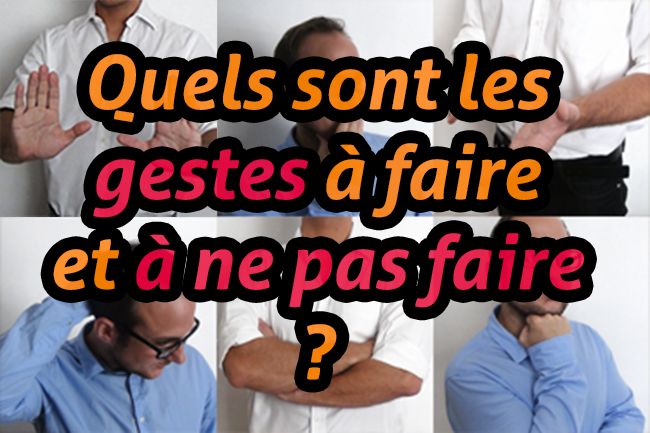
Pay attention to what people do with their arms and hands. Crossed arms can often indicate defensiveness or disagreement. Someone might be feeling closed off to what you're saying. Open palms, on the other hand, often signal honesty and openness. People tend to show their palms when they're trying to be trustworthy. Pretty cool, huh?
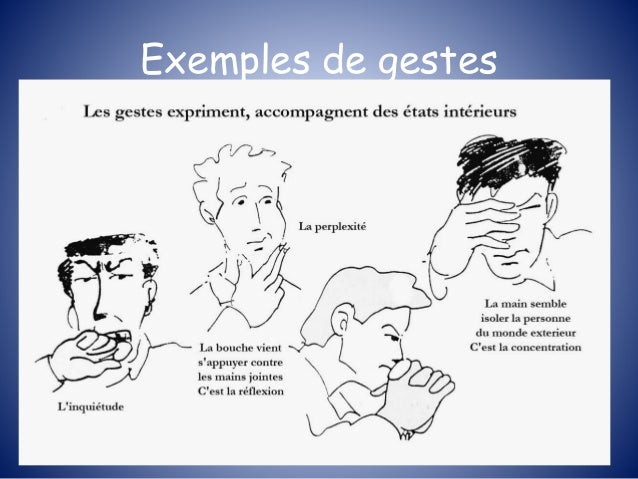
And the hands! Are they fidgeting? Tapping a foot? That can suggest nervousness or impatience. Steepling (where someone touches their fingertips together) can signal confidence and authority. Basically, hands tell a story! It's up to you to start reading it.
La Posture: Un Signal Puissant
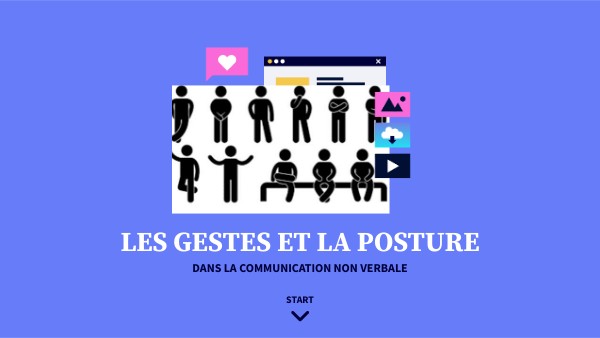
Posture is another huge clue. Someone who's slouched might be feeling down or unmotivated. Someone who stands tall with their shoulders back is usually projecting confidence. Think of it like this: your body is a billboard, and your posture is the headline.
Notice how people mirror each other? This happens unconsciously when people are connecting and feeling rapport. If you notice someone subtly mimicking your movements, it's a good sign they're on the same wavelength as you.
Les Mots: Plus que de Simples Sons
Okay, so we've covered the silent signals. Now let's talk about the words themselves. It's not just what people say, but how they say it that matters.
Le Ton et le Volume: L'Emballage du Message
Think about the tone of voice. Is it sarcastic? Enthusiastic? Sincere? The tone can completely change the meaning of the words. And what about the volume? Someone who speaks softly might be shy or uncertain, while someone who speaks loudly might be assertive or even aggressive. (Again, context is everything!)
Le Choix des Mots: Indices Subtils
Pay attention to the words people choose. Do they use a lot of "ums" and "ahs"? That might indicate nervousness or uncertainty. Do they use a lot of jargon? They might be trying to impress you (or they might just be really into their field!).

Generalizations are another thing to watch out for. If someone is constantly using words like "always" and "never," they might be oversimplifying things. Vague language can also be a red flag. If someone is being evasive or not providing specific details, they might be hiding something.
Also, notice the use of "I" versus "we." Someone who uses "I" a lot might be more focused on themselves, while someone who uses "we" might be more team-oriented. Little things like this can tell you a lot about a person's perspective.
L'Écoute Active: L'Art d'Entendre Vraiment
Okay, this is super important: active listening. It’s not just about hearing the words; it's about understanding the message. That means paying attention to both the verbal and nonverbal cues we've talked about.
Ask clarifying questions. Summarize what you've heard to make sure you're on the same page. Show genuine interest in what the other person is saying. This not only helps you understand them better but also makes them feel valued and heard. Win-win!

Mettre Tout Cela en Pratique: Devenir un Sherlock Holmes Social
So, how can you use all this newfound knowledge in your everyday life? Well, start by simply paying attention. Observe people's body language and listen to their words. Don't jump to conclusions, but look for patterns and inconsistencies.
Practice your empathy. Try to put yourself in the other person's shoes and understand their perspective. Why might they be acting the way they are? What might they be feeling?
Use your newfound skills to improve your own communication. Be mindful of your own body language and word choice. Are you projecting the message you want to project? Are you being clear and concise? Are you actively listening to others?
And most importantly, have fun with it! This isn't about becoming a master manipulator or judging people. It's about developing a deeper understanding of human behavior and connecting with others on a more meaningful level. Think of it as unlocking a secret level in the game of life! And don't be too hard on yourself (or others) if you misinterpret something. We all make mistakes! The key is to keep learning and growing.

Example: Imagine you're in a meeting, and someone is saying they agree with your proposal, but they’re fidgeting and avoiding eye contact. Their words say one thing, but their body language suggests something else. Maybe they have reservations they're not expressing. That's your cue to dig a little deeper and address their concerns!
Pour Conclure: Le Début d'une Aventure
Learning to read body language and analyze word choice is like learning a new superpower. It can help you build stronger relationships, navigate social situations more effectively, and even improve your own self-awareness. It is also worth noting that culture influences the ways that people act, so it's useful to understand the culture of the person whose actions you are trying to interpret.
Don’t feel like you need to master everything overnight! It takes time and practice. Start small, be patient with yourself, and enjoy the process. And remember, the more you learn about others, the more you learn about yourself. Isn't that exciting?
Alors, qu'est-ce que vous attendez? Go forth and explore the fascinating world of nonverbal communication! I truly believe in you and the profound benefits that come with becoming a better communicator. You've got this! Bonne chance ! And remember to keep your eyes (and ears!) open!