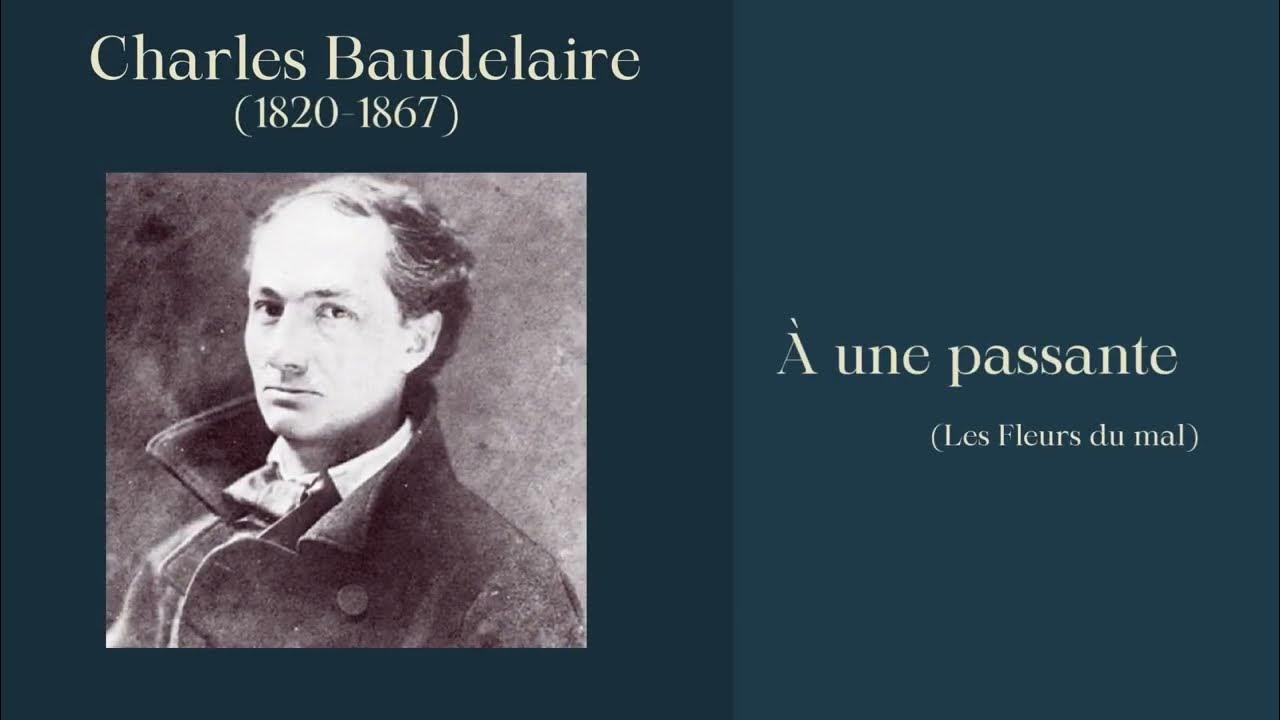
Salut, toi ! Ever feel like life's just… whizzing by? Like a blur of faces in a crowded street? Well, buckle up, because we're diving headfirst into a poem that's exactly about that feeling! We're talking Baudelaire's "À une Passante," or "To a Passerby" for those of us (me included!) who aren't fluent in French. Trust me, even if poetry makes you want to run and hide, this one’s worth sticking around for. It's surprisingly relatable, even though it's, you know, Baudelaire.
A Fleeting Encounter: Why This Poem Still Slaps
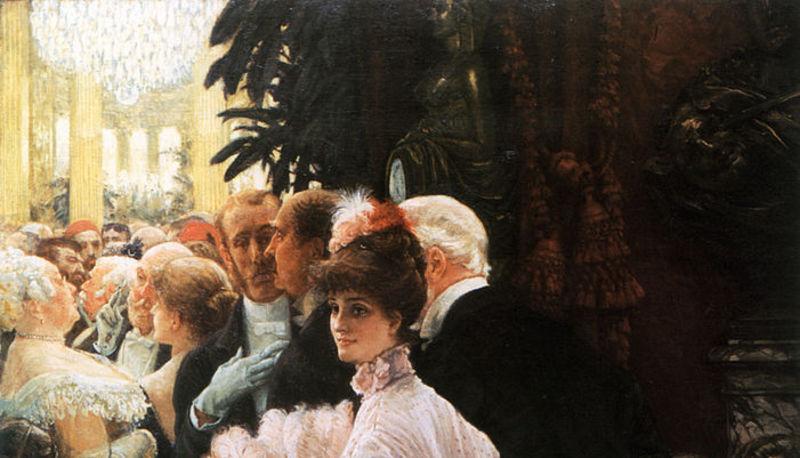
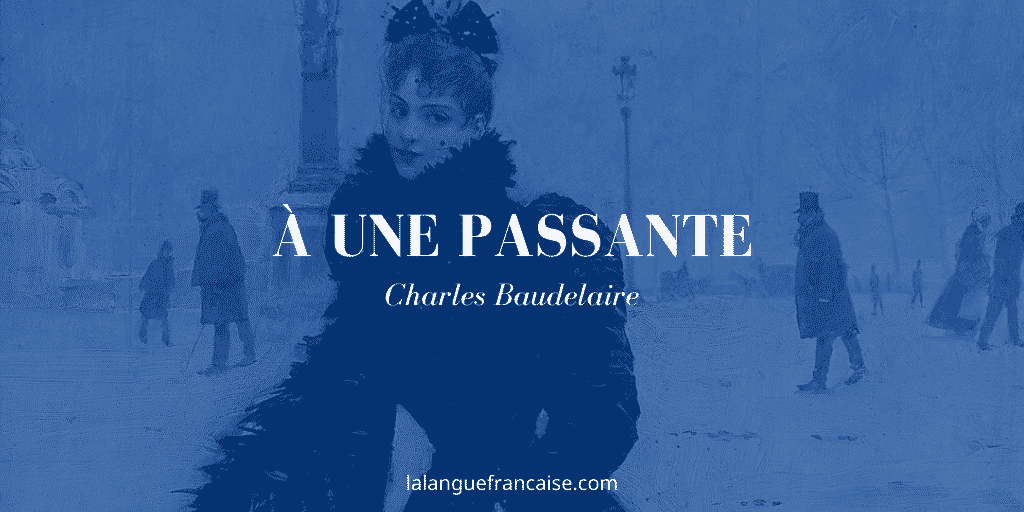
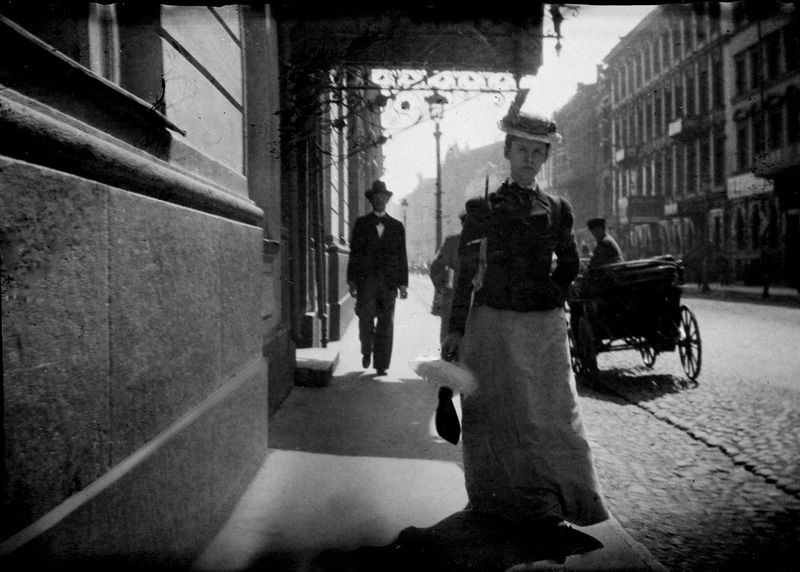
So, what's the deal with this "Passante"? Imagine this: You're strolling through a bustling Parisian street – maybe you’re late for a rendez-vous, maybe you're just people-watching (my personal favorite pastime). Suddenly, your eyes lock with a stranger, a woman, and in that instant, something… happens. A spark? A recognition? A pang of something you can't quite name?
That, my friends, is the essence of Baudelaire’s poem. It's a snapshot of a fleeting encounter, a moment of intense connection that disappears as quickly as it arrives. Sounds a bit dramatic, right? Well, it is Baudelaire! But beneath the drama, there's something profoundly human and relatable about it.
Diving into the Details (Without Getting Bogged Down)
Okay, okay, I know what you're thinking: "Here comes the boring literary analysis!" But I promise to keep it painless. Let’s peek at some key lines (in translation, of course! Unless you're a French genius, in which case, chapeau!).
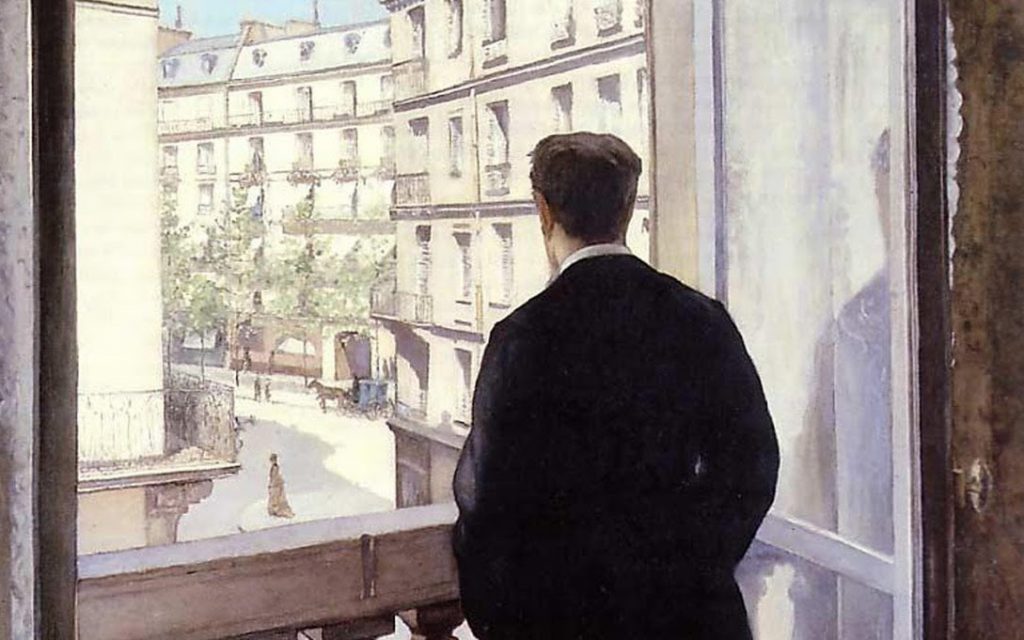
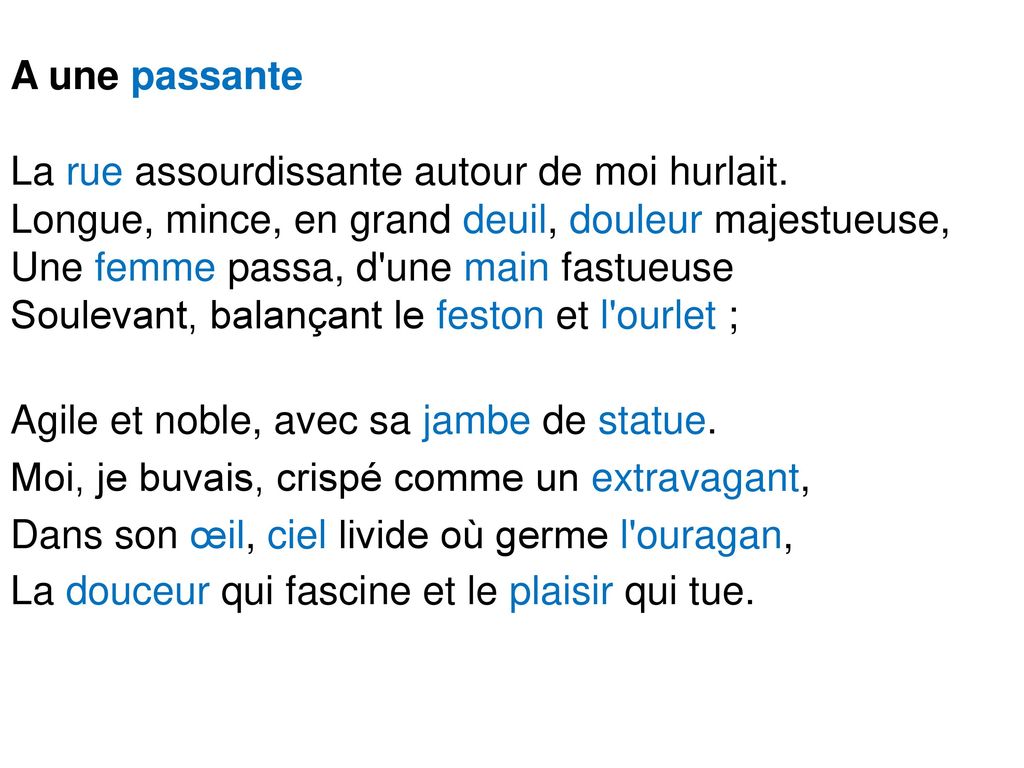
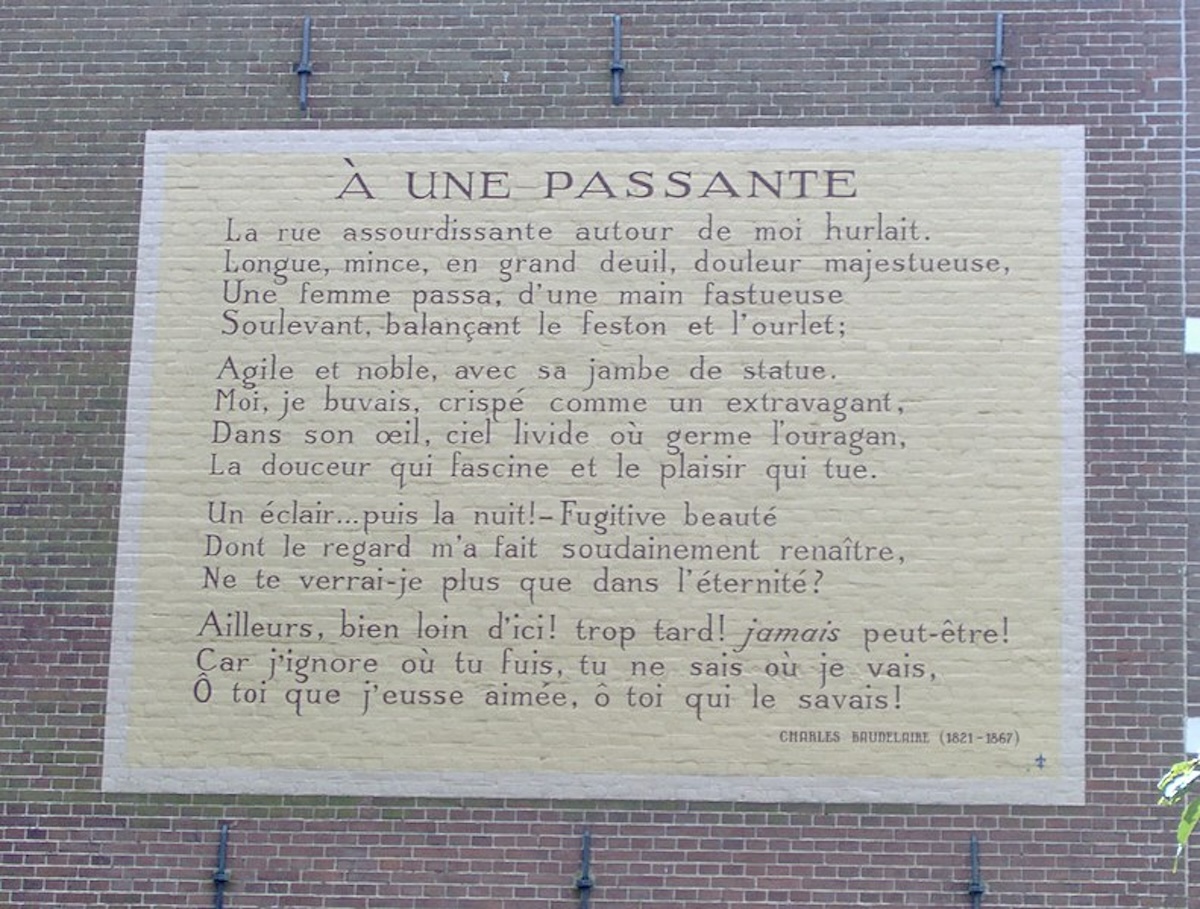
The poem opens with a description of a street, a "roaring street," filled with noise and chaos. This urban landscape is super important, because it sets the stage for this unexpected encounter. It's not a romantic garden or a peaceful countryside; it’s the gritty reality of city life.

Then, bam! She appears. The "slender, mourning, majestic" woman. Wow, right? Baudelaire doesn't just say she's pretty; he paints a picture of her. He uses words like "anguish" and "pleasure" to describe her look – talk about mixed signals! This adds to the mystery and intrigue surrounding her.
"Her look is lightning; then night!" Boom. That's it. That's the whole poem in a nutshell. A brief, intense moment of connection, followed by… nothing. She’s gone, swallowed by the crowd.
Baudelaire then laments: "O you whom I might have loved! O you who knew it!" He realizes the potential for something more, for a relationship that might have been. But it's lost. It's a missed opportunity. Heartbreaking, isn't it?
Why Should You Care? (Besides Impressing Your Friends at Dinner Parties)
So, why am I rambling on about a 19th-century French poem? Because it speaks to something universal about the human experience. Think about it: How many times have you seen someone and felt an instant connection, a spark of recognition, but then let the moment pass?
This poem reminds us to pay attention to those fleeting moments of connection. To be present, to be aware of the people around us, and to maybe, just maybe, take a chance.
It also reminds us that life is full of missed opportunities and unspoken possibilities. And that's okay! It's part of what makes life interesting, right? The "what ifs" can be just as powerful as the "what is." (Deep thoughts with me!)

Making Life More Fun (Baudelaire-Style!)
Okay, so how can we take this Baudelaire wisdom and make our lives a little more fun? Here are a few ideas:
- Practice People-Watching: Find a busy spot (a coffee shop, a park, a train station) and just observe. Notice the faces, the expressions, the stories that seem to unfold before you. Who knows, you might even have your own "Passante" moment!
- Embrace Impermanence: Remember that everything is fleeting. Don't get too attached to things, or too hung up on missed opportunities. Just appreciate the moments as they come.
- Be Open to Connection: Smile at strangers. Strike up a conversation with someone new. You never know where it might lead! (But maybe avoid staring intensely and muttering about "mourning, majestic" strangers. Just a suggestion.)
- Read More Poetry! Seriously! I know it can seem intimidating, but poetry can be incredibly powerful and moving. And it doesn't have to be all serious and stuffy. There are tons of poets out there writing about everything from love and loss to tacos and cats. Find something that speaks to you!
Don't be afraid to be a little bit dramatic, a little bit melancholic, a little bit… Baudelaire. Embrace the beauty of fleeting moments, the power of unspoken emotions, and the mystery of human connection.
One Last Thing: Dive Deeper!
So, there you have it! A whirlwind tour of Baudelaire's "À une Passante." I hope I've convinced you that poetry isn't just for stuffy academics and angsty teenagers. It can be relevant, relatable, and even (dare I say it?) fun!

If you're feeling inspired (and I hope you are!), I encourage you to learn more about Baudelaire and his work. Read some of his other poems. Explore the Symbolist movement. Dig into the history of 19th-century Paris. The possibilities are endless!
And who knows? Maybe you'll even find your own "Passante" along the way. 😉
Go forth and be poetic! (But maybe watch out for pigeons. Paris has a lot of pigeons.)





![À une Passante [Charles BAUDELAIRE : Les Fleurs du Mal] - YouTube](https://i.ytimg.com/vi/hACvjXSlIsg/maxresdefault.jpg)