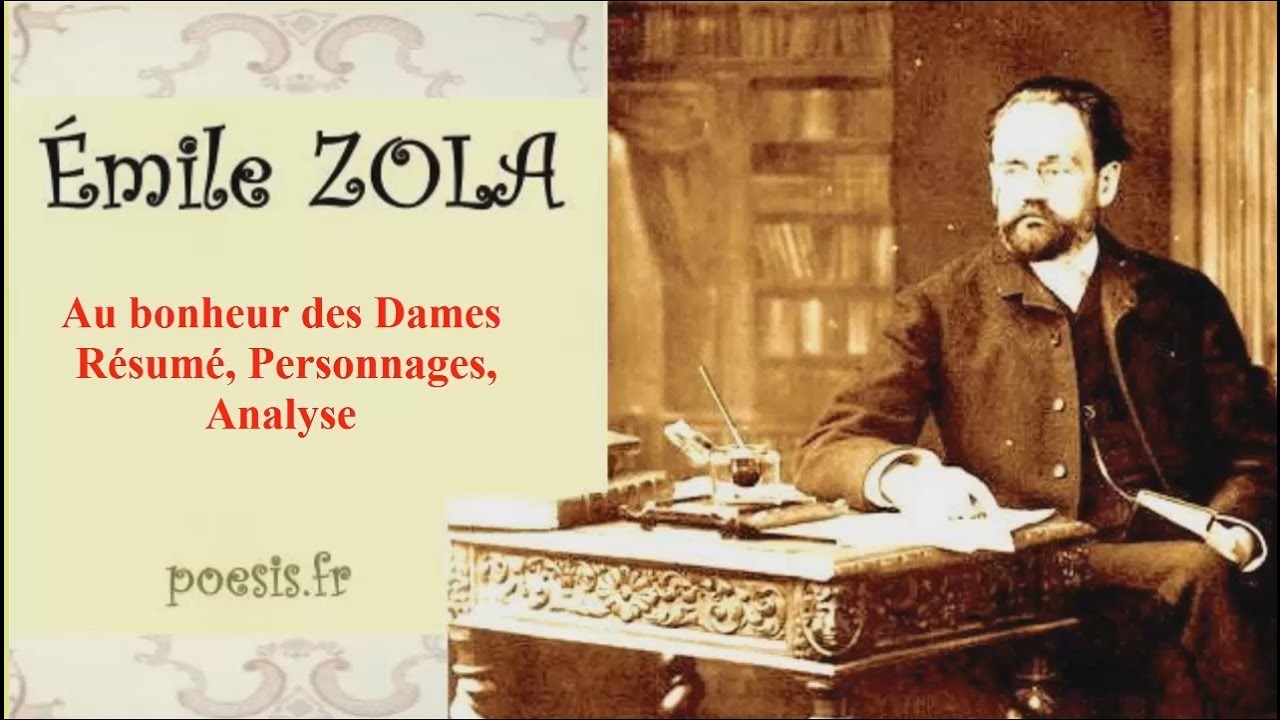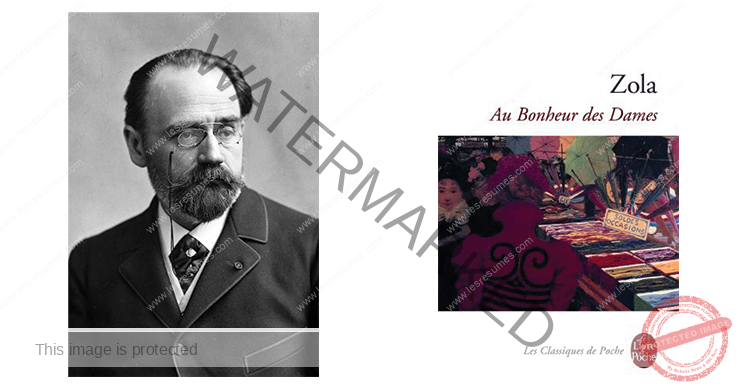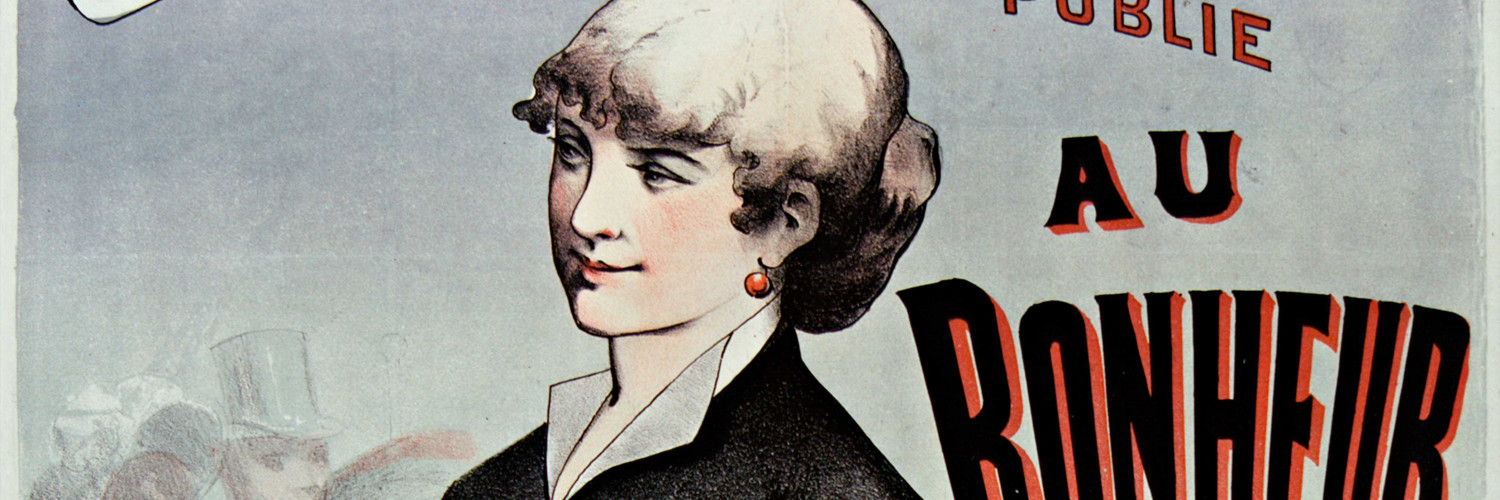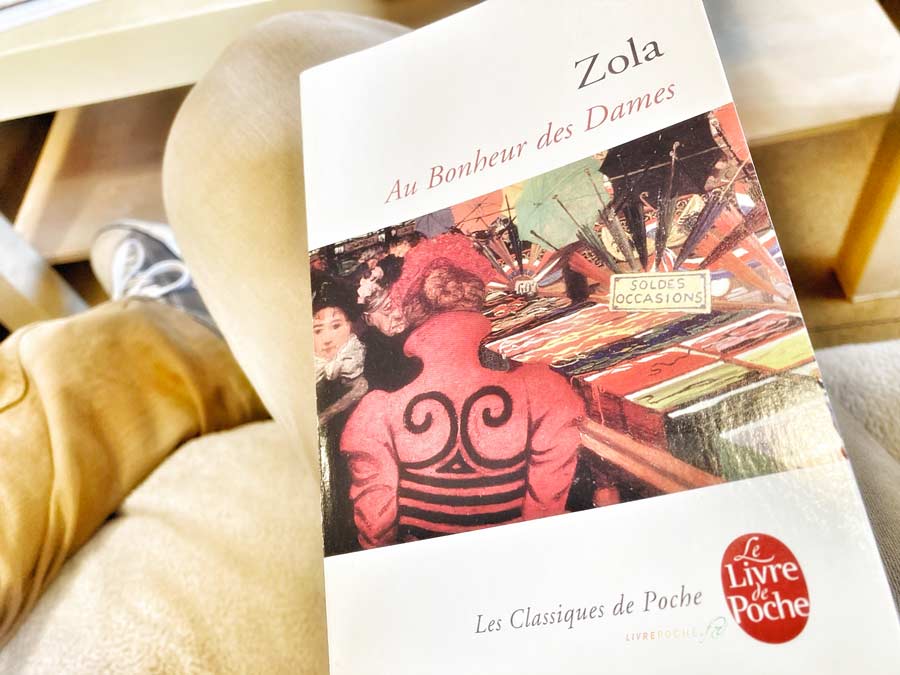
Ah, Zola! Émile, mon cher Émile. The man, the myth, the literary wrecking ball of 19th-century France. And today, we're diving headfirst (and perhaps a little overdressed) into one of his juiciest creations: Au Bonheur des Dames. Get ready, mes amis, because this isn't your average stroll through a Parisian park. It's a chaotic, vibrant, and frankly, slightly terrifying plunge into the burgeoning world of the department store.
Now, some of you might be thinking, "A novel about a department store? Seriously? Is this some sort of literary ASMR?" And to that, I say, "Mais oui! And so much more!" Forget your calming rain sounds and gentle tapping. This is the cacophony of capitalism, the seduction of silk, and the crushing of small businesses, all wrapped up in a beautifully (and sometimes brutally) descriptive package.
So, buckle up your metaphorical corset (or, you know, just loosen your belt a notch), and let's explore this monument to consumerism, shall we?
Denise: The Country Mouse Meets the Consumerist Lion
Our heroine, Denise Baudu, arrives in Paris like a wide-eyed lamb in a wolf's clothing department. She's a young woman from the provinces, armed with nothing but her wits, her siblings (who are, let's be honest, more of a hindrance than a help), and a whole lot of naiveté. Imagine a baby deer trying to navigate a Black Friday sale – that's Denise in a nutshell.
She's got this whole "moral compass" thing going on, which, in the cutthroat world of Au Bonheur des Dames, is about as useful as a chocolate teapot. But that's what makes her so darn endearing! She's the underdog we're all rooting for, even when she makes questionable fashion choices (Zola doesn't explicitly say so, but I'm picturing a lot of unflattering bonnets).
Denise represents the old way of doing things, the traditional values that are being steamrolled by the relentless march of progress (and bargain bins). She's the embodiment of the small shopkeeper, clinging to their meager existence as the giant department store sucks the lifeblood out of the neighborhood.
Her Challenges: A Laundry List of Unfortunate Events (and Bad Hair Days)
- Finding a Job: Easier said than done when you're competing with a thousand other desperate souls. It's like the Hunger Games, but with more lace and fewer exploding arrows.
- Keeping Her Siblings Alive: Honestly, these kids are a walking disaster. They're constantly getting into trouble, losing things, and generally being a drain on Denise's already limited resources. You almost want to shout, "Put them to work in the stockroom!" But then you remember child labor laws exist (thank goodness).
- Resisting the Allure of Au Bonheur des Dames: This is the big one. Can Denise maintain her integrity in the face of such overwhelming temptation? Can she resist the siren song of silk stockings and discounted perfume? The suspense is killing me! (And probably her wallet).
Octave Mouret: The Man Who Invented Retail Therapy (and Probably Regrets It)
Ah, Octave Mouret. The brains behind the beast, the master manipulator of the masses, the… well, you get the idea. He's the owner of Au Bonheur des Dames, and he's a force of nature. Think of him as the Jeff Bezos of 19th-century Paris, but with better tailoring and a more complicated love life.
Mouret is a visionary, a genius, and a ruthless businessman all rolled into one impeccably dressed package. He understands the desires of women (or at least, he thinks he does), and he exploits them with gleeful abandon. He's basically a walking, talking advertisement, and he's incredibly effective.

He's not just selling clothes; he's selling dreams. He's selling the idea that buying things will make you happy, beautiful, and loved. And, sadly, a lot of people buy into it (literally and figuratively).
His Tactics: A Masterclass in Manipulation (and Marketing)
- Enticing Displays: Mouret understands the power of visual merchandising. He creates elaborate window displays that are designed to stop you in your tracks and lure you inside like a moth to a very expensive flame. Think of it as 19th-century clickbait.
- Bargain Sales: Who can resist a good discount? Mouret knows that the promise of a bargain is enough to drive even the most sensible woman into a frenzy. It's like a Pavlovian response: see a sale, buy everything in sight.
- Creating a "Feminine Paradise": Mouret wants women to feel like Au Bonheur des Dames is their own personal sanctuary. He provides comfortable seating areas, attentive salespeople, and even a reading room. It's like a spa, but instead of getting a massage, you're getting into debt.
- Playing on Emotions: Mouret understands that women are driven by their emotions, and he's not afraid to exploit that. He uses advertising to create a sense of longing, envy, and desire. He's basically a master of emotional blackmail.
Au Bonheur des Dames: More Than Just a Store (It's a Metaphor!)
Zola wasn't just writing a novel about a department store. He was using Au Bonheur des Dames as a microcosm of society, a way to explore the changing social and economic landscape of 19th-century France. It's a story about the rise of capitalism, the decline of traditional values, and the power of consumerism.
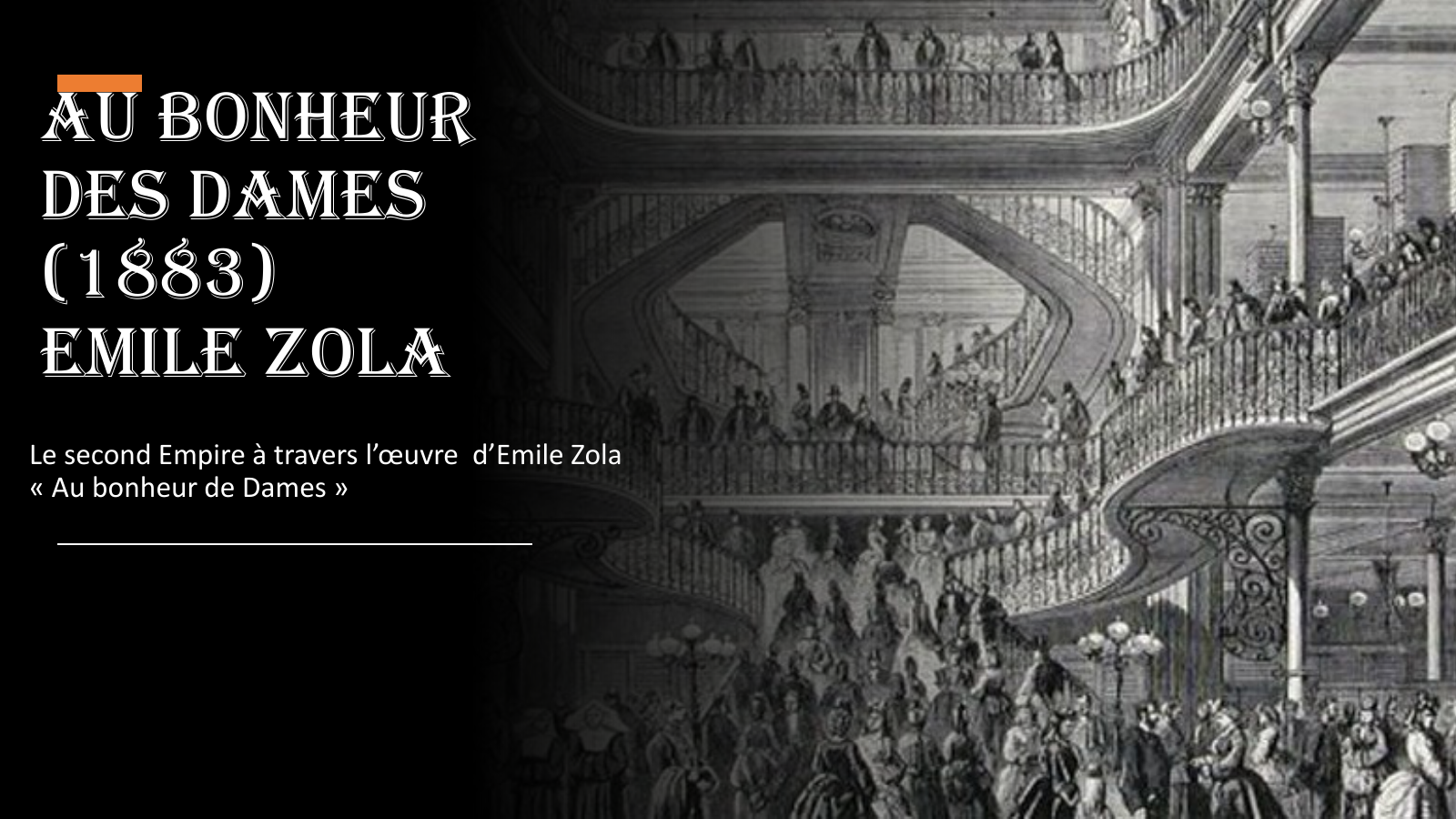
The store itself is a character in the novel, a living, breathing entity that consumes everything in its path. It's a symbol of progress, but also a symbol of destruction. It brings wealth and opportunity, but it also destroys small businesses and exploits its workers.
Zola, being Zola, doesn't pull any punches. He shows us the ugly side of capitalism, the exploitation, the greed, and the superficiality. But he also shows us the excitement, the innovation, and the undeniable allure of the modern world.
Key Themes: Decoding Zola's Message (Without Getting a Headache)
- The Rise of Capitalism: Zola shows us how capitalism is transforming French society, creating new opportunities but also exacerbating existing inequalities. It's a brave new world, but not everyone is going to thrive.
- The Decline of Traditional Values: The old ways of doing things are dying out, replaced by a more materialistic and individualistic culture. The small shopkeepers are struggling to survive, and the sense of community is eroding.
- The Power of Consumerism: Zola explores the seductive power of consumerism, how it can manipulate our desires and drive us to buy things we don't need. He's basically warning us about the dangers of retail therapy.
- The Role of Women in Society: The novel offers a complex portrayal of women in 19th-century France. They are both victims and agents of change, struggling to find their place in a rapidly evolving society.
The Characters: A Motley Crew of Shopaholics and Schemers
Au Bonheur des Dames is populated by a cast of colorful characters, each with their own desires, ambitions, and secrets. They're all drawn to the store like moths to a flame, and their lives become intertwined in unexpected ways.
- The Salespeople: These are the worker bees of Au Bonheur des Dames, the ones who actually make the store run. They're a diverse group, ranging from ambitious young men looking to climb the corporate ladder to jaded veterans who have seen it all. They're all underpaid, overworked, and constantly under pressure to meet their sales quotas. Think of them as the retail equivalent of gladiators.
- The Customers: Ah, the customers! They're a fascinating bunch, ranging from wealthy socialites to working-class women looking for a bargain. They're all driven by different desires, but they all have one thing in common: they love to shop. They're the lifeblood of Au Bonheur des Dames, and Mouret knows how to keep them coming back for more.
- The Small Shopkeepers: These are the victims of Au Bonheur des Dames's success. They're struggling to compete with the store's low prices and vast selection, and they're slowly being driven out of business. They represent the old way of doing things, and they're fighting a losing battle against the forces of progress. Think of them as the dinosaurs of the retail world.
The Romance (or Lack Thereof): Love in the Age of Consumerism
Of course, no Zola novel would be complete without a little bit of romance. And Au Bonheur des Dames doesn't disappoint. There's a simmering attraction between Denise and Mouret, but it's complicated by their different social positions and their conflicting values.
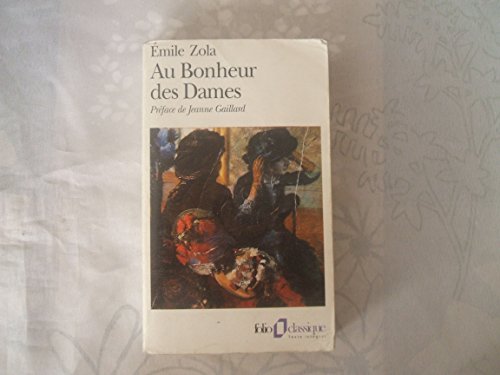
Mouret is drawn to Denise's honesty and integrity, but he also sees her as a threat to his empire. He wants to possess her, but he also wants to control her. It's a classic power dynamic, and it plays out in a way that is both fascinating and disturbing.
Denise, on the other hand, is torn between her attraction to Mouret and her loyalty to her own values. She knows that he represents everything she despises, but she can't deny the powerful feelings he stirs within her. It's a classic case of "opposites attract," but with a hefty dose of social commentary thrown in for good measure.
Will they end up together? Will Denise succumb to the allure of wealth and power? Will Mouret soften his heart and become a better person? You'll have to read the book to find out! (Or, you know, just Google it. But where's the fun in that?)
Zola's Style: A Masterclass in Description (and Social Commentary)
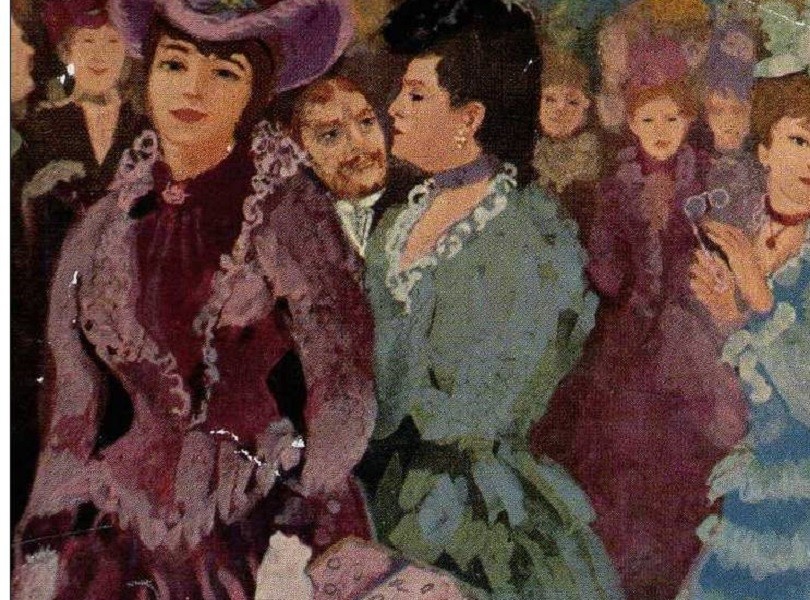
Zola is known for his detailed descriptions, and Au Bonheur des Dames is no exception. He paints a vivid picture of the department store, from the glittering displays to the crowded aisles to the bustling stockrooms. You can almost smell the perfume, feel the silk, and hear the chatter of the customers.
But Zola's descriptions aren't just for show. He uses them to make a point about the social and economic forces that are shaping French society. He shows us the beauty and the ugliness of capitalism, the allure and the danger of consumerism.
He's a master of detail, and he uses that skill to create a world that is both realistic and compelling. He's not afraid to show us the dark side of human nature, but he also reminds us of the potential for good. He's a complex and challenging writer, but he's also incredibly rewarding.
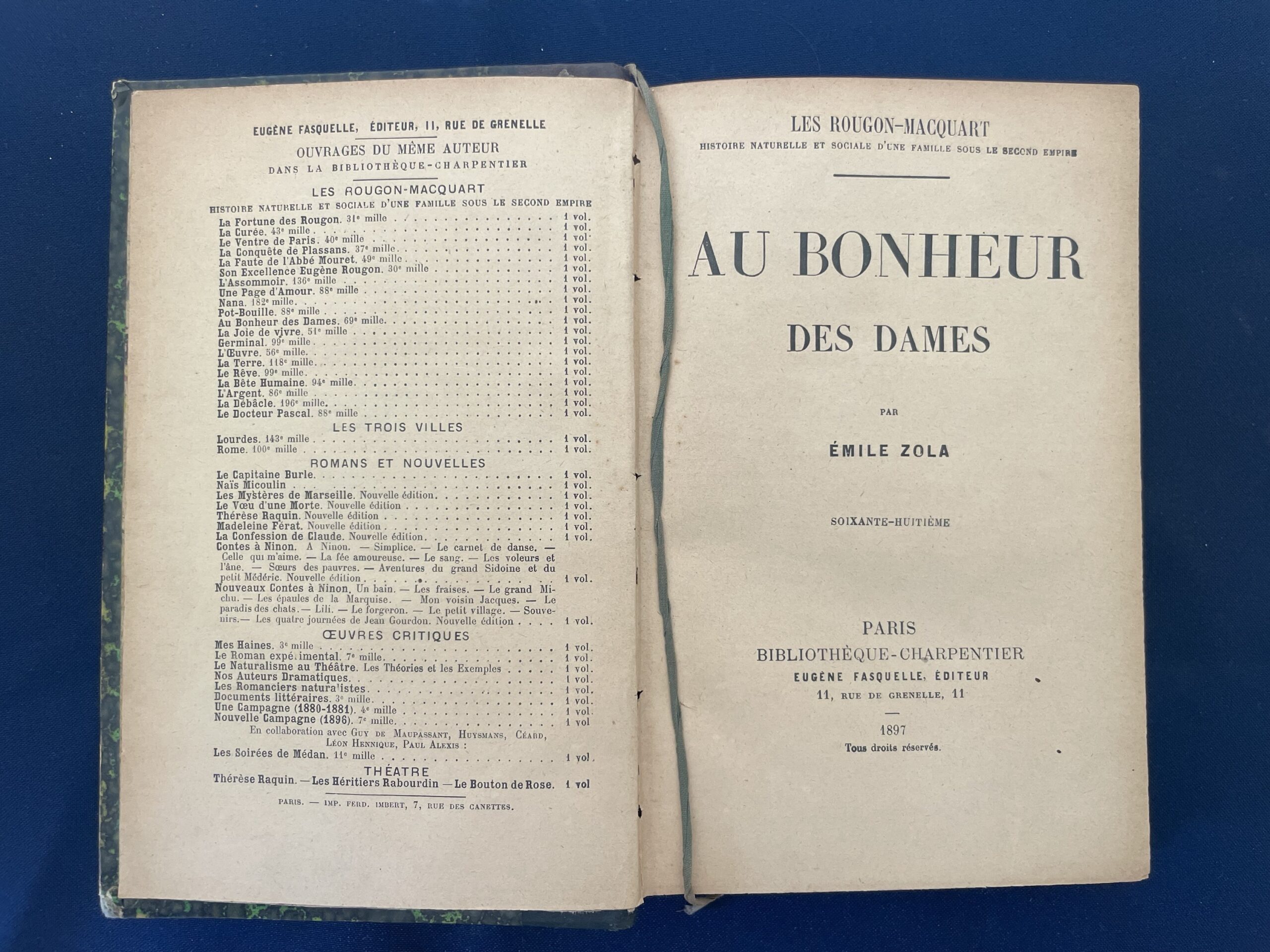
Key Elements of Zola's Style: A Literary Toolkit for Social Change
- Realism: Zola was a proponent of realism, which means he tried to depict the world as it really was, without idealizing or romanticizing it. He didn't shy away from the ugly details, and he didn't try to sugarcoat the truth.
- Naturalism: Zola was also influenced by naturalism, which is a more extreme form of realism. Naturalists believed that human behavior is determined by heredity and environment, and they often focused on the darker aspects of life.
- Detailed Descriptions: Zola was a master of description, and he used that skill to create a vivid and immersive reading experience. He paid attention to every detail, from the way people dressed to the way they spoke.
- Social Commentary: Zola was a social critic, and he used his novels to expose the injustices and inequalities of French society. He was a passionate advocate for the poor and the oppressed, and he used his writing to fight for social change.
Why You Should Read Au Bonheur des Dames (Even If You Hate Shopping)
Okay, so maybe you're not a fan of department stores. Maybe you prefer to do your shopping online, in your pajamas, with a glass of wine in hand (no judgment here!). But that doesn't mean you can't appreciate Au Bonheur des Dames.
This novel is more than just a story about a store. It's a story about ambition, desire, and the human condition. It's a story about the changing world and the challenges we face in trying to navigate it. It's a story that is as relevant today as it was when it was first written.
Plus, it's just a darn good read! Zola's writing is captivating, his characters are compelling, and his story is full of twists and turns. You'll laugh, you'll cry, you'll gasp in horror, and you'll probably develop a sudden craving for silk stockings (don't say I didn't warn you).
Reasons to Dive In: Beyond the Bargain Basement
- It's a fascinating glimpse into 19th-century France: Zola brings the era to life with his vivid descriptions and his attention to detail. You'll feel like you've stepped back in time.
- It's a thought-provoking exploration of capitalism and consumerism: Zola raises important questions about the impact of these forces on our society.
- It's a compelling love story (with a twist): The relationship between Denise and Mouret is complex and intriguing.
- It's just plain entertaining: Zola is a master storyteller, and he knows how to keep you hooked from beginning to end.
So, What's the Verdict?
Au Bonheur des Dames is a must-read for anyone interested in French literature, social history, or just a good old-fashioned story. It's a challenging but rewarding novel that will stay with you long after you've finished reading it.
And who knows, maybe it will even make you think twice before you max out your credit card on that next "must-have" item. Or maybe not. After all, who can resist a good sale?
Just remember, dear reader, that behind every bargain, every shimmering display, and every perfectly placed mannequin, there's a story waiting to be told. And Zola tells it with a passion, a wit, and a social consciousness that is as relevant today as it ever was.

Now, if you'll excuse me, I think I need to go do some… research. (Translation: online shopping).
Final Thoughts: A Zola-esque Conclusion (with a Wink)
So, there you have it! Au Bonheur des Dames, dissected, analyzed, and hopefully, made slightly less intimidating. Zola, that brilliant, brooding, beard-sporting genius, has given us a veritable feast for the literary senses. He’s shown us the glittering allure of consumerism, the back-stabbing realities of the business world, and the complicated dance of love in the face of societal upheaval.
But let’s be honest, it’s still a book about a department store. And while Zola tries to elevate it to the level of high art (and mostly succeeds), there’s still a part of us that’s just thinking, “Wow, that store sounds amazing! I wonder if they have free samples?”
So, go forth, dear reader! Read Zola, ponder the meaning of capitalism, and maybe, just maybe, treat yourself to something nice. After all, you deserve it. Just don't blame me when your bank account starts weeping.
And remember, if you ever find yourself lost in the labyrinthine aisles of a department store, just channel your inner Denise Baudu. Stay true to your values, resist the temptation of the bargain bin, and try not to let your siblings get lost in the lingerie section. You’ll be fine. Probably.
Until next time, mes amis! And may your shopping carts always be full… of books!