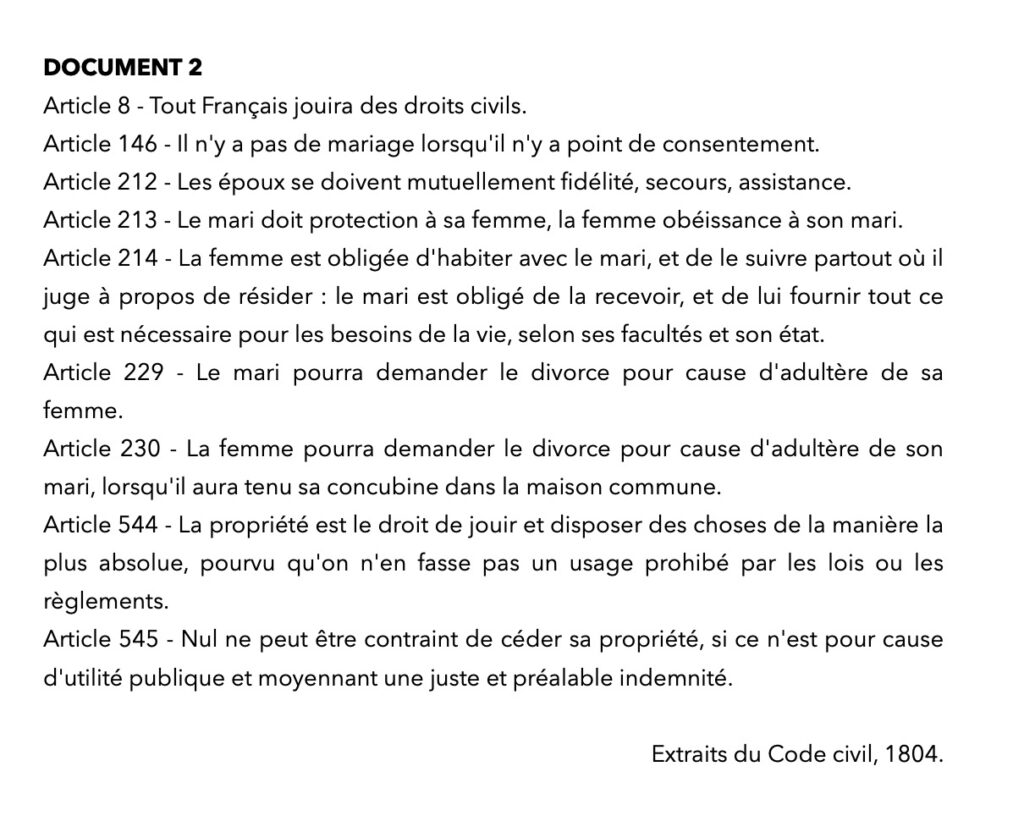
Bonjour, mes amis! Ever feel like life's a bit of a cosmic game of tag, where sometimes someone gets a little ahead without really earning it? Well, pull up a chair, because we're about to dive into a fascinating corner of French law that's all about fairness and preventing unjustified windfalls! I'm talking about the famous, the (sometimes) misunderstood, but always important, Article 1371 du Code Civil, dealing with enrichissement sans cause.
Now, before you run screaming for the hills thinking, "Oh no, law! So boring!" trust me, this is actually super interesting. It's like a legal superhero swooping in to right wrongs when things just aren't...well, just.
What's This "Enrichissement Sans Cause" All About?
Literally translated, "enrichissement sans cause" means "enrichment without cause." And that's pretty much what it is! Imagine this: someone gets richer, but not because they actually did anything to deserve it. No contract, no gift, no legitimate reason whatsoever. It's just... there. Like finding a twenty euro note in your old coat – surprising, delightful, but maybe a bit…weird?
Now, French law doesn’t like weird. (Okay, maybe it does a little, but not when it comes to unjust enrichment!) It believes in a level playing field. And Article 1371 is there to make sure that when someone gets enriched unfairly, they might have to give some of it back. Think of it as a legal Robin Hood, stealing from the unjustly rich (well, asking them politely to return what they didn't earn) and… well, not necessarily giving it to the poor, but back to the person who was impoverished as a result.
Let's Break it Down! (Because Law Can Be Tricky)
To make this a little clearer, let's talk about the key ingredients for an enrichissement sans cause claim to succeed:
- An enrichment: This is the easy part. Someone has to have actually gotten richer! Maybe they received money, maybe they benefited from someone else's work or property, whatever. The key is that their assets increased. This is fairly self-explanatory, non?
- An impoverishment: On the other side of the coin, someone else has to have gotten poorer as a result. This loss could be direct (money leaving their bank account) or indirect (they provided a service for free that they should have been paid for). This impoverishment has to be connected to the enrichment – cause and effect, my friends!
- A lack of justification ("sans cause"): This is the heart of the matter. There needs to be no valid legal reason for the enrichment. No contract, no gift, no legal obligation. It's a genuine "where did this come from?" situation. If there's a valid cause, like a contract, then Article 1371 won't apply.
- No other legal remedy: This is kind of a "last resort" remedy. If the impoverished person has another legal avenue to recover their losses (like suing for breach of contract), they can't rely on enrichissement sans cause. It's like, if you have a hammer, you don't need to use a spoon to drive a nail, n'est-ce pas?
So, basically, you have to prove someone got richer at your expense, without a good reason, and you have no other way to get your money back. Sounds fair, right? I think so too!

Examples to Make it Stick
Alright, let's ditch the abstract legal jargon for a moment and dive into some real-world scenarios. This will help solidify the concept. Ready? Let's go!
Example 1: The Mistaken Payment Imagine you accidentally transfer €1,000 to the wrong bank account. The recipient's account suddenly swells by a grand, and they have no idea why. There's no cause for this enrichment. You've been impoverished by €1,000. You’ve got no contract, no prior dealing - rien de rien. You can use Article 1371 to get that money back! (Assuming they refuse to return it voluntarily, of course – most people are decent!)
Example 2: The Helpful Neighbor You’re on vacation, and your neighbor, thinking you’re coming back any day now, hires a plumber to fix a burst pipe in your house. You never asked them to do this, but the repairs were essential to prevent serious damage. You've been enriched because your house is saved from potential ruin. The neighbor has been impoverished by the cost of the plumber. Even though you didn’t ask for it, the lack of explicit consent doesn’t necessarily mean there’s no cause. The courts might consider this "negotiorum gestio" (management of affairs) which creates certain obligations. But depending on the specific circumstances, you might owe your neighbor something under Article 1371. Complicated, I know, but that's law for you!

Example 3: The Unknowing Improvement Someone builds a fence that accidentally encroaches on your property. They've spent money on the materials and labor, so they're impoverished. You've been enriched because your property now has a fancy new fence. But did you ask for the fence? Probably not! Is there a cause for your enrichment? Most likely not! Depending on the circumstances, you may have to compensate your neighbor for the value of the fence.
See? Not so scary after all! These situations are all about fairness and preventing someone from getting something for nothing at someone else's expense.
Why Should You Care About This (Besides Being a Good Citizen)?
Okay, so you might be thinking, "This is interesting and all, but how does it affect me?" Good question! Even if you never find yourself embroiled in a major legal battle involving enrichissement sans cause, understanding the principle behind it can actually make your life…well, more enjoyable! Here’s how:
+La+preuve+du+consentement+(rappel)+(2).jpg)
- It promotes ethical behavior: Knowing that you can't just get away with unfairly benefiting from someone else’s misfortune encourages you to be more mindful of your actions. It’s a gentle nudge towards being a more decent human being. And that's always a good thing, right?
- It fosters trust: When you know the legal system is there to protect against unfairness, you're more likely to trust your neighbors, your business partners, and even complete strangers. Trust is the foundation of a healthy society! Plus, less paranoia means more peace of mind!
- It makes you a more informed citizen: The more you understand about the laws that govern your society, the better equipped you are to navigate the world and protect your own interests. Knowledge is power, as they say!
And let’s be honest, understanding Article 1371 makes you sound super smart at parties! Just casually drop it into a conversation and watch people’s jaws drop in awe. Okay, maybe not, but it's definitely a conversation starter! Just promise me you won't be boring about it!
The Moral of the Story?
Enrichissement sans cause is a fascinating legal concept that embodies the principles of fairness and justice. It’s a reminder that the legal system isn't just about rules and regulations; it's about protecting individuals and ensuring that everyone plays fair. It’s about preventing someone from getting a free ride at the expense of another.
While it's a complex topic (as all law tends to be!), the underlying idea is simple: if you benefit unfairly from someone else's misfortune, you should make it right. Isn't that what we teach our kids?

So, the next time you stumble upon a twenty euro note (or a winning lottery ticket!), remember Article 1371. Think about where that money might have come from, and whether someone else might be missing it. And even if the law doesn't apply, maybe your conscience will! Just a thought!
Now, don’t you feel just a little bit more enlightened? You’ve tackled a complex legal concept and come out the other side, not just unscathed, but actually informed. And that, my friends, is something to be proud of!
This is just the beginning of your legal journey! There’s a whole world of fascinating legal concepts out there waiting to be explored. So go forth, be curious, and keep learning! Who knows? Maybe you'll even become a lawyer one day. Stranger things have happened!
Until next time, mes amis! Au revoir!


.jpg)

+%3D+la+liberté+contractuelle.jpg)

![[Code Civil 2017] 500 articles créés ou modifiés, découvrez des](https://www.tendancedroit.fr/wp-content/uploads/2016/08/Extrait-CodeCivil-Art1100-500x377.png)