Salut, toi ! Ever heard of Van Gend en Loos? Probably not, unless you're a total legal eagle or, like, weirdly obsessed with mid-20th century European trade. But trust me on this one, stick around. This isn't just some dusty old court case; it's a story about how individual people can actually change the world. Sounds dramatic? Maybe. True? Absolutely!
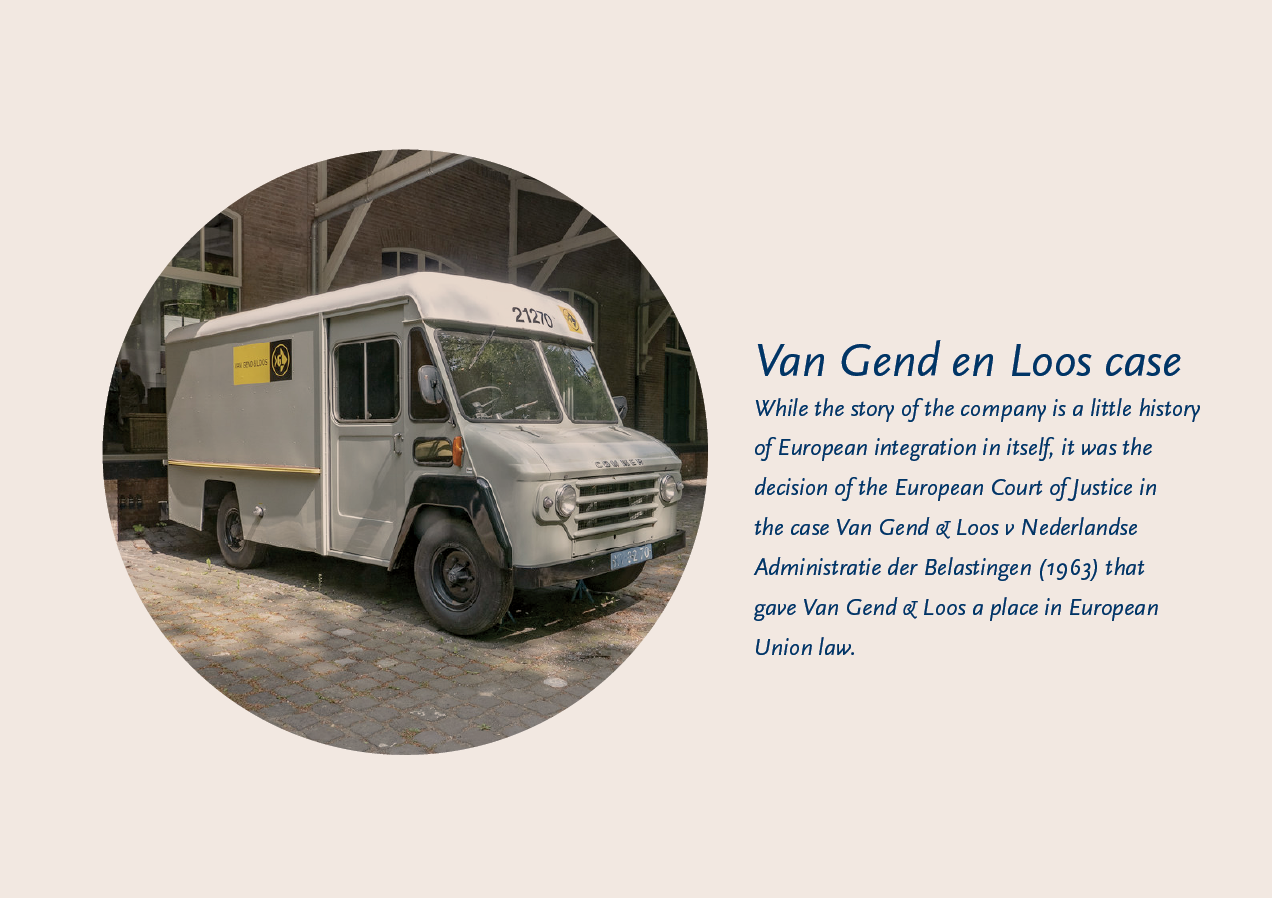
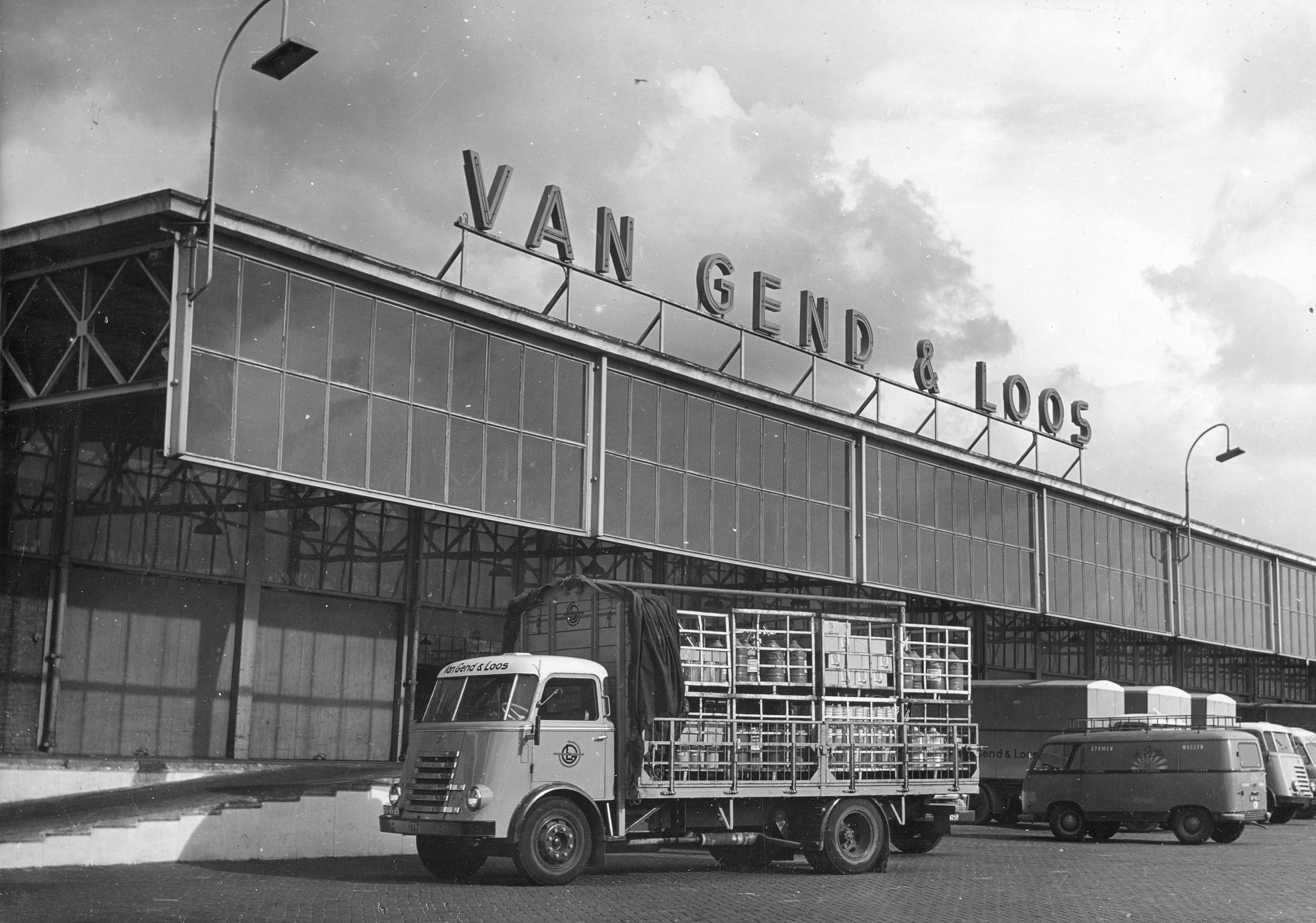
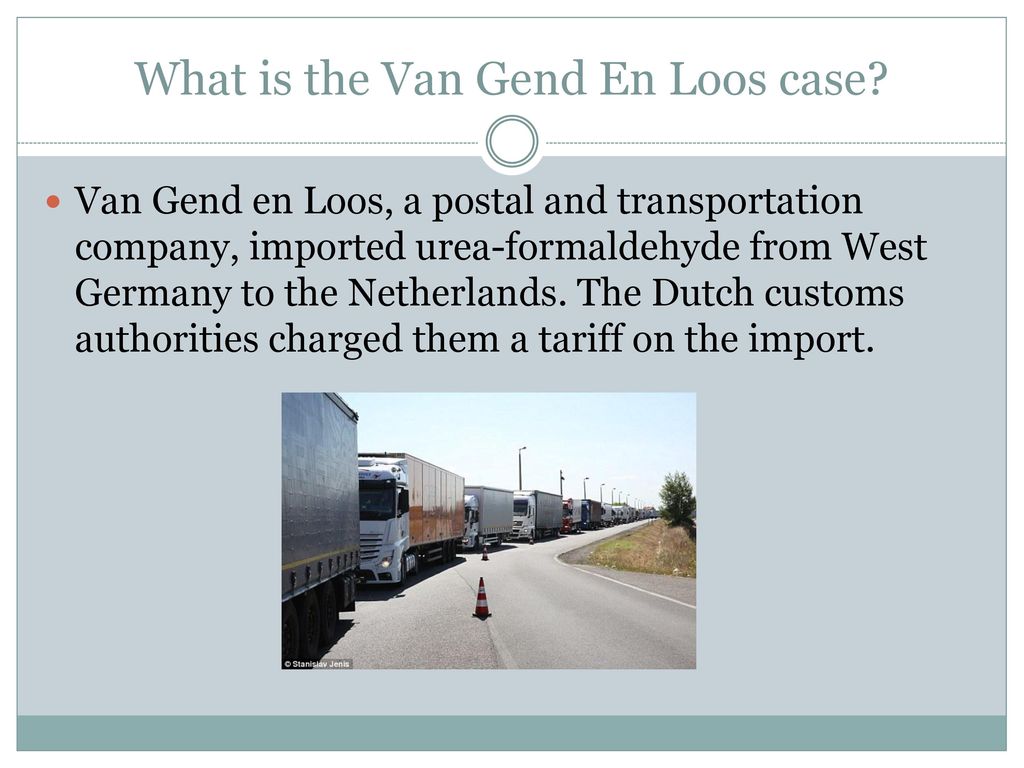
So, picture this: it's the early 1960s. Europe is trying to figure out this whole "integration" thing. Countries are hesitantly holding hands, promising to play nice, but also kinda keeping an eye on each other to make sure nobody cheats. Enter Van Gend en Loos, a Dutch transport company. They import chemicals from West Germany into the Netherlands. Sounds exciting, right? Sarcasm alert.
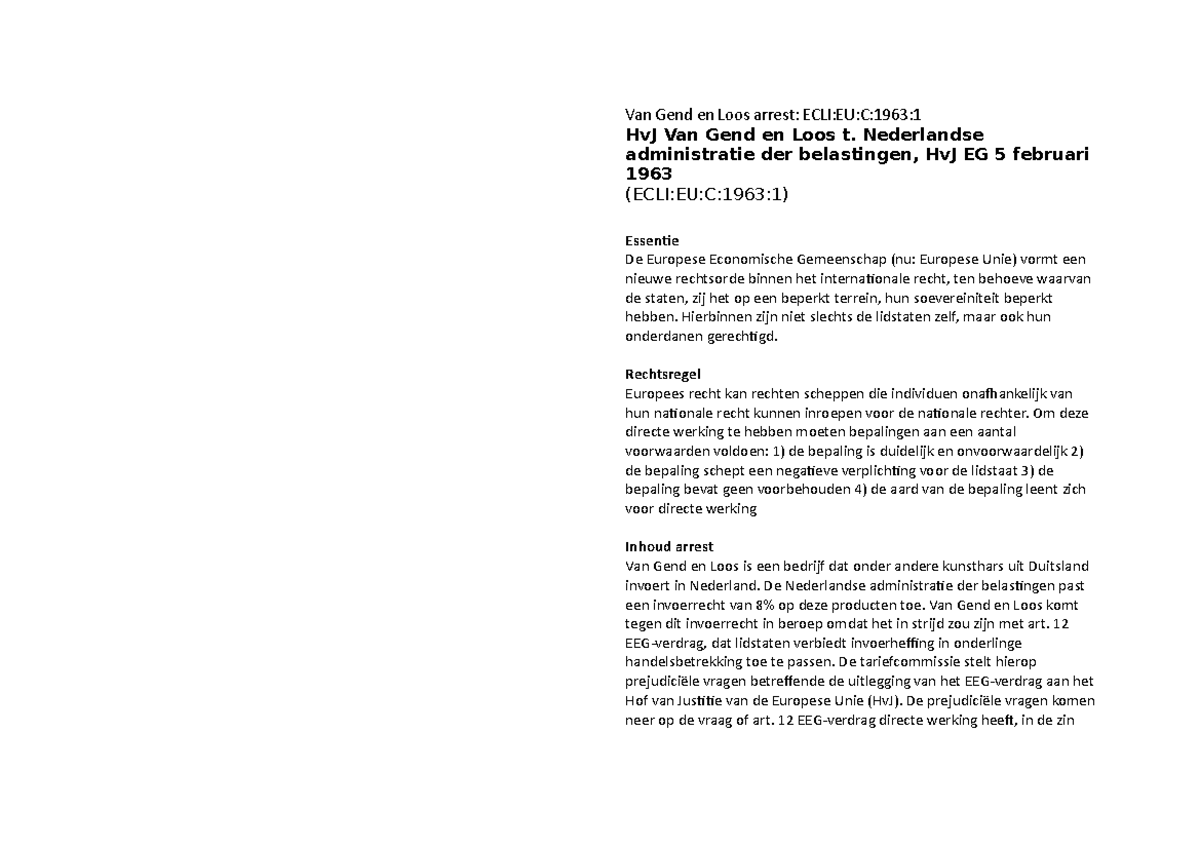
But wait! The Dutch customs authorities decide to whack a new import tariff on these chemicals. Van Gend en Loos aren't thrilled. (Who would be, honestly?) They believe this new tariff violates a key part of the Treaty of Rome – the agreement that basically birthed the European Economic Community (the precursor to the EU).
Here's where it gets interesting. Van Gend en Loos decide to fight back. They challenge the tariff in the Dutch courts. Now, here's the tricky bit: the Dutch court isn't entirely sure what to do. This is a brand new legal area. Can a company – a private company – actually rely on a European treaty to challenge a national law? It's a HUGE question. It's like asking if your pet goldfish can suddenly start filing lawsuits.
So, the Dutch court does the sensible thing: it refers the question to the European Court of Justice (ECJ), which is the highest court in the European Union (then the EEC). Think of it as the Supreme Court, but for Europe. And boy, did the ECJ's answer shake things up.
The ECJ's Groundbreaking Decision
The ECJ, in a move that sent legal scholars scrambling for their textbooks (and probably gave a few national governments a collective heart attack), declared that the Treaty of Rome created a "new legal order." What does that even mean? Well, it means that European law isn't just something for countries to deal with. It also creates rights for individual citizens and companies. Direct effect, baby!
In other words, you – yes, you reading this right now – can directly rely on European law in your national courts, even against your own government. BAM! Mind blown? It should be! This is a HUGE deal. This is like discovering that your Netflix subscription also gives you superpowers.
Before Van Gend en Loos, the understanding was that international treaties were mostly about relationships between states. Citizens were kinda on the sidelines. The ECJ flipped the script. It said that European law wasn't just about trade deals and political alliances; it was about people. It was about giving them real, enforceable rights.
Why Should You Care?
Okay, so maybe you're not planning on importing chemicals from Germany anytime soon. (Unless you're secretly a mad scientist, in which case, go for it!) But the Van Gend en Loos case has implications for everyone.

Think about it. Every time you book a flight and your airline messes up, you might be able to rely on EU passenger rights. Every time you buy something online and it's faulty, you might be able to rely on EU consumer protection laws. Every time your personal data is mishandled, you might be able to rely on the GDPR (the EU's data protection regulation). All of these are based on the principle that EU law creates rights for individuals, a principle directly linked to the Van Gend en Loos judgment.
Without Van Gend en Loos, those rights might not exist. Seriously. It's that important. It's like the legal foundation upon which a lot of our everyday rights are built.
And it's not just about specific rights. It's also about the bigger picture. Van Gend en Loos established the principle of supremacy of EU law. This means that, in certain areas, EU law takes precedence over national law. This helps ensure that the single market works properly and that everyone is playing by the same rules. (Imagine a football match where each team gets to make up its own rules. Chaos, right?)
The Legacy of a Dutch Transport Company
So, what's the takeaway here? Is it that you should memorize the Treaty of Rome? Nah. (Unless you're into that sort of thing, no judgement!) Is it that you should start challenging every law you disagree with? Probably not the best idea. (Unless you're a lawyer, then maybe it is your job!)
The real takeaway is this: one small company, facing what seemed like a minor trade dispute, helped to reshape the entire legal landscape of Europe. They stood up for their rights, and in doing so, they helped to create a system where individuals have a real voice.
Isn't that kinda inspiring? It shows that even seemingly insignificant actions can have a huge impact. It shows that the law isn't just some abstract thing that happens in courtrooms; it's something that affects all of us, every single day.
Van Gend en Loos reminds us that we're not powerless. We have rights. We have a voice. And sometimes, all it takes is one person, or one company, to stand up and say, "This isn't right," to change the world.
So, the next time you're feeling overwhelmed by the complexities of the world, remember Van Gend en Loos. Remember that even the smallest of us can make a difference. And maybe, just maybe, consider brushing up on your EU law. You never know when it might come in handy! 😉
Feeling inspired? Want to dive deeper into the wonderful (and sometimes weird) world of EU law? There are tons of resources out there! Check out the European Union's website, explore legal databases, or even consider taking a course on European integration. The more you know, the more empowered you are! And who knows, maybe you will be the next Van Gend en Loos, standing up for your rights and making the world a better place.


.jpg)