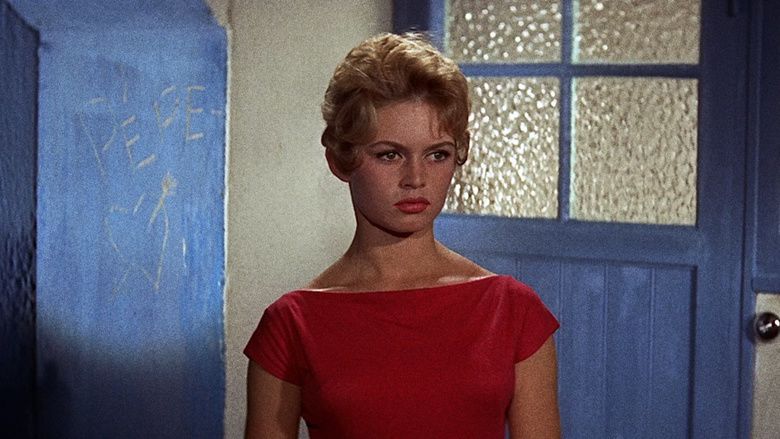
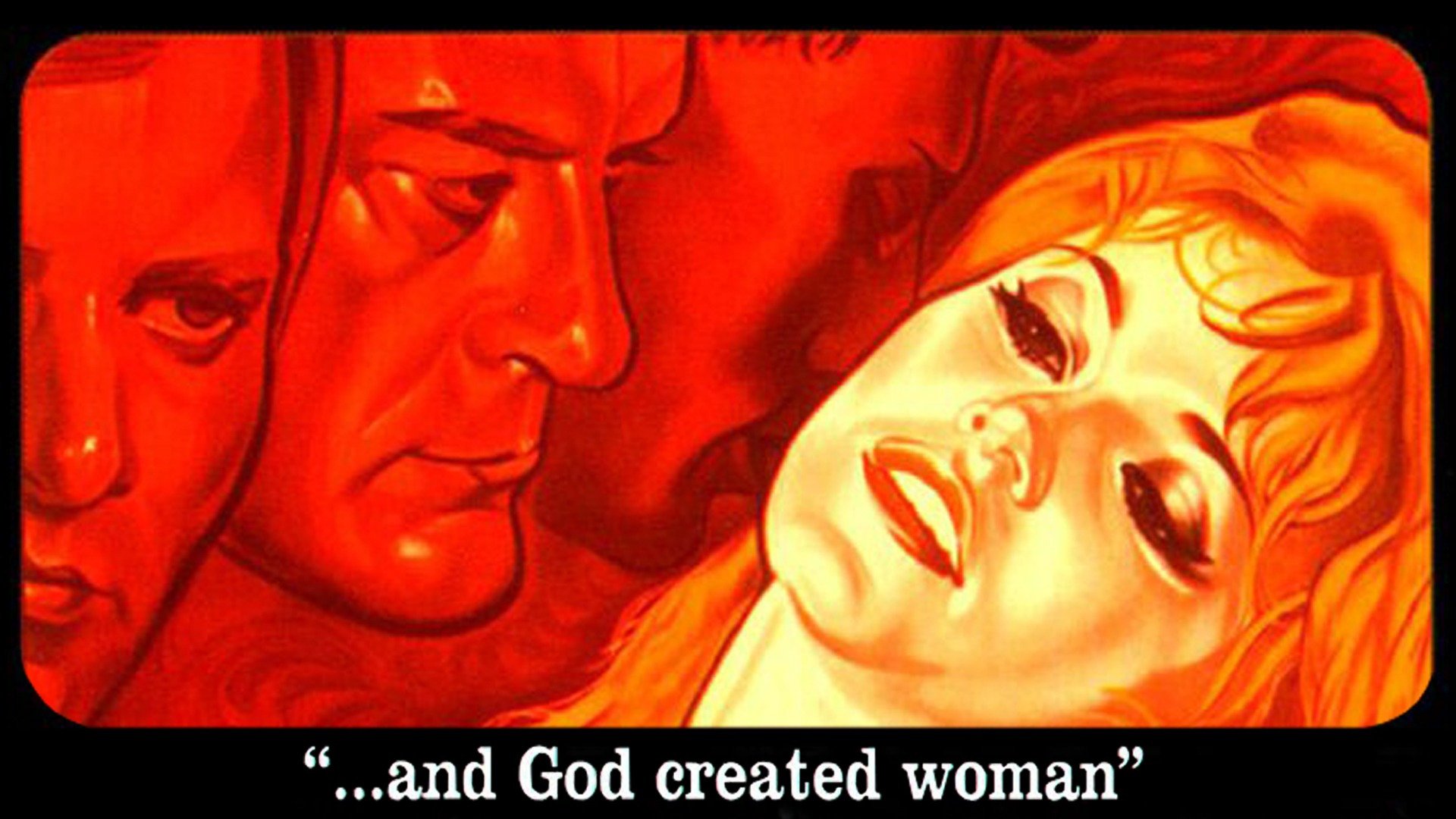
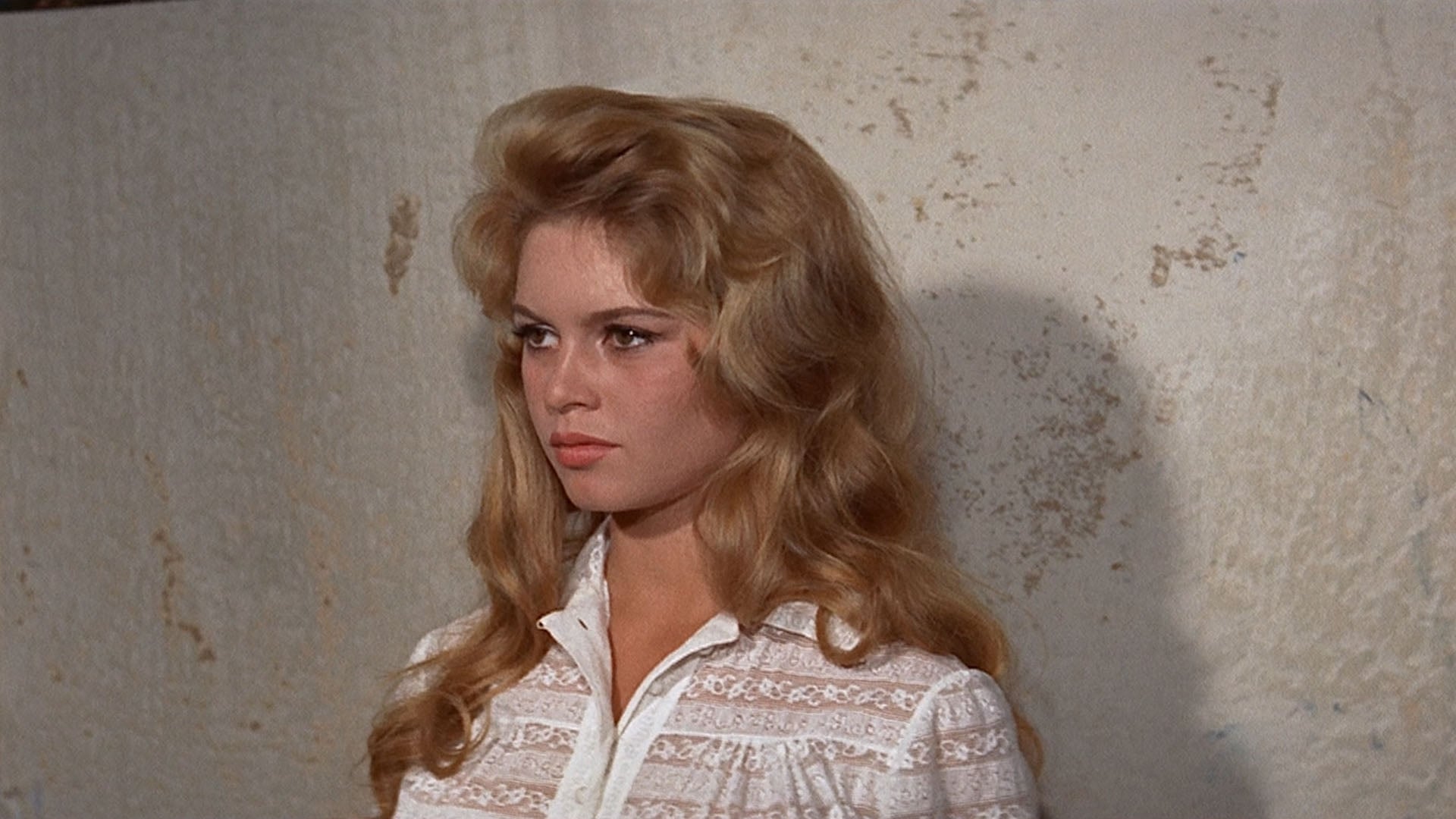
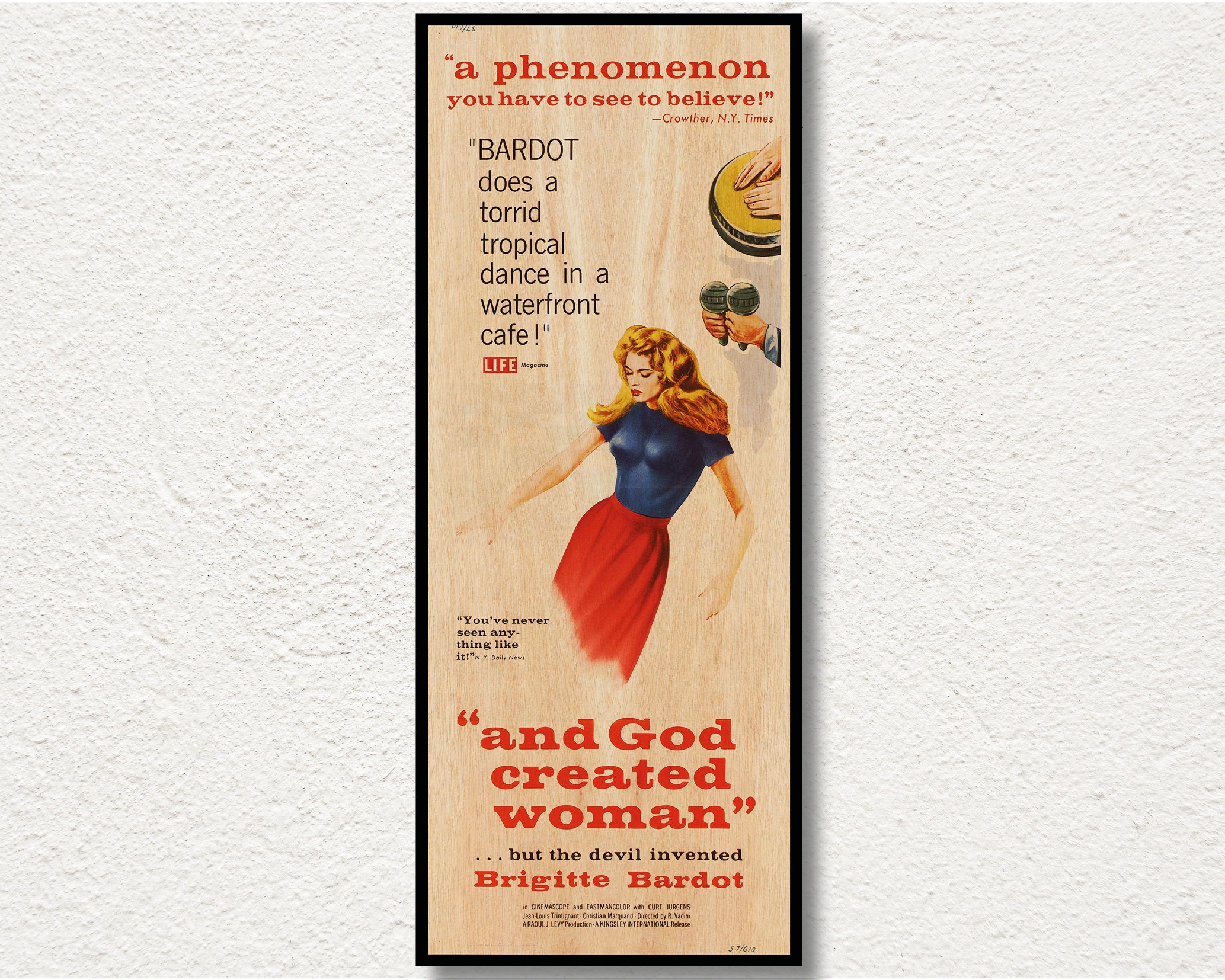
Okay, picture this: I'm at a vintage market, right? Digging through boxes of old postcards, and I stumble upon this faded beauty. It's Brigitte Bardot, tousled hair, smoldering gaze, and that iconic gingham dress. Instantly, I'm transported. I think, “Wow, that’s the image of the 1950s in France!” But then I remember, it's way more than just a pretty picture. It’s a cultural bomb, a seismic shift in how women were perceived on screen. And it all started with a movie: Et Dieu… créa la femme (And God Created Woman), 1956.
What’s so special about this film? Well, buckle up, mes amis, because we're about to dive into the cinematic waters of Saint-Tropez and dissect this little piece of movie history. Prepare for some serious 50s nostalgia!
Bardot Bombshell: More Than Just a Beach Babe
Brigitte Bardot. Just saying the name conjures images of effortless cool, rebellious spirit, and… well, sex appeal. But before she was the BB, she was just a young actress, albeit a stunningly beautiful one. Et Dieu… créa la femme launched her into the stratosphere of international stardom. It wasn't just about her looks, though. (Although, let's be honest, that helped!) It was about the character she portrayed: Juliette Hardy.
Juliette was… complicated. A free spirit in a rigidly conformist society. A girl who wanted to live by her own rules, even if those rules shocked the good citizens of Saint-Tropez. Think of her as a proto-feminist, years before the movement really took off. She craved affection, but not in the way society dictated. She was impulsive, reckless, and undeniably magnetic.
Director Roger Vadim (who, by the way, was Bardot's husband at the time – talk about blurring the lines between reel and real life!) captured her essence perfectly. He didn't shy away from her sexuality; in fact, he celebrated it. And that, my friends, was radical for 1956.
The Plot Thickens (or, Doesn't Really)
Okay, let's be real. The plot isn’t exactly Shakespeare. It's fairly simple. Juliette, a young woman with a scandalous reputation, is about to be sent back to an orphanage. Three men vie for her attention: Antoine Tardieu, a rebellious and brooding young man; Eric Carradine, a wealthy and older businessman; and Michel Tardieu, Antoine's more level-headed brother. She ends up marrying Michel to stay in Saint-Tropez, but of course, complications ensue. (Because what's a good French film without a little amour drama?)

Here's the breakdown:
- Juliette: The girl who just wants to have fun (and maybe some love, too).
- Michel: The dependable, somewhat boring husband. (Sorry, Michel!)
- Antoine: The hot-tempered brother with a passion for Juliette (and a penchant for brawls).
- Eric: The older, richer guy who thinks he can buy Juliette’s love. (Spoiler alert: he can’t.)
The story is almost secondary to the atmosphere and the character of Juliette. It's more about capturing a feeling, a mood, a sense of freedom (or the lack thereof). Think of it less as a tightly plotted thriller and more as a snapshot of a particular time and place.
Scandal! (and Why It Mattered)
The film was a sensation. Not just in France, but internationally. It was a box-office hit, but it also sparked controversy. Some critics were horrified by the depiction of female sexuality. They saw Juliette as immoral, irresponsible, and a bad influence. (Imagine the pearl-clutching! You can almost hear the collective gasp of disapproval!) Other viewers, however, saw her as a symbol of liberation, a woman who dared to break free from the constraints of societal expectations.

But why the fuss? What was so scandalous about a woman being… well, alive?
- Sexuality on Screen: Before Et Dieu… créa la femme, female characters were often portrayed as either demure and innocent or overtly villainous. Juliette was neither. She was simply… herself. And that was considered shocking.
- Challenging Social Norms: The film questioned traditional ideas about marriage, family, and female roles in society. It dared to suggest that women might have desires and ambitions beyond simply being good wives and mothers.
- Bardot's Performance: Bardot brought a raw, natural quality to the role. She wasn't afraid to be vulnerable, flawed, or even a little bit messy. This authenticity resonated with audiences. (And let's face it, the dancing on the table didn't hurt either!). I mean, can you think of another movie where the female protagonist is allowed to be so… unruly?
The scandal, in a way, proved the film's point. It highlighted the hypocrisy and the double standards that women faced. It showed how a woman who dared to be different could be demonized and judged.
Lasting Legacy: The Birth of the "Sex Kitten"
Et Dieu… créa la femme did more than just make Brigitte Bardot a star. It helped to define a new archetype: the "sex kitten." This was a woman who was playful, provocative, and unapologetically sexual. Think of Marilyn Monroe, Jayne Mansfield, and, of course, BB herself.

But the film's influence extended beyond just fashion and pop culture. It paved the way for more complex and nuanced portrayals of women in film. It showed that female characters could be both strong and vulnerable, independent and emotional. It pushed the boundaries of what was considered acceptable on screen and helped to usher in a new era of cinematic storytelling.
Of course, the "sex kitten" archetype also had its drawbacks. It could be seen as objectifying women and reducing them to mere sex objects. But it's important to remember the context in which it emerged. In the 1950s, it was a radical act for a woman to embrace her sexuality and to challenge traditional gender roles. Juliette Hardy was a trailblazer, whether she intended to be or not.
Why You Should Still Watch It Today
So, should you add Et Dieu… créa la femme to your watchlist? Absolutely! It's not just a piece of cinematic history; it's a fascinating glimpse into a bygone era. It's a reminder of how far we've come in terms of gender equality, and how much further we still have to go.

Here's why you should check it out:
- Brigitte Bardot: Need I say more? Her performance is captivating, and she embodies the spirit of the film perfectly.
- The Atmosphere: The film beautifully captures the sunny, sensual atmosphere of Saint-Tropez in the 1950s. It's like taking a mini-vacation to the French Riviera.
- The Controversy: It's always interesting to see what caused a stir in the past. It gives you a better understanding of the social and cultural context.
- The Fashion: From Juliette's iconic gingham dress to the stylish sunglasses and headscarves, the film is a feast for the eyes.
- The Questions It Raises: The film still raises relevant questions about female identity, sexuality, and freedom. It's a conversation starter, even today.
So, next time you're looking for a classic French film to watch, give Et Dieu… créa la femme a try. You might be surprised by what you discover. And who knows, you might even find yourself channeling your inner Brigitte Bardot. (Just don't blame me if you end up dancing on a table!) After all, as Juliette Hardy herself might say: "C'est la vie!"
Now if you excuse me, I need to go and search for a gingham dress myself! Au revoir!