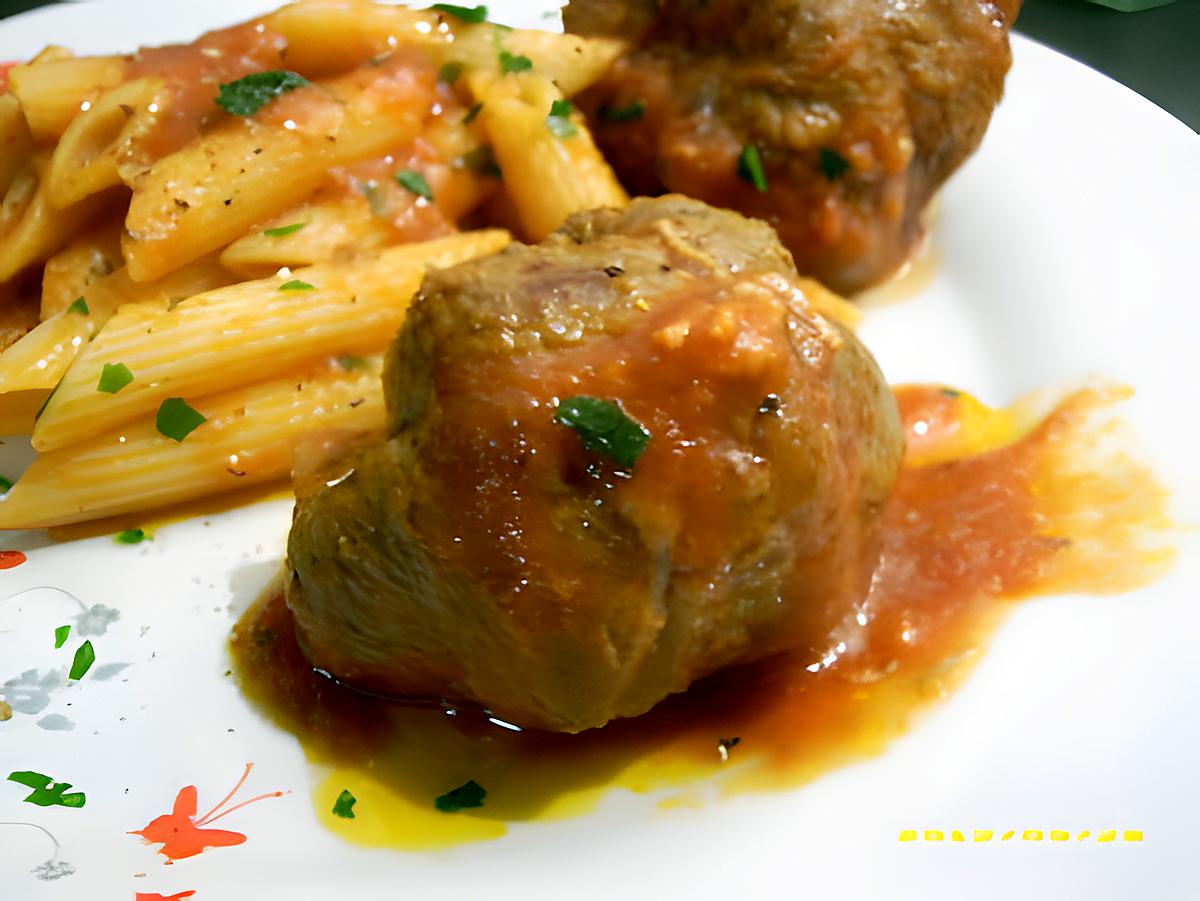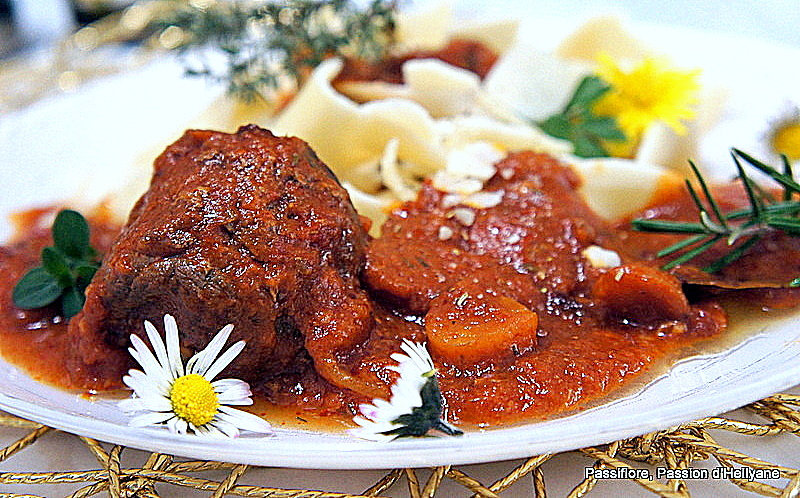
Okay, picture this: I'm at this ridiculously charming little bistro in the middle of nowhere, Provence. Seriously, think cobblestone streets, overflowing flower boxes, and that sun-drenched golden light that makes everything look like a postcard. The waiter, bless his heart, barely speaks English, and my French vocabulary consists mainly of "Bonjour," "Merci," and "Vin rouge, s'il vous plaît." But I'm feeling adventurous! So, I point at something on the menu that looks vaguely poultry-related and hope for the best. What arrives is… well, let's just say it was an experience. An experience involving a bird with a distinct lack of head, and a sauce so intensely Provençal it practically smelled like sunshine and cicadas. That, my friends, was my first encounter with Alouette sans tête à la Provençale.
So, what is this mysterious dish, you ask? (And honestly, you should ask, because "headless lark, Provençal style" doesn't exactly scream culinary delight, does it?) Basically, it's a French country dish, a bit rustic, a bit…old-fashioned, but absolutely bursting with flavor. Forget your fancy foams and molecular gastronomy; this is food that your grandmother probably made (if your grandmother was French and really, really into larks).
The Headless Lark Lowdown
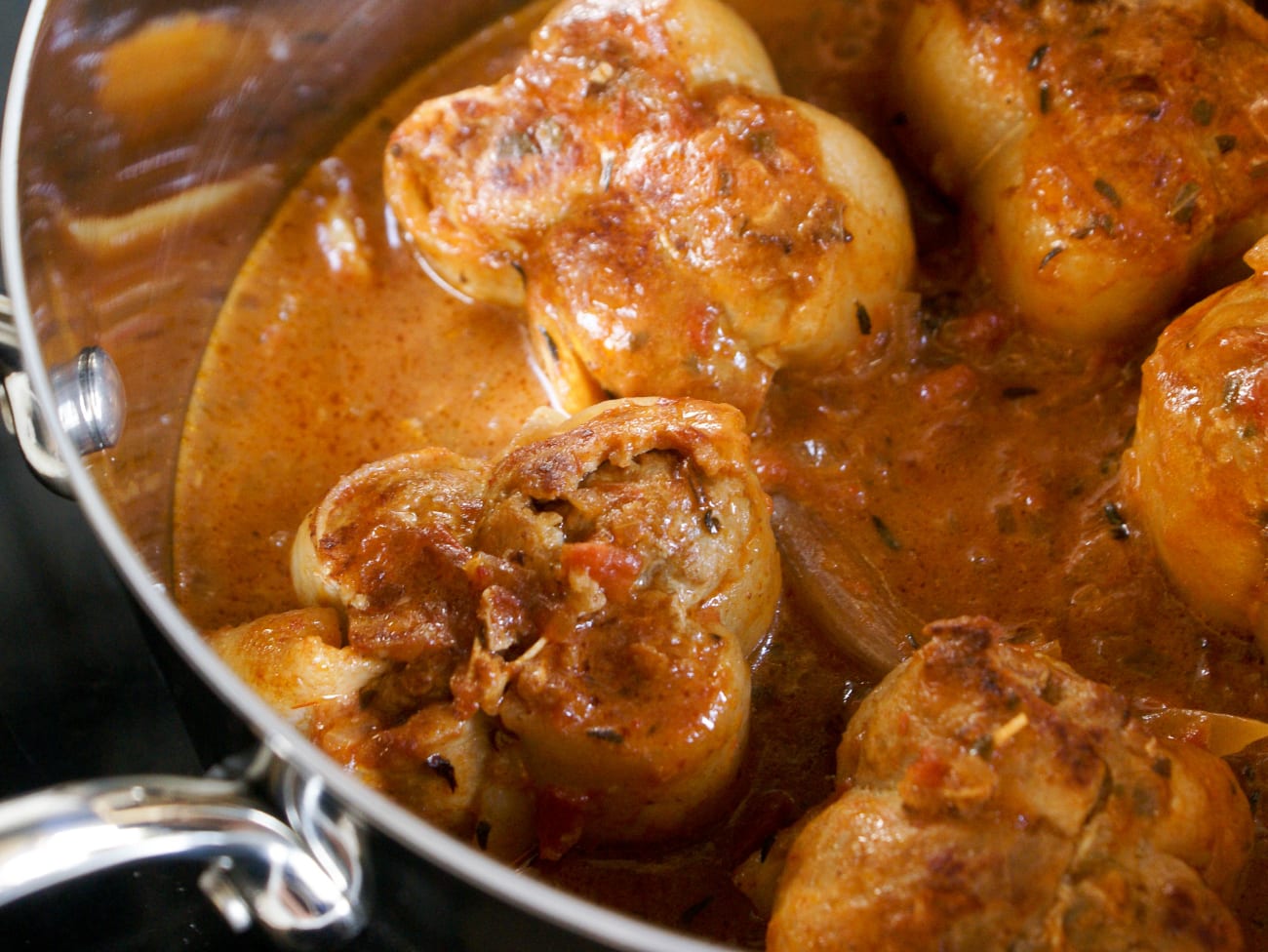
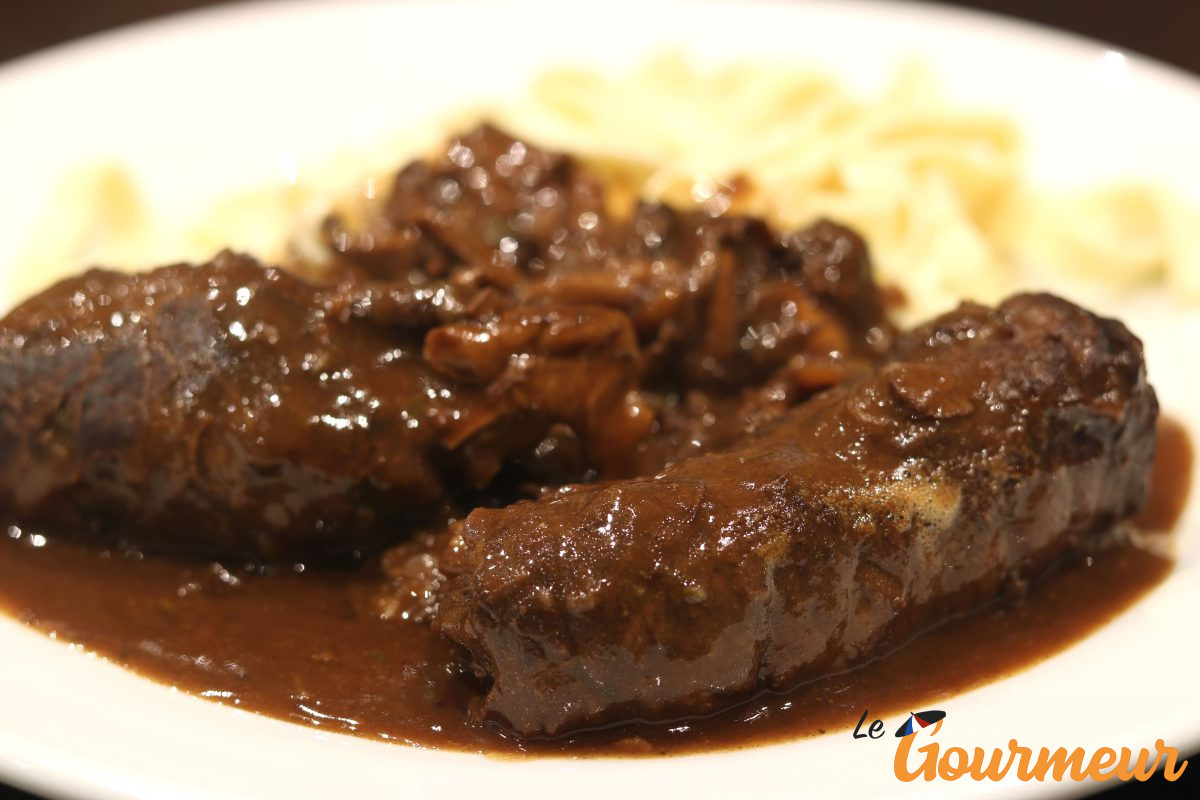
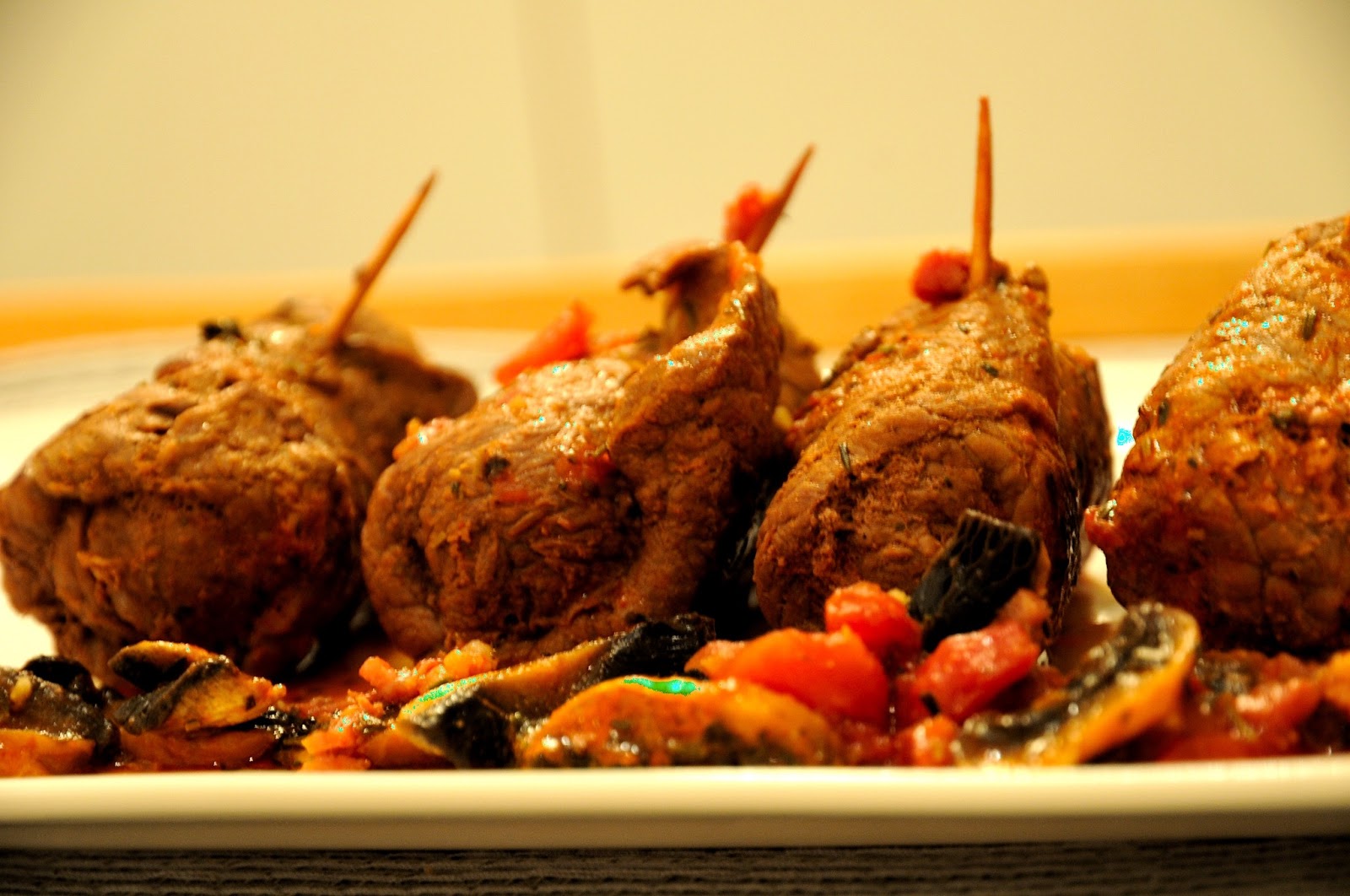
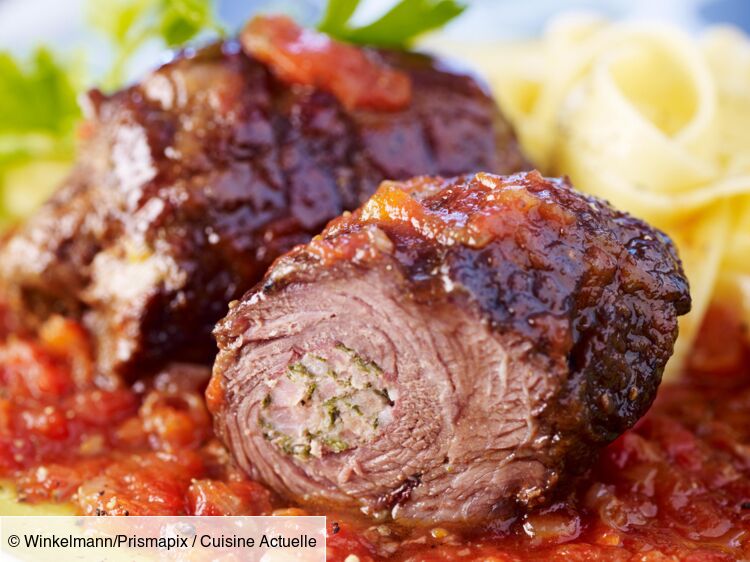
First things first: don't panic. You're not actually going to be eating a whole lark, head or no head. The name is a bit of a misnomer (though a rather dramatic one, I must admit). The "lark" in this case is usually a small, thin cut of beef – think flank steak or similar – that's been flattened, rolled up, and stuffed. Traditionally, veal or even a smaller bird WAS used. So the name is a reference to a bird that used to be. Think of it as a beef roll-up with serious ambitions.
The "headless" part? Well, that's because it's been rolled up so neatly, it resembles a bird without its head. (Okay, maybe you have to squint a little, and have a very active imagination. But work with me here!)
Provençal Power
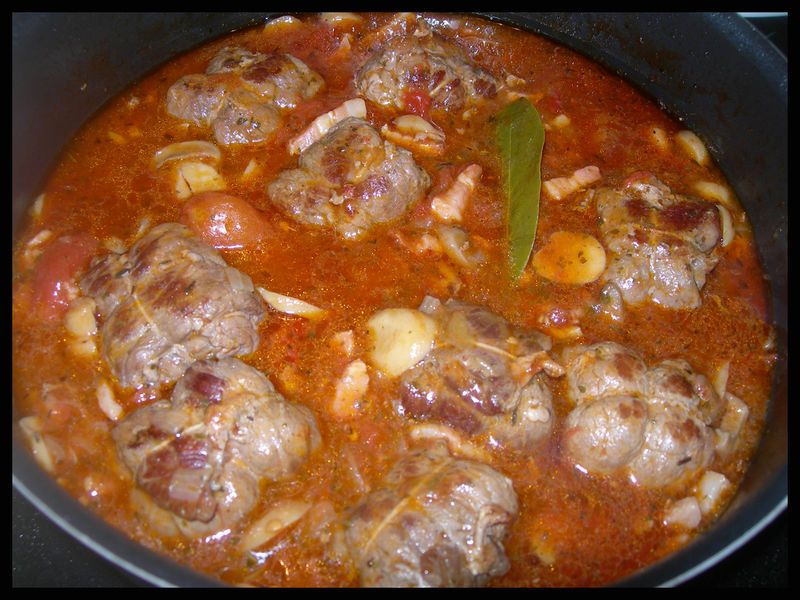
Now, for the magic ingredient: the à la Provençale part! This is where things get interesting. Provençal cuisine is all about celebrating the bounty of the region: sunshine, herbs, tomatoes, garlic, olives... all the good stuff. So, expect a rich, flavorful sauce brimming with:
- Tomatoes: Fresh, ripe, and bursting with sweetness (or canned, if it's not tomato season. We're not snobs here!)
- Garlic: Loads of it. Because, garlic. (Seriously, is there anything better than roasted garlic?)
- Herbs: Think herbes de Provence: thyme, rosemary, oregano, savory...the whole gang.
- Olives: Often black olives, adding a salty, briny kick.
- Olive oil: Duh. It's Provençal!
- Sometimes mushrooms: Adding an earthy depth.
All of these delicious things simmer together, creating a sauce that's intensely fragrant, deeply satisfying, and perfect for soaking up with crusty bread (which, let's be honest, is half the reason to eat this dish in the first place).

Why You Should Try It (Even Though It Sounds Weird)
Okay, I get it. "Headless lark" sounds a bit intimidating. And, sure, there are probably easier things to cook. But trust me on this one: it's worth the effort. Alouette sans tête à la Provençale is a taste of authentic French country cooking. It's a celebration of simple ingredients, slow cooking, and big, bold flavors. It's the kind of dish that makes you feel warm and fuzzy inside, even if you're not quite sure what you're eating. (And, hey, isn't that half the fun of traveling, anyway?)
So, next time you're feeling adventurous, or just want to impress your friends with your newfound culinary knowledge, give Alouette sans tête à la Provençale a try. You might just surprise yourself. And who knows, you might even become a headless lark convert! Bon appétit! (And don't worry, you don't actually have to remove any heads. Unless you're really dedicated to authenticity, of course.)





![[Week-end] Les alouettes sans tête de Chez Madie Les Galinettes](https://www.lamarseillaise.fr/binrepository/768x576/0c72/768d432/none/150910102/EJXV/img-2492_542-6100917_20221002092235.jpg)