Okay, so picture this: Tante Ginette, bless her heart, lived a long and colourful life. When she passed, we were all a bit surprised to find out she’d spent her last few years in a lovely, but let's be real, expensive, retirement home. Turns out, she’d been getting help from the "Aide Sociale à l'Hébergement" (ASH). Now, nobody batted an eye at first. Then the lawyer mentioned something about… inheritance… and… récupération? Suddenly, the inheritance everyone was vaguely anticipating felt a little less certain. (Ever get that feeling? Yeah, me too.) That’s when the fun – and by fun, I mean frantic Googling – started. So, let’s dive into this whole "Aide Sociale à l'Hébergement" recovery thing, shall we?
What Exactly Is Aide Sociale à l'Hébergement?
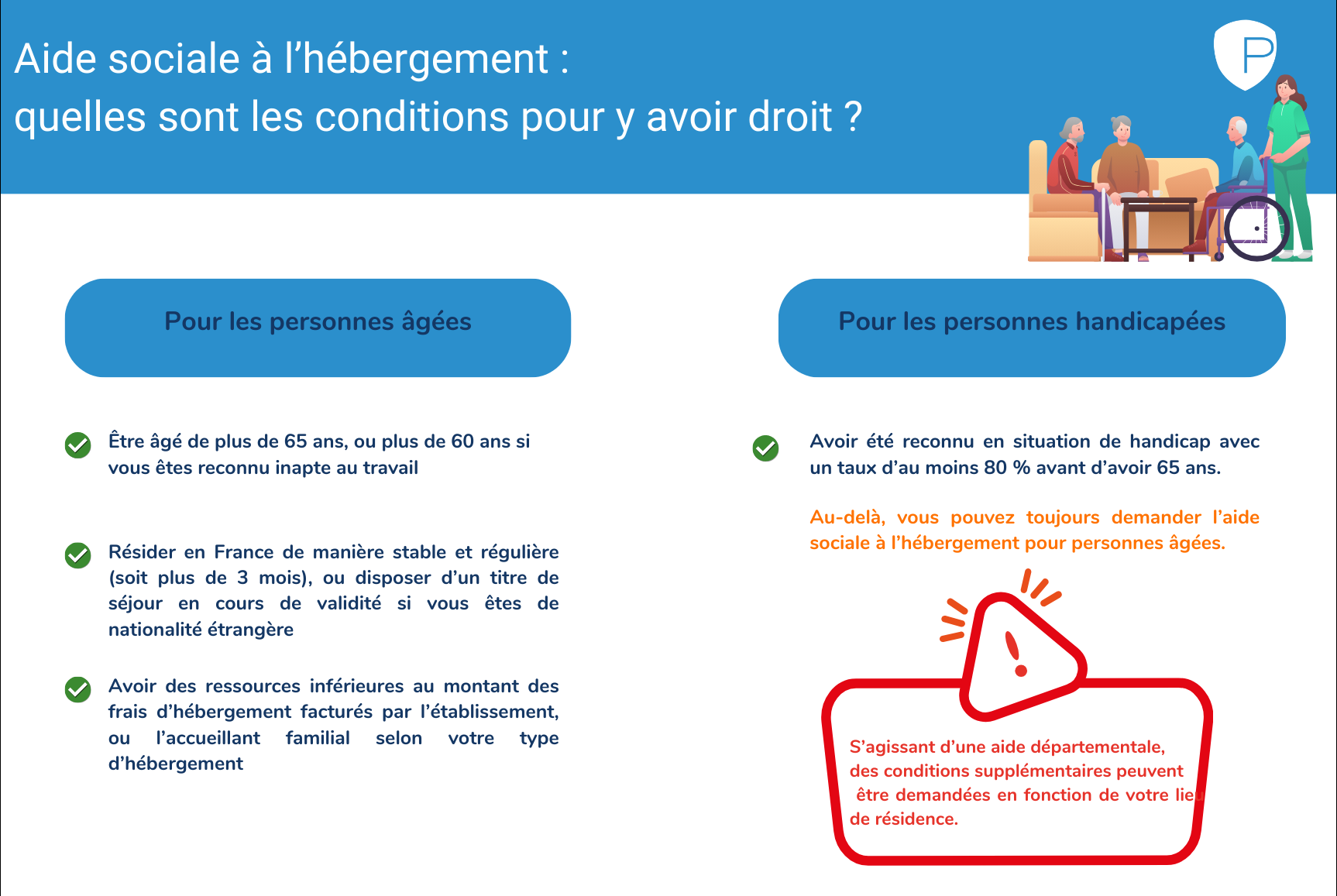
Alright, let's break this down for those of us who aren't fluent in legal jargon (which is, let's face it, most of us). The Aide Sociale à l'Hébergement (ASH) is basically a financial assistance program in France designed to help people with limited resources pay for their accommodation in certain types of residences, like:
- EHPADs (Établissements d'Hébergement pour Personnes Âgées Dépendantes) – the fancy name for retirement homes with medical care.
- USLDs (Unités de Soins de Longue Durée) – long-term care units, usually within a hospital setting.
- And sometimes, even some family foster care situations.
So, if someone can't afford the full cost of their care in one of these places, the ASH can step in and cover part of the bill. Think of it as a social safety net, ensuring that everyone has access to dignified care, regardless of their financial situation. Pretty noble, right? But there's always a catch, isn't there? (You knew it was coming!)
The Catch: Récupération Sur Succession
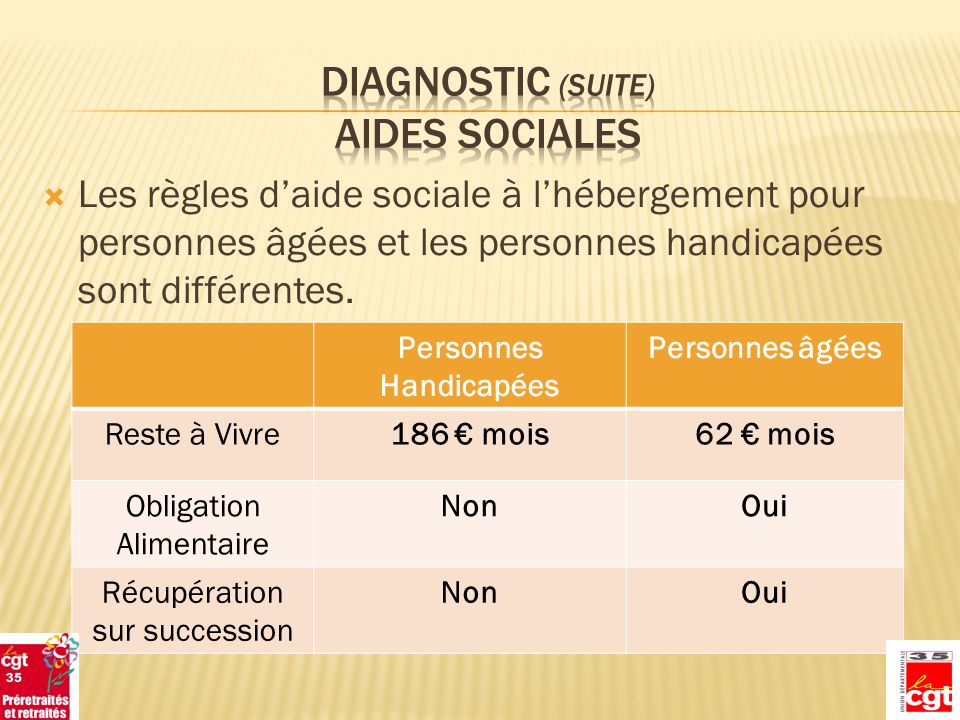
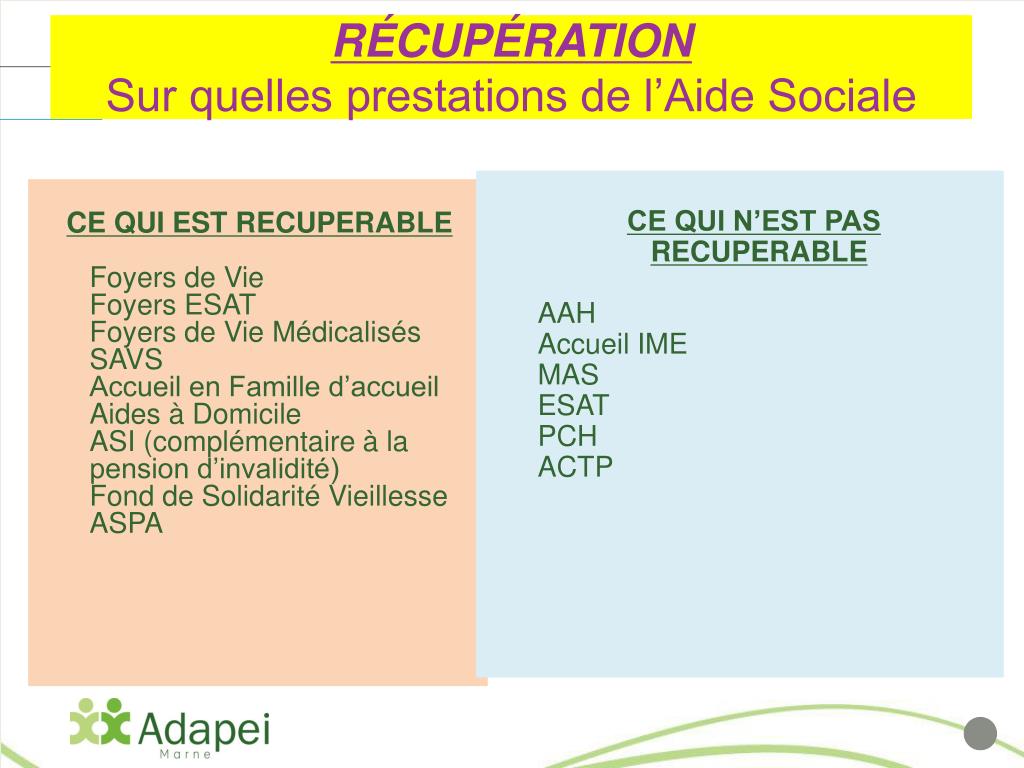
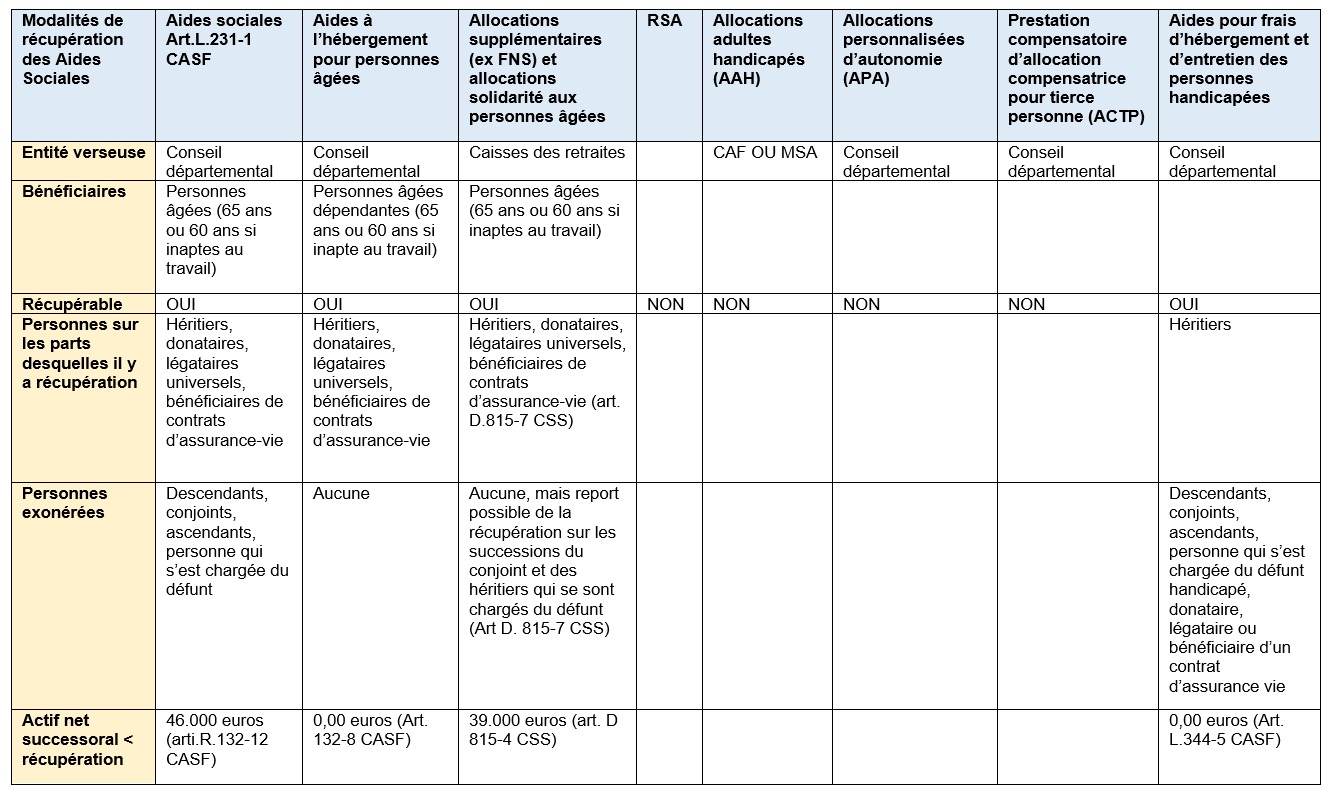
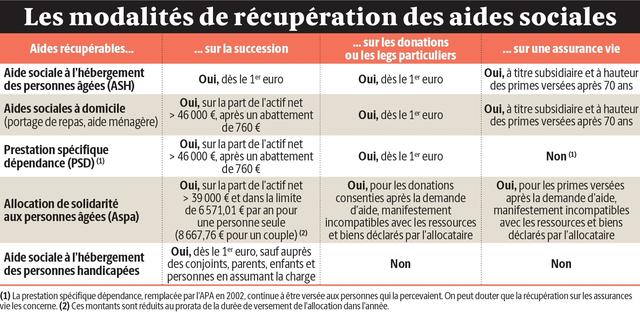
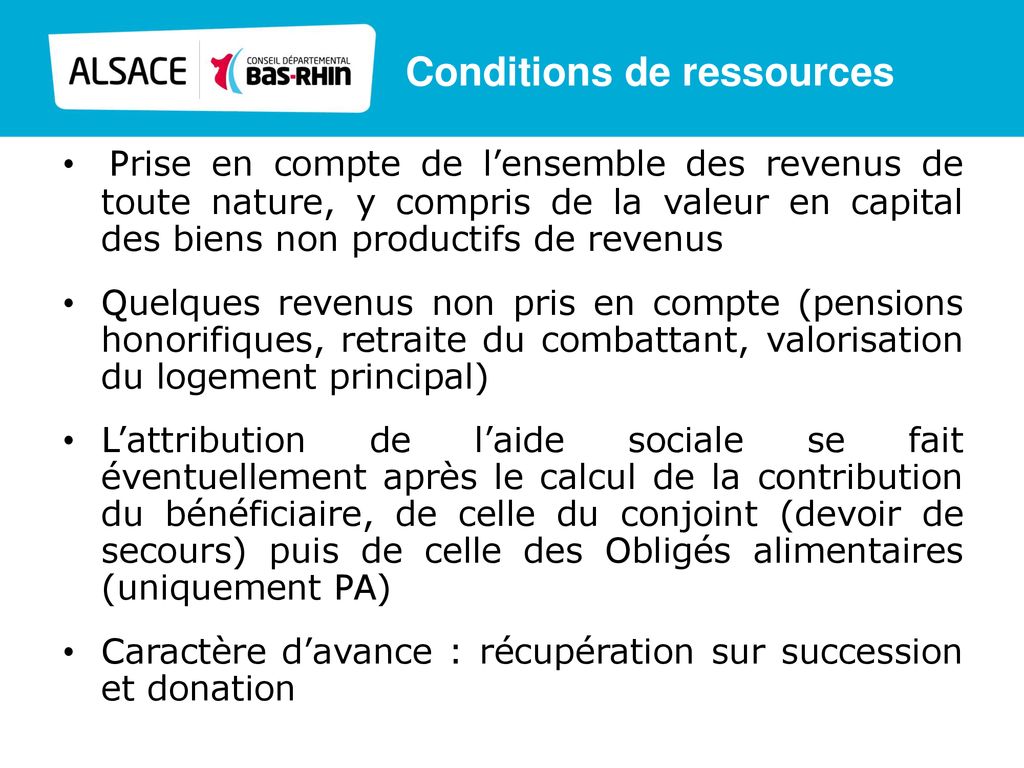
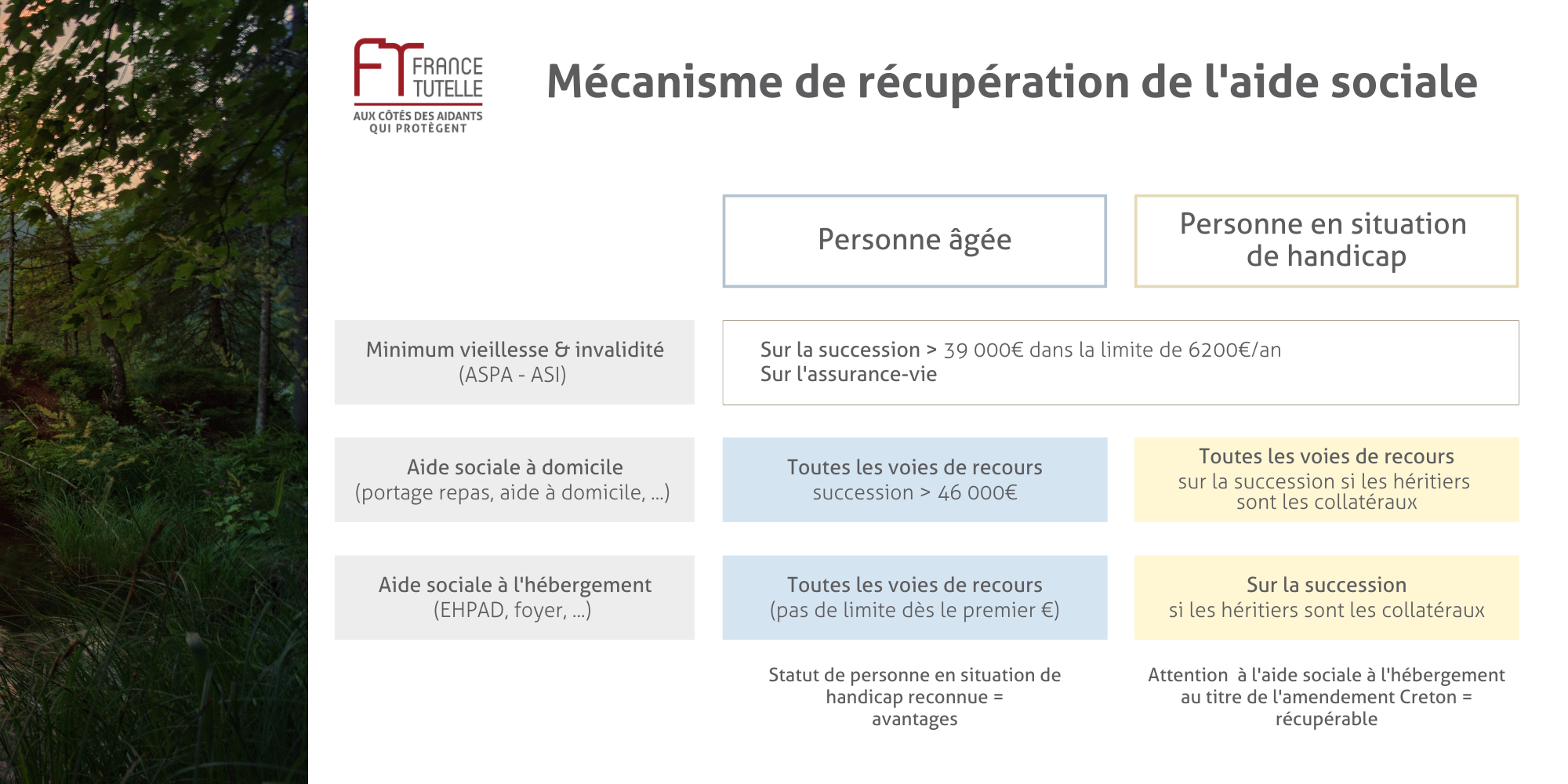
Here's where things get a little… complicated. The government, or rather, the département (local administrative area) that provided the ASH, has the right to recover the funds they paid out after the person who received the assistance passes away. This is called "récupération sur succession" – recovery from the estate. So, remember that inheritance? Yeah, it might be used to repay the ASH.
Who's Affected? Not Everyone, Thankfully!
Now, before you start panicking and picturing your entire inheritance vanishing into thin air, it's important to know that this recovery isn't automatic and doesn't apply in all cases. There are rules, limitations, and exemptions. Yay for rules! (Sometimes.)

The recovery generally targets the estate of the deceased person. This means things like:
- Real estate (houses, apartments, land)
- Bank accounts
- Investments (stocks, bonds, etc.)
- And sometimes, even personal property of significant value.
However, certain things are usually exempt, such as:
- The family home, if the spouse, children, or certain other protected relatives still live there. (More on this later!)
- Small amounts of personal belongings. They're not going to come after Aunt Ginette's porcelain cat collection, probably.
The "Who Still Lives There" Exception: A Crucial Detail
This is a big one! If the spouse, children, or ascendants (parents or grandparents) of the deceased person still live in the family home, the recovery of ASH funds is often deferred, meaning it doesn't happen immediately. It might be postponed until these individuals also pass away or move out. This is designed to protect vulnerable family members and ensure they aren't forced to sell their home just to repay the ASH.
Important Note: There are specific conditions that need to be met for this exemption to apply, so it's always best to consult with a legal professional to understand your individual situation. Don't just take my word for it! (I'm just a friendly internet stranger, after all.)
The Amount Recovered: How Much Are We Talking About?
The amount recovered is typically limited to the total amount of ASH that was paid out to the deceased person. They can't just grab everything! The département will calculate the total amount of assistance provided and then try to recover that amount from the estate. Sometimes, though, there are negotiated settlements, especially if the estate is small or if there are compelling reasons to reduce the amount recovered.
The Process: How Does It All Work?
Okay, so here's a simplified overview of the process:
- Death Occurs: Obviously.
- Notaire Involved: The notary handling the estate will typically inform the département about the death and the existence of an estate.
- Département Claims: The département will then file a claim for the recovery of ASH funds.
- Assessment of the Estate: The notary will assess the value of the estate to determine if there are sufficient assets to cover the ASH claim.
- Negotiation (Maybe): Sometimes, there's room for negotiation regarding the amount to be recovered.
- Payment: If there are sufficient assets, the ASH claim is paid out of the estate.
- Inheritance: What's left (if anything!) is then distributed to the heirs according to the will or the laws of intestacy (if there's no will).
Strategies and Considerations
Now that you're thoroughly confused (sorry!), let's talk about some things to keep in mind and potential strategies:
- Early Planning: This is the best strategy, but it's often too late by the time you're reading this. Talking to a financial advisor and a lawyer before needing the ASH can help you explore options for protecting assets.
- Documentation is Key: Keep accurate records of any financial assistance received. This will make the process much smoother later on.
- Seek Legal Advice: I cannot stress this enough. Every situation is unique, and a lawyer specializing in inheritance law can provide tailored advice and represent your interests. (Seriously, don't skip this step!)
- Consider Life Insurance: Life insurance policies can provide a source of funds to cover potential ASH recovery claims, allowing heirs to receive a larger inheritance.
- Negotiation is Possible: Don't be afraid to negotiate with the département, especially if the estate is small or if there are extenuating circumstances.
- Understanding the Applicable Laws: French inheritance law can be complex, so make sure you understand your rights and obligations.
Final Thoughts
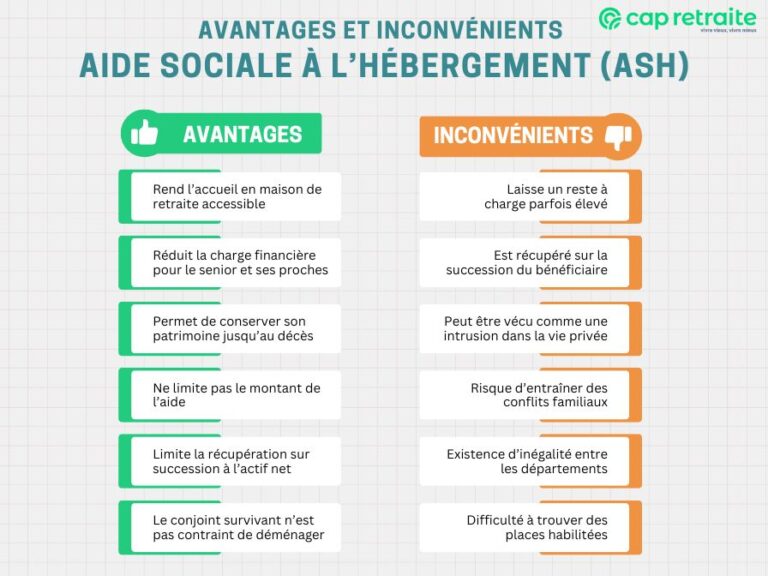
The "récupération sur succession" of Aide Sociale à l'Hébergement can be a daunting topic, but understanding the basics can help you navigate the process more effectively. Remember, it's not always a certainty, and there are often exemptions and ways to mitigate the impact. The key is to be informed, seek professional advice, and be prepared to advocate for your rights. And maybe, just maybe, Aunt Ginette's porcelain cats will be safe after all! (Well, at least they won't come after them to pay the ASH!)
So, there you have it. My attempt to demystify the sometimes scary world of ASH recovery. I hope this helped! Now, if you'll excuse me, I'm going to go Google "best inheritance lawyers in France." Just in case… (You know, for purely research purposes…)