Okay, so picture this: I'm at a pizza party. (Yes, even I, a supposedly math-literate being, get invited to parties… sometimes). There's half a pepperoni pizza left, and a third of a veggie pizza. My stomach is rumbling. The burning question: how much pizza total is left? Can I even handle it? This, my friends, is where fractions with different denominators become VERY important. It’s not just some dusty old math concept!
You see, you can't just slap those fractions together and hope for the best. That's like trying to assemble IKEA furniture without the instructions (we’ve all been there, haven’t we?). It's going to end badly. Trust me.
Why the Fuss About Different Denominators?
Think of the denominator as the size of the slice. You have slices that are halves (1/2) and slices that are thirds (1/3). They're different sizes! You can’t just add them directly. It's like adding apples and oranges... mathematically speaking, of course.
The Secret Ingredient: Finding a Common Denominator
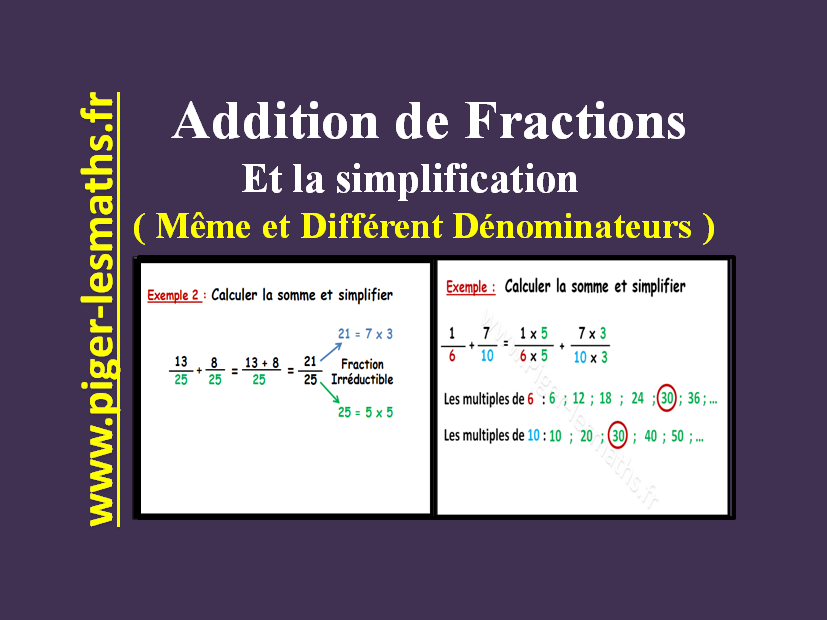
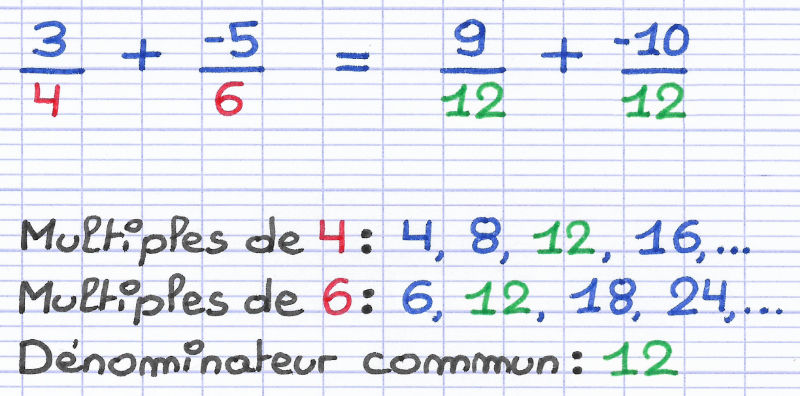
Here's the key: We need to make those slices the same size. We need a common denominator. It’s like finding a unit of measure that works for both. The easiest way to do this? Find the least common multiple (LCM) of the denominators.
Let's break it down:

- Identify the denominators: In our pizza example, they're 2 (for 1/2) and 3 (for 1/3).
- Find the LCM: What's the smallest number that both 2 and 3 divide into evenly? It's 6! (2 x 3 = 6, and in this case, multiplying works perfectly. Sometimes it's a bit more complex, requiring you to list out multiples). Remember your multiplication tables, people! They are useful even outside of grade school.
Making the Fractions Friendly
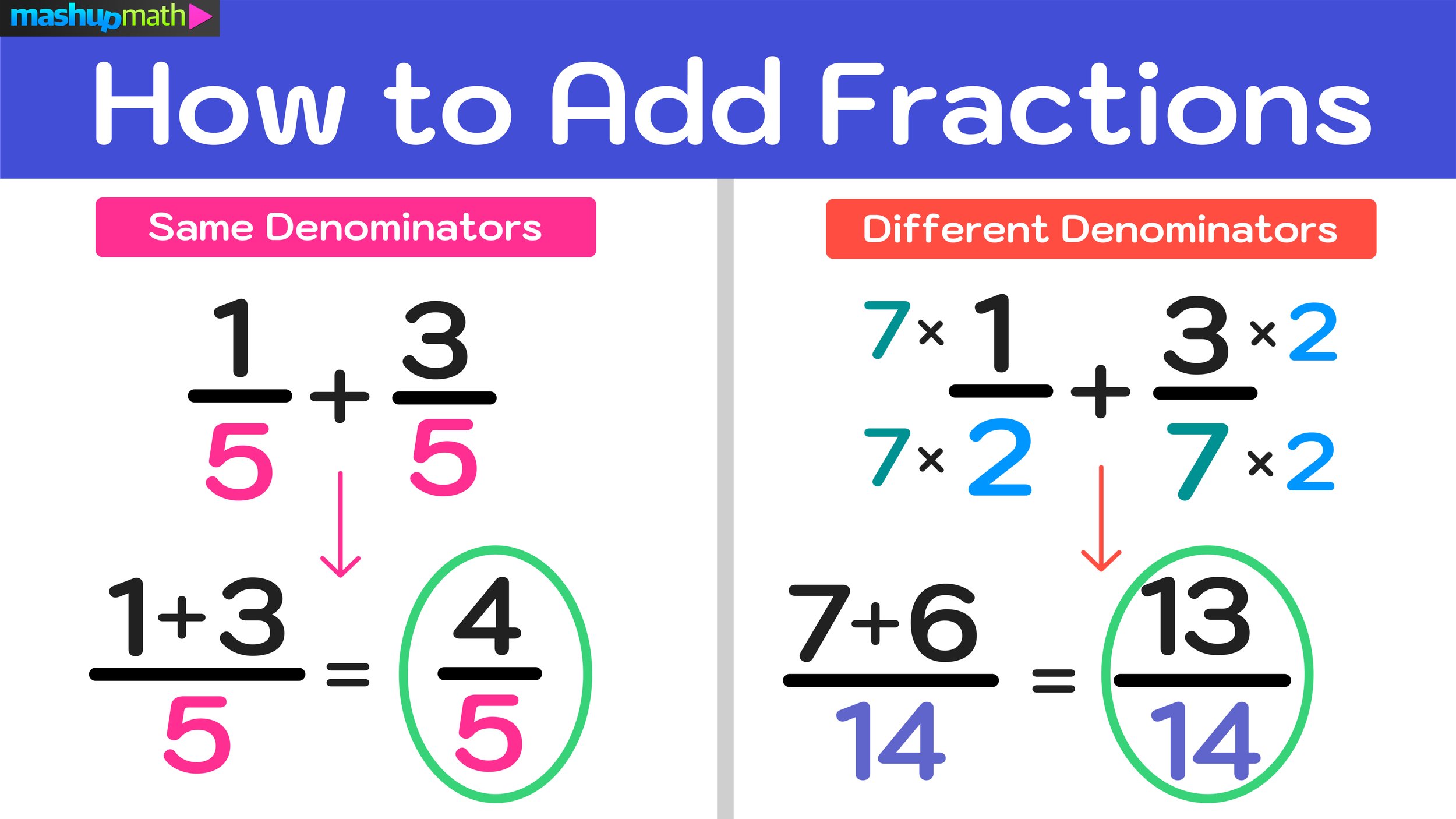
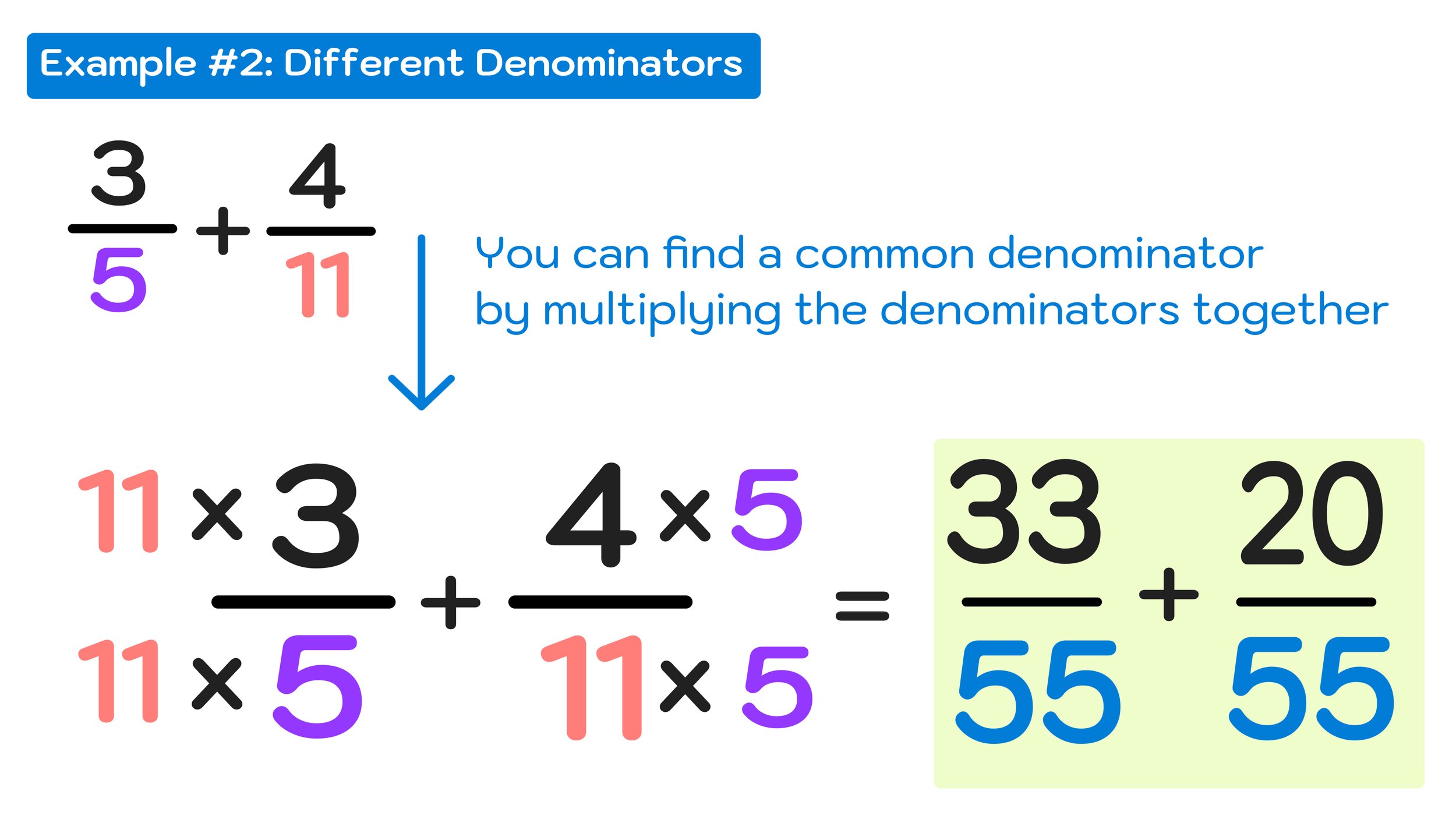
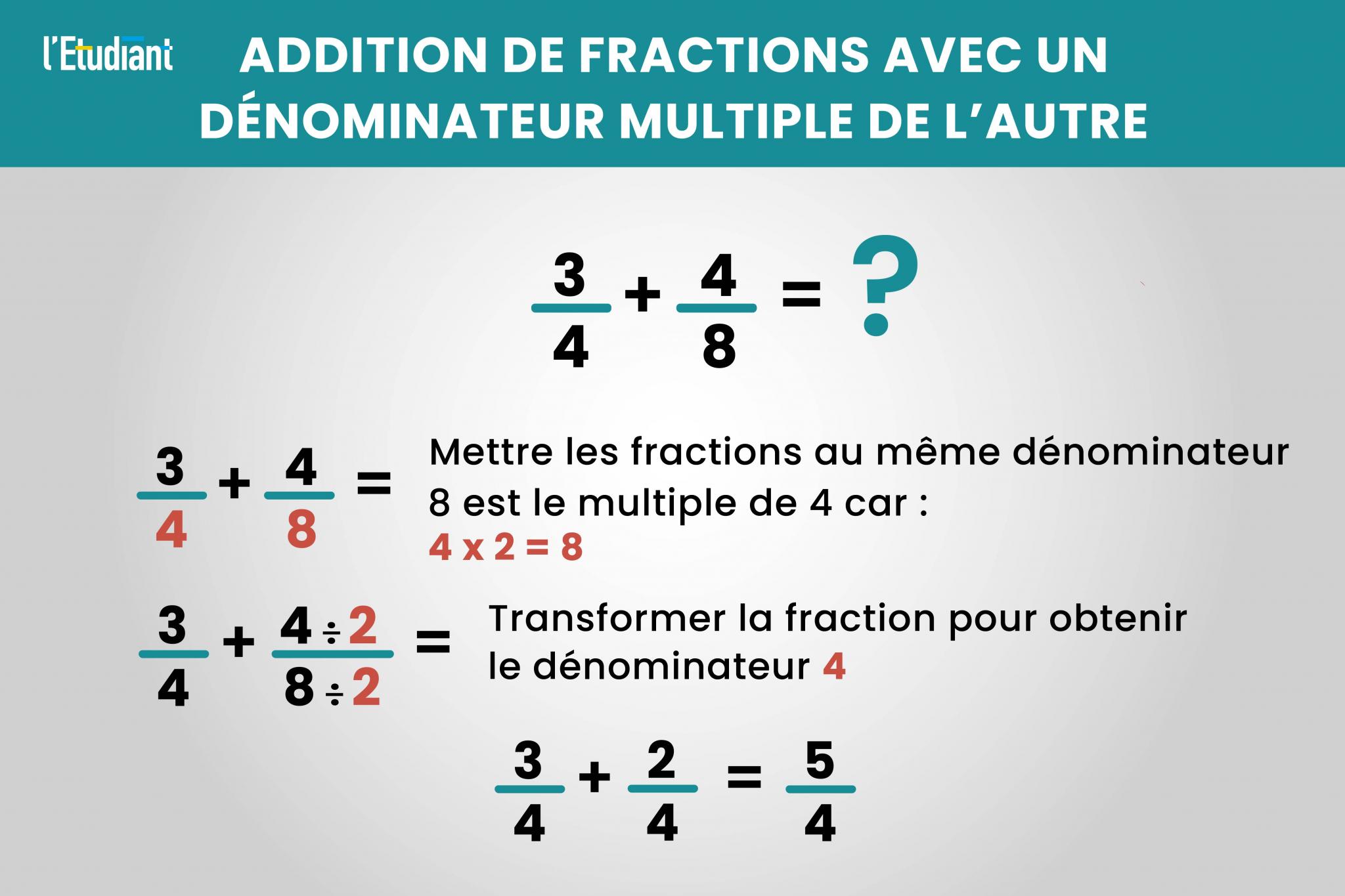
Now, we need to rewrite our fractions with the new common denominator of 6. This is where the magic happens:
- For 1/2: What do you multiply 2 by to get 6? It's 3! So, we multiply both the numerator (top number) AND the denominator by 3: (1 x 3) / (2 x 3) = 3/6
- For 1/3: What do you multiply 3 by to get 6? It's 2! So, we multiply both the numerator AND the denominator by 2: (1 x 2) / (3 x 2) = 2/6
Aha! Now we have 3/6 and 2/6. The slices are the same size! (Imagine a pizza cut into sixths. Much easier to compare, right?)
Finally, Adding the Fractions!
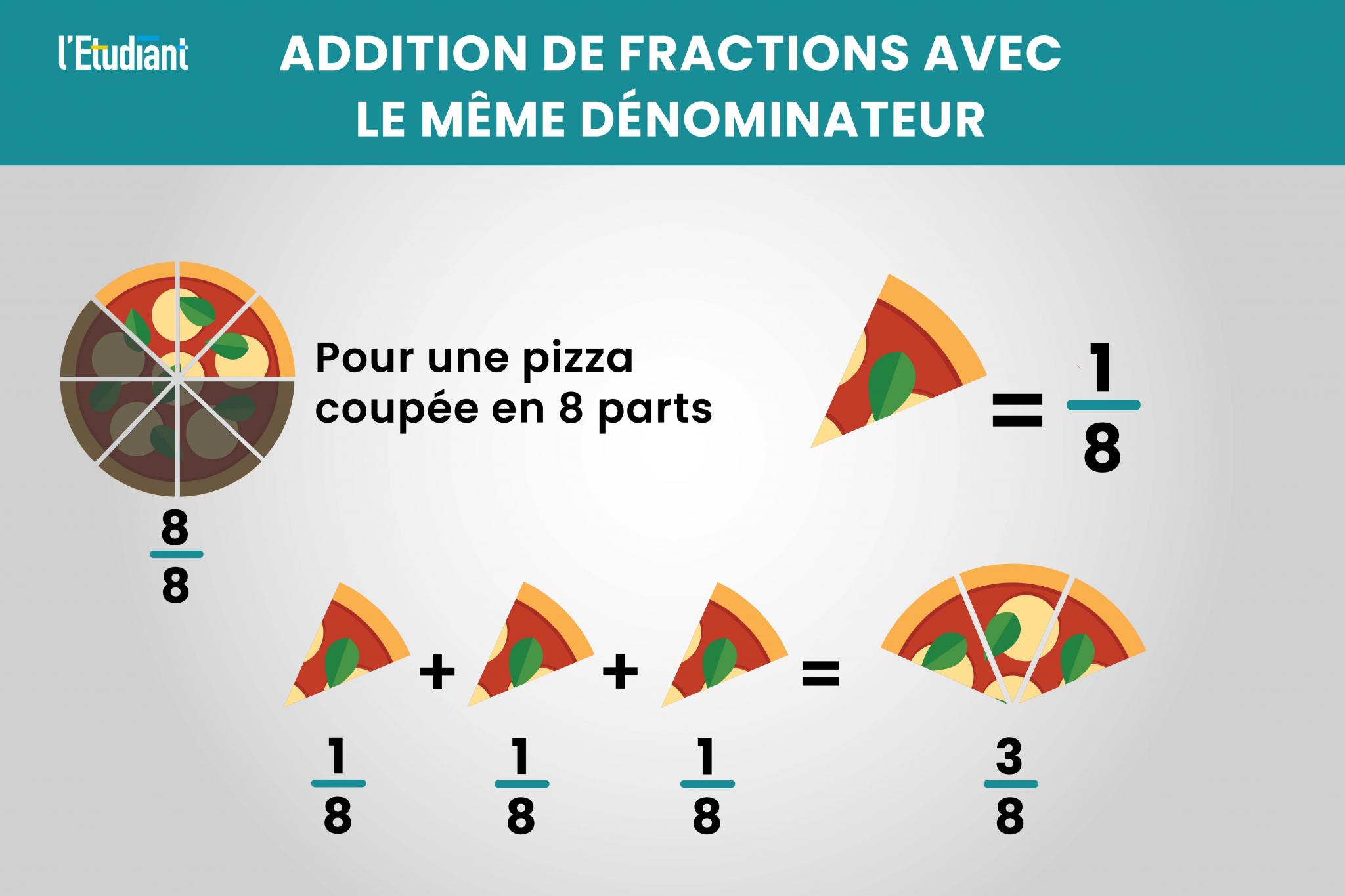
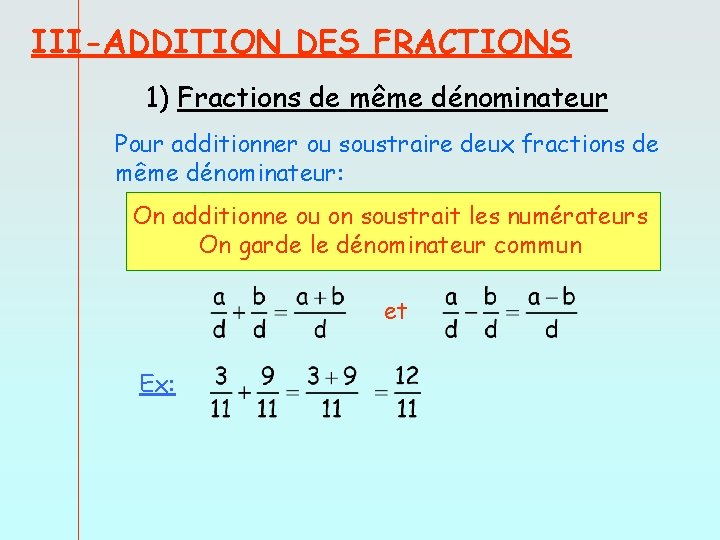
Now for the easy part! Since the denominators are the same, we can simply add the numerators:
3/6 + 2/6 = (3+2)/6 = 5/6

So, there's 5/6 of a pizza left. Victory! I could totally handle that. (Spoiler alert: I did. No regrets.)
In a Nutshell: Addition de Fractions, Mode d'Emploi
- Find the LCM of the denominators.
- Rewrite each fraction with the common denominator.
- Add the numerators.
- Keep the denominator.
- Simplify if possible (but 5/6 is already pretty simple!).
Don't be intimidated by fractions with different denominators. They're just waiting to be conquered! And hey, now you're equipped to calculate how much pizza is left at your next party. You’re basically a fraction ninja now. Go forth and calculate!